


 2 Photos
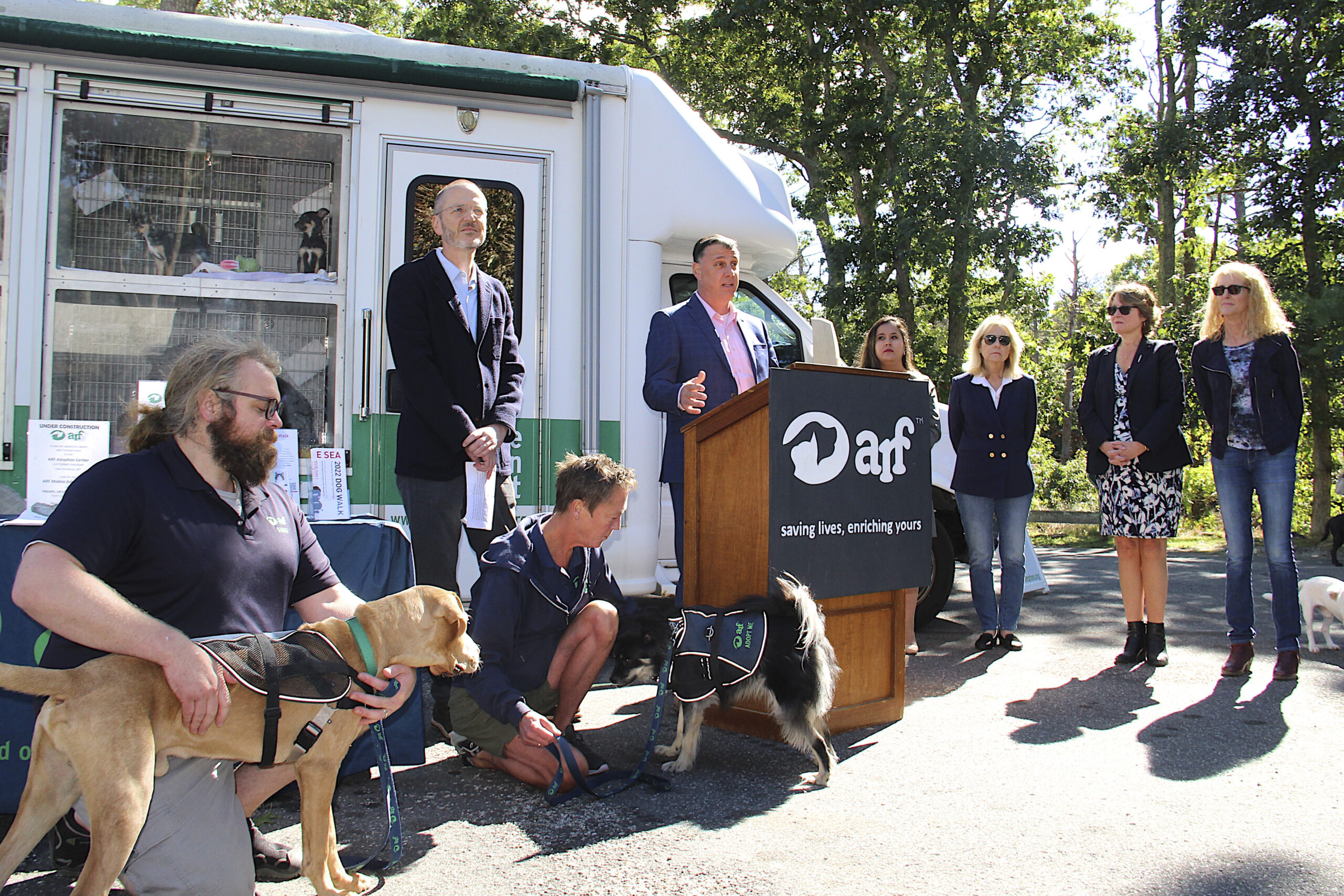
Representatives from ARF, the Southampton Animal Shelter Foundation, and Kent Animal Shelter were at ARF's headquarters in Wainscott in September for a press conference to urge Governor Kathy Hochul to sign legislation that would ban the sale of so-called "puppy mill" pets in retail pet stores. KYRIL BROMLEY
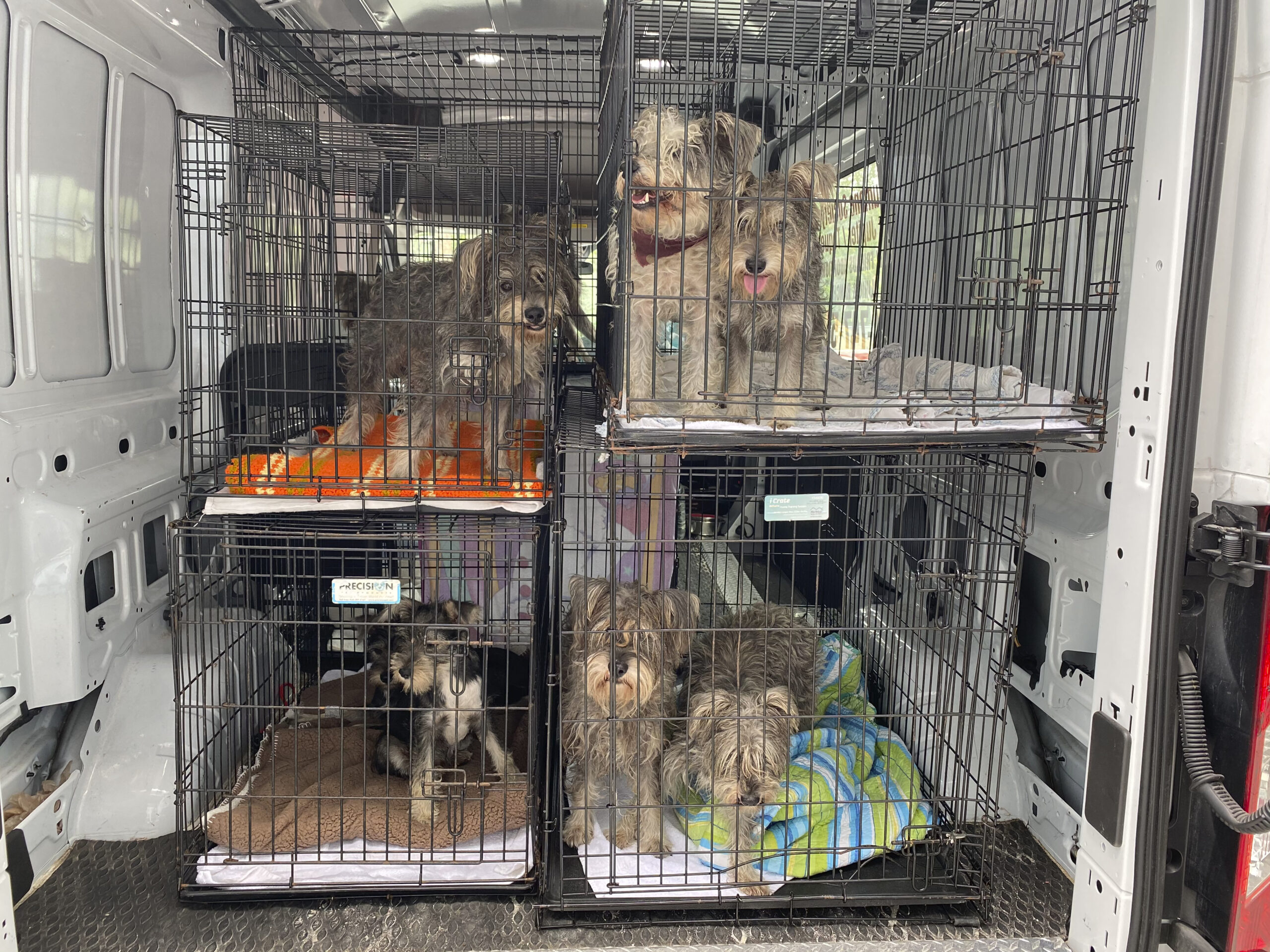
Animals that come from puppy mills are often malnourished, and have other health and socialization issues.
Back in September, representatives of three local animal shelters gathered at the headquarters of the Animal Rescue Fund in East Hampton, along with State Senator Anthony Palumbo, to publicly encourage Governor Kathy Hochul to sign a law that would ban the sale of so-called “puppy mill pets” in retail pet stores in the state.
Last week, they finally got their wish.
On December 15, Hochul signed the measure, which prohibits the sale of dogs, cats and rabbits by retail pet shops in the state, and authorizes those stores to collaborate with local rescue organizations to provide space to showcase any rescue dogs, cats or rabbits that are available for adoption.
The ban will not go into effect until December 2024, a move that is intended to give retail pet stores time to adjust their business models to accommodate the new law.
In banning the sale of dogs, cats and rabbits from commercial breeders — which are often referred to as “puppy mills” — New York joins several other states with similar laws, including Maryland, California and others.
Pat Deshong is the executive director of the Southampton Animal Shelter Foundation and was one of the shelter representatives on hand at the September press conference at ARF’s headquarters, along with Scott Howe, ARF’s executive director, and Pamela Green, executive director of Kent Animal Shelter.
Earlier this week, Deshong shared her thoughts about Hochul signing the legislation, which had passed the Senate and Assembly in June, and has been awaiting her signature since then.
“I’m relieved that she finally did keep her promise and sign the bill, but I am concerned about the amount of time before it goes into effect,” she said. “A lot can happen in two years. We’re just very concerned about the animals that are in these situations while [the law] hasn’t been put into effect.
“My concern is that giving a two-year wait time also gives these puppy mill pet stores time to campaign against it,” Deshong added. “It gives them ample time to put together a campaign to stop it, and it’s so crucial for the lives of these animals to save them when they’re in these puppy mill situations.”
Deshong is opposed not only to commercial breeders selling pets in retail stores but to their existence in general, pointing out that there’s no need for animal mills, because there are more than enough pets available for adoption through rescue organizations and at shelters, not only on the East End, but across the country.
In September, Deshong said puppy mill pets frequently end up in shelters, because owners who buy those puppies in pet stores often give them up to shelters after they discover that the animals have health challenges and/or behavioral and socialization issues.
Opponents of the bill argue that not every breeder who provides pets to retail stores operates in an unsavory manner, but supporters of the bill will point out that, unlike shelters and rescue organizations — which must be licensed and regulated — there is virtually no oversight or regulation of the breeding industry.
The bill had bipartisan support, and Palumbo, who was present at the press conference at ARF back in September, released a statement last week after Hochul signed the bill into law.
“As a co-sponsor of the ‘Puppy Mill Pipeline Bill,’ I am pleased to see that Governor Hochul signed this important bipartisan animal protection legislation into law,” the statement read. “This legislation will help ensure the humane treatment of animals in New York, while promoting the adoption of countless dogs and cats in shelters throughout the state.”
Howe, the executive director and CEO at ARF, said the persistence shown by many in support of the bill paid off.
“I would like to thank all of ARF’s friends in the community who supported this bill, year after year, with their letters and phone calls of support to Albany,” Howe said.
“It would have been easy to have become cynical, give up, and think that no action would ever be taken. This is an important reminder to all of us that we can change our society for the better when we’re united.”


 Cailin Riley on Dec 19, 2022