


 3 Photos
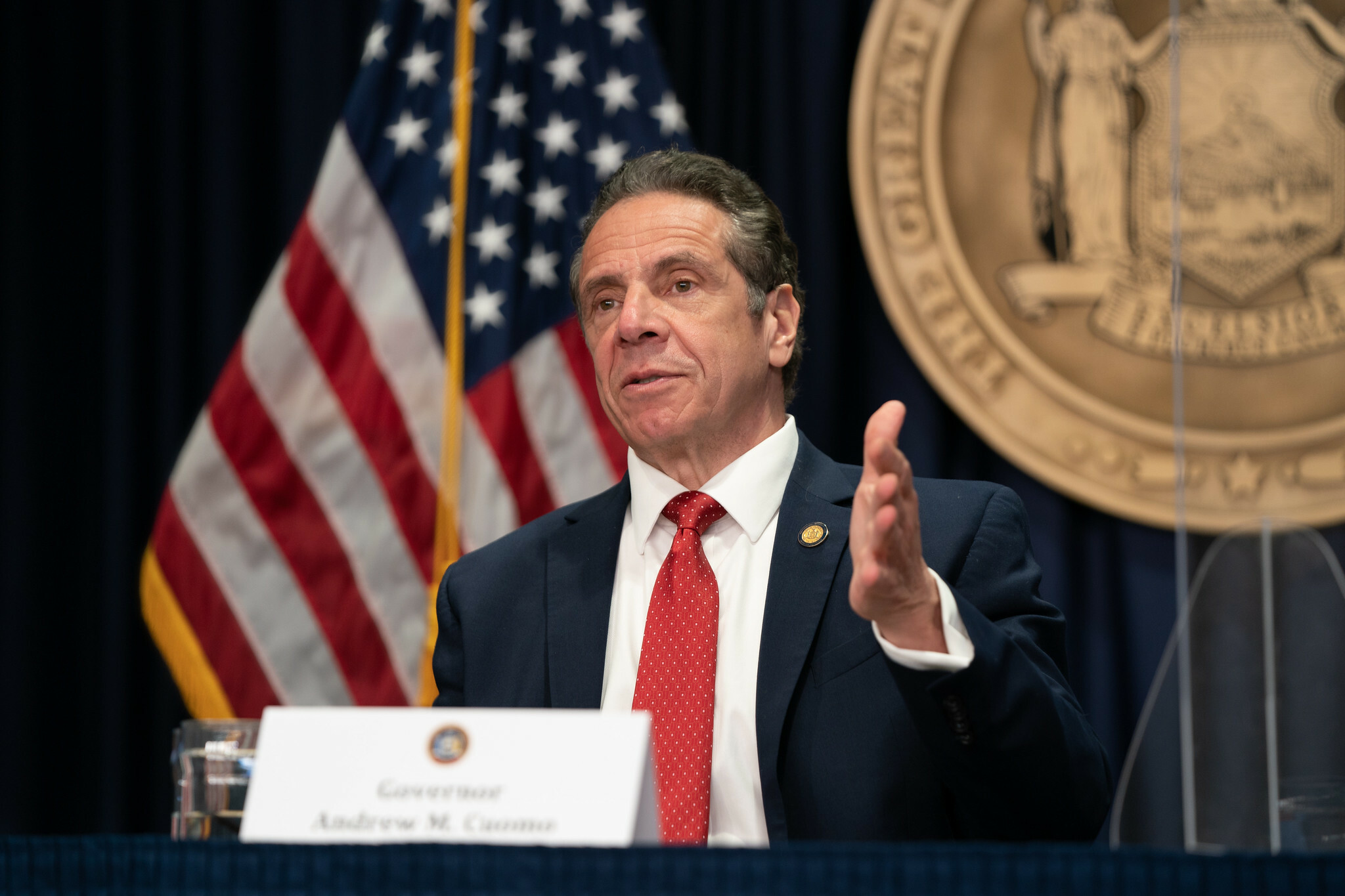
Governor Andrew Cuomo signed legislation legalizing adult use cannabis on March 31.

Will their village or town opt in? Local lawmakers weighed in on the legalization of adult-use marijuana. DANA SHAW
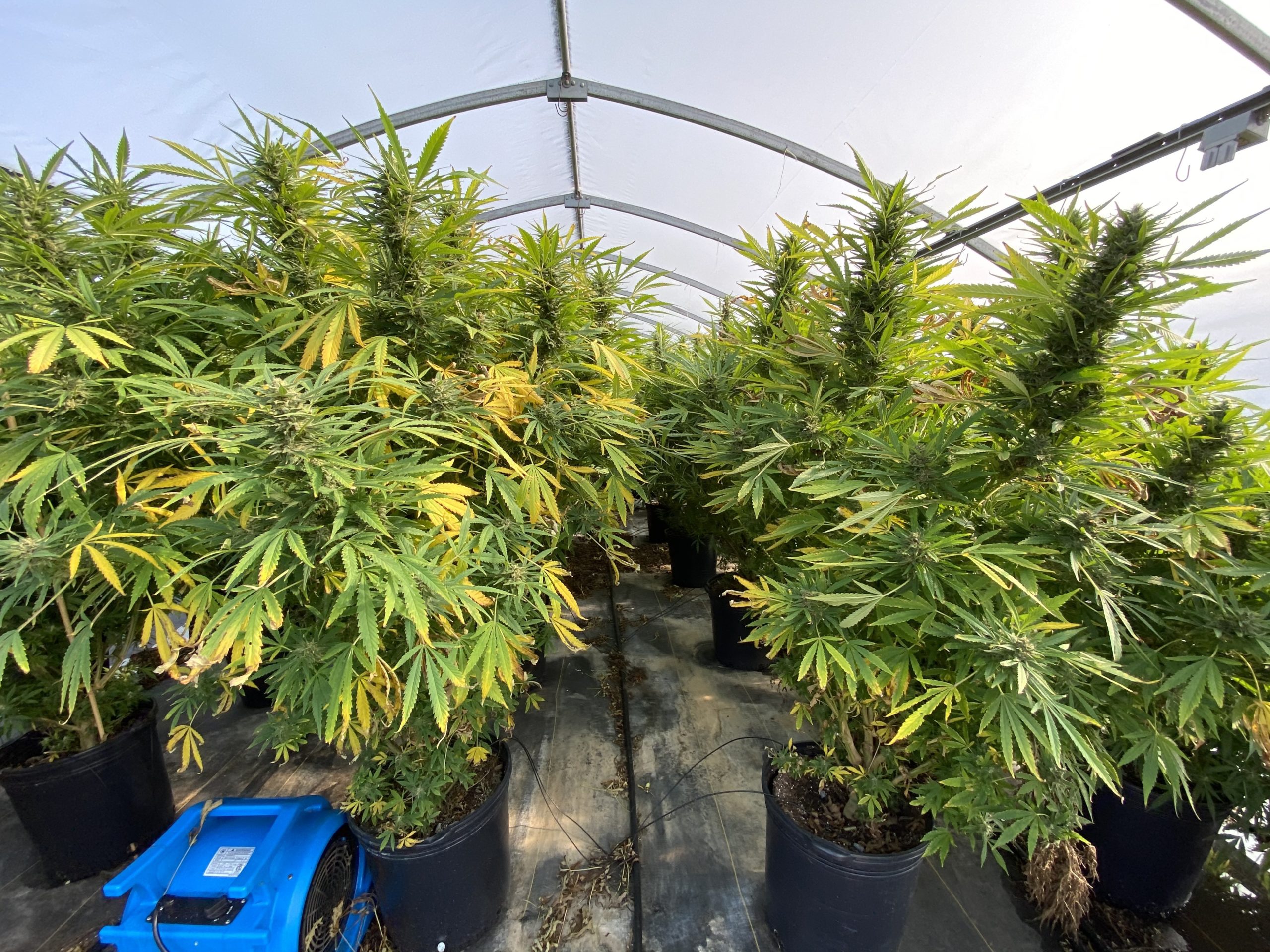
Local lawmakers weighed in on the legalization of adult-use marijuana. DANA SHAW
What does Governor Andrew Cuomo’s signing of legislation legalizing adult use marijuana actually mean for local lawmakers? What actions, if any, do they have to take?
Can pot shops blossom and cannabis cafés bud across the East End right away?
Not really.
While the law legalizes possession of marijuana for what could be called individual use — you are permitted to possess up to 3 ounces for personal use — the legal retail sale is still a ways off. And when it does come online, individual towns and villages can decide how public that public sale can be.
According to State Assemblyman Fred W. Thiele Jr. — who voted against the state legislation legalizing the recreational use of marijuana that passed in Albany and was signed by the governor — local municipalities have regulatory powers similar to their land use powers, when it comes to what’s known as “on-site consumption” venues and dispensaries. Villages and towns can decide whether to allow and how to allow the uses in their jurisdictions through their zoning codes.
If members of village or town boards decide they do not want to allow pot shops and cannabis cafés, they can opt out within nine months of the signing of the law, or by the end of the year.
So far, most leaders are taking a wait-and-see attitude — they want to know how their constituents feel.
In Westhampton Beach, Quogue and Southampton Village, Mayor Maria Moore, Mayor Peter Sartorius, and Mayor Jesse Warren, respectively, are all looking for community input and discussion with colleagues on their respective village boards.
“It is very early in the process, and we have not discussed it as a village board or in any depth with law enforcement,” Sag Harbor Village Mayor Kathleen Mulcahy said on Monday. “I do think the bill was a bit rushed, and until we know more about the local revenue opportunity and the driving impairment process and enforcement, it’s hard to make a prediction. I’m fairly certain we would be opposed to the on-site consumption options.”
In East Hampton Village, Mayor Jerry Larsen said he hadn’t had a chance to discuss the measure with his board either, but added, “My sense is we will opt out.”
East Hampton Town Supervisor Peter Van Scoyoc also appeared to lean toward the opt-out option. He pointed out that if a municipality decides to opt out, it could still opt back in. But if it does not opt out by the deadline, “you’re stuck and you can’t opt out later.” He added, “That’s a little concerning.”
Making clear he’d see how voters felt first, he said he supports the decriminalization aspect of the legislation and expanded expungement of previous low-level marijuana offenses.
In 2019, Governor Cuomo signed legislation to decriminalize the penalties for unlawful possession of marijuana. The legislation also put forth a process to expunge records for certain marijuana convictions. Last week’s measure expands on that legislation.
“Decriminalization is a good idea, and I think expunging people’s records for just marijuana use is a good idea, because I think that takes the criminal element out of the distribution of it,” Mr. Van Scoyoc said this week. “From that standpoint, I’m favorable. But, honestly, I just can’t see pot shops in town. I don’t really think we need them.”
The supervisor opined that having “pot shops” would be “pretty contradictory” to such efforts as the school DARE program, which discourages drug use.
A municipality can impose “reasonable restrictions” on pot stores or places where pot can be used, the supervisor continued. But, he said, “What’s reasonable in one person’s mind may not be reasonable in another’s.”
He said he’s already gotten requests from constituents who want East Hampton to opt out.
Mr. Van Scoyoc seemed skeptical that the town would garner significant revenue, offering that the carrot of potential revenue may be enticing to some. Still, he concluded, “I think a cautious wait-and-see attitude is warranted.”
The law lays out a taxing structure that would see municipalities split a sales tax of 4 percent with the county, with the town getting 3 percent and the county receiving 1 percent.
That could come to $1 million for his town, Southampton Town Supervisor Jay Schneiderman estimated. He extrapolated the figure based on estimated statewide revenues of $350 million. Factoring in the town’s tourism economy, the revenues could be even higher.
“That money could be used for public safety, better access to mental health or building sidewalks. There’s no strings attached,” Mr. Schneiderman said.
“If we opt out, people will just drive to the first municipality where they can get it,” the lawmaker reasoned. The town has no authority to outlaw the use of marijuana, he emphasized. “It’s easy to say, ‘We don’t condone its use’ and opt out — but if you do that, what have you actually achieved?”
The town could use its zoning powers to restrict where dispensaries could be located, Mr. Schneiderman noted. But, to the notion of relegating marijuana venues to the darkest corners of the town, he said, “I don’t know that that’s the right approach.”
While he estimated people are polling two-to-one in favor of allowing retail and on site use of marijuana in Southampton, Mr. Schneiderman said he wants to hear from community members and ultimately thinks the measure should be placed on November’s ballot. “Nobody should opt out without allowing people to weigh in,” he said.
The law directs individual municipalities that wish to opt out to pass a local law, by going through the typical process that includes public hearings. It requires the local law be subject to permissive referendum, meaning an opponent could gather signatures and force it onto the ballot in November.
Mr. Schneiderman said he doesn’t believe people should have to go through signature collection during a pandemic — the question should go straight to the ballot.
Looking at the issue another way, the lawmaker spoke of “practical realities.” The Shinnecock Nation, which is working to build a medical marijuana dispensary and develop a cannabis cultivation center, could also sell pot for personal recreational use, Mr. Schneiderman asserted. Should municipalities around the territory decide to opt out, he said, it could be a real economic boon for the nation to be the only game in town. “Some people could make a lot of money if we opt out,” he said.
So far, according to Bryan Polite, chairman of the tribal Council of Trustees, the nation’s Cannabis Regulatory Division has yet to take up the question of recreational sale on the territory. As a sovereign nation, the Shinnecock don’t need licenses from New York State; it has power to regulate the use itself.
“We haven’t developed any codes for licensing as far as recreational use yet,” he said. “We’re currently working on some, and the tribe will go ahead and vote on that toward the end of May, if the tribe wants to go down that road.”
Currently medical cannabis is the only thing the Shinnecock are engaged in pursuing, he said.
The law Gov. Cuomo signed on March 31 sets forth an array of steps that have to take place before any local sale could. First, it creates an Office of Cannabis Management, with a governing board and an advisory board. The OCM will be in charge of implementing a comprehensive regulatory structure for medical and adult-use marijuana.
The licensing framework, Mr. Thiele said, was devised to ensure a certain number of licenses are set aside for small businesses. He said that in some states, the marijuana retail industry became “very corporate.” There was a conscious effort, he said, not to have “Big Weed” dominate the industry in New York.
While it may take some time for the OCM to get up and running, and for individual municipalities to decide whether to opt in or out, and for those who opt in to craft zoning codes for retail and on site consumption venues, personal use is permitted. An individual may legally possess up to 3 ounces.
“This is a historic day in New York — one that rights the wrongs of the past by putting an end to harsh prison sentences, embraces an industry that will grow the Empire State’s economy, and prioritizes marginalized communities so those that have suffered the most will be the first to reap the benefits,” Gov. Cuomo said in a March 31 release heralding the signing of the law.
On Friday, he announced the launch of the OCM’s website. It educates the public on the OCM’s regulatory structure which, with the Cannabis Control Board, will oversee the licensure, cultivation, production, distribution, sale and taxation of medical, adult-use and cannabinoid hemp within New York State. The website also provides resources for individuals seeking medical cannabis practitioners, caregivers and medical cannabis IDs as well as businesses seeking licensure to participate in adult-use, medical and cannabinoid hemp industries. It is found at cannabis.ny.gov.


