


 3 Photos
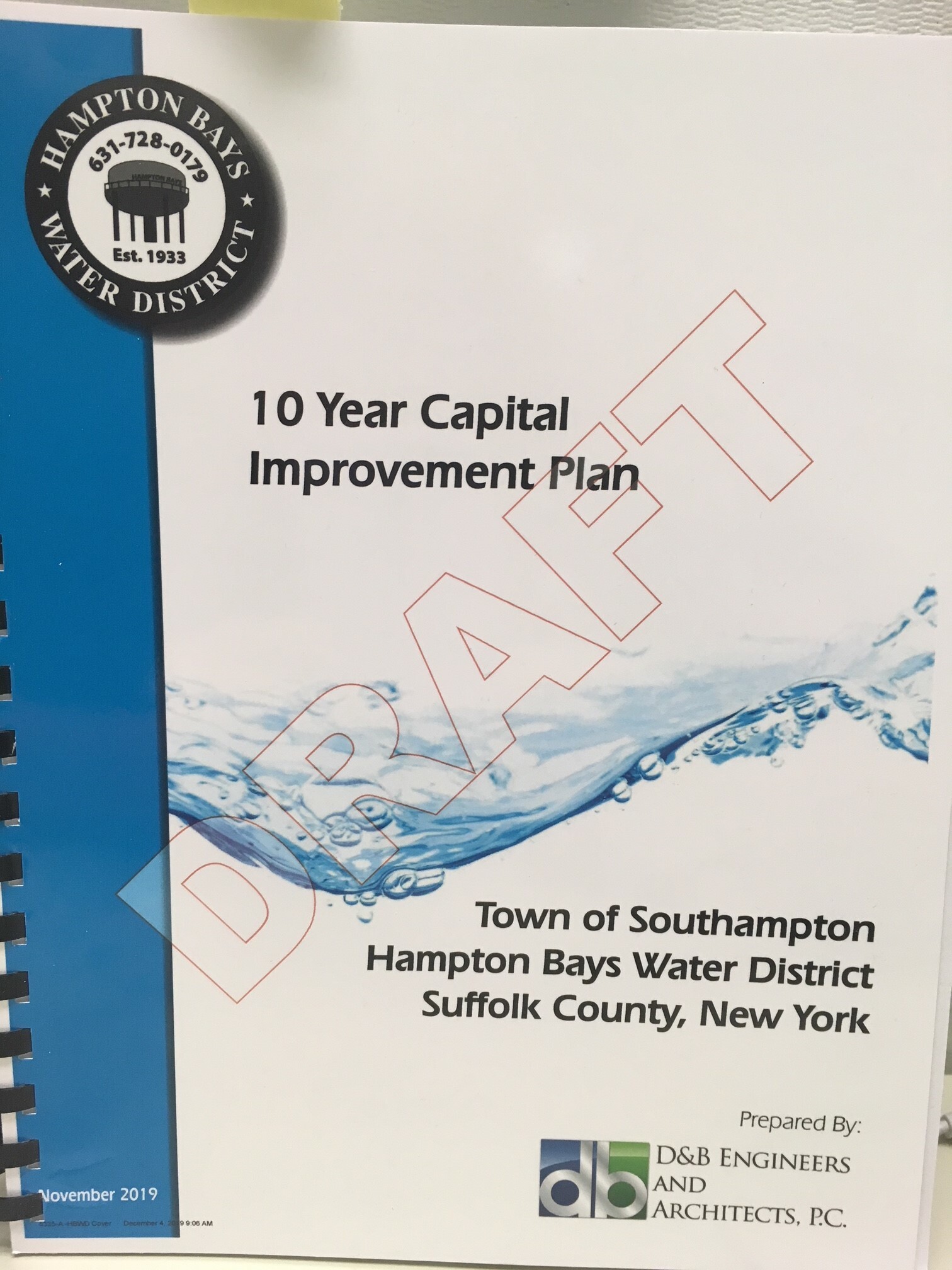
The plan looks at usage and improvements in the Hampton Bays Water District. KITTY MERRILL
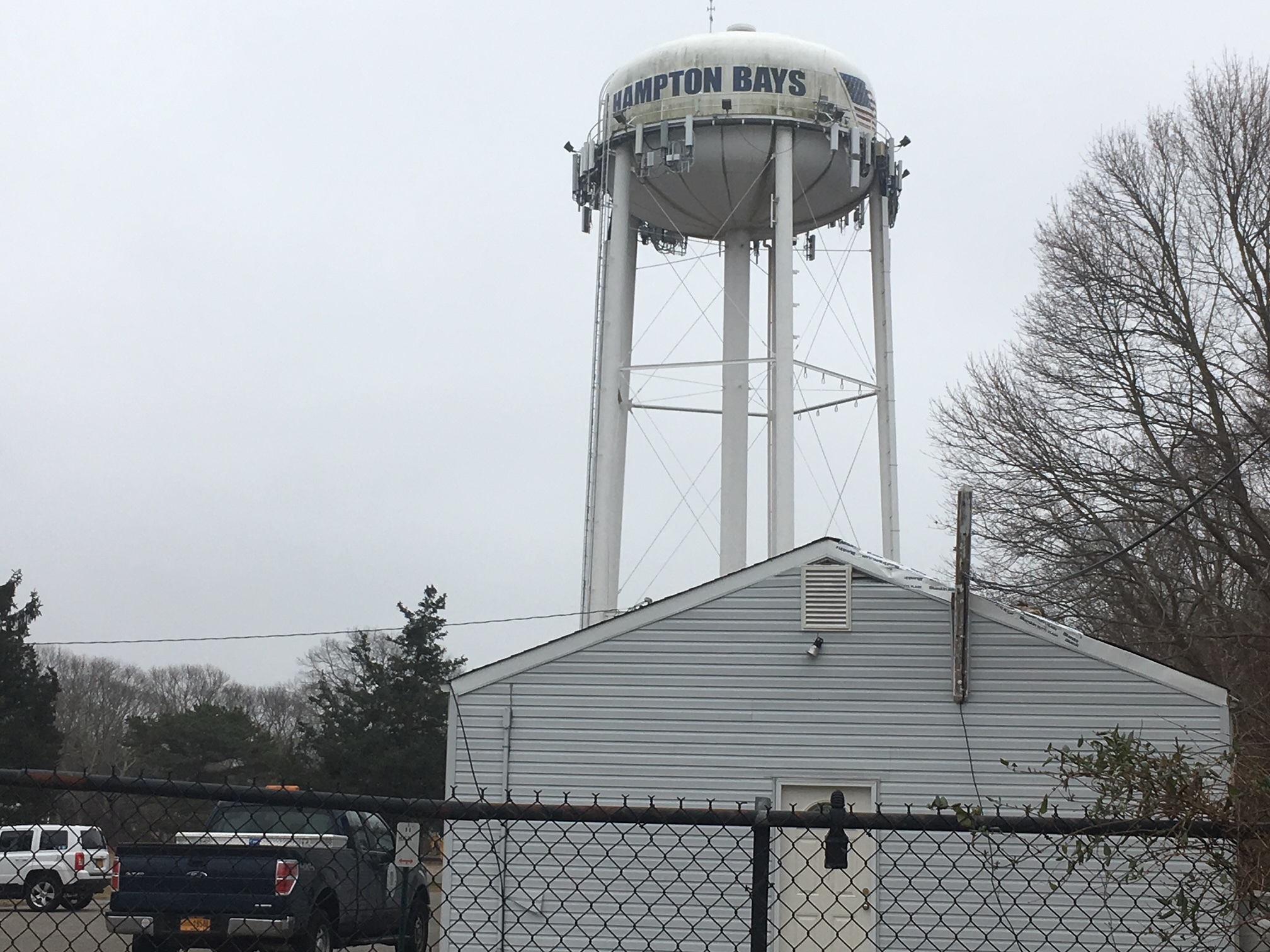
The Hampton Bays Water District Facility 1 off Ponquogue Avenue. KITTY MERRILL
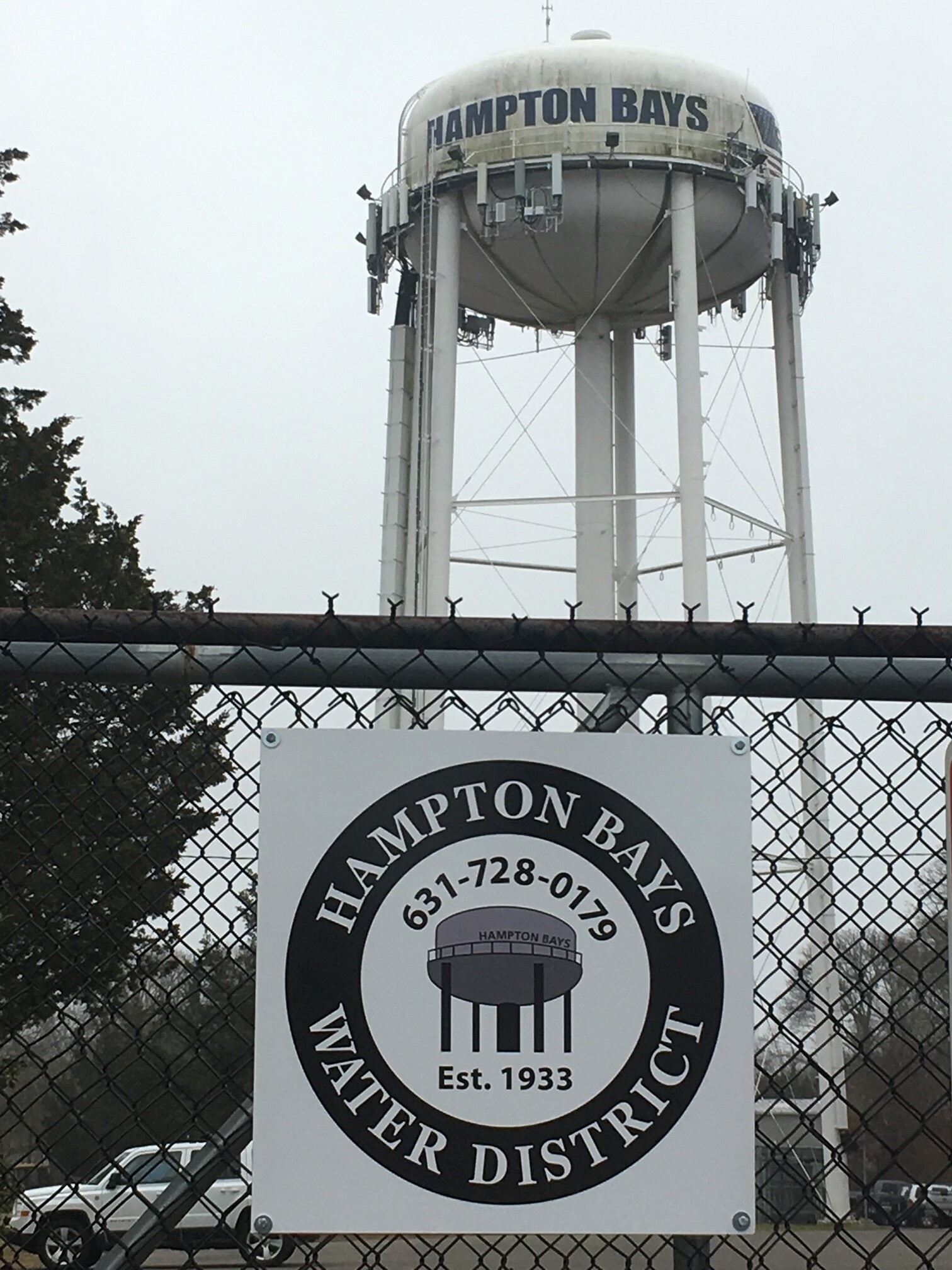
Southampton Town Board members are poised to eye a comprehensive analysis of the Hampton Bays Water District. KITTY MERRILL
The Southampton Town Board will host an informational meeting to debut a long-awaited study of the Hampton Bays Water District infrastructure early next month, which shows that the cost of upgrades is expected to rise the longer they are delayed.
In draft form, the 100-plus-page tome analyzes existing water district facilities and how they operate to ensure water quality. A capital plan prepared by D&B Engineers and Architects, it looks out 10 years and provides cost estimates for improvements, should they be completed now or in a decade.
Completing all the improvements it recommends right away would cost $25.6 million. Waiting 10 years would result in an escalated cost of $30.5 million, the study concludes.
The study is a tool that the Town Board and community members will use in determining whether to continue to operate a local water district or turn water management over to the Suffolk County Water Authority.
The water authority, in October 2018, made a proposal to take over operation of the water district following an onslaught of complaints about water quality and pressure issues in the hamlet. The SCWA offered to take over management of the water infrastructure in Hampton Bays and perform $14 million in upgrades to the system, spreading the cost over all its customers, not just in Hampton Bays.
At the time, Town Supervisor Jay Schneiderman commissioned the infrastructure study, saying he wanted to provide the public with detailed fiscal information before holding a referendum on the question of letting the authority take over operations.
“The report was commissioned to establish what capital projects needed to be addressed in order to maintain high quality of service and assure safe drinking water, to develop costs for those improvements, and to develop a 10-year plan for implementation,” Deputy Supervisor Frank Zappone said, adding that the report will be discussed on February 5 at a public meeting.
The biggest-ticket items include a new well at the facility on Old Riverhead Road ($3 million), and distribution system improvements, including a new water main across Shinnecock Bay on the Ponquogue Bridge ($2.2 million) and a second water main across the Shinnecock Canal to provide redundancy and sustained water pressure ($1.1 million).
Treatment for iron and manganese at Facility 4 on Bellows Pond Road north of Sunrise Highway, including the construction of a treatment plant, carries a $4.1 million price tag. On Bellows Pond Road south of Sunrise Highway, Facility 3 needs a new chemical building at a cost of $1.3 million.
Tank improvements, which include rehabilitation of inner coating, or draining them and removing sediment are listed at a cost of $9.2 million for work on three tanks at three sites: Ponquogue Avenue, Old Riverhead Road and Bellows Pond Road.
The study also includes demographic data about the hamlet, noting the water district maintains 7,219 services for roughly 15,500 residents, supplied by about 100 miles of water mains, 11 miles of which is made up of large transmission water mains of at least 12 inches in diameter.
Eleven wells at five stations throughout the district were drilled between 1956 and 2008, with three installed at Bellows Pond Road in 1977. There’s a section of cast iron water main installed in the 1940s located between Shinnecock Bay and Tiana Bay south of Montauk Highway near Facility 1 on Ponquogue Avenue. Most of the pipe is made of ductile iron and installed after 1965.
The study also looks at water usage demands, both historical and projected to the year 2030.
In 2009, an average day’s usage measured 2.1 million gallons per day, with 5.5 MGD on a maximum-use day. By 2018, the usage increased to up to 2.9 MGD on an average day and 7.2 MGD on a maximum-use day. The engineers predict an average-day demand of 3.7 MGD by 2030.
The total capacity of all the supply wells in the district is 10.14 MGD. New York State Sanitary Code requires water districts to maintain a system that can operate even with its largest well out of service; in Hampton Bays, 8.7 MGD remains when the largest well is out.
With a combination of water supply wells and storage tank capabilities, the system needs 12.8 MGD during peak-hour demand, factoring what also would be needed for fire safety. Since the existing wells can provide up to 8.7 MGD, a balance of up to 4.1 MGD must come from storage tanks.
The study suggests a new well with the capacity of 1.44 MGD be installed at either facilities on Old Riverhead Road or Bellows Pond Road to meet the projected need.
Beyond listing infrastructure needs and their estimated costs, the plan offers timeline suggestions regarding how to spread the cost of certain projects out and when they could commence. For example, it suggests the construction of a new water main on the Ponquogue Bridge be undertaken in 2023, with the cost ($2.2 million) spread out over two years. The water main across the Shinnecock Canal would be installed in 2021, if officials adhere to the suggested timeline.
The water main that serves Dune Road experienced a break in January 2017, and a dive team was used to make repairs, the report notes. Another break occurred last month and necessitated emergency work by the special dive team.
The installation of a water main on the bridge could help prevent the recurrence of the problem. In 2017, temporary water lines were installed across the bridge to supply customers while the repairs were underway.
Two concurrent water quality issues prompted the study: the discovery of perflurooctanoic acid (PFOA) and perfluorooctane sulfonic acid (PFOS), contamination related to the practice of using firefighting foam during training in 2017, plus an uptick in levels of iron and manganese in the water that’s turned some hamlet residents’ water brown.
At a meeting of the Hampton Bays Citizens Advisory Committee in November, Councilwoman Julie Lofstad endeavored to alleviate water worry, with reports that filters had been installed to handle the brown water and the contamination.
Ray D’Angelo, chairman of the Citizens Advisory Committee, was critical of the Town Board during the group’s November meeting. Reminding Ms. Lofstad that board members are also water district commissioners, he said, “Your oversight was terrible.”
Learning of the meeting planned to discuss the study next month, he said, “I want everyone to go so we can express our concerns. We have so many questions. Hopefully, they’ll have some answers.”


