


 5 Photos
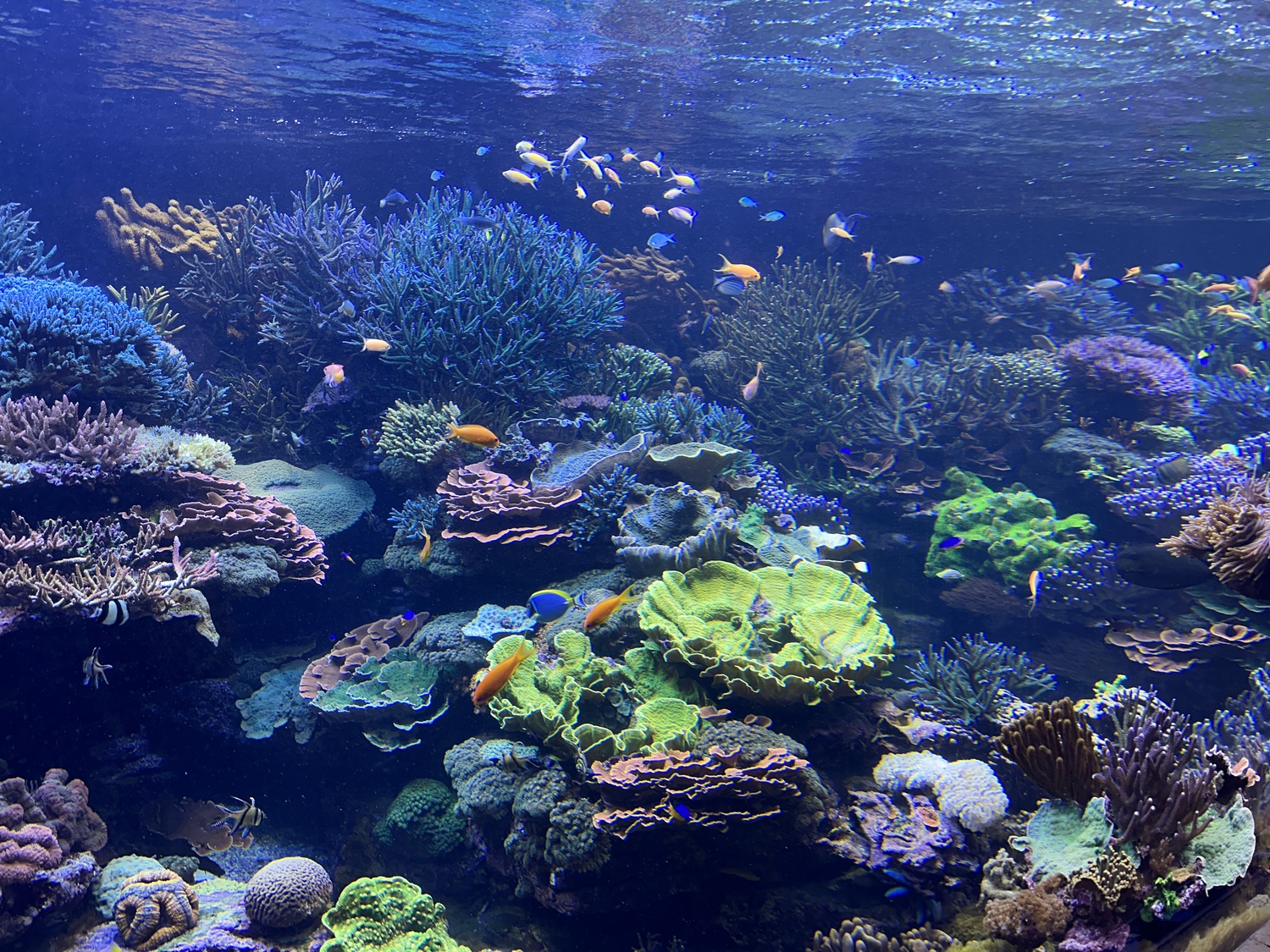
The 20,000 gallon corral tank, the centerpiece of the Long Island Aquarium. DAN STARK
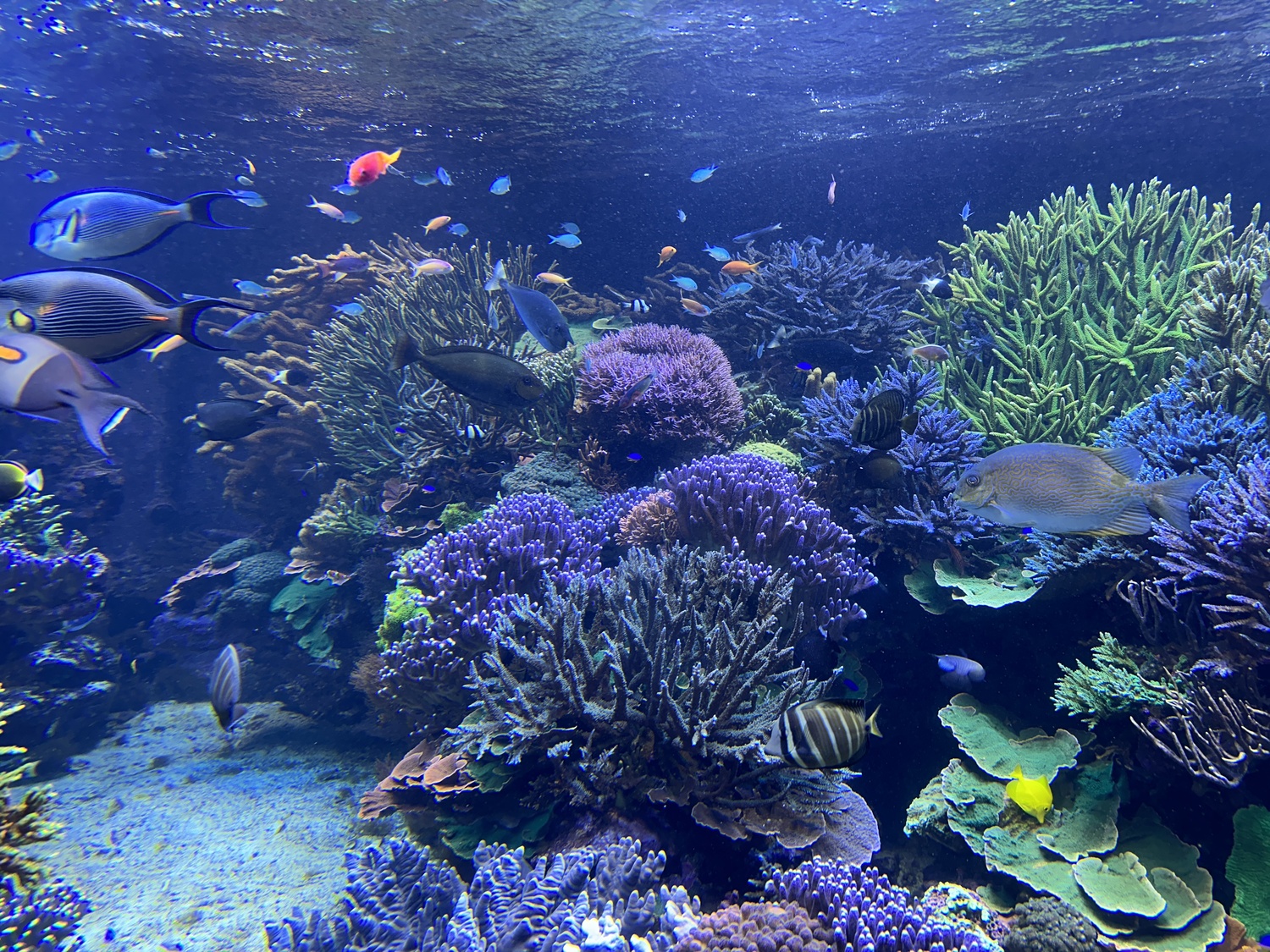
The 20,000 gallon corral tank, the centerpiece of the Long Island Aquarium. DAN STARK
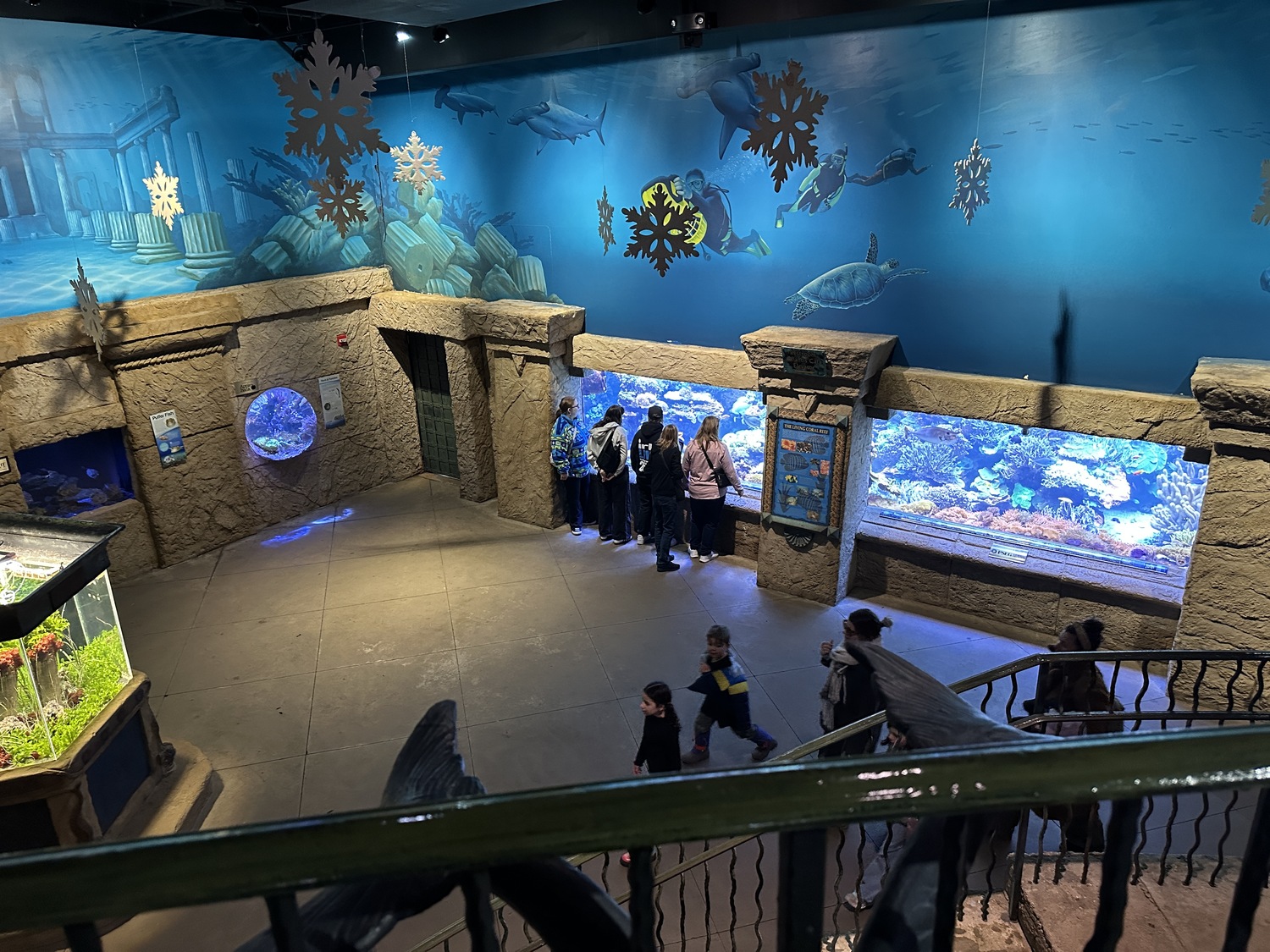
Guests visiting the Long Island Aquarium as it approaches its 25th anniversary. DAN STARK
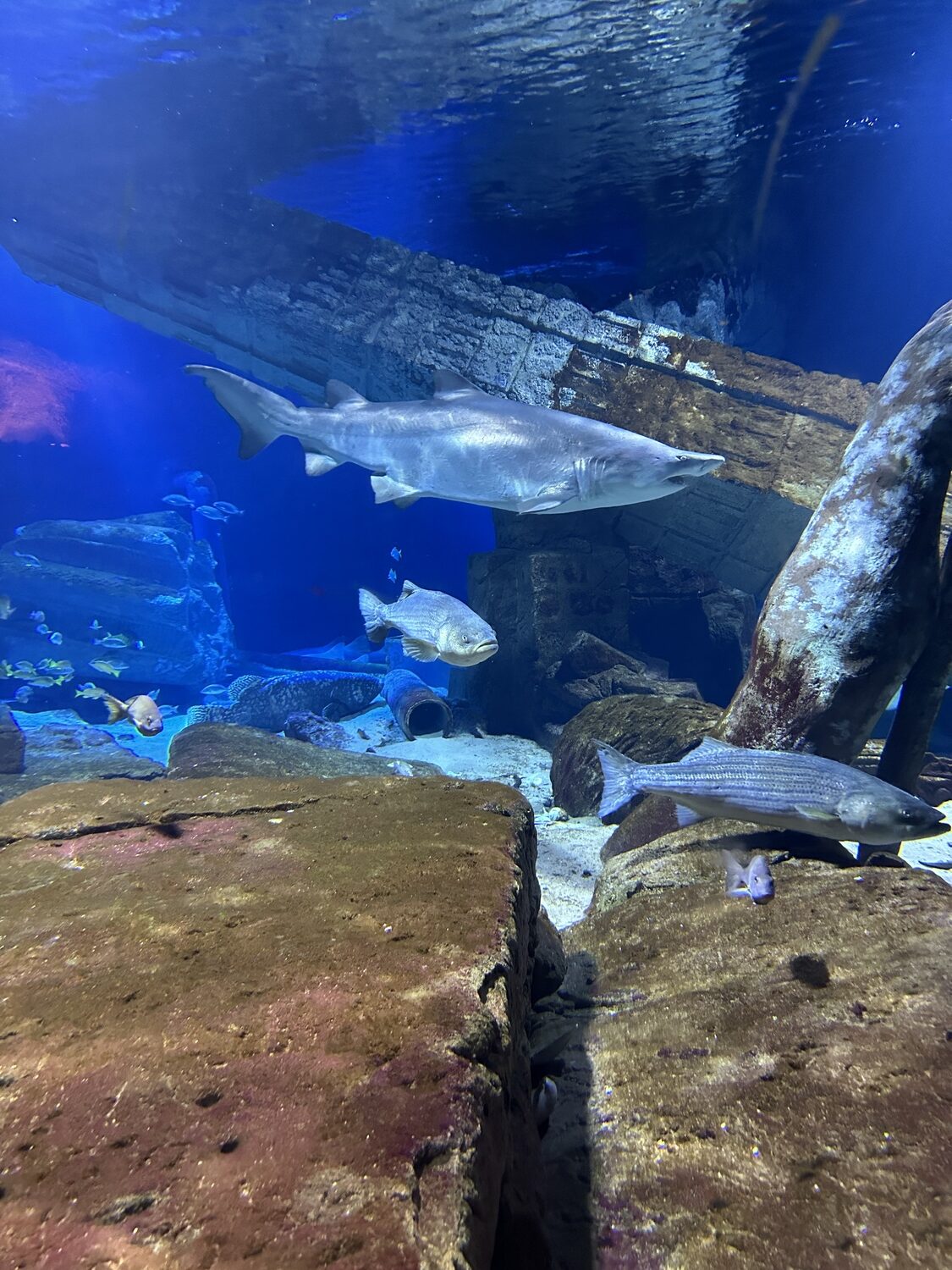
The shark tank at the Long Island Aquarium. DAN STARK
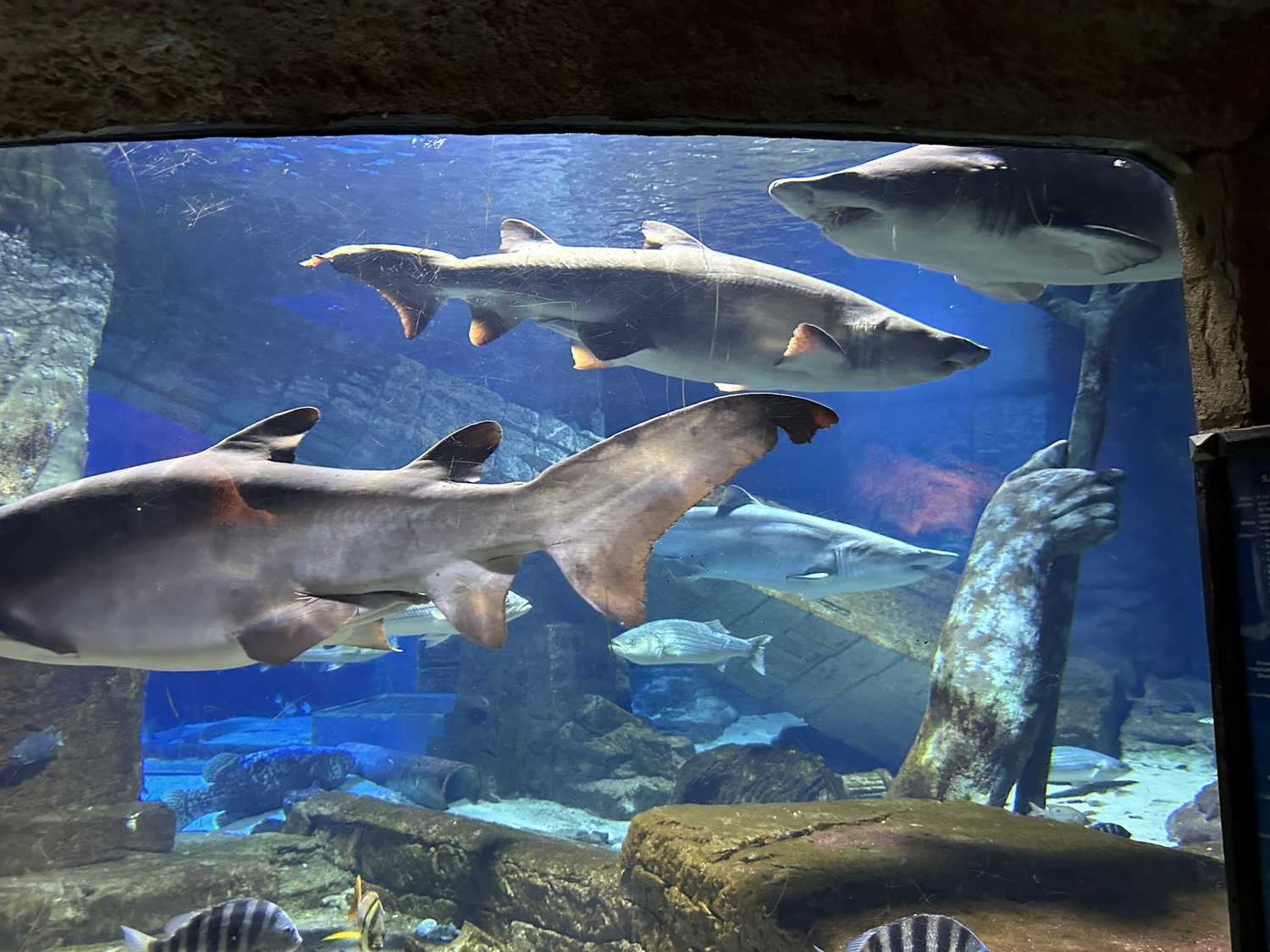
The shark exhibit at the Long Island Aquarium. DAN STARK
The Long Island Aquarium will present its “25 Weeks of Fun” series to celebrate the 25th anniversary of the aquarium’s founding and to commemorate a quarter century of conservation and education efforts.
Located on East Main Street in Riverhead, the aquarium will feature multiple events and opportunities for visitors from the first week of April through September. Admission to the aquarium and other experiences offered, such as the Peconic River boat tour, will be available for $25 on specific dates that will be announced. Giveaways and prizes will also be available to guests.
To showcase the changes that the aquarium has gone through in its 25-year history, photo displays throughout the building will show the construction of its habitats over the years. There will also be a “Then and Now” photo series, where guests are encouraged to recreate old pictures that they took in the aquarium.
The aquarium first opened its doors in June 2000 under the name Atlantis Marine World. Its origins can be traced back to 1991, when Joe Yaiullo, the aquarium’s curator of fish, met Jimmy Bissett while working at the fish department at the New York Aquarium in Coney Island. At first, Bissett came to look at fish tank designs for the Holtsville Ecology Center. These talks soon moved toward Bissett’s idea of a condo and marina project in Port Jefferson, before eventually landing on the idea of opening an aquarium. After eight years of planning, they broke ground in Riverhead in 1999 and opened just in time for summer 2000.
Since opening, the aquarium has continued to expand by adding new exhibits and habitats, which Yaiullo said had been a main goal for him and Bissett from the onset. In 2013, after Bissett died two years prior, the biggest expansion yet occurred with the addition of the Hyatt Place hotel and banquet hall next door, as well as the addition of the butterfly center.
Today, the aquarium’s many exhibits and habitats feature a wide array of fish and marine life, from small crabs to large bull sharks. But the aquarium’s centerpiece is the 20,000-gallon live coral tank, featuring a colorful display of multiple types of corrals. The tank was the largest display of live corals in the Western Hemisphere when the aquarium opened and is one Yaiullo’s favorite displays as a self-described “coral-holic.” He noted that the aquarium’s efforts to maintain these corals have been taken beyond the walls of the tank to help preserve wild corals.
“When I first started taking care of corals in the mid-’80s, there wasn’t much known about keeping them long-term,” he said. “And what’s cool is by learning how to do it long-term and getting them reproductive, a lot of the things we figured out in tanks are now being applied for repopulating reefs in the wild. So it’s been very rewarding to see things that we learned [be applied].”
In addition to marine life, the aquarium also features multiple species of mammals, reptiles and birds of prey. Mammals were introduced soon after opening with the addition of two sea lions, the first of many species of nonmarine life that have called the aquarium home. Candyce Paparo, the senior curator of mammals, reptiles and raptors, said that since the aquarium “isn’t locked into one area of species,” this has created more opportunities to introduce a greater variety of animals.
“The possibilities are endless for us of what we can get,” she said. “So whenever our management team has the opportunity to create a new habitat or exhibit, I think that’s exciting because we’re not really locked into any one thing.”
At the center of everything the aquarium does is a passion for conservation and educating the community about it. Paparo explained that the aquarium will take in animals that have been donated or rescued to do so.
“As our mission is to promote education and conservation to our community and to our visitors, it’s important for us to have a variety of species to do that with,” she said. “And if we can help out by taking in animals that need a new home, I think that helps us with our mission and helps those animals to find a better environment for them.”
Inside the aquarium is the New York Marine Rescue Center, a hospital that rescues endangered sea turtles, seals and other animals. Although guests can take behind-the-scenes tours of the laboratory room, the center has been unnoticed by the public at times. Bryan DeLuca, the aquarium’s executive director, said he hopes to secure funding to increase public visibility and access to the rescue center in a way that wouldn’t impact the animals and would increase awareness of the center’s work.
“We would set it up where we can have a corridor with one-way glass so that the animals don’t see the people, but the people can see the hospital, and I think that’s important,” he said.
For Paparo and Yaiullo, both of whom have been at the aquarium for the entirety of its existence, it hasn’t felt like a long period of time. Yaiullo added that he sees “people coming in now that came here as kids and they’re bringing their kids now,” a testament to how long the aquarium has been open and a rewarding sight for him.
And throughout all the changes, Paparo emphasized that the aquarium’s goal has always been “to progress, to grow and to be the best at what we’re doing and providing education, conservation and the best welfare for our animals.”


