


 5 Photos
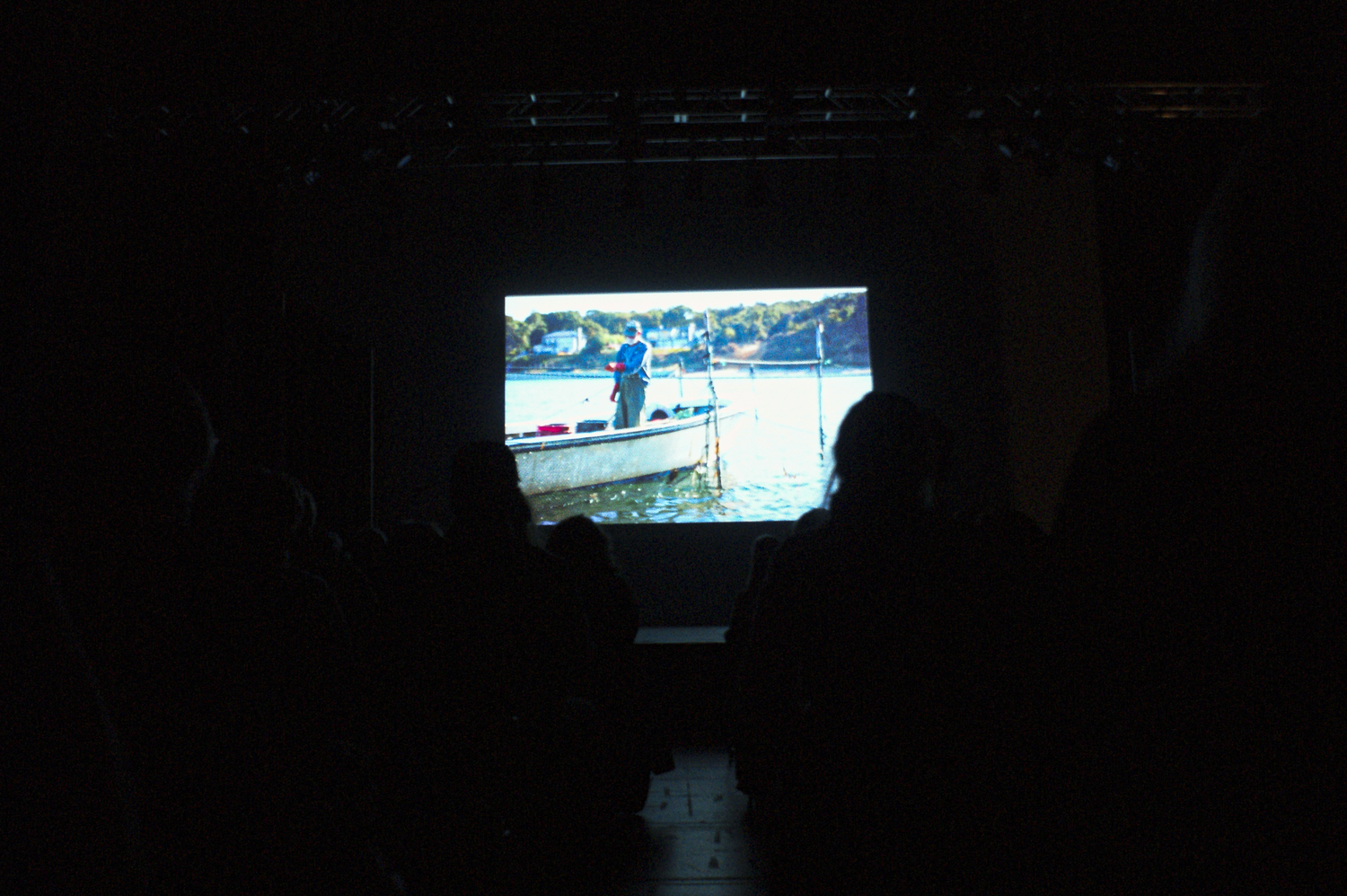
More than 200 people watched the hourlong "The Bonackers" documentary screening at the LTV Studios in Wainscott on December 20.
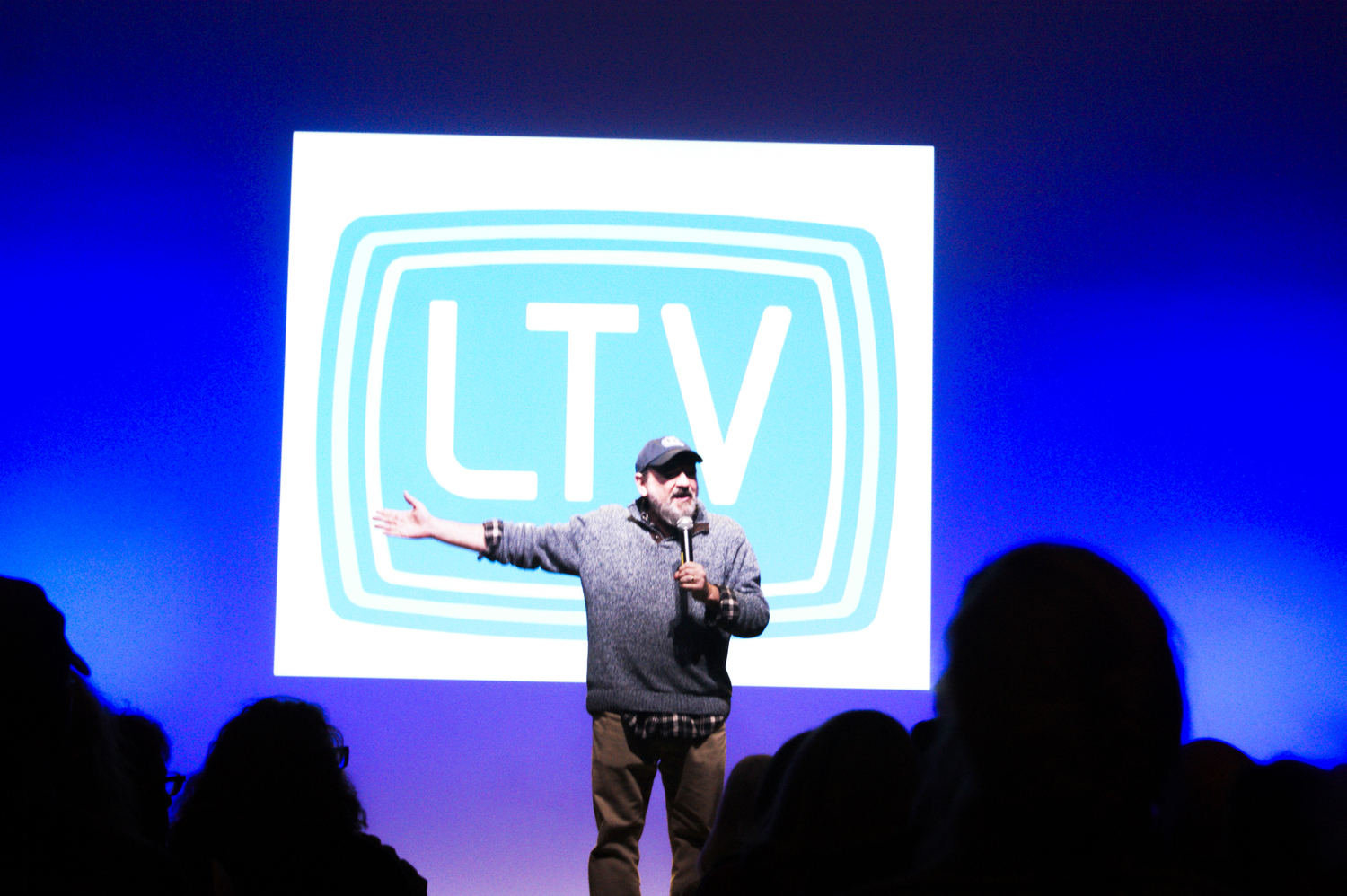
Josh Gladstone, LTV Studios' creative director, welcomed a sold-out crowd of more than 200 people to "The Bonackers" premier screening at the Wainscott-based television studio. J.D. ALLEN

Joanne Friedland Roberts is the director and producer of "The Bonackers" documentary. J.D. ALLEN
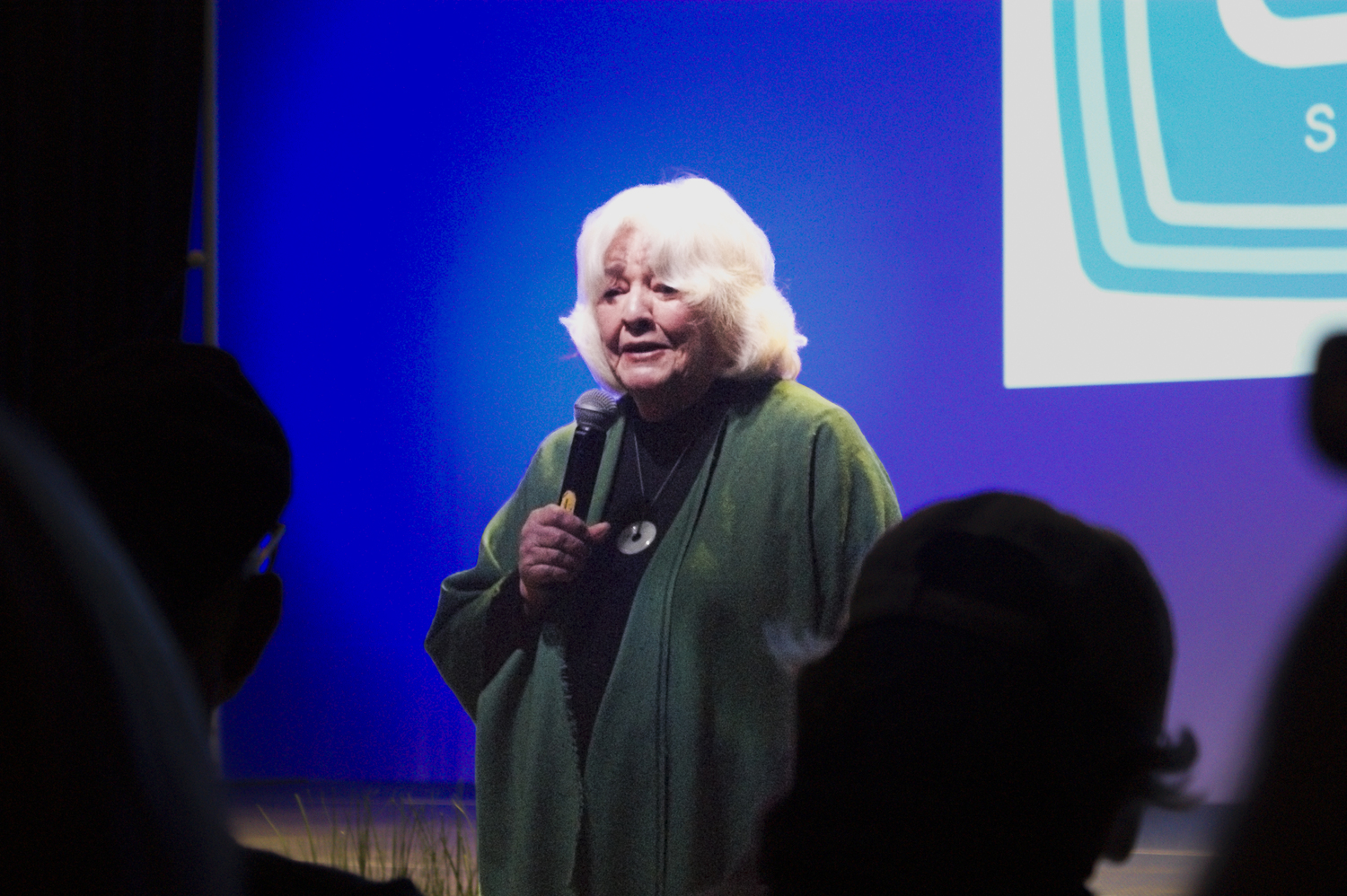
Genie Chipps Henderson is LTV Studio’s archivist. J.D. ALLEN
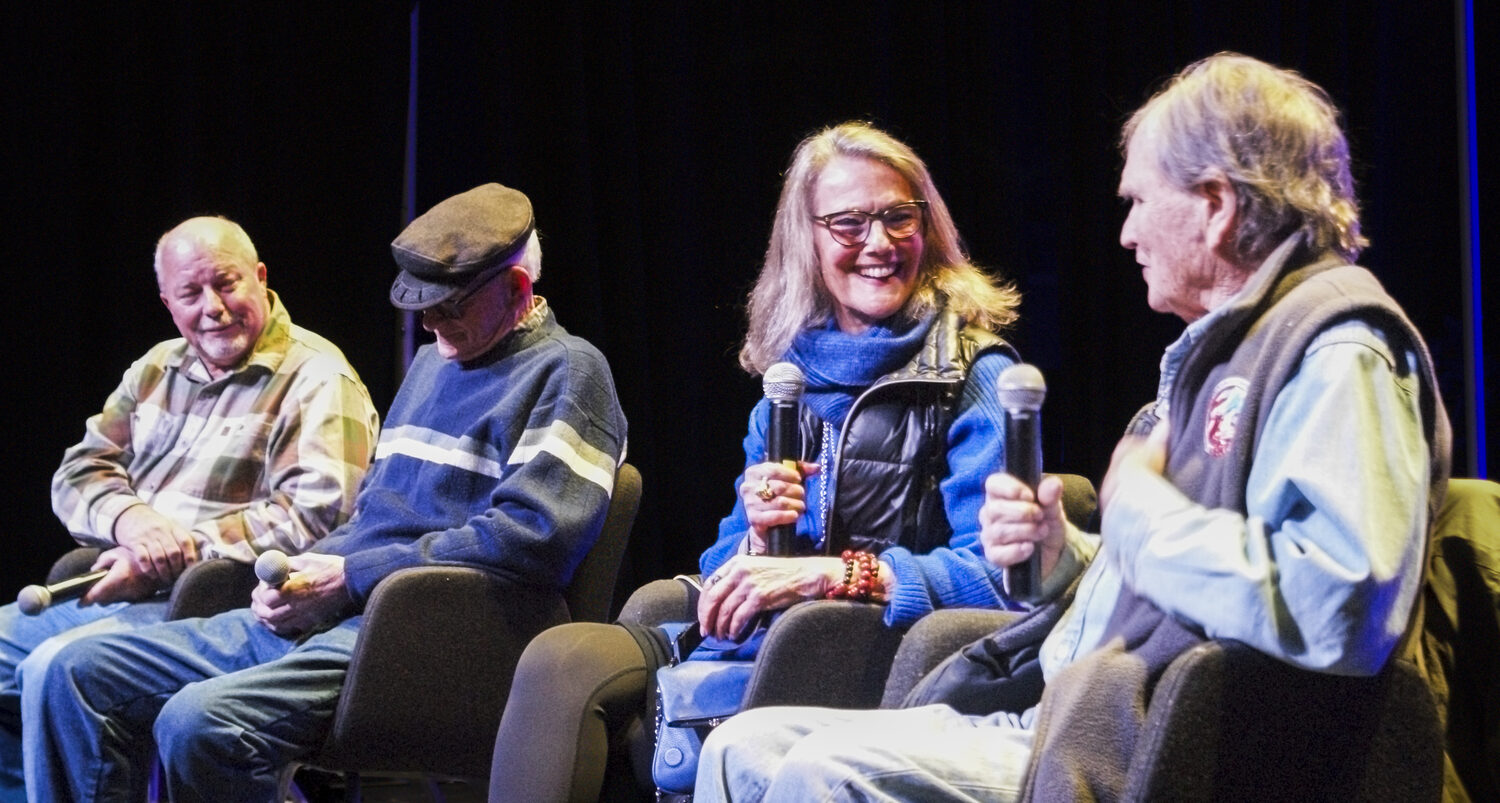
From left, (left to right) Don Eames Jr., Brent Bennett, Joanne Friedland Roberts, and Arnold Leo. J.D. ALLEN
It began on a smartphone a few years ago — recording several stories told between neighbors.
“The Bonackers” is an hourlong documentary that features families with traditions and values that have held an identity all of their own, while living and fishing around Accabonac Creek for more than a dozen generations.
More than 200 people watched the documentary’s premiere screening at LTV Studios in Wainscott on Friday, December 20.
Joanne Friedland Roberts, the film’s director and producer, said the documentary is a tribute to the legacy of her neighbors.
After moving to the East End in the late 1980s, Roberts made friends with her next-door neighbor, Dave Bennett, an 11th-generation fisherman turned woodcarver and decoy collector in Springs. That friendship introduced her to Suzie Petykowski, then to fisherman Brent Bennett and clam shell carver Albie Lester, as well as many others.
Soon, stories from around the neighborhood began to take shape into a concept for a film.
“I have certainly learned a lot talking to everybody as a newcomer, and I’ve only been here close to 40 years,” Roberts laughed. “It’s truly soul-satisfying to share our film in a room filled with so many people who’ve been part of the project from the beginning. And it was wonderful to open so many other people’s eyes to a community they didn’t know very much about at all.”
After compiling her smartphone recordings, Roberts, a former national television producer, developed a $350,000 budget for the feature-length film, and obtained a tax-exemption for The Bonackers Project to raise funds through the New York Foundation for the Arts. Roberts said she completed the project for less than $50,000.
Her daughter, Lola Friedland Roberts, connected her with Genie Chipps Henderson, LTV’s archivist, who she interned for many years ago. The three of them poured over more than 30,000 shows that have been filmed at LTV to find historic images to use in the film.
“Our voices are so, so important because as we all know our town is really unique,” Henderson said. “It’s one of the oldest towns in North America and has an amazing history. It has a diverse community and known throughout the world as ‘The Hamptons,’ but we know that we are more than that.”
The documentary follows the oral history of the Bennetts, Lesters, Poseys, Millers and other Springs families who have passed down their knowledge of local fishing, clamming and agriculture from generation to generation, with context provided by East Hampton Village Historian Hugh King and Shane Weeks of the Shinnecock Nation.
They point to several hurdles that challenge today’s young people from being able to realistically follow in their forefather’s footsteps, including strong federal and state regulations, rising cost of living, economic competition, and encroaching development from their neighbors — some of whom are family — that cannot afford to stay and decide to sell.
During the panel discussion after the screening, Arnold Leo, a former head of the East Hampton Baymen’s Association, recalled a segment of the documentary that used LTV archive footage of the striped bass protests of July 1990-92, which included the arrest of baymen alongside musician Billy Joel.
“We have been down this road before,” Leo said. “There actually is a, sort of, a hard core of guys — some old or young — who are absolutely determined to fish in the traditional ways. And they’ll make it work.
“But you have double emphasized the great loss of communal life in a country where corporations are taking over everything, and we’re losing this lifestyle throughout the country, and in farming and fishing communities,” he said to Roberts.
Regulations on striped bass still make a hard day’s work even more difficult, Brent Bennett said. He is featured in the film catching, measuring and throwing back fish that fail to meet state standards.
“This is what I’ve been doing all my life, you know what I mean? Fishing is my way of life,” Bennett said. “You don’t think about it — you just want to be able to get enough one day to go to the next day. That’s all.
“I’ve taken my grandchildren and stuff with me now, and they’re not going to be able to do it to provide because of the way things are today,” he continued.
Roberts said she hoped that efforts in the last few years to document and preserve Springs history through The Bonacker Project, the Peter Matthiessen Center — named for the author of the classic 1986 book “Men’s Lives” — and institutions, like the Springs Historical Society & Community Library will encourage a sense of community.
Take Don Eames Jr. for example, who along with his father was interviewed as part of the Men’s Lives project. He had left fishing on the South Fork for an opportunity that eventually led him to Houston. He reflected as part of the documentary: “I think we all understand that this [film] is progress … I think you did a phenomenal job.
“But the sense that in the real community of East Hampton, we all took care of each other in a roundabout way. And then things changed and they stopped us from fishing, and the farmers sold their land, and all these multimillion-dollar mansions went up. We need to archive what was here before,” Eames said. “Because eventually, we’re all going to be gone.”
Roberts shared that her plan is to eventually distribute the film on a range of local PBS stations and streaming services. But she has already been in touch with a number of cultural and historical institutions, along with libraries and schools on the East End, that are interested in screening the documentary. A schedule will be available on The Bonackers Project website.
“I wanted to in the film end on a somewhat hopeful note, that maybe there is a way to emulate the farm-to-table movement with dock-to-dish, or to bring processing plants out here so that the fish doesn’t have to go all the way to the city, creating more jobs for young people,” Roberts said.
“I always like to create community outreach around the content I create,” she added.


 J.D. Allen on Jan 4, 2025