


 2 Photos
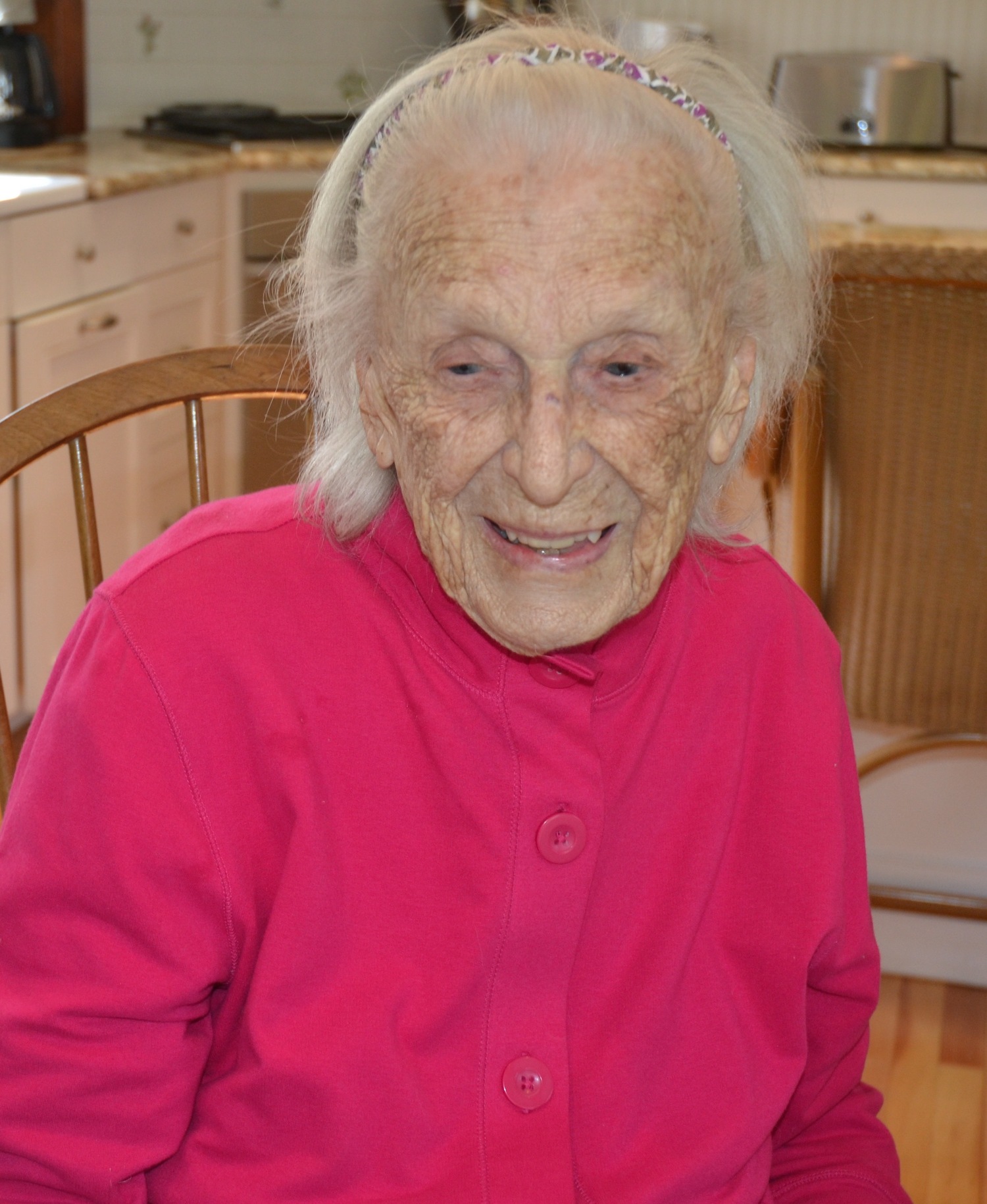
Ann Misiewicz Sieminski, the subject of Murray's talk at the event next week. COURTESY MEREDITH MURRAY
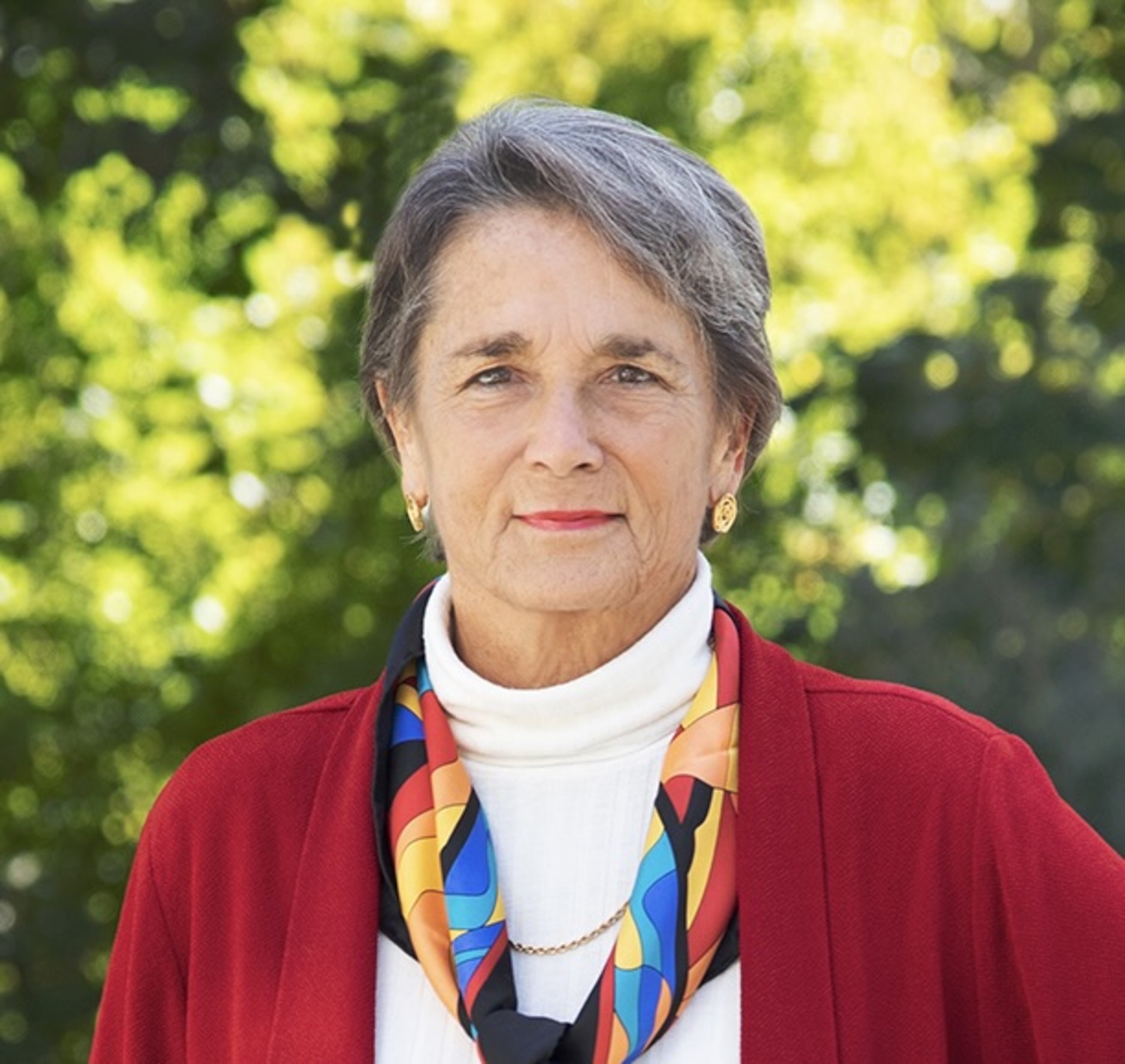
Tides of Time project participant Meredith Murray. COURTESY MEREDITH MURRAY
Some writers find that inspiration strikes them in the most unlikely of places. For Meredith Murray, it was a directory of members of the Quantuck Beach Club in Quogue, which she was looking at in the late 1990s.
What Murray didn’t realize at the time was that this would start an interest in doing oral histories and writing the stories of Quogue residents.
As a part of the Quogue Library’s “Tides of Time” oral history project, Murray, who has previously published oral histories of Quogue residents, will be one of the featured presenters at the kickoff event to be held next Wednesday, June 26.
Her presentation will be about taking oral histories, but it will focus primarily on Ann Misieweicz Simienski, a Polish woman who worked as the housekeeper for noted naval strategist Alfred Thayer Mahan’s family, whom Murray interviewed years ago.
Murray was working for People magazine, writing file obituaries, when she found the directory of members and started doing research into the origins of the beach club. After interviewing multiple older residents who shared their stories of the beach club and of Quogue in the early 1900s, she had so much information that she decided to write the book “Steamed Crabs and Cranberries: The Story of Quantuck Beach,” chronicling the stories.
Inspired by this experience, and husband Bob’s status as a member of the Quogue Historical Society, she started doing oral histories, with village residents talking about their stories of living in Quogue and how the village has changed over the years.
This led to her writing the book “Voices of Quogue: A Small Village Remembers the Way We Were,” a publication of the Historical Society.
Murray explained that oral history is at its best when it focuses on people’s stories of a particular time instead of merely listing dates and events.
“I think oral history comes alive when you talk about the people, not just the dates of when it was founded and whatnot,” she said. “Whether they were a Shinnecock Indian, a fisherman on the bays or whatever their experiences were, it just adds so much to the history of the community they live in.”
Doing oral histories has also allowed Murray, who grew up in Westhampton, to connect more with Quogue and its residents, where she and her husband have lived since 2012.
“I used to think, when I lived in Westhampton, that Quogue people only talk to Quogue people,” she said. “But now that I’ve met a great variety of people, I think it’s absolutely delightful.”
Murray chose to highlight Simienski at the event because of how in-depth her descriptions were of her memories when Murray interviewed her when she was 100 years old, specifically her “very vivid and dramatic” description of being in Mahan’s house during the infamous 1938 hurricane.
“When I interviewed her, her memories were still very vivid and she was still sharp as a tack at almost 100 years old,” Murray said.
For a village that she never thought, while growing up, that she would live in, and an interest that she hadn’t had, writing the oral histories of Quogue residents has been a rewarding venture for Murray and one that she said she will continue to cherish.


