


 5 Photos
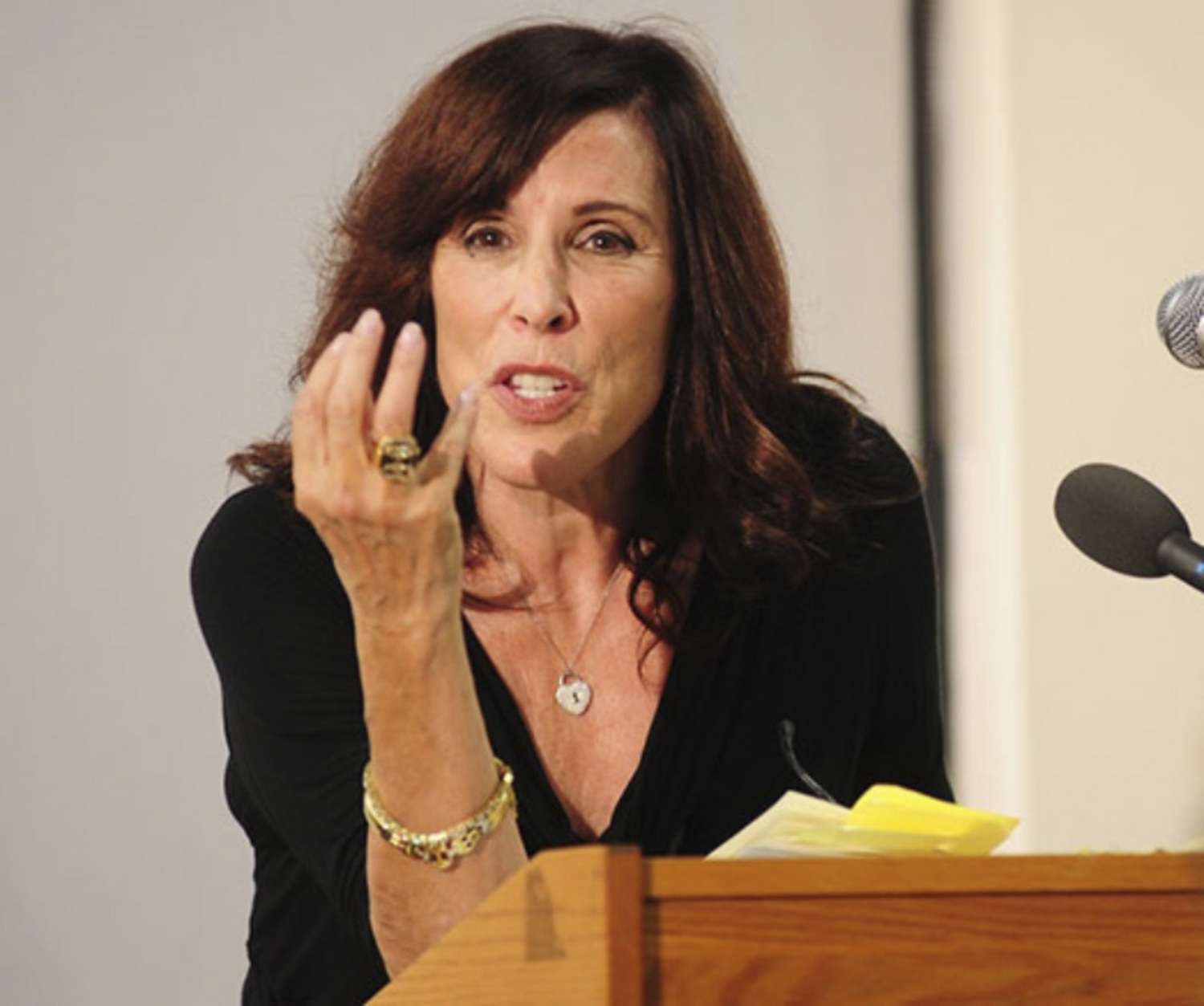
Merle Hoffman COURTESY MERLE HOFFMAN
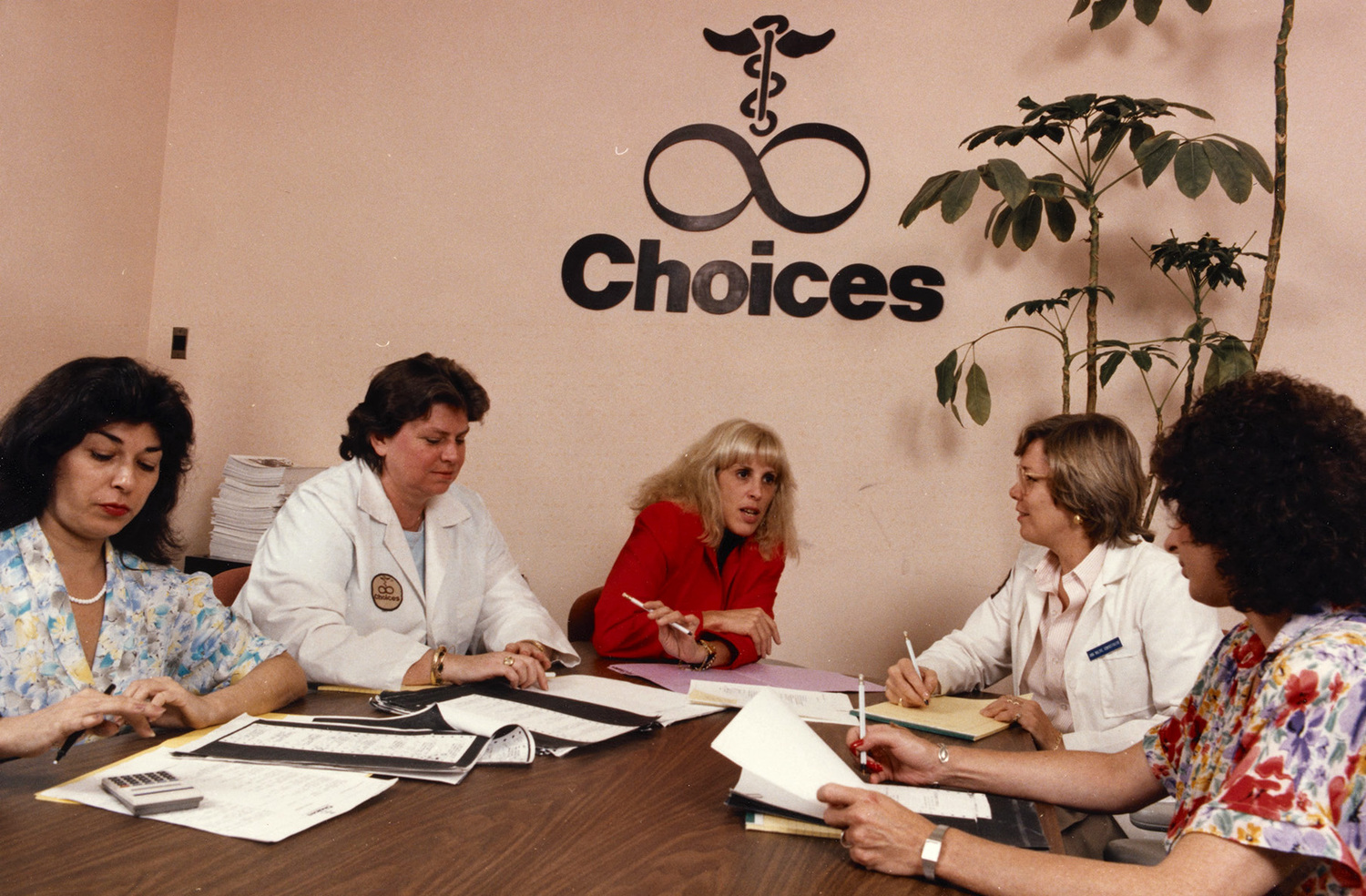
Merle Hoffman, founder and chief executive officer of CHOICES Women’s Medical Center in Queens. COURTESY MERLE HOFFMAN
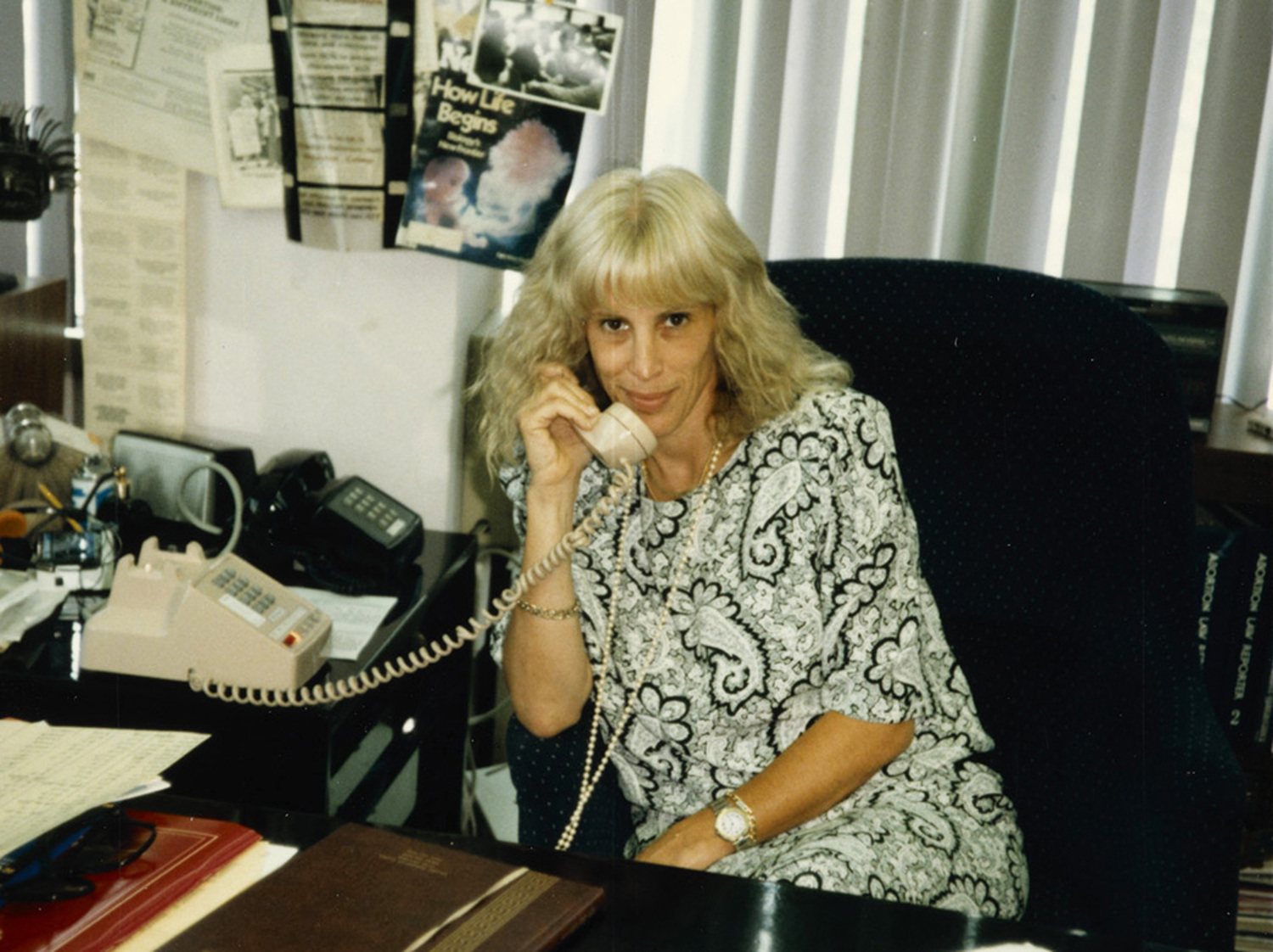
Merle Hoffman COURTESY MERLE HOFFMAN
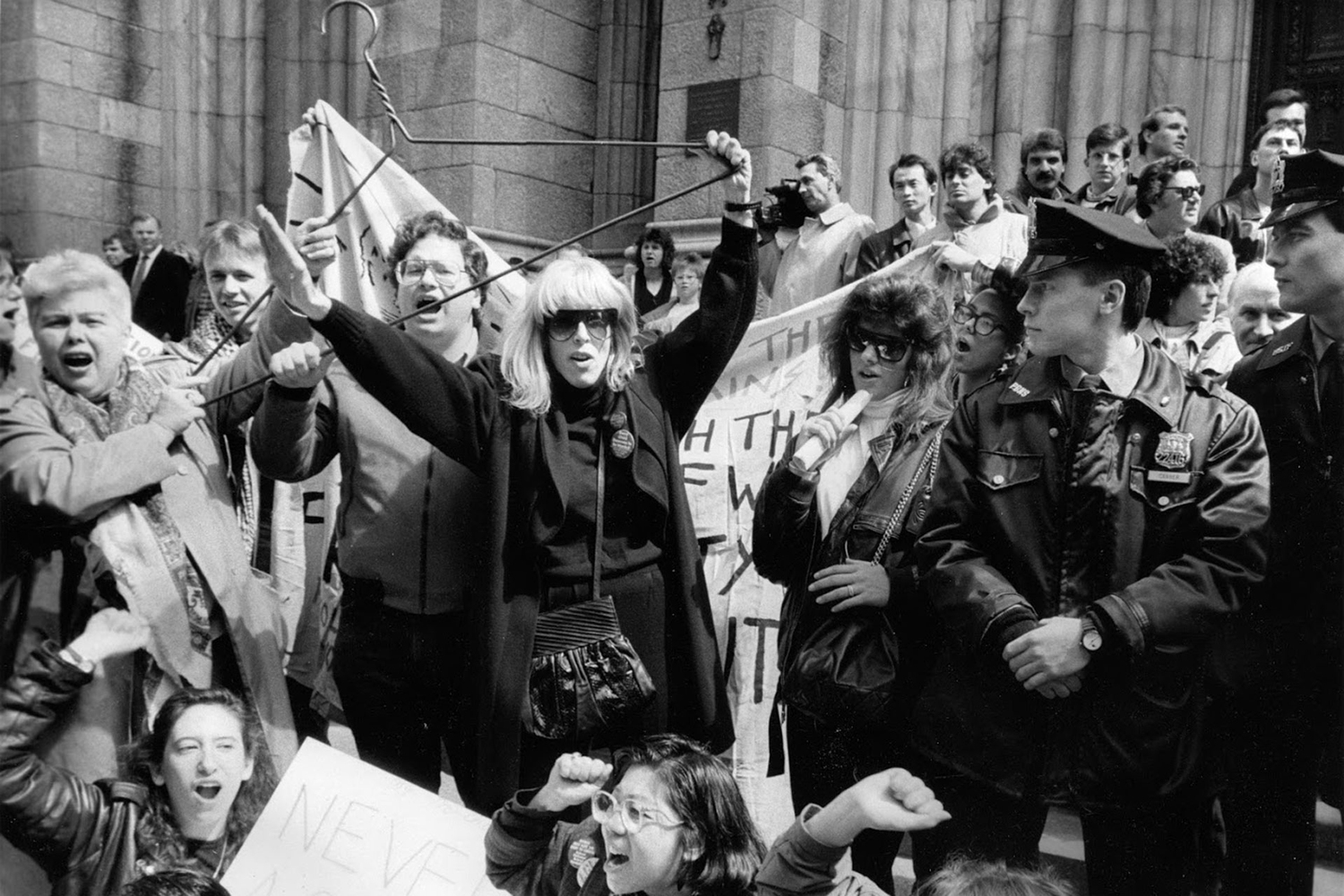
Merle Hoffman at St. Patrick's Cathedral, Pro-Choice rally in 1989. COURTESY MERLE HOFFMAN
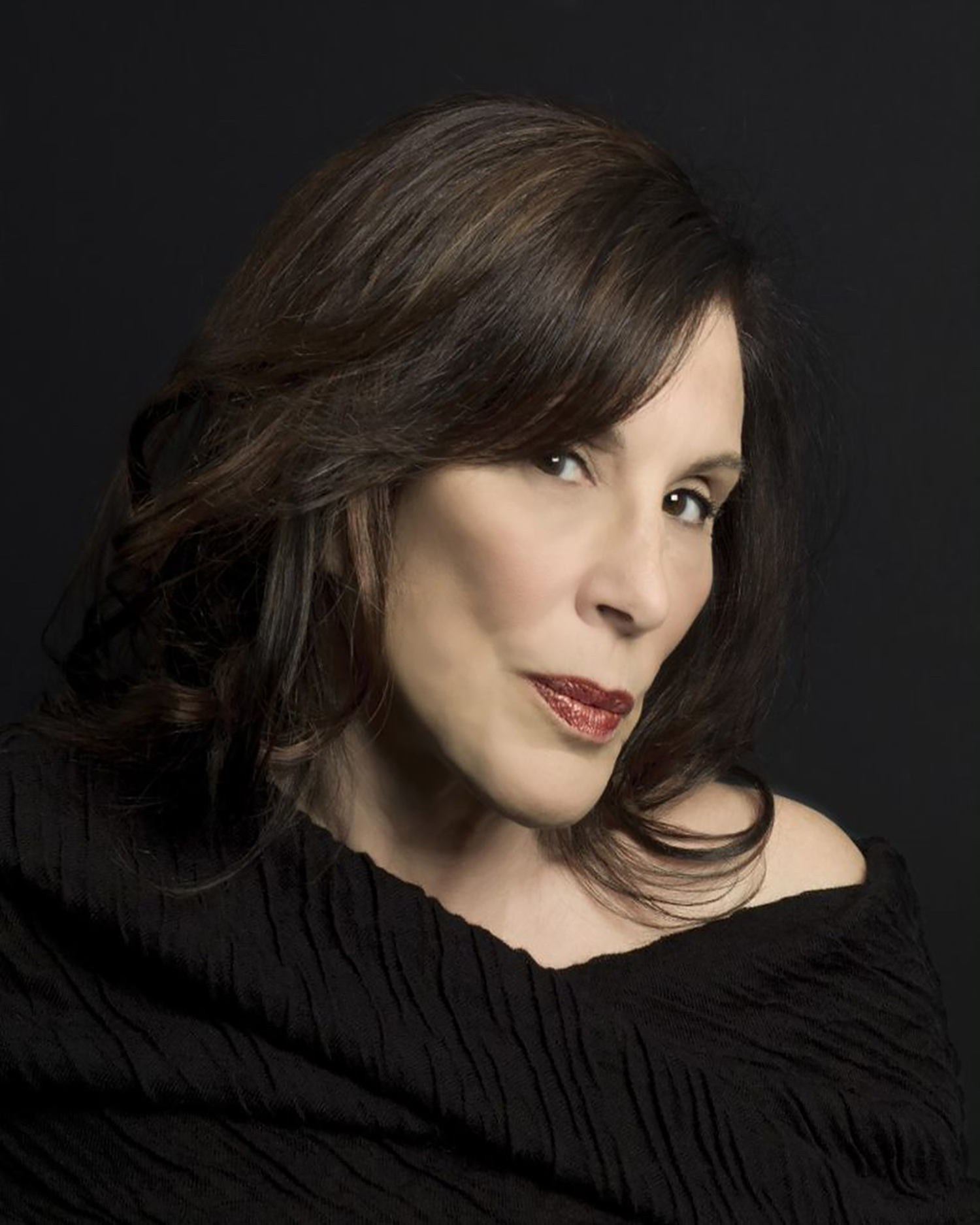
Merle Hoffman will speak about her new book and a career dedicated to defending reproductive freedom at the Barnes & Noble bookstore at the Bridgehampton Commons on Saturday. JOAN L. ROTH
Merle Hoffman has seen a lot in 50-plus years of activism for reproductive rights. Her life has been threatened, and she has been evicted more than once. Her friend and colleague Dr. George Tiller was murdered by an anti-abortion fanatic in 2009 during a church service, where Tiller was serving as an usher.
She helped to establish one of the first abortion clinics in the United States, two years before the Supreme Court’s 1973 Roe v. Wade decision, in which it ruled that the Constitution protected the right to have an abortion. And she is the founder and chief executive officer of CHOICES Women’s Medical Center in Queens, which provides abortions as well as prenatal care, all-options counseling, GYN visits, and mental health and trans health services.
More recently, in the wake of the Court’s 2022 Dobbs v. Jackson Women’s Health Organization decision, which abandoned nearly 50 years of precedent in overturning Roe v. Wade protections, she co-initiated Rise Up for Abortion Rights, which she describes as “the only radical group marching, talking, saying ‘this is happening — do something.’” She is also a co-founder of the National Abortion Federation.
Fresh from an appearance at the East Hampton Library’s Authors Night fundraiser on August 10, Hoffman will discuss her new book, “Choices: A Post-Roe Abortion Rights Manifesto,” with Jennifer Baumgardner at the Barnes & Noble bookstore at the Bridgehampton Commons on Saturday, August 17, at 4 p.m.
According to its publisher, Dottir Press, “Choices” covers topics including revamping the health care system to support women’s rights; combating rising authoritarianism; the weaponization of religion; fighting the “antis”; practicing courage; sabotage from within the movement; and activating the next generation in the fight for reproductive justice.
“I’ve been on the front lines of this war for a very long time,” Hoffman, who lives in New York City and East Hampton, said last week.
She wrote “Choices” almost immediately after the Dobbs decision. “It’s really my thinking about how we got here, why we are here, what we have to do, the necessity of people taking on the responsibility of political action as opposed to the performance of political action,” she said. “The necessity of taking responsibility for your choices — and this is not just on this issue, this is all over.”
America today is a vastly different place than it was in 1970, when abortion became legal under New York State Law.
“In a sense, it was salad days,” Hoffman said. “Abortion was legal in New York in 1970, and decriminalized in four other states. It was part of the feminist agenda and, for the first time, feminism as a philosophy. The architecture of some political reality could be made manifest in terms of having a clinic. Working in a clinic, being part of one, being around them, was the ultimate experience of being you, of being a feminist at the time.”
In the first year that abortion was legal in New York, 287,000 women came from other states to terminate a pregnancy. Abortion, Hoffman said, “was the real beginning of ambulatory care. Nothing was done surgically outside of a hospital, ever, and all of a sudden we had these clinics. Choices were relatively small, but there were two very large clinics in Manhattan seeing 300 patients a day. Abortion care was the precursor for all ambulatory care medicine in this country.”
Counseling was also pioneered at the time, she said. “There wasn’t any type of counseling,” she said. “You went to the doctor, told them your symptoms, usually the doctor was male.” Whereas, “we talked to women about, ‘This is what’s going to happen, you’re not going to die.’ We’d go through every single part of the process. It became an integral part of the counseling, then evolved to, ‘Have you thought about options? Are you supported?’
“It’s a very life-changing and profound decision for most women and girls. So it was, in a sense, a reluctant revolution, because it was made from the ground up.”
She is critical of both complacency, among voters, and opportunism, among politicians. Until Dobbs, people assumed that Roe was settled law, “as if laws could never be changed, or abused,” she said. “There was total belief in laws, instruments of justice, what they believed would be the bulwark against what eventually happened.”
When the Supreme Court agreed to hear the Dobbs case, “I very strongly felt that the end of Roe was a possibility,” she said, “which was why I co-initiated Rise Up for Abortion Rights, the only radical group marching, talking, saying, ‘This is happening — do something.’”
And when the decision was handed down, she said, “It was five minutes. I felt it and mourned it, and then tried to organize against it.”
More than just bodily autonomy, the right to an abortion is critical to full citizenship, Hoffman said.
“I believe very deeply that the right to decide whether or not to become a mother, a parent, and when, is as fundamental a right as the right to worship, the right to vote, of assembly,” she said. “This a right that transcends the states. I would even call it a universal human right that, without it, women will never be full citizens of their states, their community, and will never be fully free.
“People say ‘What’s your pronoun?’ I don’t use them, but I call myself a second-class citizen. If there’s one woman who is not free, I am not free.”
When the Dobbs decision was announced, she said, people told her, “‘You’re in New York — you’ll get more patients.’ I don’t want more! That’s not what this is about. But that’s what I find missing in the discussion. This is not just about access to health care, or a surgical procedure. It’s about rights. This freedom is embedded in women’s biology.”
But the effort to overturn Roe v. Wade began as soon as the decision was announced, and 49 years later the anti-abortion movement’s persistence paid off, thanks in large part to Supreme Court justices nominated by former President Donald Trump, she said. Evangelical Christians, who are among the most vociferous critics of abortion rights, are largely aligned with the former president and his party.
“I’ve said and believe that religion is the cloak that misogyny puts on,” Hoffman said. “There is a real fear and very often a hatred of women and their reproductive capacities.
“I know the truth about what this is, what it means, the right to legal abortion for more than half the population of this country,” she said. “That means until every single person has the ability to choose whether or not and when to become a parent, they are second-class citizens.”


