


 2 Photos
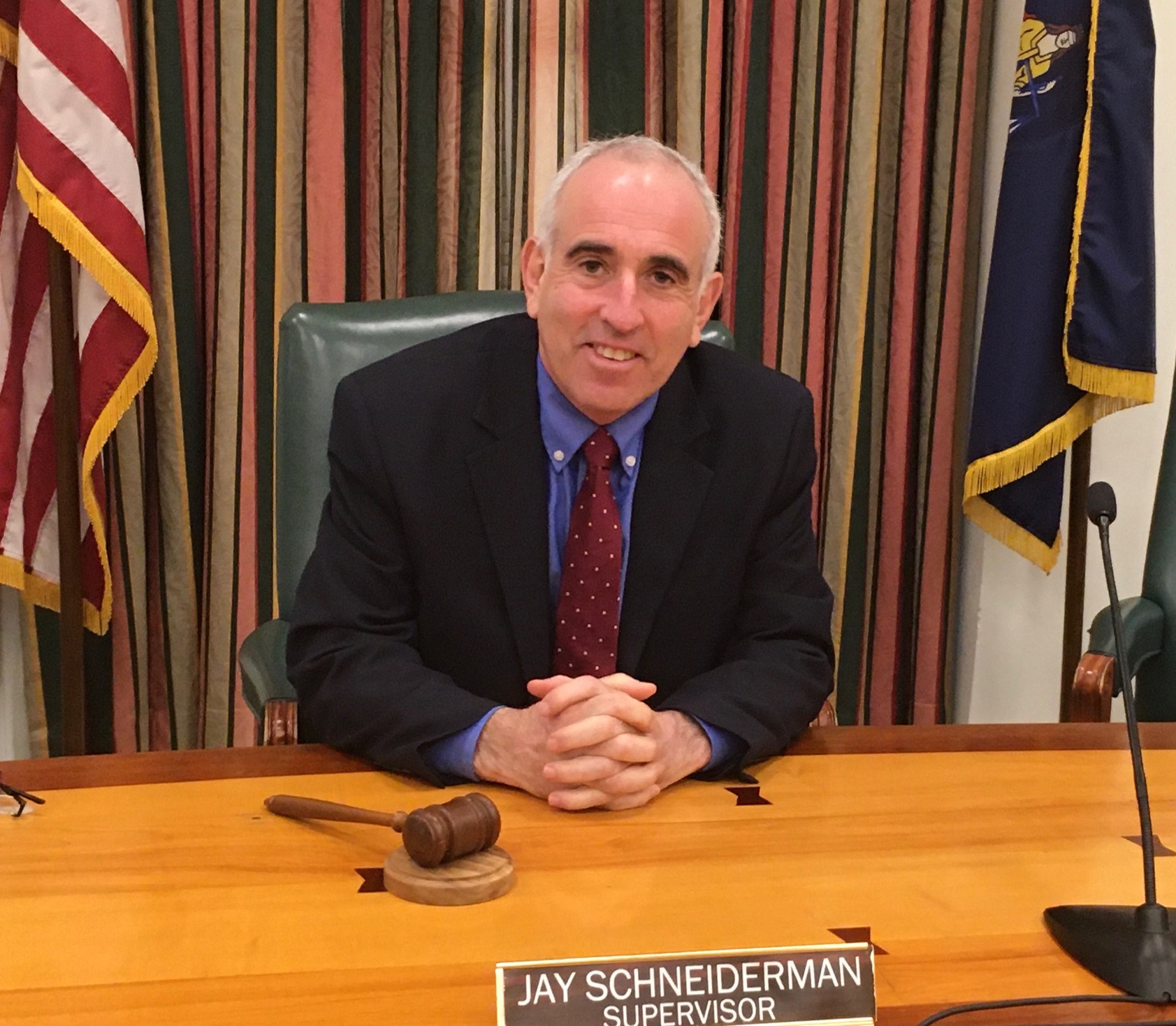
Southampton Town Supervisor Jay Schneiderman.
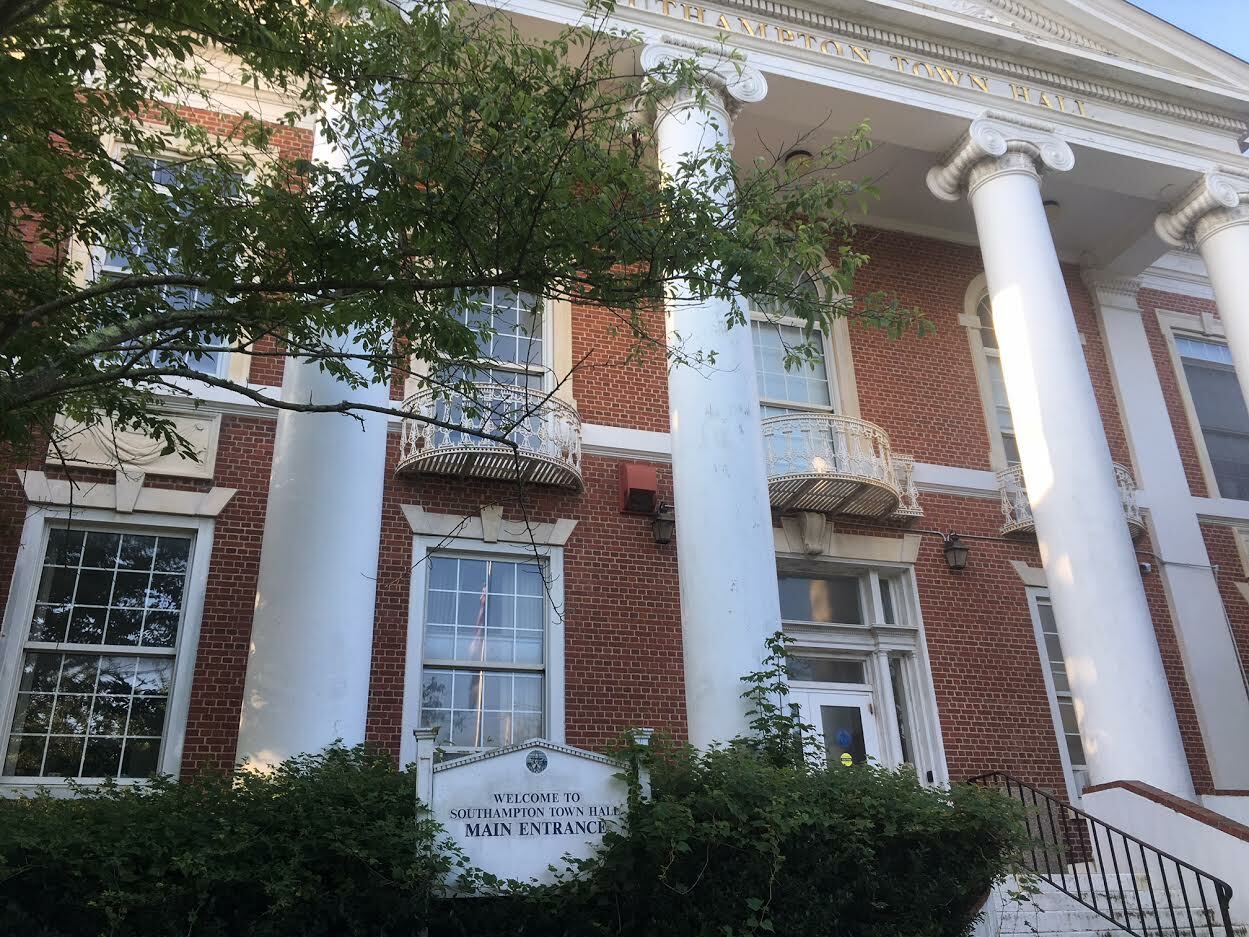
Elected members of the Southampton Town Board may be spending extra time at Town Hall, if they go back to having more frequent work sessions.
For 30 years, members of Southampton’s town boards discussed agenda items for upcoming votes during work sessions held days before the official board meetings. This year, Supervisor Jay Schneiderman stopped the practice instituted in 1992 by then-supervisor and now New York State Assemblyman Fred W. Thiele Jr. On Tuesday, September 13, he brought it back.
“The previous Town Board had fallen into the habit of walking things on the agenda, last minute. We campaigned on openness and transparency,” Thiele recalled this week, explaining why he instituted the practice.
Agenda items had to be submitted by the end of the day on Thursday of the week before the regular meeting. “We’d have a work session on Friday to go over the draft agenda for Tuesday,” Thiele said. “There were times when an emergency or time sensitivity would necessitate a walk-on, but everyone had to agree.” Board members would have to vote to allow a last minute measure to come up for a vote, a practice that continues to this day. “We didn’t do many walk-ons in my time,” he said.
A Town Board meeting this summer saw 10 walk-on resolutions and, ironically, this week Schneiderman added a last minute resolution geared toward resuming the former policy. It was adopted unanimously.
“This adds a few more work sessions to our agenda,” Schneiderman said. He said he thought the new agenda was “working okay,” and said his schedule can be revisited when it comes time to set meeting dates for 2023.
“We’re just finishing up a four-hour meeting, this will help with that,” Councilman Tommy John Schiavoni offered. He’d expressed reservations about cutting back work sessions when the idea was first broached. “There is a use,” he said, for having weekly work sessions. They’d meet goals of efficiency and transparency, the councilman believes.
The inability to discuss items set for vote publicly means they have to be debated at the dais, often causing regular meetings to drag on.
Speaking to The Press earlier in the day, Councilwoman Cynthia McNamara expressed displeasure with the volume of last minute, walk-on resolutions that arise. Often, the resolutions, like the purchase of the former racquet club on Flanders Road or a measure seeking contractors to develop the old Bel-Aire property in Hampton Bays, have been in the works for months, if not years, she noted. Confronted with last minute votes either through walk-on resolutions or agenda items the board never discussed together is frustrating.
“It’s too much,” she said. “How am I supposed to prepare?”
The planned hearing on the environmental study and code change request for the Liberty Gardens affordable housing project was an example.
“I have a lot of questions. Not having a work session on this is awful.” McNamara said.
Without a work session dedicated to the project, she’d face asking questions during a board discussion before the public had the opportunity to comment at a hearing that’s supposed to be about receiving input from the community.
Asked about the decision to cut the work session, and particularly the agenda review, Schneiderman pointed out that East Hampton Town doesn’t follow the practice and neither does the Suffolk County Legislature. However, the legislature follows a committee process, so measures are discussed openly, often for months, before they come to the lawmakers for a vote.
And in Southampton, for seven of the nine months under the new schedule, special work sessions were called due to pressing matters.
Lacking the opportunity to discuss agendas and issues at a work session in advance of votes, “makes it a little difficult,” Councilman John Bouvier admitted. He and Councilman Rick Martel both said they ask staff involved in specific measures questions directly once they receive the draft agendas on Thursdays. Schiavoni acknowledged that board members sometimes discuss agenda items amongst themselves via email. “That has happened,” he said. “I don’t know how prevalent it is.”
“The lack of transparency in their deliberations will only add to the public’s distrust and lack of confidence in our town government,” said Hampton Bays resident and board watcher Ray D’Angelo. “This apparent new protocol only increases our suspicions of a board not interested in doing the will of the people but to implement their own agenda.”
“It’s just another way to disenfranchise the public,” another board watcher, Frances Genovese, offered.
“One would think, after the revelations of ‘Contractgate’ that the board would collectively make an attempt to restore confidence and credibility to their meetings,” D’Angelo said, speaking of the recent scandal involving a contract with the consulting firm Nelson Pope Voorhis that contained offensive language targeting those opposed to the Hampton Bays Downtown Overlay District.
To the issue of transparency, another resolution on Tuesday night’s agenda looked to enhance openness. The firm H2M Architects + Engineers requested an exemption from the Town Code of Ethics that, according to the resolution, states, “in order to avoid potential conflicts of interest, a Town consultant shall not appear on behalf of any other clients before the Town during the period of service to the Town by the consultant, unless the Town Board has expressly authorized an exemption for said consultant.”
The firm won the bid to provide services to the town for the Lobster Inn Park project design at an estimated cost of not to exceed $179,430. The firm also does work for clients with applications before town permitting boards, as do many outside consultants hired by town officials.
Questioned about the resolution via email, Town Attorney James Burke replied, “My understanding is that this is the first time we have addressed this issue with a contractor. The request came from H2M to seek the waiver which is the correct thing to do. I will be speaking with the Town Board and [deputy town attorney] Kathleen Murray and other attorneys in our office here to discuss how we should move forward, but our town engineer brought up a very valid point that the reality is that most if not all professional services outside contractors that the town use also do other work within the town so the result of restricting the contractors may be that the town may lose the services of all or most of our qualified professional service contractors. We will discuss further to either formally request each contractor seek the waiver as H2M has properly done or possibly revisit the requirements in the contract.”
The Ethics Code section applies to contracts in excess of $25,000 and takes into account the special expertise of a consultant as well as “The impact such appearances may have on the public trust.”
As officials strive to restore public confidence following the NPV contract debacle, McNamara predicted, “We’re going to be seeing more of these.” Like Burke, she noted, however, if a waiver process didn’t exist, “We would really limit ourselves.”
Schneiderman agreed.
“Nobody would work for the town,” he said. Speaking specifically about H2M, he opined, “It’s not fair to say the engineering group can’t work for any other clients in the town.” Working for other clients in Southampton Town would be acceptable, the supervisor observed, but working for a neighbor of the project would be a conflict.
Schneiderman believes the code provision is designed to prevent “the appearance of an inside track.”
“Good for them for reading our code,” Schiavoni said, noting the firm proactively requested the waiver. “I think it’s entirely appropriate and we’re going to talk about it today,” he said in advance of the meeting.
They didn’t, at least not publicly. The resolution passed without comment from members of the Town Board.
Officials at H2M responded swiftly to a request for comment, but the project manager was not immediately available to offer a statement.


