


 2 Photos
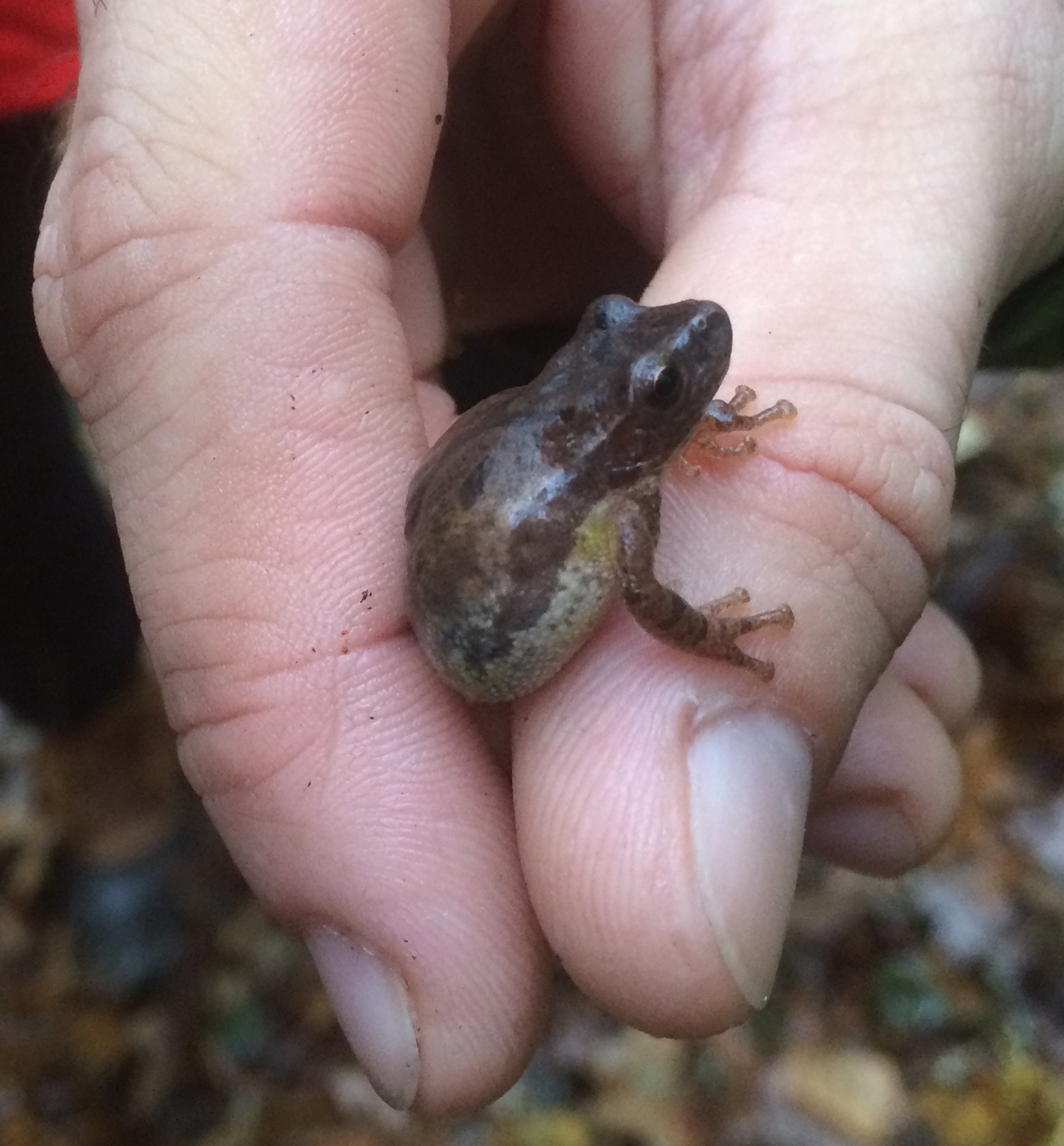
The warm weekend prompted a few spring peepers out of their winter hibernating sites and into vernal ponds, where they were heard singing.
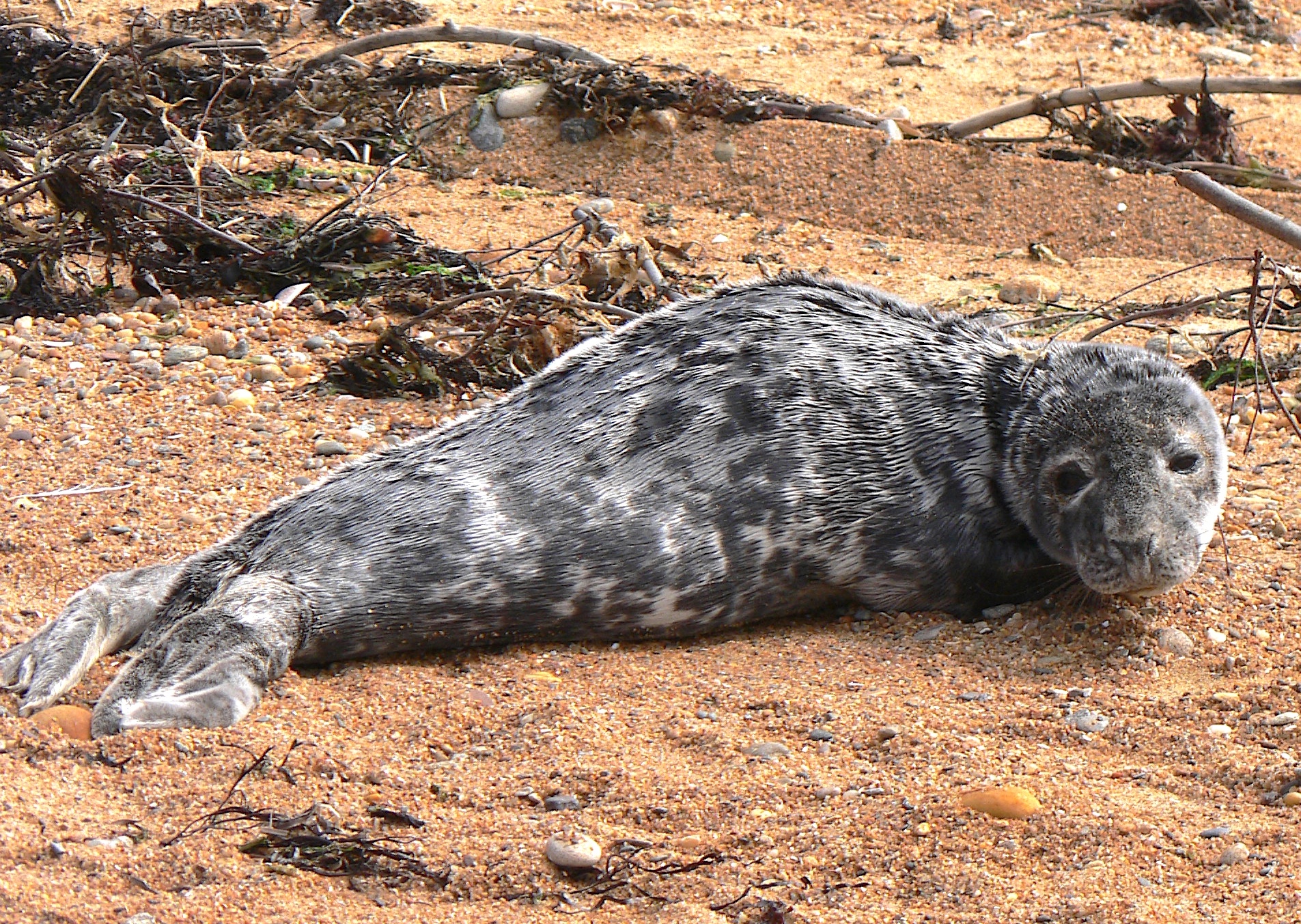
Many gray seal pups born last month near Nantuckett have weaned and are on their own, leaving their moms free to mate this month.
This past weekend was the biannual Montauk Natural History Weekend sponsored by the New York City chapters of the American Littoral Society (“littoral” as in “of, relating to, or situated on a shore”) and Audubon Society. Jamaica Bay Guardian Don Riepe has been leading these popular trips for approximately 40 years, one on a January weekend and one on a late May or early June weekend.
The winter weekend’s focus is on seabirds. Montauk is the winter destination for thousands of birds that nest in the far north and congregate here in our ice-free waters to dine on fish, bivalves, crabs and other crustaceans that inhabit the rocky nearshore waters of the East End. Common and red-throated loons, red-breasted mergansers and common eiders were sighted swimming and diving among small flocks of long-tailed ducks and large rafts of black, white-winged and surf scoters. Many folks were also thrilled to get a good look at one of our Alcid family species, the razorbill or lesser auk, the closest living relative of the extinct great auk.
Also on the agenda is a walk out to the seal haulout site east of Oyster Pond. Wind and tide conditions are key in planning this outing in order to have the best chance of viewing seals basking on one of the dozens of glacial erratics exposed at low tide. This aquatic marine mammal is well suited for life in the water, but time out of the water in a safe spot ashore is key for keeping marine skin parasites at bay and plays a role in reducing energy demands via thermoregulation. 31 seals, one a gray seal and the rest the much smaller harbor, seemed to be enjoying the 60-degree air temps on Saturday afternoon as they lounged comfortably on the hard granite in their well-cushioned, blubbery suits.
Most gray seals were probably still at their southernmost North American pupping site, Muskeget shoals off Nantuckett Island, where some females are still in the process of giving birth and nursing pups, while others, having completed their motherly chores, are performing the annual mating ritual with suitable males. Although seals will occasionally wander south of here, Long Island is at the southern range limit of these species. Their populations have been increasing since seal bounties were banned in the 1960s and the Marine Mammal Protection Act was passed in 1972, and it will be interesting to see if this increase here will contract as sea temperatures rise.
My favorite outing of the weekend was a trek through the Walking Dunes, an area I love visiting at all times of the year. We scanned the vast grassland and marsh area extending out to Goff Point for snowy owls, to no avail, but the hike through the interesting dune landscape, a mosaic of dune heaths, swamps, freshwater marshes and cranberry bogs, vernal pools, pitch pine groves and oak-hickory forest was beautiful. The sandy substrate was perfect for studying wildlife tracks, and we had great examples of the prints and gaits of raccoon, Eastern cottontail, opossum, white-tailed deer and crow to examine. The most interesting wildlife “sign” was the call of spring peepers from nearby wetlands.
The weekend was topped off with a visit to Accabonac Harbor and the sighting of its newest breeding resident: the bald eagle.


 Mike Bottini on Jan 13, 2020