


 2 Photos
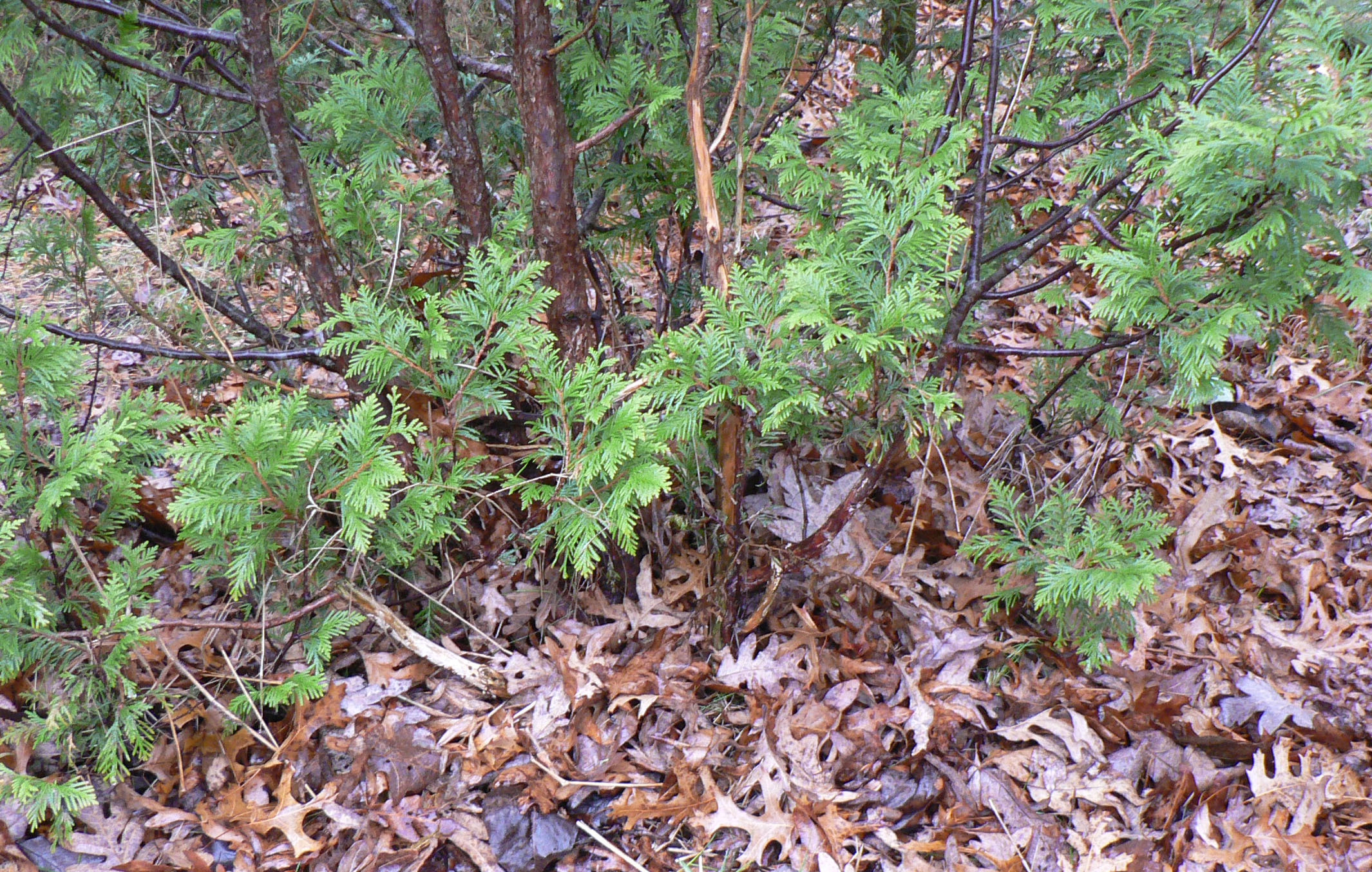
After serving their function as nature’s solar collectors, leaves drop to the ground and function as nature’s long underwear through the winter.
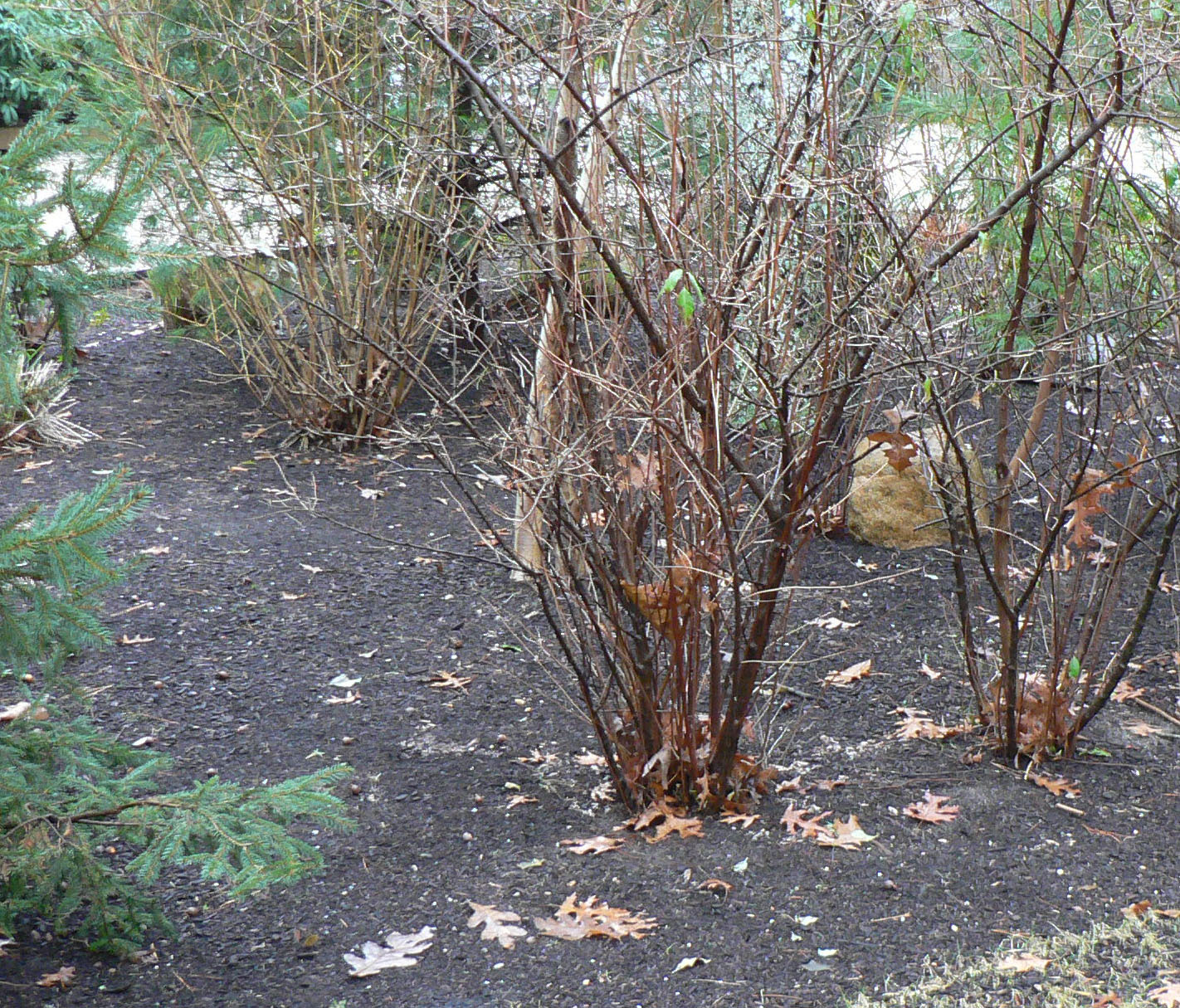
Removing the leaf litter exposes the soil community to extreme winter temps and desiccating winds. MIKE BOTTINI
It’s 8:30 a.m. on Sunday morning, December 15. I’m enjoying a cup of coffee, watching the skies slowly clear after two days of on-and-off rain. A west wind gusting up to 35 mph is setting the bare-limbed trees and shrubs out back into a frenzied motion. And then the neighborhood leaf collectors arrive next door, and the deafening roar of leaf blowers commences. A nice morning ruined.
I look out back at my small 300-square-foot patch of leafless grass and wonder, “What are they doing?” Autumn winds had driven the oak, beech, tupelo and birch leaves off the lawn and into the adjacent shrub and treed areas weeks ago. Ahhh, the leaf blowers are busy clearing the shrub and flower beds, pushing the leaves out onto the bare lawn and herding them toward the street to be loaded up and carted off. Most likely to the dump, where they’ll be composted over the winter, reloaded into the truck in the spring, carted back to their point of origin and spread out as mulch over the shrub and flower beds.
But perhaps not. I’ve noticed some leaf collectors dumping their collection of leaves on convenient vacant lots, including The Nature Conservancy, Peconic Land Trust, state, county and town nature preserves. Unfortunately, many inconspicuous seeds from the garden hitch a ride along with the leaves and begin the process of converting the natural areas into patches of invasive, non-native vegetation.
There’s also the few but growing number of leaf collectors who, noticing the unoccupied house across the street, herd the leaves right past their empty truck, over the pavement and onto the neighbor’s lawn. Nice!
Aside from the obnoxious noise, dust and air pollution that has prompted many people across the country to join “Ban the Blower” campaigns, this annual routine just doesn’t make sense from an ecological perspective and professional landscapers should know better.
Leaf litter is nature’s long underwear, donned anew every fall as one of many processes to prepare for the rigors of winter. The light, freshly fallen leaves form a spongy layer that traps heat radiating up from the earth and insulates the soil, soil organisms, and plant roots from cold winter temperatures. It also protects the soil and plant roots from desiccation by trapping in moisture. And in the event of a hard rain, the leaf litter protects the soil from erosion. Why remove it during the season when it is most needed?
Leaf litter also functions as an important wildlife habitat, and this can be valuable even in the developed areas of Long Island. For example, among the creatures that reside and forage in the leaf litter on my third of an acre lot in Springs are red-backed (gray phase) salamanders, spring peepers, gray treefrogs, Eastern box turtles, garter snakes, Eastern chipmunks, rufous-sided towhees, and a variety of other ground-feeding birds, including the recently reintroduced wild turkey. Many of the reptiles and amphibians in this group also rely on the leaf litter as the uppermost protective layer of their winter hibernacula.
Although over half the plant nutrients in leaves are transported out and stored for reuse before the leaf is cast off, leaf litter is still relatively rich in nutrients and minerals. This gets recycled into the soil by a large and diverse community of organisms, many of which are microscopic, and eventually reused by plants.
As the eldest of my siblings, as soon as I could handle a rake I was put in charge of getting the leaves off the lawn every fall. My approach was to do two passes over the lawn: the first when the deciduous trees had dropped most of their leaves and a second, much easier final cleanup a few weeks later. Everything was raked into the small vegetable garden and run over with the lawn mower. The shredded leaves remained there all winter as compost.
I’m not sure what’s going on here in the Hamptons, but the weekly leaf blowing routine has gotten ridiculous. Are homeowners demanding a weekly leaf roundup from their landscapers? Homeowners should recognize their role in the neighborhood as stewards of their respective properties, and take responsibility for the impact of their actions and those of their maintenance crews. This also applies to the use of pesticides and fertilizers.
If homeowners look at leaves on the ground and see them as an eyesore, they should reconsider their relationship with leaves, and recognize the cumulative impact their annual autumn routine has on their neighborhood and neighbors. In the meantime, I urge readers to support local efforts to ban the blowers.


 Mike Bottini on Dec 15, 2019