


 3 Photos
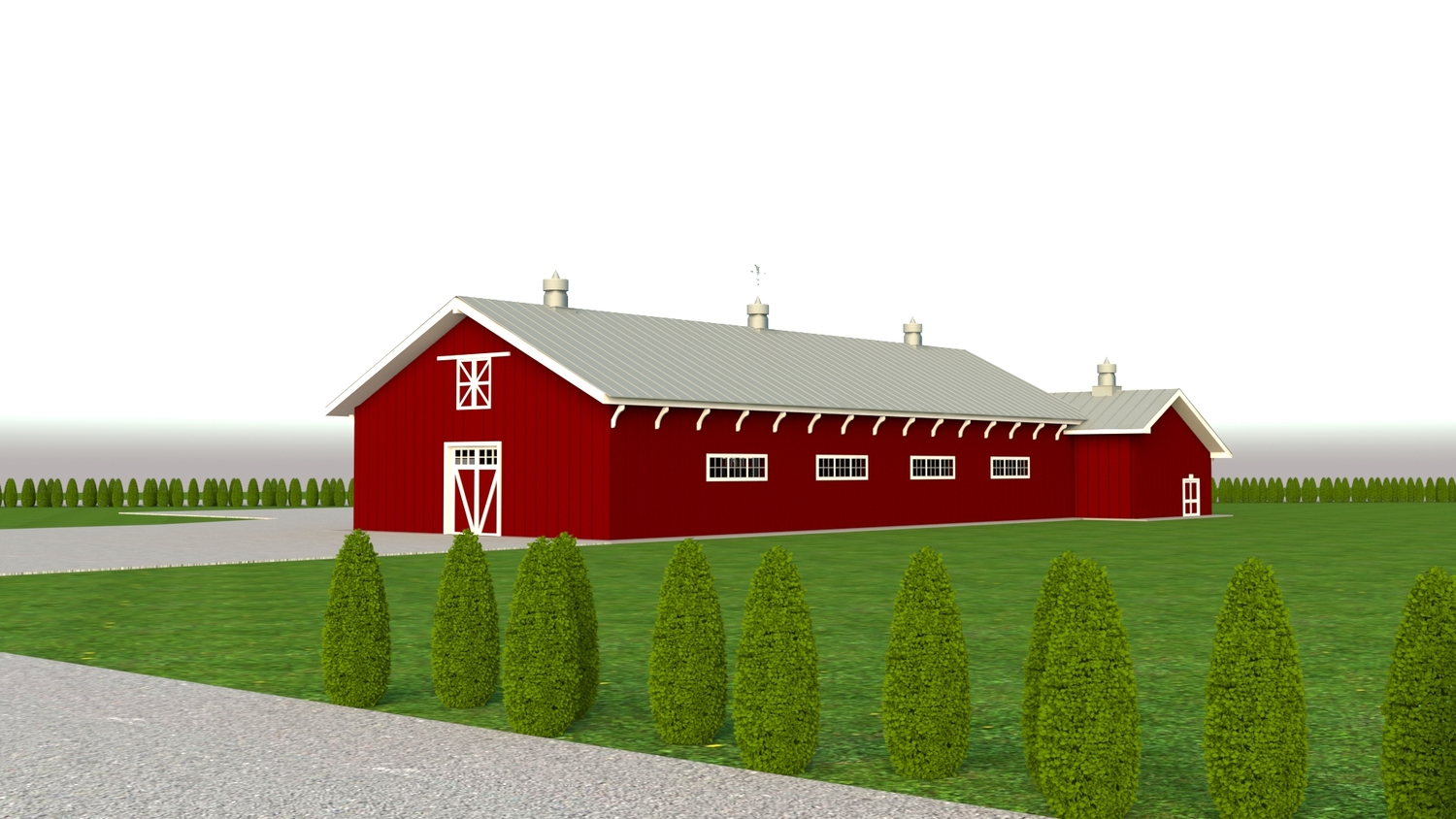
Renderings, presented at the Southampton Village Board work session on May 23, showed what an enclosed sewage treatment facility would look like.
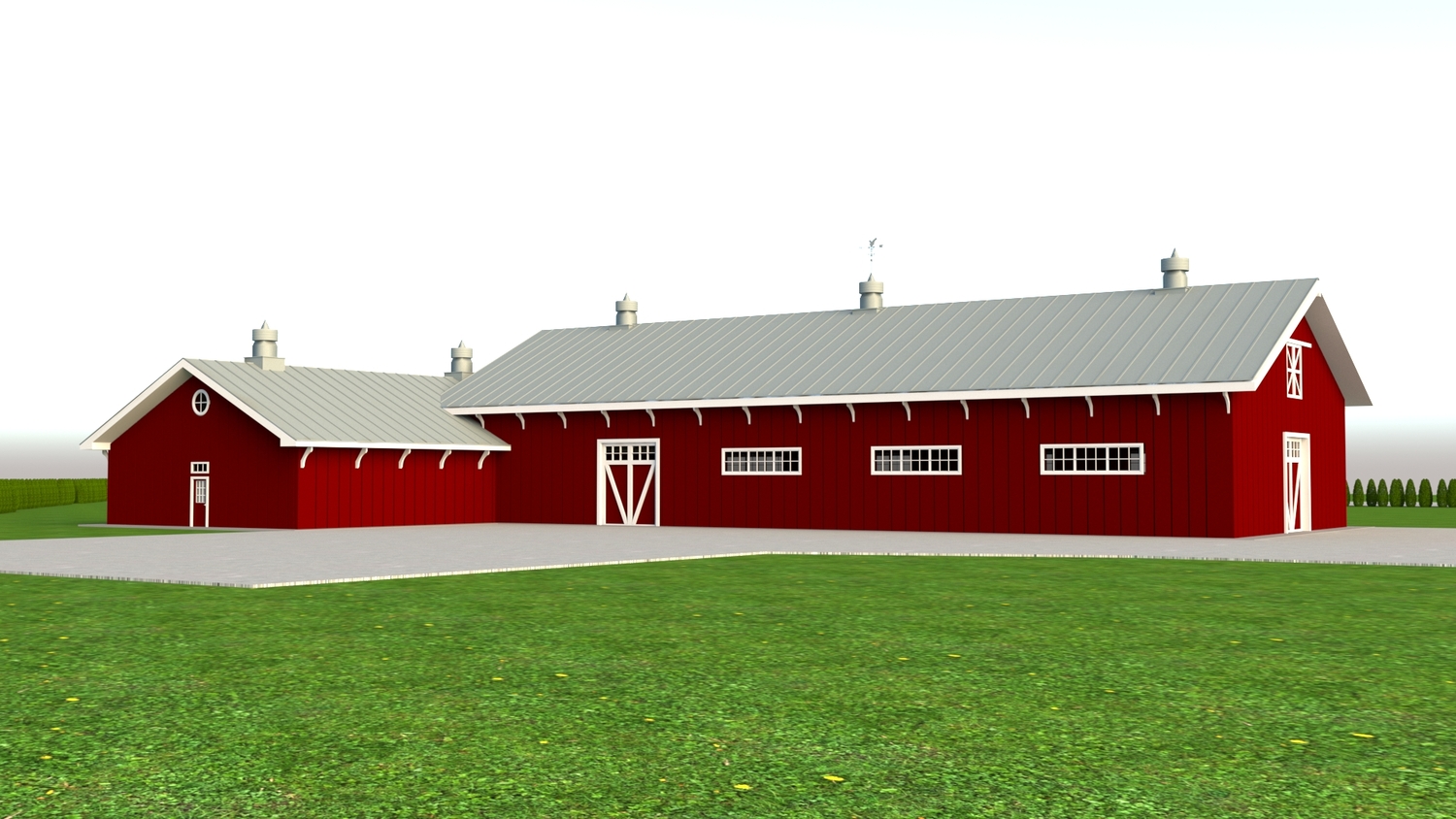
Renderings, presented at the Southampton Village Board work session on May 23, showed what an enclosed sewage treatment facility would look like.
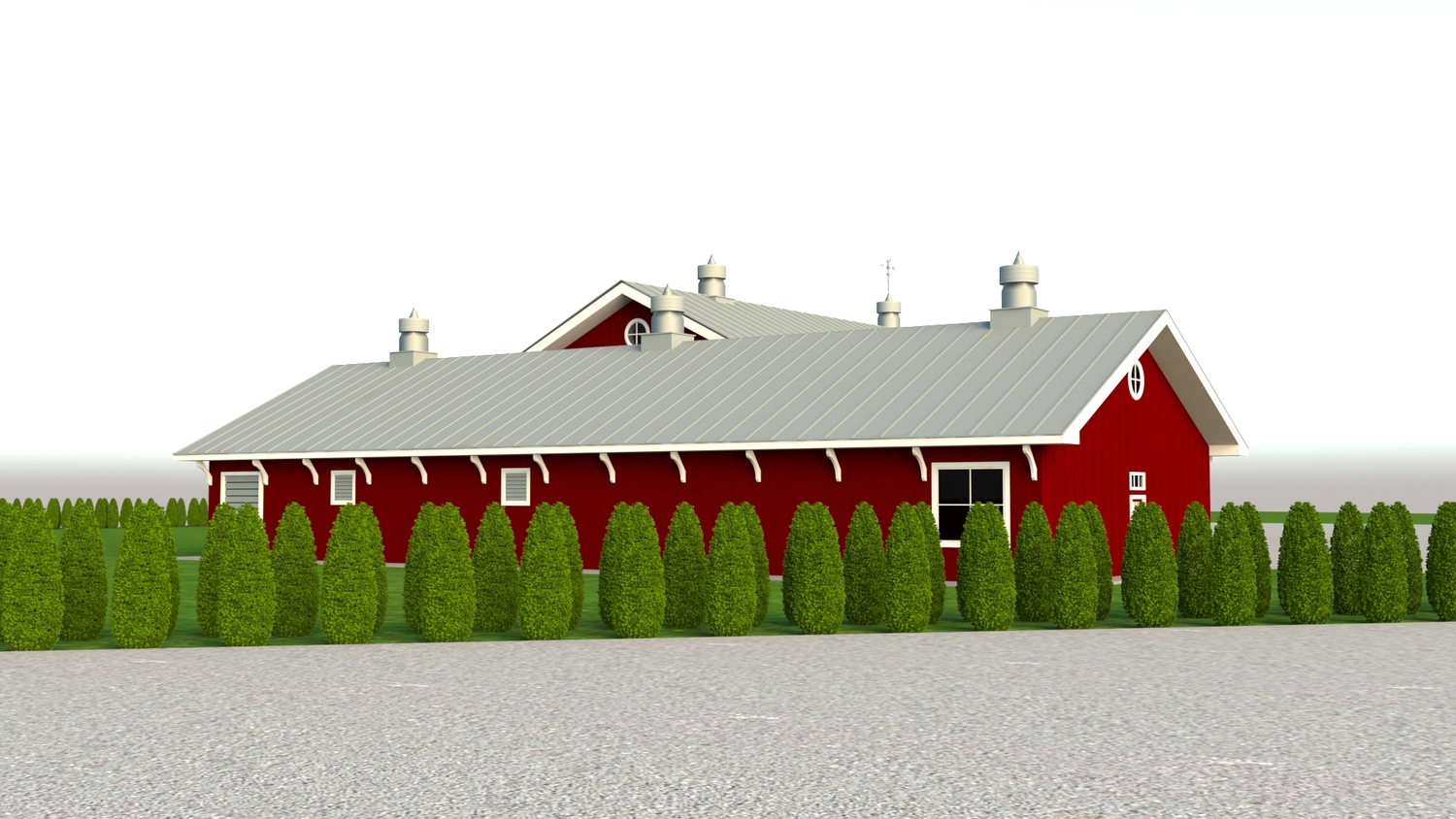
Renderings, presented at the Southampton Village Board work session on May 23, showed what an enclosed sewage treatment facility would look like.
“This is necessary — we have to do this.”
Those were the words of Southampton Village Trustee Roy Stevenson at a May 23 work session after engineers Paul Travis and Adriana Restrepo concluded a presentation on the work and findings of the Village Sewer Task Force, which, for the past two years, has been trying to find a way to make a sewer district a reality in Southampton Village.
The presentation was initially meant to deliver happy news to village residents — that the task force had finally found a suitable site for a sewage treatment plant and could proceed with a timetable that would have had construction on the sewer district beginning in late October 2026.
But that plan was essentially killed when residents living near the proposed site at 1 Bowers Lane, located outside of the village, caught wind of the plan to construct a facility there and exerted enough pressure on the Southampton Town Board — which has committed to helping the village fund the cost of purchasing a site with Community Preservation Fund money earmarked for water quality improvements — to make the deal fall apart. Many argued that it would be unfair to site the plant in their neighborhood instead of on a site within the village boundaries.
While some of the work that has been done thus far will remain relevant regardless of which site is ultimately chosen for the sewage treatment plant, in many respects the task force has been forced back to the drawing board when it comes to the project, and with no clear alternative in sight.
During the presentation, both Restrepo and Travis outlined the enormous challenges the task force has faced, and will continue to face, in finding an appropriate site for the plant, which is key to making the sewer district a reality.
A parcel of land must be large enough to accommodate both treatment and disposal — the leaching field — and must clear all the siting constraints and setbacks imposed by the Suffolk County Department of Health Services.
Sites that have been preserved as open space by CPF were taken off the table because of the challenge of changing the use. Hooking into an existing treatment plant at Stony Brook Southampton Hospital wasn’t a viable option, either, because it simply does not have the capacity to handle the volume of flow that would be produced. Other sites were deemed inappropriate because they would have impacted Suffolk County Water Authority facilities.
Other factors were involved as well, and after many months of reviewing every vacant parcel in the village, the task force concluded that none of them met the necessary requirements to move forward, which is what led them to consider a site outside of village boundary lines.
Both Travis and Stevenson, at one point during the presentation, acknowledged the uphill battle the village faces in finding an appropriate site, while also emphasizing how crucial it is to continue trying.
“The critical issue here that we’re dealing with is how we can clean up groundwater on the East End,” Travis said. “It’s an issue every village is dealing with.”
Restrepo pointed to the harmful algae blooms in Lake Agawam, and the massive effort it has taken to try to restore the health of that lake, as a main reason why the sewer district is so important to implement, pointing out that the vast majority of nitrogen that enters the lake and causes those algae blooms comes from wastewater from septic systems.
The presentation was meant to not only educate and inform residents on the vital necessity of creating a sewer district but also to inform them of what has been done so far.
The map, plan and report have been completed, which includes boundary delineation, projected sewage flows, conceptual design of conveyance (pump stations), as well as treatment and disposal components, and the estimated costs and debt service.
The village will be eligible for grants which could significantly bring down the estimated $55 million total cost, likely by at least 50 percent, according to Travis.
Travis also spent a lot of time attempting to debunk myths and negative connotations that he said the public often holds about sewage treatment plants. He cited the sewage treatment plant at Stony Brook Southampton Hospital as an example.
“One thing that really struck me about the hospital plant is that none of the neighbors know it’s there, and it’s been operating for years,” he said. “So it’s very interesting in terms of the reality of these plants versus what I think the public perceives these plants are. That plant has been in the village for decades, and I think unless you’re a sewer wonk like us, you don’t know it exists. It’s just a brick building — there’s no smell.”
Travis and Restrepo shared information and renderings that had been prepared with the Bowers Lane site in mind, making it clear before showing those slides in their presentation that the site was off the table, but saying that giving a sense of what a facility would have looked like there and the impact it would have had was still a valuable exercise to give residents a sense of what the plan could look like once another site is chosen.
Preliminary plans for a 10,000-square-foot enclosed, barn-style building that would house the treatment system were shown, and it would be surrounded by both buffer vegetation and trees, as well as a large lawn area that would cover the leeching field. Travis pointed out that in many states — including those with water shortage issues, like California — the water that is treated and comes out of the plant is used for irrigation.
Mayor Jesse Warren pointed out that the owner of the property had been in the early stages of trying to get permitting to build luxury condos on the site, and both he and Travis said that the sewage treatment plant would have been a much lower density option for the site.
“We have a clean water emergency,” he said. “We can’t keep putting our waste in the ground. If we don’t get a clean water infrastructure, we’re never going to have scallops in Peconic Bay, and we’re never going to not have toxic algae blooms in Lake Agawam.”
He lamented the fact the village could not give the presentation before the location at Bowers Lane “became such a hot-button issue.”
He said the good news is that while the site at Bowers ultimately was removed from the equation, Southampton Town has reemphasized to village officials that it remains committed to helping the village find a suitable site.
Stevenson pointed out that both Southampton Village and Southampton Town residents have common interests, and he urged people not to divide themselves into two camps.
“Unless we work together instead of pointing fingers, none of this is going to get done,” he said.


 Cailin Riley on May 31, 2023