


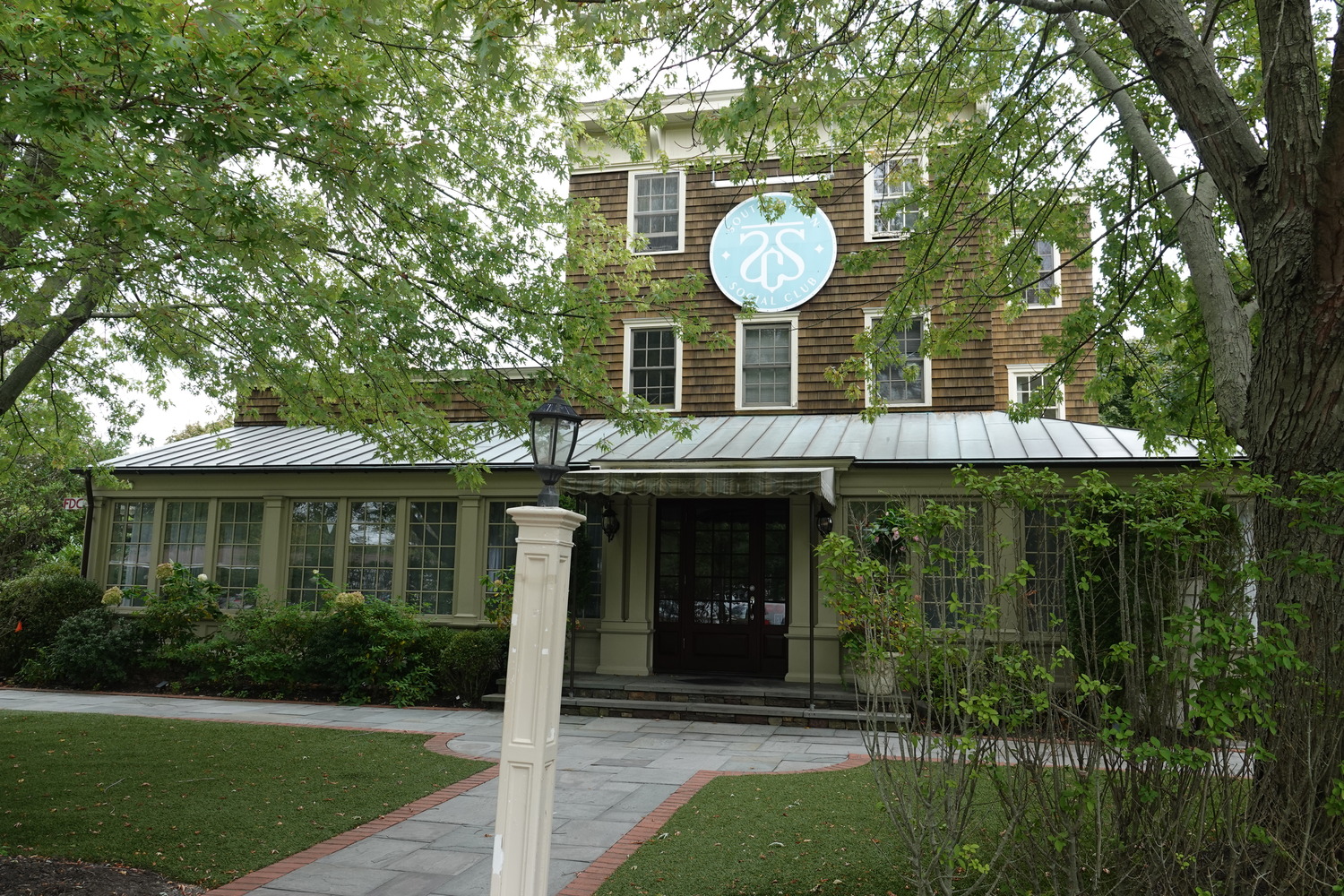
 2 Photos
Residents of the neighborhood surrounding the Southampton Social Club traveled to New York City last week to appeal in person to the commissioners of the New York State Liquor Authority not to lift restrictions on the former nigthclub that have prevented DJs, dancing and late hours for the past two summers. The business's owner, Ian Duke, said that the restrictions have put the business "on our heels."
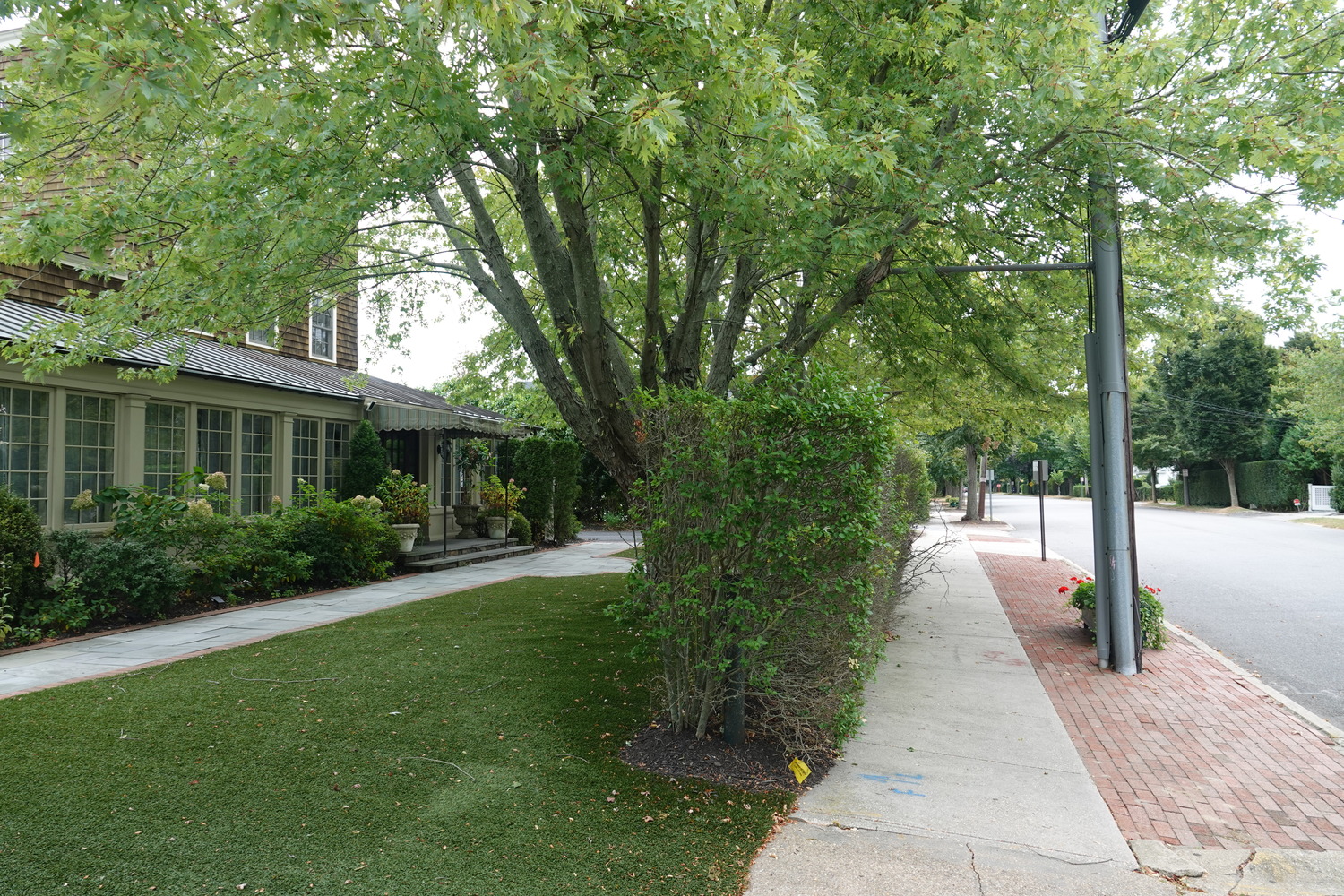
Residents of the neighborhood surrounding the Southampton Social Club traveled to New York City last week to appeal in person to the commissioners of the New York State Liquor Authority not to lift restrictions on the former nigthclub that have prevented DJs, dancing and late hours for the past two summers. The business's owner, Ian Duke, said that the restrictions have put the business "on our heels."
Residents of the neighborhood near the Southampton Social Club, a once-raucous nightclub that has been tamed over the last two summers by State Liquor Authority restrictions, pleaded with the SLA commissioners in New York City last week not to allow the club to return to its old ways of doing business.
A half dozen neighbors traveled to the meeting of the SLA’s full board of commissioners on September 18 in Manhattan to voice their opposition to the Social Club having the conditions on its liquor license lifted by next summer, which the neighbors said would be a return to the cacophony that washed through their neighborhood on weekends and summer nights in the past.
“From 2018 to 2022, the Southampton Social Club, every summer, every weekend, imposed significant disruption to our neighborhood,” Jay Fitzpatrick, whose Elm Street house sits 130 feet from the front door of the Social Club, told the three SLA commissioners. “We’ve endured severe traffic, intoxicated partiers yelling and screaming, blasting DJ music from 9 p.m. to 4 a.m.
“The last two years, since you put the restrictions on, it’s turned back into a normal street, a normal neighborhood. We hadn’t had that for years, and it was wonderful.”
Michael Zinder, who lives around the corner on Pulaski Street, said that returning to the nightclub operation would be “tremendously detrimental” to the residential neighborhood.
He took issue with the characterizations of the street the Social Club inhabits as being a commercial area, because of two restaurants, the former Polish Hall catering hall, a commercial office building and Riverhead Building Supply, which cluster around the corner of Elm Street and Powell Avenue near the Long Island Rail Road train station. But all the other surroundings are residential, and dozens of homes were impacted by the noise and crowds spilling out of the Social Club at the height of its popularity.
Fitzpatrick noted that Southampton Village code since 2017 has outlawed restaurants operating as nightclubs after dinner service is finished, but that the Social Club had been grandfathered the right to do so because its dual-use predated the law.
But he suggested that the Social Club’s right to be grandfathered in as a nightclub should have been lost over the last two summers, because it had not operated as a club and village code states that if a nonconforming use is inactive for 18 months or more it is officially abandoned.
The club’s attorney, Keven Danow, countered that the right to have music was never taken away, so nothing legally changed about the use.
In the spring of 2023, after years of complaints about noise, the SLA fined the Social Club $20,000 for previous noise and overcrowding infractions, and said the business could not continue operating with DJ music and dancing allowed under its restaurant license or risk having its liquor license revoked entirely.
The threat had the desired effect, the commissioners noted, and were hesitant about the idea of lifting them.
“You’ve been a nightclub before — it was a disaster,” Commissioner Lily Fan, the board’s chairwoman, said to Social Club owner Ian Duke and Danow. “So now you are asking to go back. I trust the people who are coming here saying, ‘My bed is shaking.’ So what are you doing differently?”
Duke said that the business will hire sound engineers to design and install sound baffling both on the interior and exterior of the building and is working on an app-based reservation system for the nightclub hours, to cut down on the number of people arriving when the club is full and waiting in line on the street outside to get in.
They have also worked out a new arrangement with Southampton Village government officials for taxis and Uber/Lyft drivers to pick up patrons so that people spilling out of the club do not stream down the residential streets to get to their rides home — which Danow said was a major source of the noise complaints in the past.
He also said there is a way that the club could install decibel meters that would automatically cap the volume of music if it were detected to be louder than village noise codes allow.
Fan, for one, was skeptical.
“You think these young people are waiting somewhere else for you to text them to come to the club?” she asked, rhetorically. “That’s not how it works. I used to be young, I used to go to nightclubs. I’m not convinced.”
Duke pleaded that the business, the way it has operated the last two years, is not sustainable.
“To not be able to have DJs for dining experiences, to not be able to have weddings or events, is devastating to our business,” said Duke, who also owns nearby Union Sushi & Steak. “We will not be able to stay afloat.
“Our business has been decimated by this situation — we are on our heels,” he added.
Duke noted that the three special events the Social Club had been allowed to host following the SLA restrictions because they had been booked in advance “went off without a hitch.” He said he would welcome a compromise, involving the neighbors, on operating hours, if it would allow them to book weddings and special events that could have DJs and allow music to be played beyond the normal restaurant hours.
Danow suggested letting wedding parties run until a standard 2 a.m. time. The board’s chairwoman suggested 1 a.m.
She also said that the fact that the owners had not made a concerted effort to work with neighbors on a compromise method of operation independent of the SLA hearings gave her pause about the sincerity of their intentions.
“It concerns me that you actually have no intent of improving their quality of life. You just want us to vote your way,” she said. “These people didn’t drive here from Southampton because they don’t like you.”
Hoping to quell the doubts about their sincerity, the club owners had brought others as character witnesses, including Father Constantine Lazarakis of the Dormition of the Virgin Mary Greek Orthodox Church of the Hamptons, of which Duke is a member.
Lazarakis said that Duke has hosted events for the church, employed members of its congregation and even created a job at one of his restaurants specifically for an autistic member of the congregation.
“I’m very impressed with Ian’s character — I think he’s an honest and good dude, and I think he wants to make good on this,” Lazarakis said. “I really do believe that if everyone got together, you could come up with something you could live with.”
Michael Trenk, one of Duke’s partners in a New York City bar, said that his partner is dedicated to finding a way to keep the neighbors happy.
“Ian will do whatever it takes,” he said. “If they are not happy, he doesn’t have a business.”
The commissioners agreed to adjourn the application hearing until November, to allow the business and neighbors to do real-life noise testing to see what they could agree was acceptable and try to find a suitable compromise.
“I have tremendous respect for neighbors,” Commissioner Edgar De Leon said. “We want you to succeed in business. But they live there.”


 Michael Wright on Sep 25, 2024