


 1 Photo
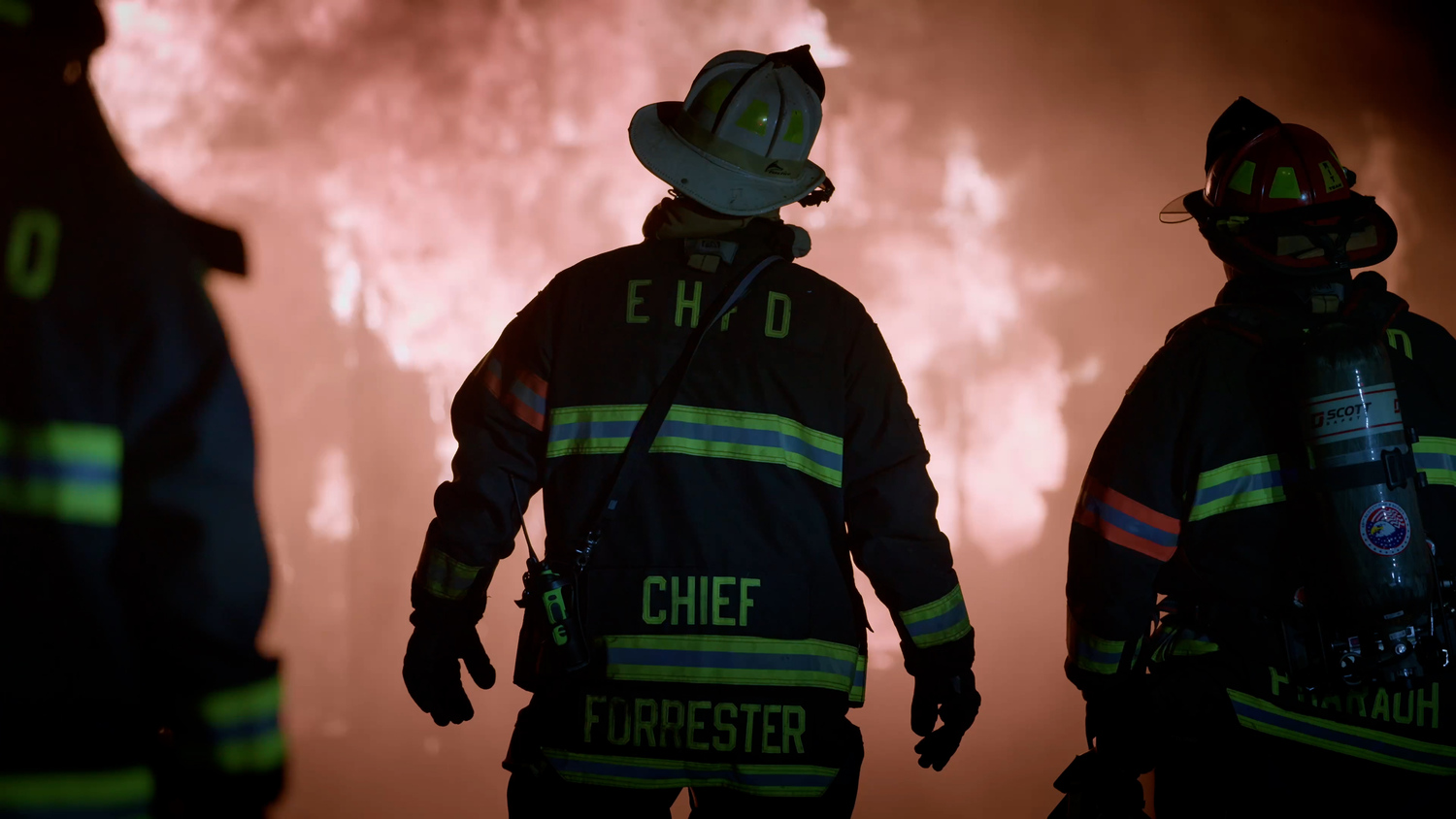
East Hampton Fire Department firefighters battle a blaze in a training exercise depicted in a recruiting video produced by East Hampton Village to attract new volunteers.
It’s hard enough for local fire departments and ambulance companies to maintain their ranks, given the high cost of housing and the demands of work and family on the average volunteer.
But officials say a sweeping new list of standards laid out in a 608-page document released earlier this year by the Federal Occupational Safety and Health Administration threatens to cripple small-town volunteer departments and impose costly and time-consuming burdens on even the best-funded professional city departments.
For example, officials estimate that the new standards could require volunteer firefighters, who are currently required to do about 100 hours of training a year in New York State, to undergo an estimated 300 to 400 hours of training each year — the equivalent to seven to 10 regular work weeks.
Annual physicals, which cost perhaps $300 per volunteer each year, could balloon to $1,500 as more comprehensive examinations are required. Volunteers also would have to meet annual benchmarks showing they are physically capable of meeting the demands of their assigned jobs in the department.
Fire departments also would be required to collect inventories of potentially hazardous materials contained on the premises of businesses, and obtain fire escape plans from individual homeowners, which officials say could add work for building departments and code enforcement officers.
And other requirements could blind department leaders in a blizzard of paperwork, forcing them to hire staff that many departments in poor parts of the country simply cannot afford.
“The end game on this whole thing is responder safety,” said Gerry Tursa, East Hampton Village’s fire and EMS administrator and a former chief of both the East Hampton and Bridgehampton departments. “We wouldn’t be responsible leaders if we didn’t embrace that. But now it’s a matter of making it all happen.”
While prosperous communities such as East Hampton may be able to foot the bill for the unfunded mandates, departments in less affluent rural areas will certainly struggle, Tursa said.
Scott Davonski, the executive director of the Suffolk County Fire Academy and a former chief of both the Quogue and East Quogue fire departments, said OSHA had taken a one-size-fits-all approach to applying the new standards. “You are developing rules and expecting them to be applicable to the City of New York, the City of Los Angeles, the City of Chicago — and the Bridgehampton Fire Department,” he said.
Davonski said he couldn’t even begin to estimate how much increased training the new regulations would require, because New York does not have in place curriculum or facilities to provide for many of the new requirements.
Even among volunteer departments in New York, there are wide disparities, Davonski said, between those that are supported by a healthy tax base and those that rely on fundraisers to meet their budgets.
David Denniston, the 2nd vice president of the Association of Fire Districts of the State of New York, said OSHA first developed what were called Fire Brigade Standards in the early 1980s. After the September 11 terrorist attacks, Congress directed the agency to modernize those standards. Some two decades later, OSHA has finally delivered its proposal.
To come up with the new standards, OSHA assembled a committee chaired by a representative of the Teamsters Union and British Petroleum, Denniston said, “but there was very little representation of the volunteer services,” which provide about two-thirds of the nation’s firefighting capability.
OSHA had originally set a May 6 deadline for comment on the proposed standards, but it has since agreed to postpone the deadline until June 21. Firefighters and their lobbyists are hoping to delay it once again until September 21, arguing that OSHA had more than two decades to come up with the standards, so they should be given more than a few months to raise their concerns.
Mike Tortorice, the president of the Southampton Town Fire Chiefs Council and the senior firehouse attendant for the Hampton Bays Fire Department, said with the high cost of living, Long Island departments are struggling to retain members.
“They’re looking at 350 hours north of training,” he said. “That’s an astronomical number for someone with a wife and kids and a full-time job. It’s definitely going to have a detrimental impact on recruitment and retention.”
Denniston agreed with Tursa that where firefighter safety is concerned, everyone is on board.
“There are things that need to be changed,” he said. “What we’re concerned with is the logistics. The required level of detail would place a lot of burdens in time and manpower on local fire departments. If we had all the money and time in the world, I don’t think there is too much in the document we would say is not a great idea — but we don’t.”


 Stephen J. Kotz on May 22, 2024