


 6 Photos
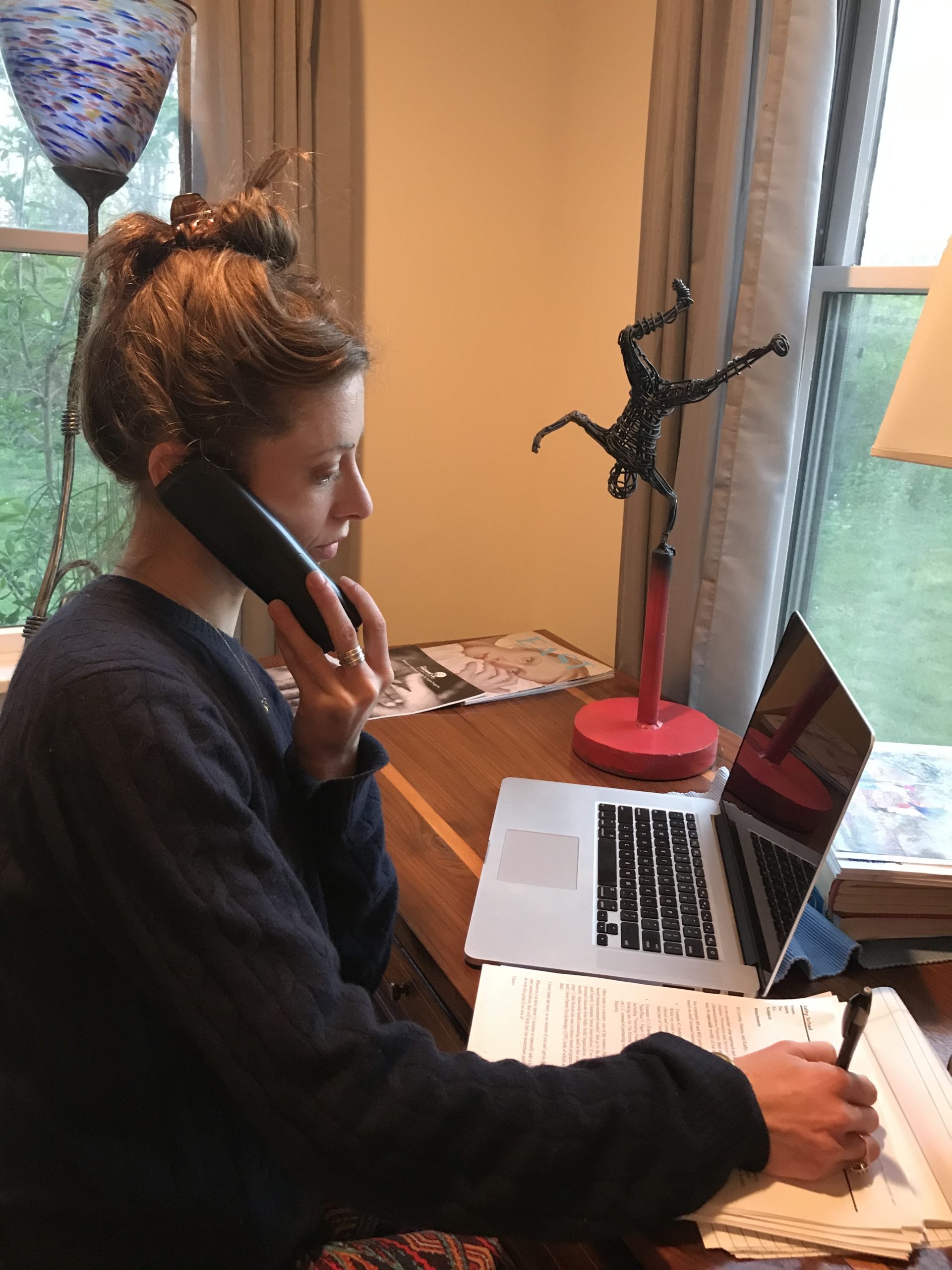
A member of The Retreat staff answers a call on the 24-hour emergency hotline.
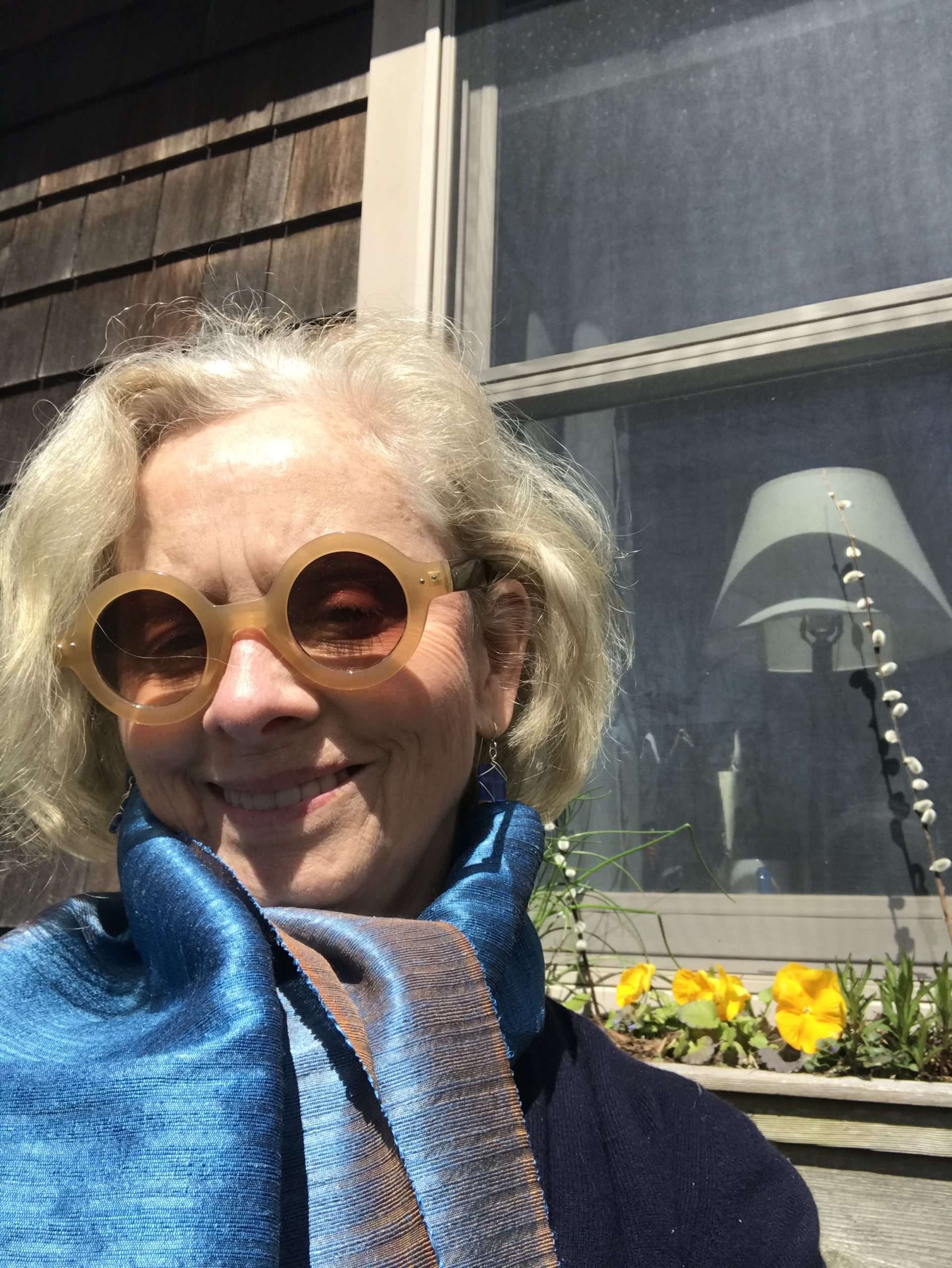
Loretta Davis, executive director of The Retreat. COURTESY LORETTA DAVIS
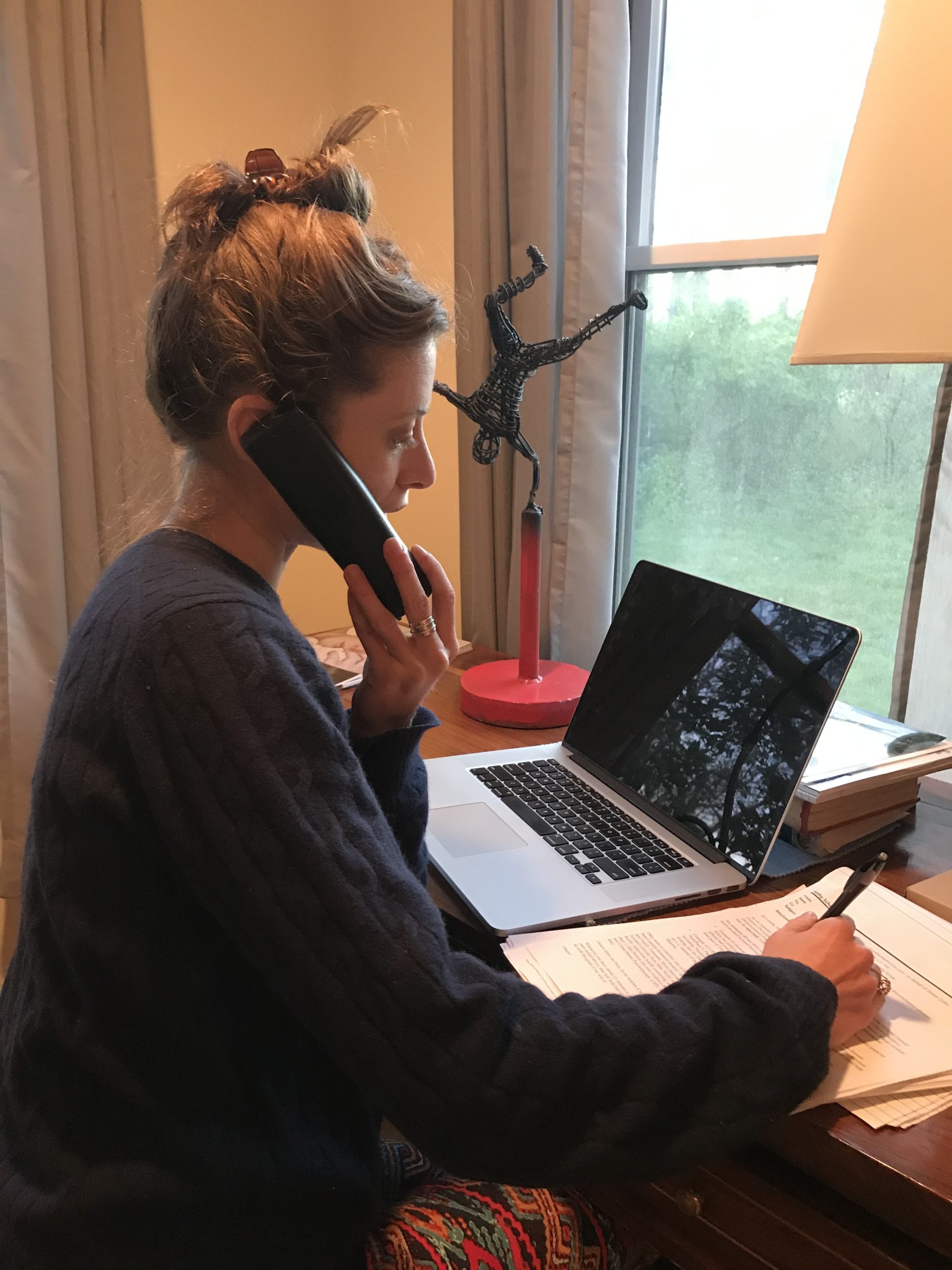
Julia, a volunteer for The Retreat, answers a call on the 24-hour emergency hotline. COURTESY THE RETREAT
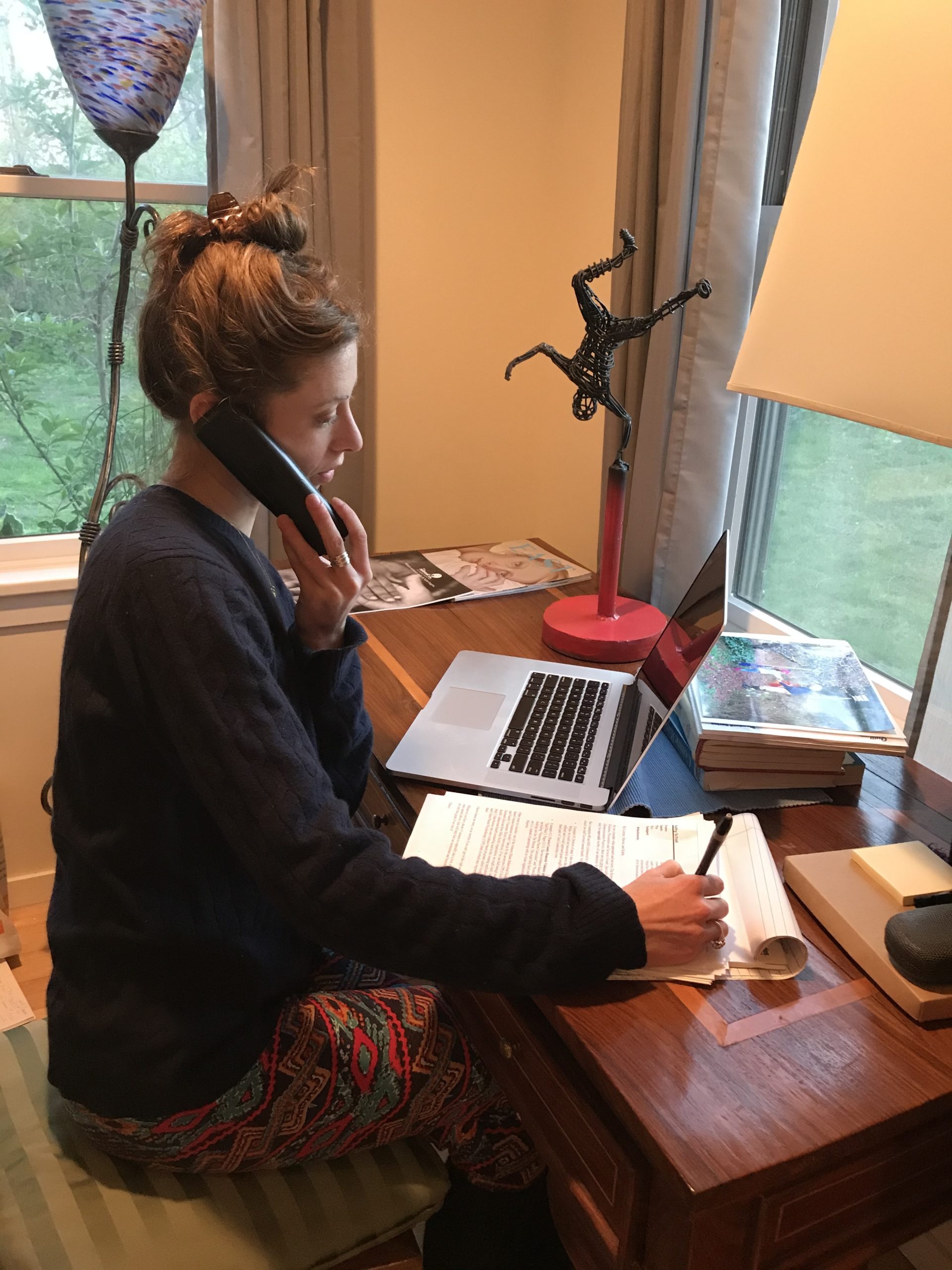
Julia, a volunteer for The Retreat, answers a call on the 24-hour emergency hotline. COURTESY THE RETREAT
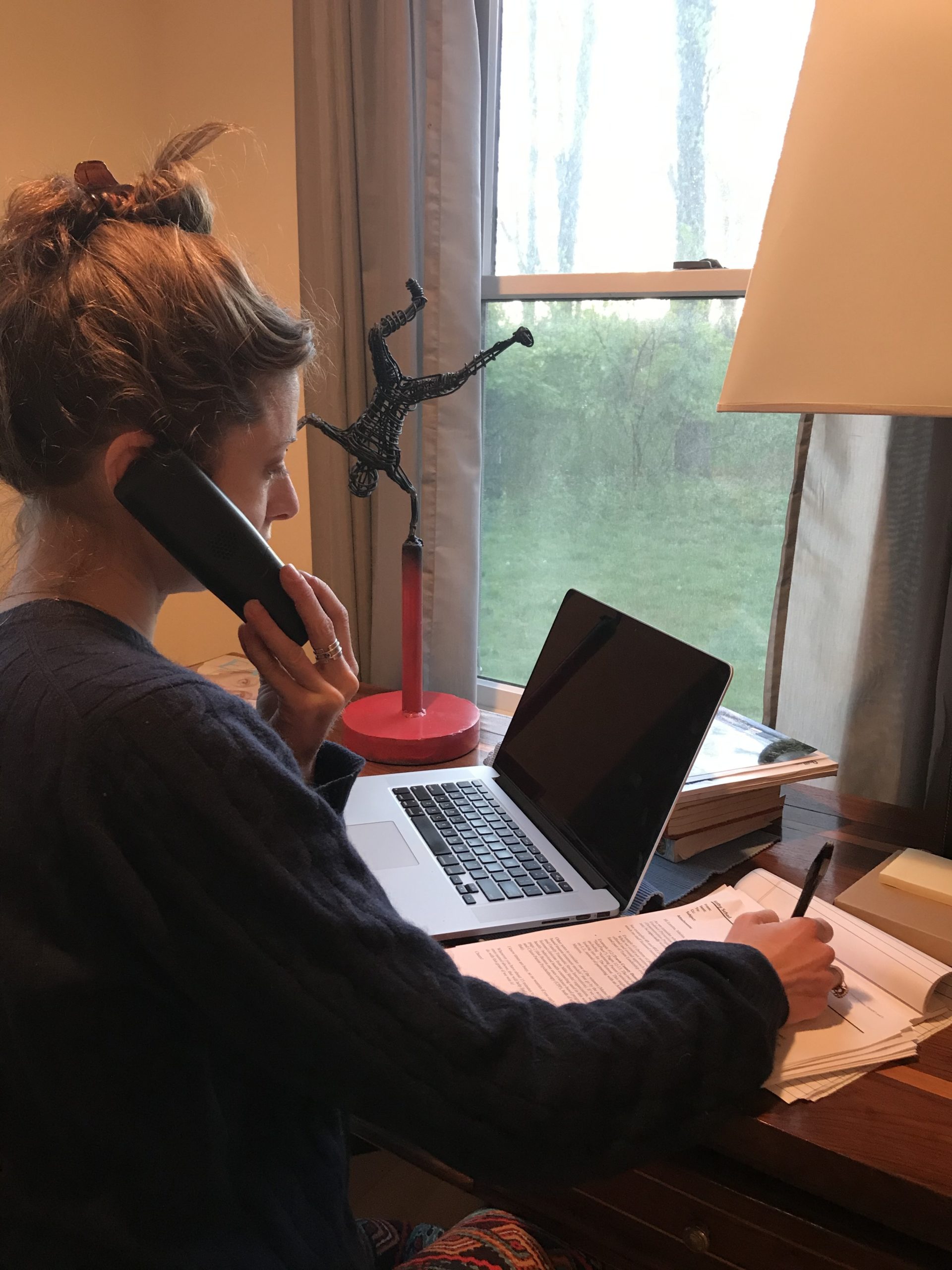
Julia, a volunteer for The Retreat, answers a call on the 24-hour emergency hotline. COURTESY THE RETREAT
Julia, a volunteer for The Retreat, answers a call on the 24-hour emergency hotline. COURTESY THE RETREAT
The call came in on a beautiful Monday, from inside a locked room. “I know I can’t leave right now,” the woman whispered. “But I had to talk to somebody.”
Her hushed plea, quick and desperate, was that of a domestic violence survivor, trapped in her home on the East End and forced to shelter with her abuser — a situation that can already feel impossible to leave, let alone against the backdrop of a pandemic.
Answered by the calm support of Loretta Davis on the other end, the call abruptly ended, as is common in dangerous households permeated by control, possessiveness and violence.
But uncommon was the day itself, explained the executive director of The Retreat, an East Hampton-based safe haven for victims of domestic abuse since 1987. This call was not the first, or the last, of what would be many on May 4 — marking the first dramatic surge of emergency hotline activity since the start of COVID-19’s local impact.
Her agency wasn’t alone. When Ms. Davis reached out to the executive directors of the four other domestic violence agencies on Long Island, they reported the same uptick — a trend that has only continued.
“I was startled, and we’re not startled by very much,” Ms. Davis said. “Every single agency on that Monday, which was a nice day after a somewhat nice weekend and the temperature went up, we all got those calls. We knew it had been there, and it can’t be coincidental that five agencies got more calls than usual.”
In early April, New York State Police reported a 15- to 20-percent jump in domestic violence calls statewide, but East End numbers did not reflect that same increase. The agencies suspect that many survivors did not have the privacy to call or text for help until recently, due to more relaxed stay-at-home mandates, a return to work for some, and nicer weather for all, giving reason for both abusers and victims to leave the house.
“Everything you read in the news is like, ‘Oh my God, there’s so much domestic violence and people are isolated,’ while all five of our agencies — as well as in New York and most agencies in the city — we were getting the same amount of calls,” Ms. Davis said. “We weren’t getting more calls, and we’re like, ‘What are they talking about?’ And I think it was people couldn’t reach out. But we were ready for them.”
On May 4, The Retreat fielded double the number of calls it typically receives per day, which, with about 3,400 calls per year, shakes out to about 10 — typically comprised of both new and old clients.
On this particular Monday, it was all new clients, Ms. Davis said.
For months, all five of the Long Island agencies have anticipated this increase as survivors spend longer at home, where social distancing practices keep friends and family, who can serve as a protective shield, out of reach. And while experts have warned that the strains of the coronavirus pandemic could lead to more frequent and intense incidents of domestic violence, Dolores Kordon, executive director of Brighter Tomorrows in Shirley, balks at this reasoning.
“This is a problem every day of the year, and people don’t abuse other people because they’re stressed about a certain situation,” she said. “They do it because we live in a patriarchal society and that’s what happens. I worry about this national narrative that somehow this has to do with the pandemic, which it’s a national crisis that happens every day.”
But the pandemic has certainly elevated stress levels, Ms. Kordon agreed, and along with the uptick in calls has come an escalated level of violence — including strangulation, stabbing and bullying with box cutters and guns, going so far as to purposely shoot and miss.
Abusers have also threatened to burn the family’s house down during this time, and seriously harm their children, all the while spewing misinformation. According to Ms. Davis, this can take on different forms, including “No one can help you, everything’s closed,” “If you call someone, I’m gonna beat you up and you’re gonna go to the hospital, and then you’re gonna get sick,” and, “You’re undocumented. If you do anything, you’re gonna get deported.”
“Some of these situations are pretty horrendous,” Ms. Davis said. “They’re persisting, but it’s pretty dire situations. People should know that we are still open, remotely. And whether you’re documented or undocumented, you get our services — and they’re free.”
Ms. Kordon echoed the same sentiment. “People in the domestic violence field are still working every day, and that if they reach out to us, they will get assistance — and they don’t have to stay in any situation, even in these difficult times,” she said. “There’s still help available. We understand that no matter what’s going on in the world, abuse still goes on. Unfortunately, this kind of thing never takes a break, but neither do the people that do this work.”
While the Long Island agencies typically serve lower-income, at-risk survivors, domestic violence is not isolated to vulnerable populations, emphasized Reina Schiffrin, executive director of the Victims Information Bureau of Suffolk in Islandia.
“People think of the Hamptons and of wealth, but domestic violence has nothing to do with your financial status,” said Ms. Schiffrin, who lives in Hampton Bays. “Of course, we see more people probably of color and poverty, it’s just the way of the world — they don’t have the resources I might have — but people shouldn’t be surprised because it’s the Hamptons. It’s definitely happening out here. Abuse is not about economic status.”
Domestic violence is also not restricted to spousal abuse. Ms. Schiffrin, whose agency does serve some East End residents, has also seen an uptick in elder abuse during the pandemic.
“Someone chatted to me two nights ago, a woman who said her son was not only emotionally abusive, he now had her in a chokehold and was physically abusive,” she said. “We were helping her get an order of protection from him, but if we did, his children — her grandchildren — would have to leave, too. So here’s this grandmother, an elderly woman put in this horrible position, who had nowhere to go, and she was sleeping in her car because of it.”
While some survivors are calling to seek shelter, the executive directors report an overall reluctance to stay at group homes, out of fear of contracting COVID-19. “The shelters are still open and they’re safe,” Ms. Schiffrin said. “None of them have had COVID-positive residents, so they’re doing a fantastic job and they shouldn’t be afraid to do that.”
In addition to available shelters, agencies are still offering survivors assistance, including 24-hour hotlines and online chats, education material, safety planning guidelines, and counseling, despite headquarters being physically closed. At The Retreat, the two emergency hotlines have not once gone unanswered since the pandemic began, reported Ms. Davis, though she is considering bringing on additional support.
“We’re looking at, ‘Are we prepared for this surge?’” she said. “I’m thinking that we may increase our counselors a little bit — that’s a financial thing — but I think we may need more counselors. Our advocates are still going to court. They go online, they see the judge and they get protective orders. That’s still available even though court is closed.”
Attorney Larry Tuthill, who has represented The Retreat’s clients for over 20 years through Nassau Suffolk Law Services, said the court closures will eventually present its own series of issues, including an onslaught of the non-emergency cases that the judges are not currently hearing, such as custody and child support matters.
Orders of protection remain the priority, he said, and for good reason. He anticipates that this uptick is only the beginning.
“We do expect, during this pandemic, more calls in regards to domestic violence as the stresses go on: the financial stress, the medical stress, the stress of families losing loved ones, being forced to stay in their houses,” he said. “That contributes to stresses in the family and also contributes to domestic violence. We believe we will see that increase throughout the year and throughout the pandemic.”
All three executive directors urge survivors to formulate a safety plan, with which all five agencies can assist. This can include code words that, when said aloud or texted to a loved one, will signal a response, such as calling the police, Ms. Schiffrin explained.
“And as a bystander, anything you see, always over-report,” she said. “I know it’s hard. You don’t want to do that to a neighbor. It sounds terrible, but if you see something going on, it’s much better to over-report. Let the professionals decide, but at least you did your job. Don’t ignore. If you see the guy across the street pushing his wife around a little bit, you usually don’t want to get involved. But guess what? You need to get involved. It’s somebody’s life.”
For victims suffering from domestic violence, there is always a way out, said Ms. Davis, who encourages survivors to call The Retreat’s 24-hour hotline at 631-329-2200, or use the online chat service by visiting theretreatinc.org. To reach the National Domestic Violence Hotline, call 1-800-799-7233 or text LOVEIS to 22522.
“There is help out there and you need hope. You need that hope to go on, we all do — at least that’s how I look at it,” she said. “There’s help. There is a place where you can text, or you can chat, or you can call, and there are people who can help, even if you are isolated.
“That one caller who called in from a locked room, she didn’t want any services at this point. She just wanted to make sure somebody was out there. Hopefully, she’ll call back,” she continued. “People are taking risks. They’re going to their garages, into locked rooms and calling. They’re whispering, but they’re really screaming for help.”


 Michelle Trauring on May 16, 2020