


 7 Photos
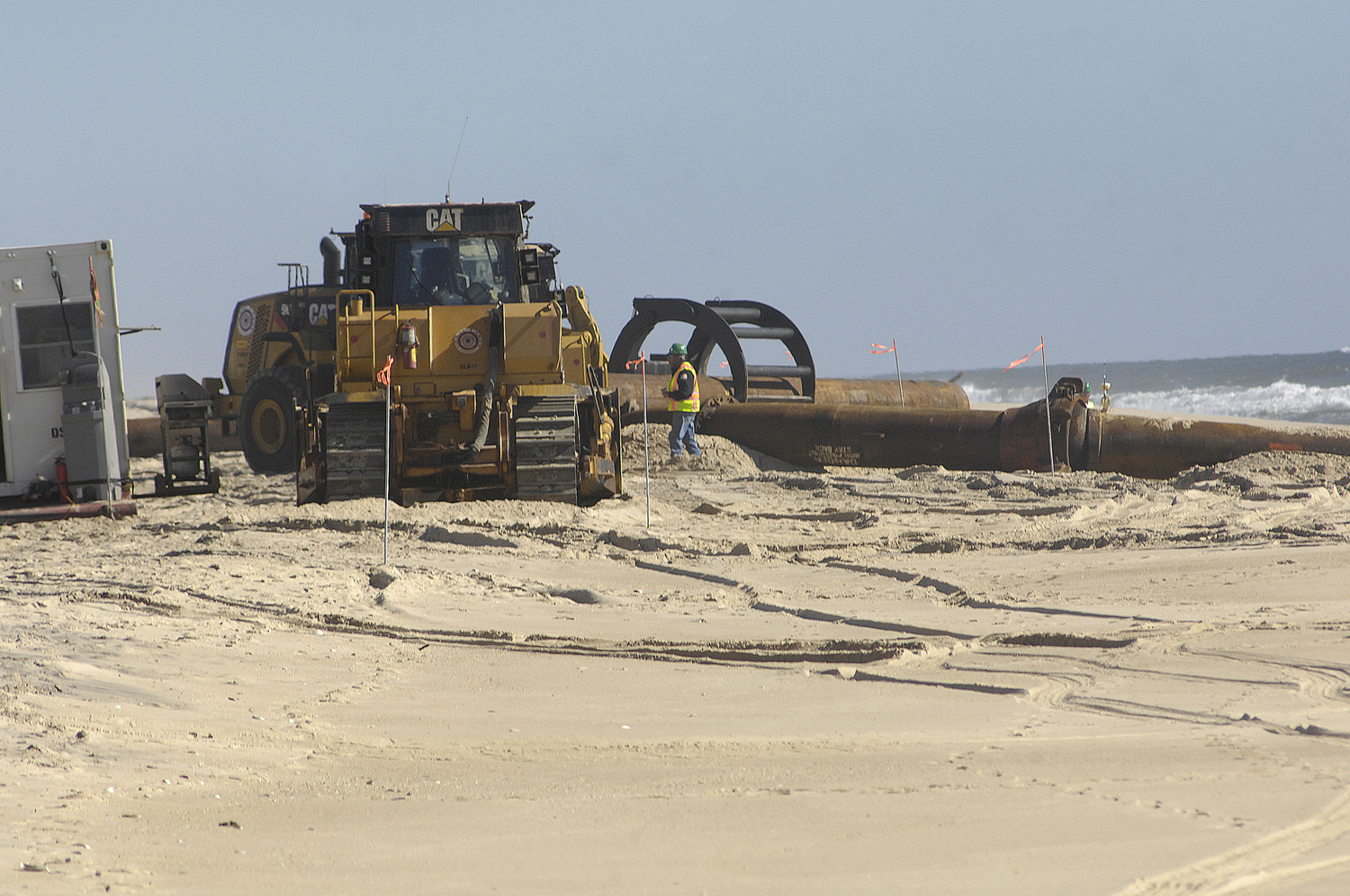
Work on the Sagaponack Bridgehampton beach nourishment project in 2014.
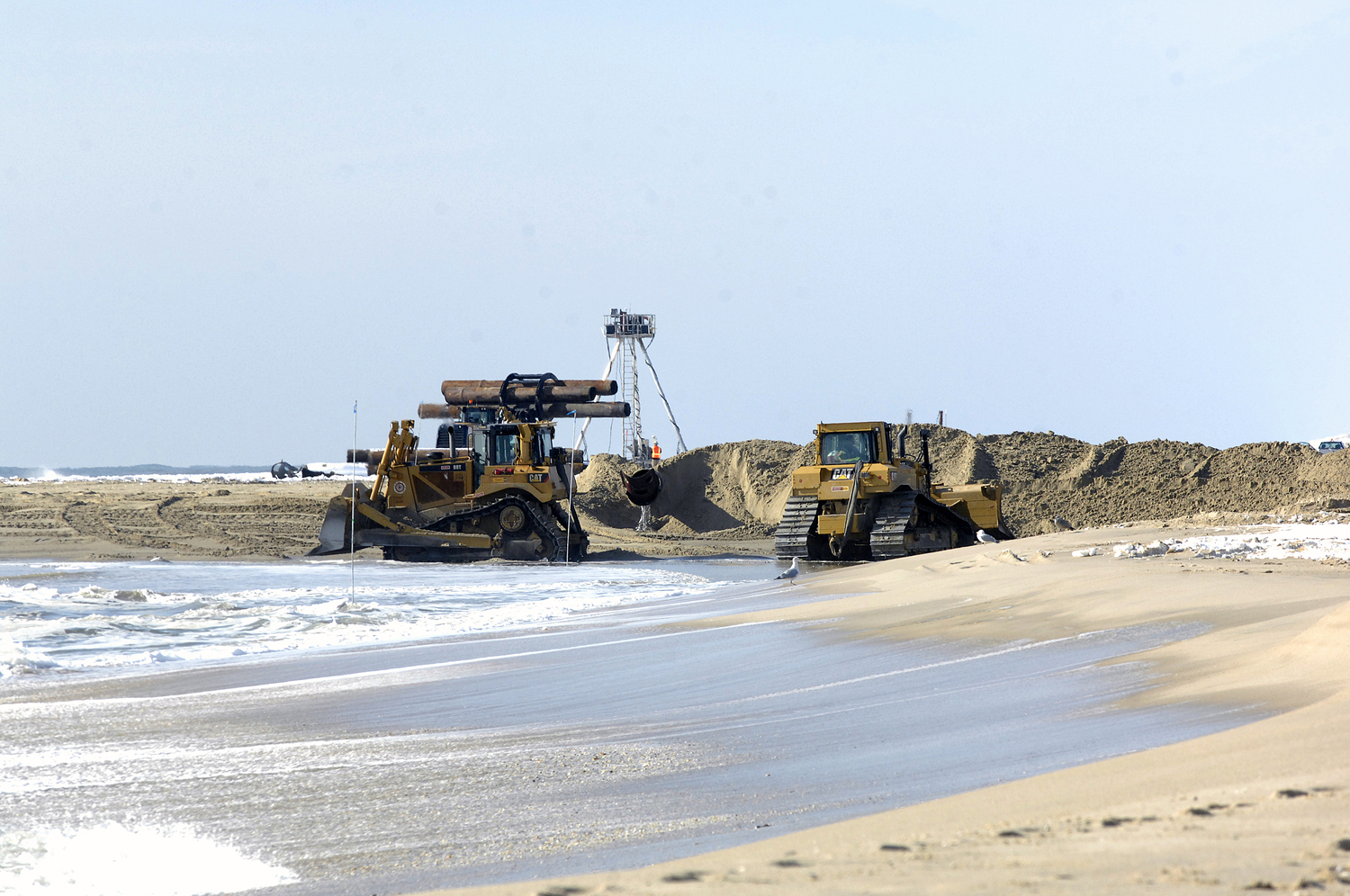
Work on the Sagaponack Bridgehampton beach nourishment project in 2014.
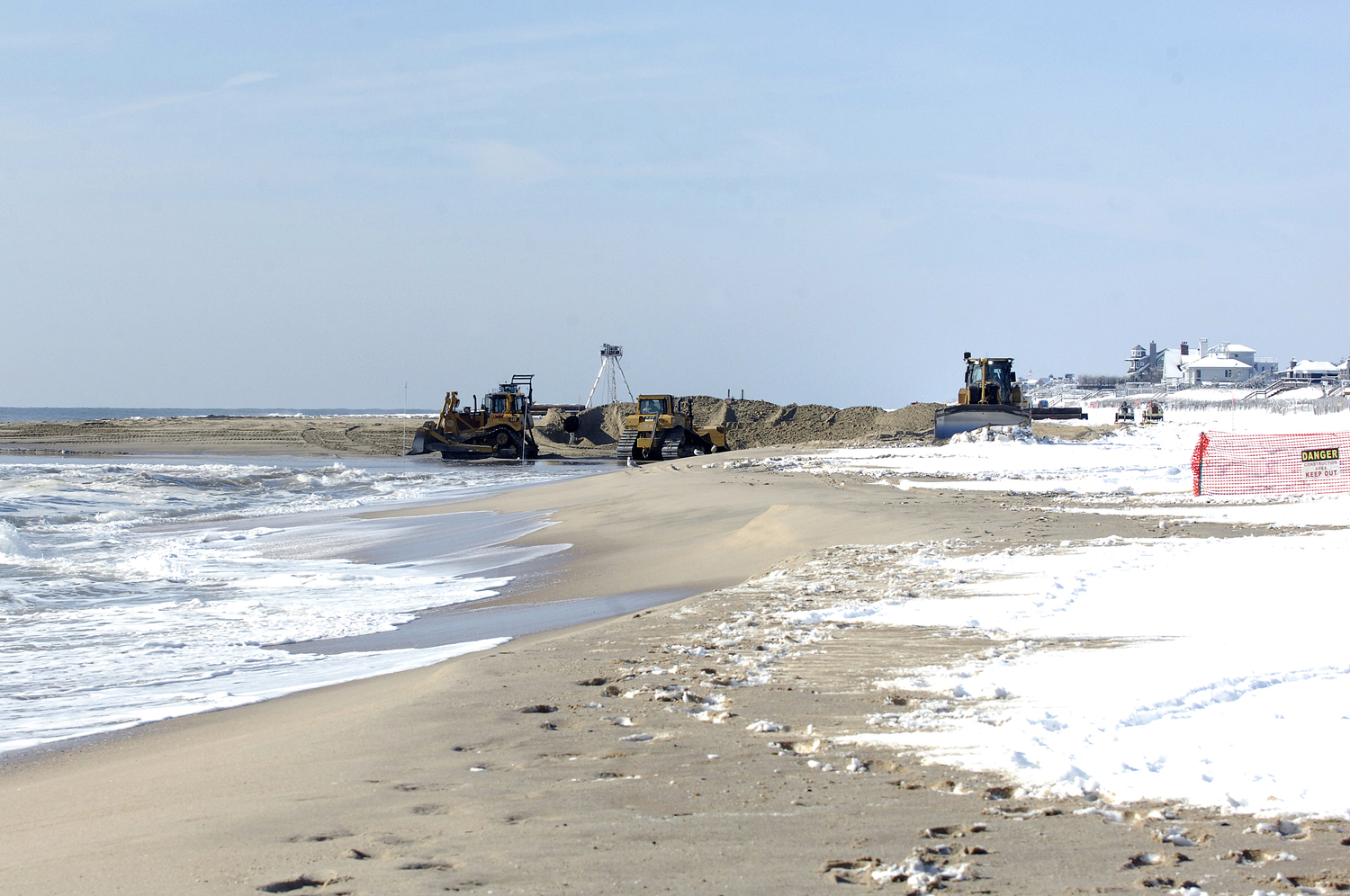
Work on the Sagaponack Bridgehampton beach nourishment project in 2014.
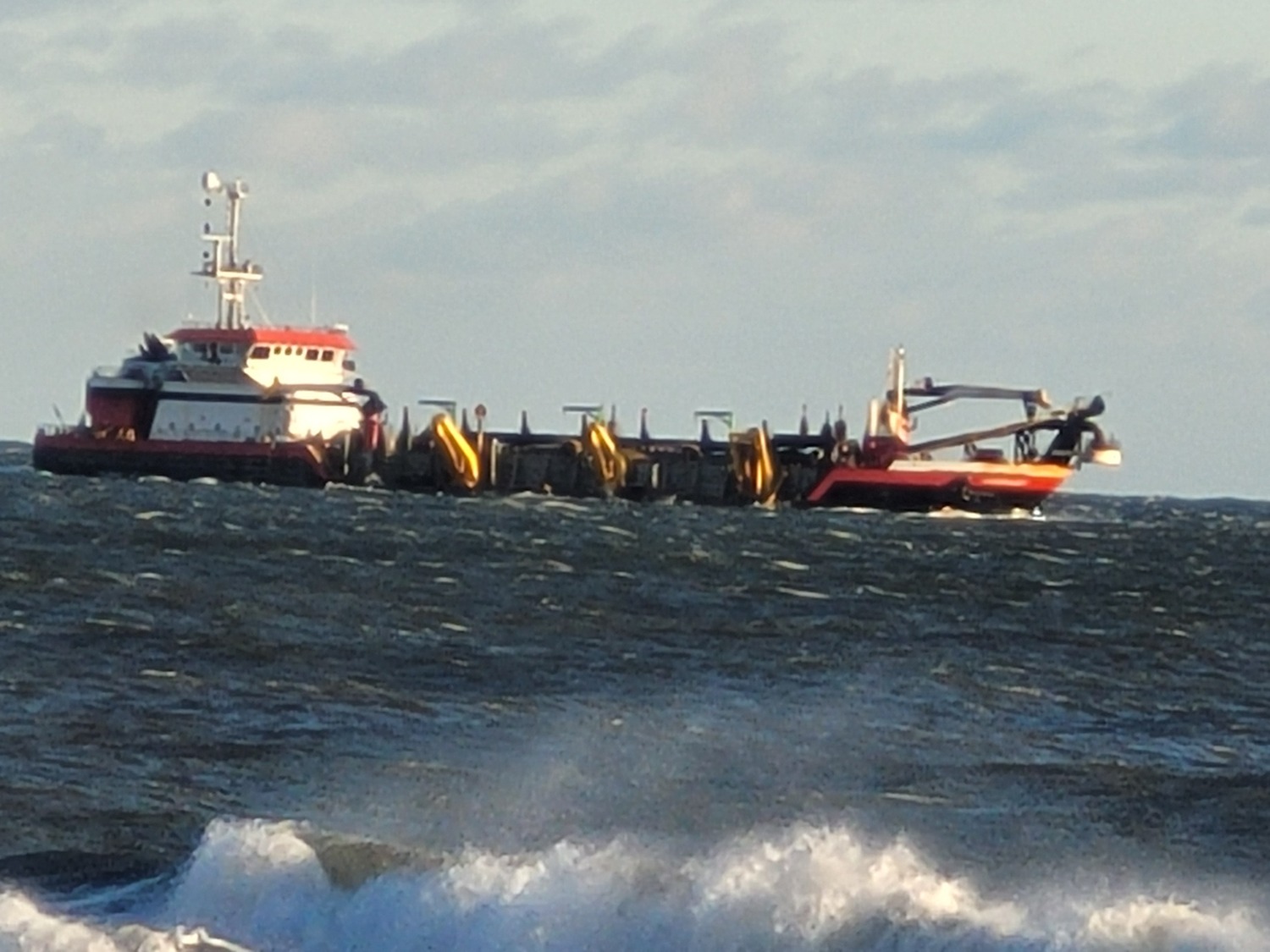
The 350-foot dredging vessel Magdalena is sucking up sand from the ocean floor off Quogue and transport it about 2 miles west to a connection pipe and pump it ashore at Cupsogue Beach. ARAM TERCHUNIAN
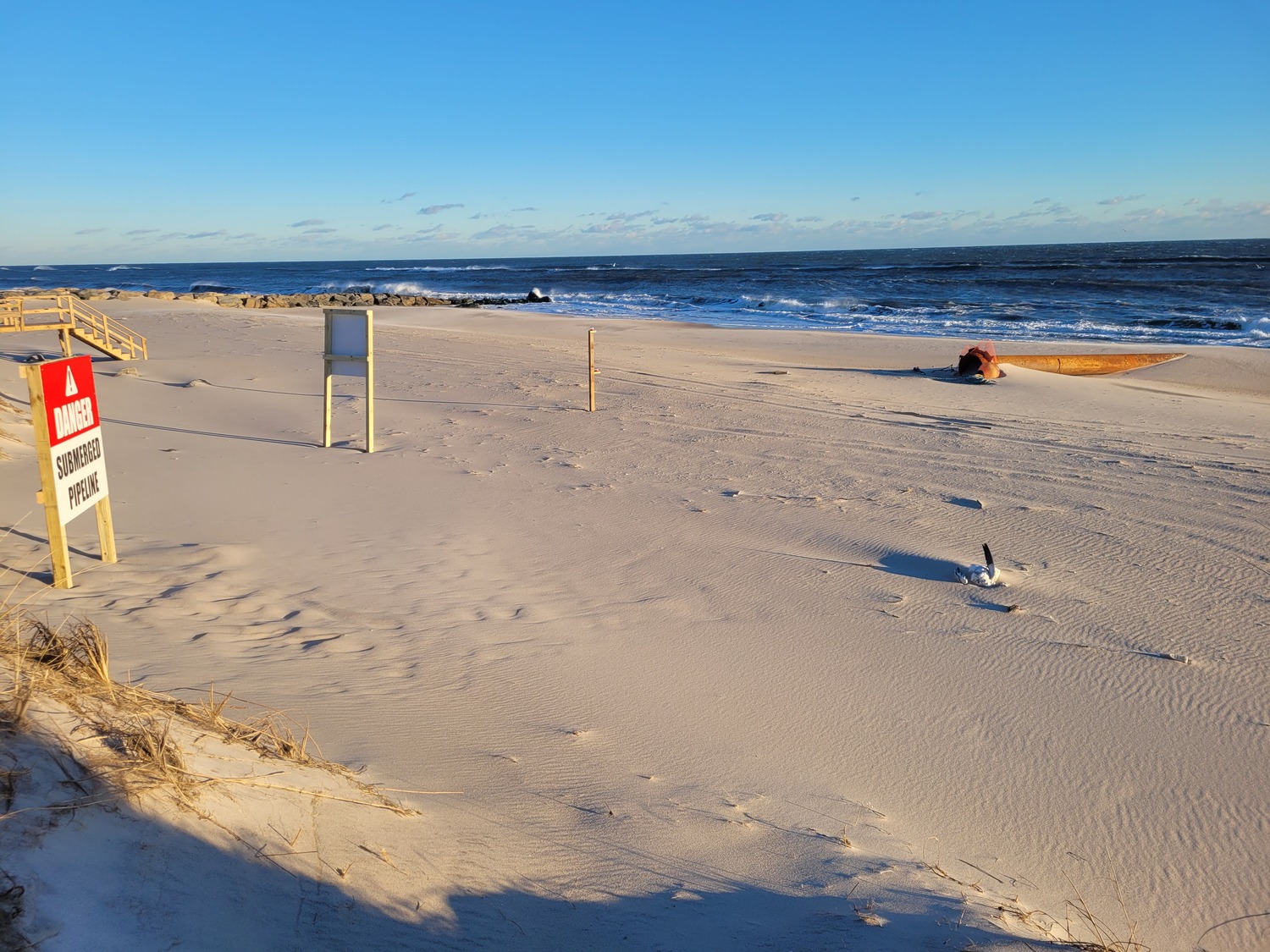
Dredging crews will rebuild the bay side shoreline of Cupsogue Beach over the next month then shift to working on nourishing ocean beaches in Westhampton and West Hampton Dunes in February. ARAM TERCHUNIAN
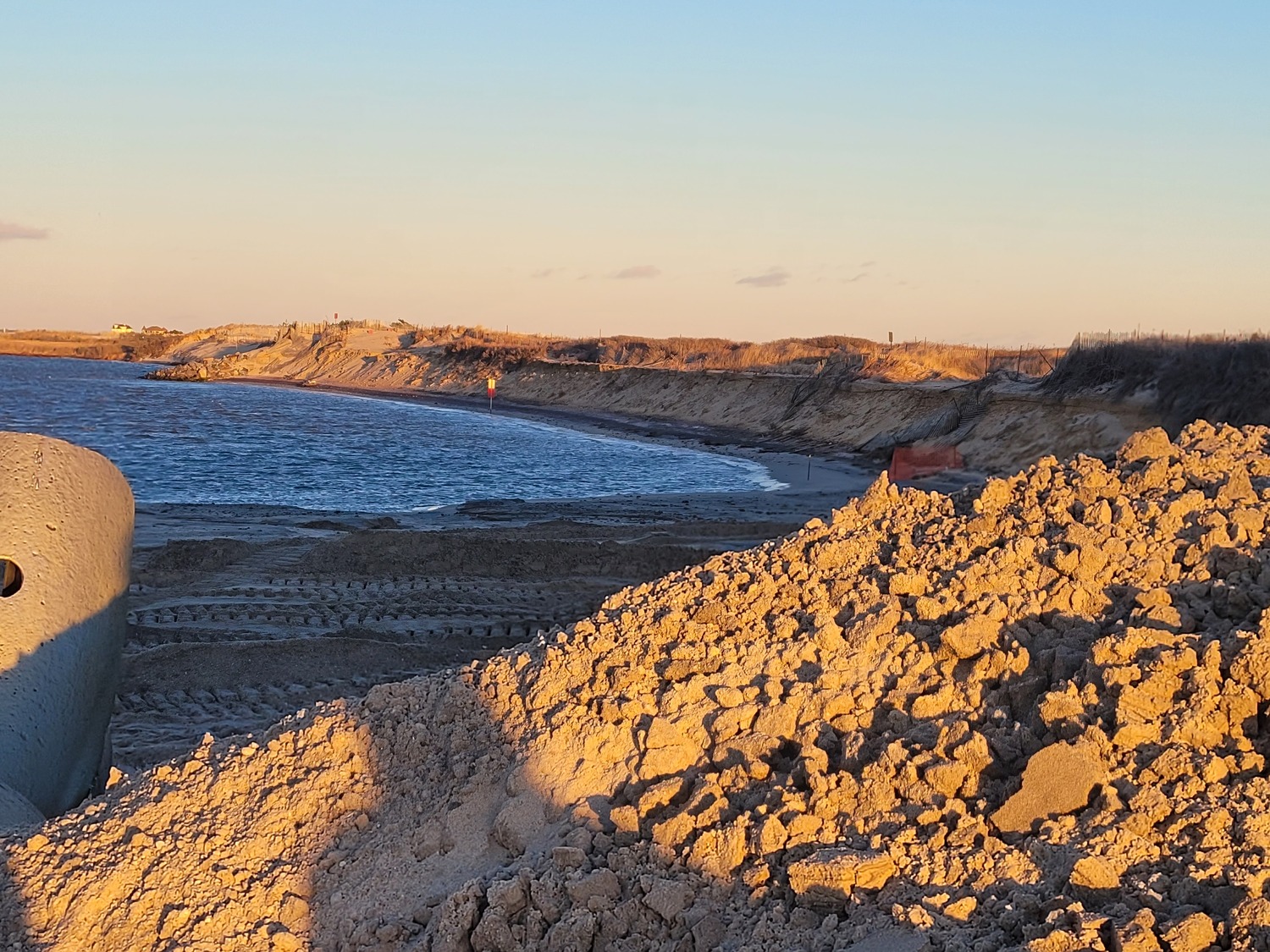
Dredging crews will rebuild the bay side shoreline of Cupsogue Beach over the next month then shift to working on nourishing ocean beaches in Westhampton and West Hampton Dunes in February. ARAM TERCHUNIAN
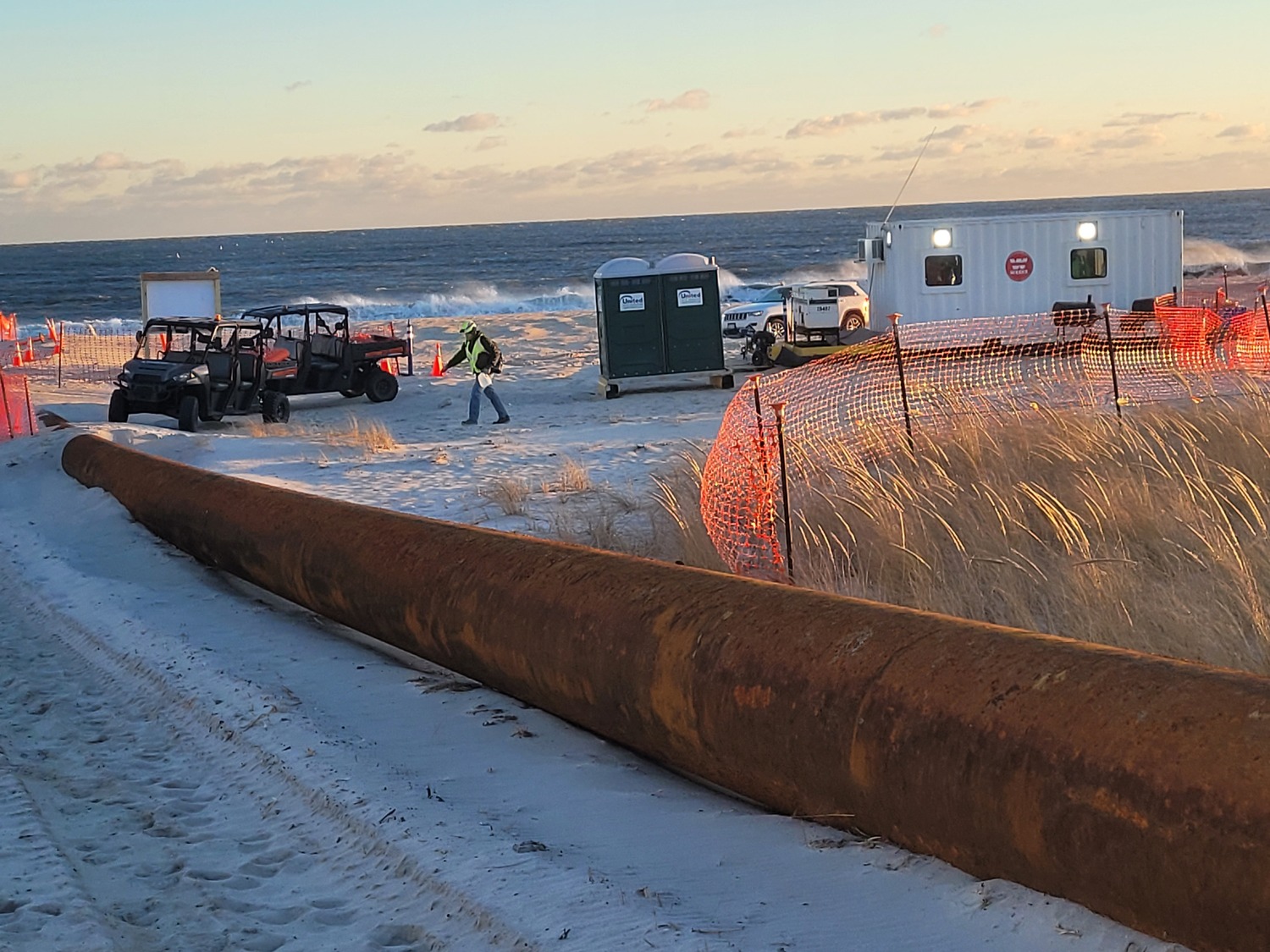
Dredging crews will rebuild the bay side shoreline of Cupsogue Beach over the next month then shift to working on nourishing ocean beaches in Westhampton and West Hampton Dunes in February. ARAM TERCHUNIAN
Two separate offshore dredging crews began arriving on the South Fork this week to commence massive multimillion-dollar beach rebuilding projects in Westhampton and eastern Southampton Town over the next several months.
The 350-foot suction hopper dredge Magdalen arrived in the ocean off Quogue on Tuesday afternoon and began pumping sand sucked up from the ocean floor off Quogue onto the bay side of Cupsogue Beach County Park.
The dredge will pump more than 400,000 tons of sand onto the bay side over the next month, rebuilding the north-facing shoreline in an area that breached during Superstorm Sandy in 2012. The area is the location of the original breach into Moriches Bay in the 1950s, before Moriches Inlet was stabilized farther to the west.
When the work on the bay side is completed, the dredge will begin pumping sand onto the oceanfront in two regions of Westhampton and West Hampton Dunes that have regularly been nourished over the last 30 years
The project is being funded and managed by the U.S. Army Corps of Engineers as part of the Fire Island to Montauk Point Reformulation Project, or FIMP — a $1.7 billion plan to regularly bolster beaches along 80 miles of Long Island’s southern coastline over the next 30 years with funding from the Superstorm Sandy federal aid package.
When the sand pumping shifts to the oceanfront in February, the dredge will add about 500,000 tons of sand to about 1.5 miles of beach around the Westhampton Beach groins and in a section of West Hampton Dunes. The oceanfront work is expected to take five to six weeks to complete.
Dredging crews also began staging machinery and dozens of large iron pipes on the oceanfront in Sagaponack ahead of the start of work to rebuild some six miles of beaches between Southampton Village and the East Hampton Town line.
That project will also use a 350-foot offshore dredge that will scour sand from “borrow areas” less than one mile off the beaches in Sagaponack and Bridgehampton, gradually widening the dry beach along the entire reach to about 150 feet wide.
The $22.5 million Sagaponack-Bridgehampton project is being paid for entirely by the approximately 130 homeowners who own property along the oceanfront in the project’s reach. In 2012, the homeowners created dedicated taxing districts that allow Southampton Town to bond for the total cost of the project and then levy annual taxes on the property owners to pay down the bond over 10 years.
The project mirrors a similar effort in the winter of 2013-14, when the dredge spent several months through a stormy fall and winter to conduct the first massive rebuilding of beaches that had been decimated by the storm surge from Sandy.
Aram Terchunian, the coastal planning consultant who has overseen the project for the town and the homeowners, said that the dredging vessel, the Texas, is expected to arrive in the ocean and begin pumping sand on or about January 20. Work will be around-the-clock, seven days per week, as long as weather permits.
The work will start at the eastern reach in Sagaponack and gradually work westward to the western edge of town, just past Flying Point Beach. Beach access will remain open most of the time except in the approximately 1,000-foot work area where the bulldozers are operating.
The dredge will pump more than 1.3 million tons of sand onto the beach, which is expected to take at least two months to complete — with the crews working against a March 31 deadline to complete the work before protection protocols for piping plovers prevent work along the oceanfront.
“They are going to be right up against the window,” Terchunian said. “They’ll be dredging until mid-March. They have a lot to do.”


 Michael Wright on Jan 8, 2025