


 4 Photos
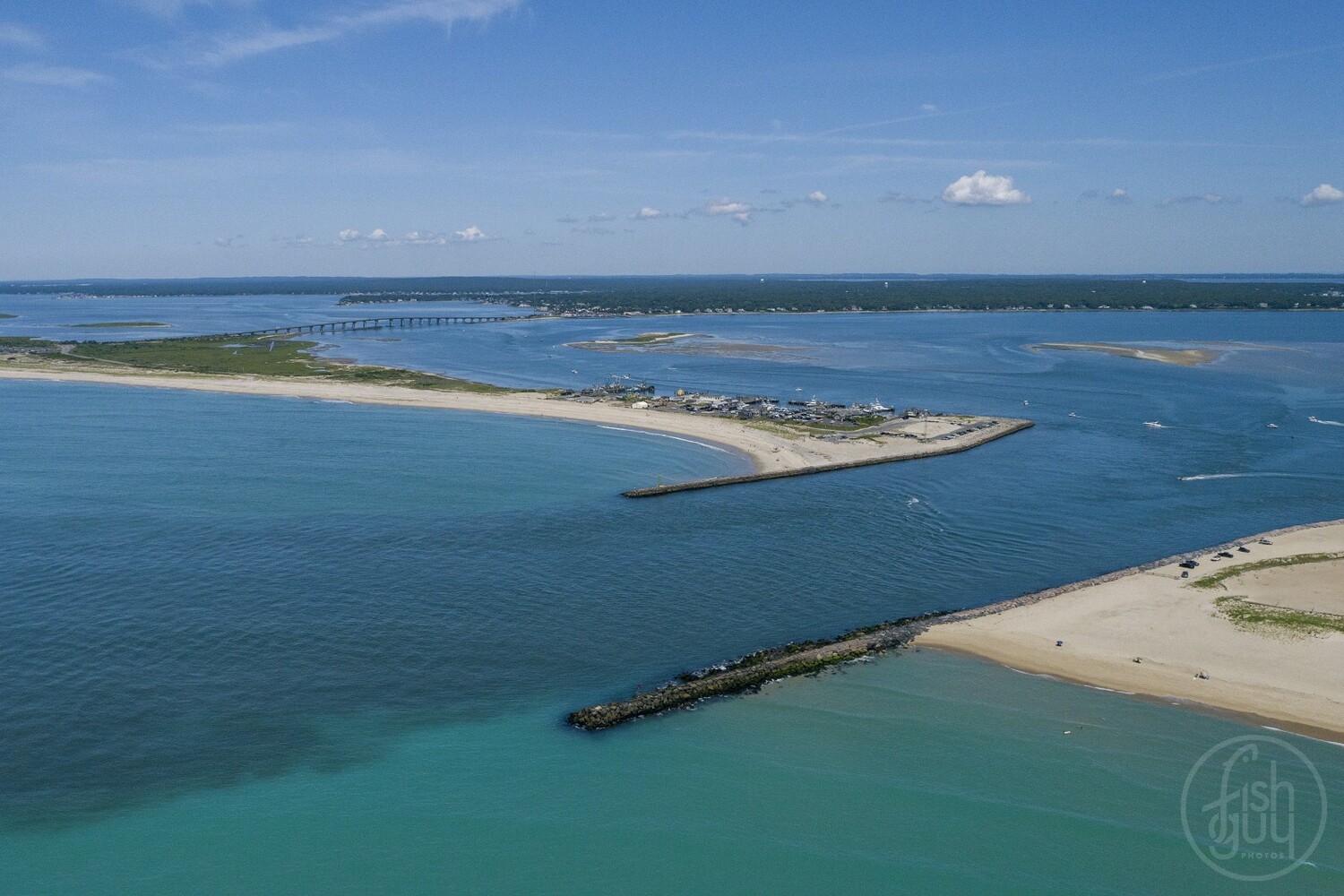
Marine scientists believe that a rare bloom of oceanic phytoplankton is the reason for the turquoise color of the ocean off the Long Island's coastline in recent weeks. The bloom was likely sparked by sustained strong winds in late June that stirred up nutrients usually on the sea floor, feeding an explosion in the numbers of a specific species of plankton that have a chalky calcium exoskeleton and have been known to tint waters a similar color in other areas. CHRIS PAPARO/@FishGuyPhotos
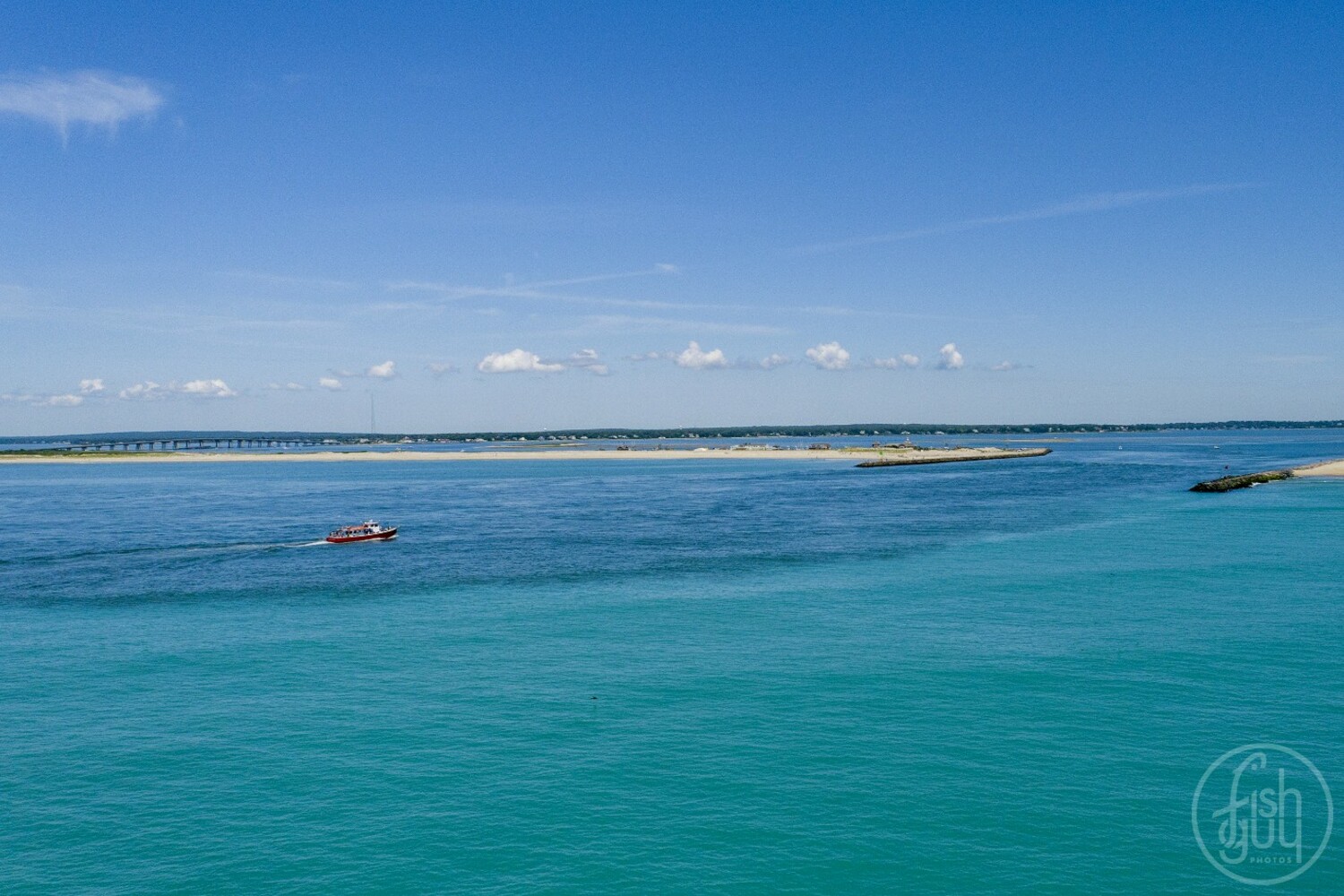
Marine scientists believe that a rare bloom of oceanic phytoplankton is the reason for the turquoise color of the ocean off the Long Island's coastline in recent weeks. On the outgoing tide, the contrast in water color between the ocean and the water coming out of Shinnecock Bay was stark. The bloom was likely sparked by sustained strong winds in late June that stirred up nutrients usually on the sea floor, feeding an explosion in the numbers of a specific species of plankton that have a chalky calcium exoskeleton and have been known to tint waters a similar color in other areas. CHRIS PAPARO/@FishGuyPhotos
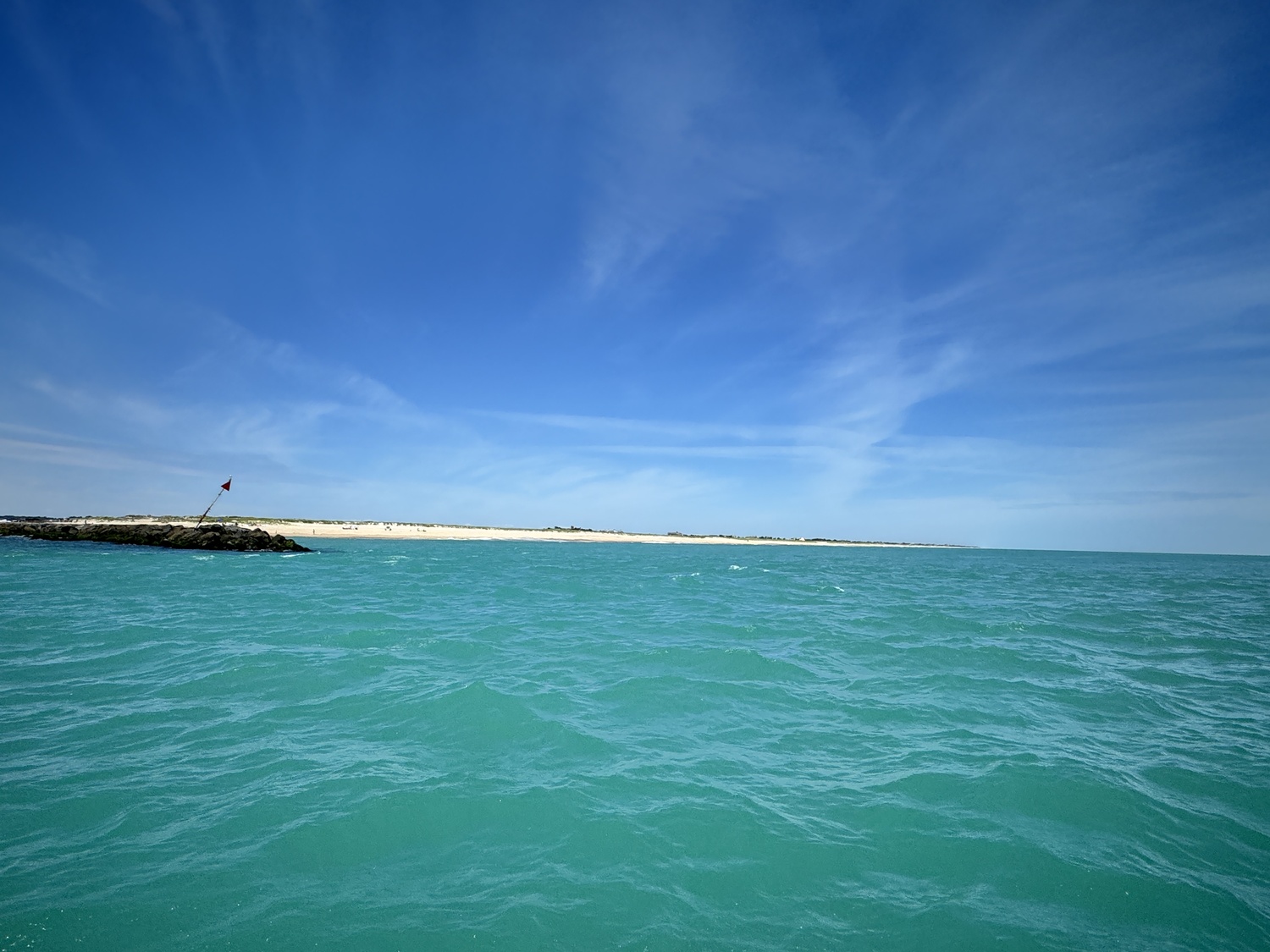
Marine scientists believe that a rare bloom of oceanic phytoplankton is the reason for the turquoise color of the ocean off the Long Island's coastline in recent weeks. The bloom was likely sparked by sustained strong winds in late June that stirred up nutrients usually on the sea floor, feeding an explosion in the numbers of a specific species of plankton that have a chalky calcium exoskeleton and have been known to tint waters a similar color in other areas.
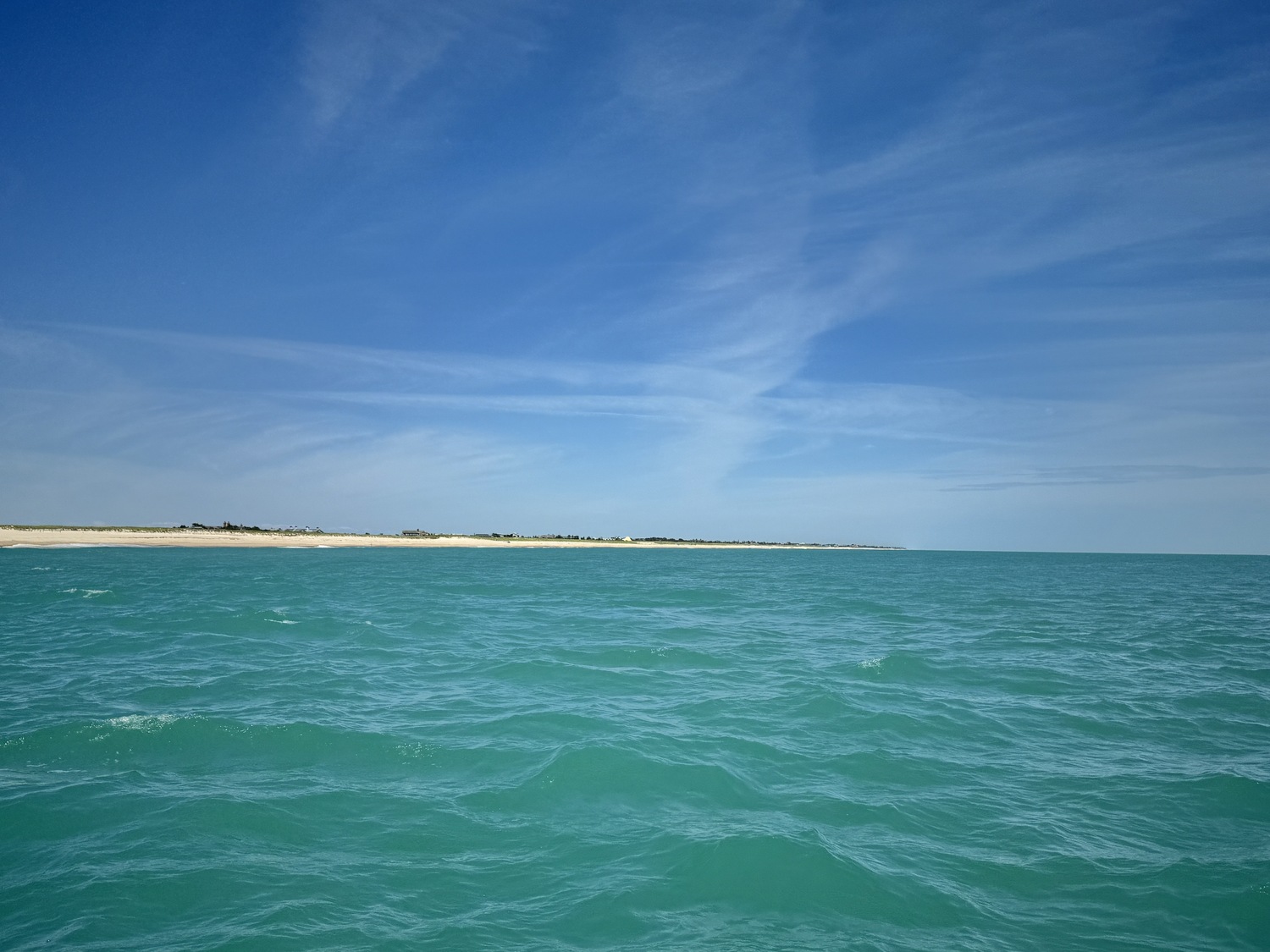
Marine scientists believe that a rare bloom of oceanic phytoplankton is the reason for the turquoise color of the ocean off the Long Island's coastline in recent weeks. The bloom was likely sparked by sustained strong winds in late June that stirred up nutrients usually on the sea floor, feeding an explosion in the numbers of a specific species of plankton that have a chalky calcium exoskeleton and have been known to tint waters a similar color in other areas.
A Stony Brook University scientist says that a rare oceanic algae bloom is responsible for the unusual turquoise color of the ocean along most of Long Island’s Atlantic coastline since late June.
Regular beachgoers in recent weeks remarked often at the color of the water, comparing it most often to the bright, light blue of the Caribbean. But unlike Caribbean water, which is typically crystal clear, the waters off area shores have actually been a chalky opaque with visibility of only a couple of feet.
Marine science professor and renowned water quality expert Dr. Christopher Gobler said on Tuesday, July 9, that after analyzing water samples, the condition appears to be the result of an explosion of a unique but not entirely uncommon aquatic phytoplankton called Coccolithophores.
The plankton is a common species in the coastal sea but is usually only present in relatively low densities. But they have been known to see population explosions when certain conditions present themselves, with very similar results to what’s been seen locally this summer.
“So, why this color? The most distinct trait of Coccolithophore is that they have a shell that is made of calcium carbonate — they’re the only group of phytoplankton that has that,” Gobler said on Tuesday.
“Calcium carbonate is like chalk — it’s the same stuff that coral is made up of. And when these things grow very densely, and particularly if they start dying, their shells begin to dissolve in the water, and that can lead to this turquoise color.”
Satellite images show that the odd-colored water has blanketed almost all of the South Shore of Long Island, from about Jones Inlet east to Block Island Sound, and extends dozens of miles offshore.
Algae blooms are common in local bays, where nutrients are flushed into the shallow enclosed waterways by groundwater flow and rain runoff, feeding the explosions of microscopic organisms that can wreak havoc on other marine life and even threaten human health.
But blooms are rare in the ocean, especially in the Atlantic. There are occasions that can spark them, however.
Strong sustained winds can create “upwellings” — essentially a stirring that brings cold, nutrient-rich water that usually is near the sea floor to the surface.
Gobler said the area experienced that condition in the week just before the ocean took on its odd color. Beginning on Father’s Day, the region experienced winds for more than a week, nearly without interruption.
“We had a period of fairly strong, sustained southwest winds — the key being they were sustained, not the usual day-night cycle of wind building and then dying down in the morning,” the professor said.
“When you see a bloom this big, you need an enormous amount of nutrient supply. I’ve heard people say this is because of the heavy rain, but that’s nonsense — you need so much more than that. Only an upwelling could do that.”
Water temperature records show that in late June waters along the coast had been well below normal for the time of year, Gobler said, another sign that an upwelling of cold water was taking place to feed the bloom.
Oceanic algae blooms are not wholly uncommon and even have been seen locally in the past, sometimes on smaller scale than the current Coccolithophore explosion, sometimes far larger.
In 1976, a bloom of another phytoplankton species, Ceratium tripos, had appeared in January and persisted through the spring and early summer. But in July, the bloom rapidly collapsed, the dying organisms sucking oxygen from the water, causing massive fish die-offs.
“That was a massive bloom, throughout the New York Bight, that led to a major low-oxygen event and there were die-offs of all sorts of marine life — but that bloom was sustained for a very long time,” the professor said. “It looks like this one is waning already, so I would put it pretty unlikely that we’ll see those kind of impacts.”
The current Coccolithophore bloom does not appear to be having any harmful or even noticeable impacts on marine life.
Recreational fishermen have said they’ve seen no changes in the behavior of their various targets, and the waters off the South Fork have been teeming with dolphins and whales feeding on prey species throughout the emergence of the turquoise water.
“It hasn’t affected fishing at all,” Deena Lippman, the mate on the Shinnecock Star, a Hampton Bays fishing boat, said last week.
Captain James Foley, owner of the boat Hampton Lady, another Hampton Bays for-hire fishing boat, said he thinks the cold, chalky water may have even helped spur a sluggish bite on the fishing grounds outside Shinnecock Inlet earlier this month.
Bridgehampton beach club manager and ocean enthusiast Tim Regan had noticed the odd water color and done some of his own Google investigating and pegged the phenomenon as Coccolithophores back on June 30 — pointing to satellite photos of blooms in other regions where they are more common and the very similar water color.
Ocean temperatures spiked last week — a sign, Gobler said, that the upwelling has faded as wind patterns went back to normal. In water samples taken recently, scientists also found elevated numbers of another microscopic species that is common when a bloom of an aquatic algae is starting to die off — the decaying Coccolithophores adding to the chalky brilliance of the water color.
How long it will take for the water to go back to its usual murky blue-green of summer, Gobler could not say: “I presume this is going to fade away now that the winds are not sustaining, but it’s hard to say how long the color will take to dissipate.”


 Michael Wright on Jul 10, 2024