


 4 Photos
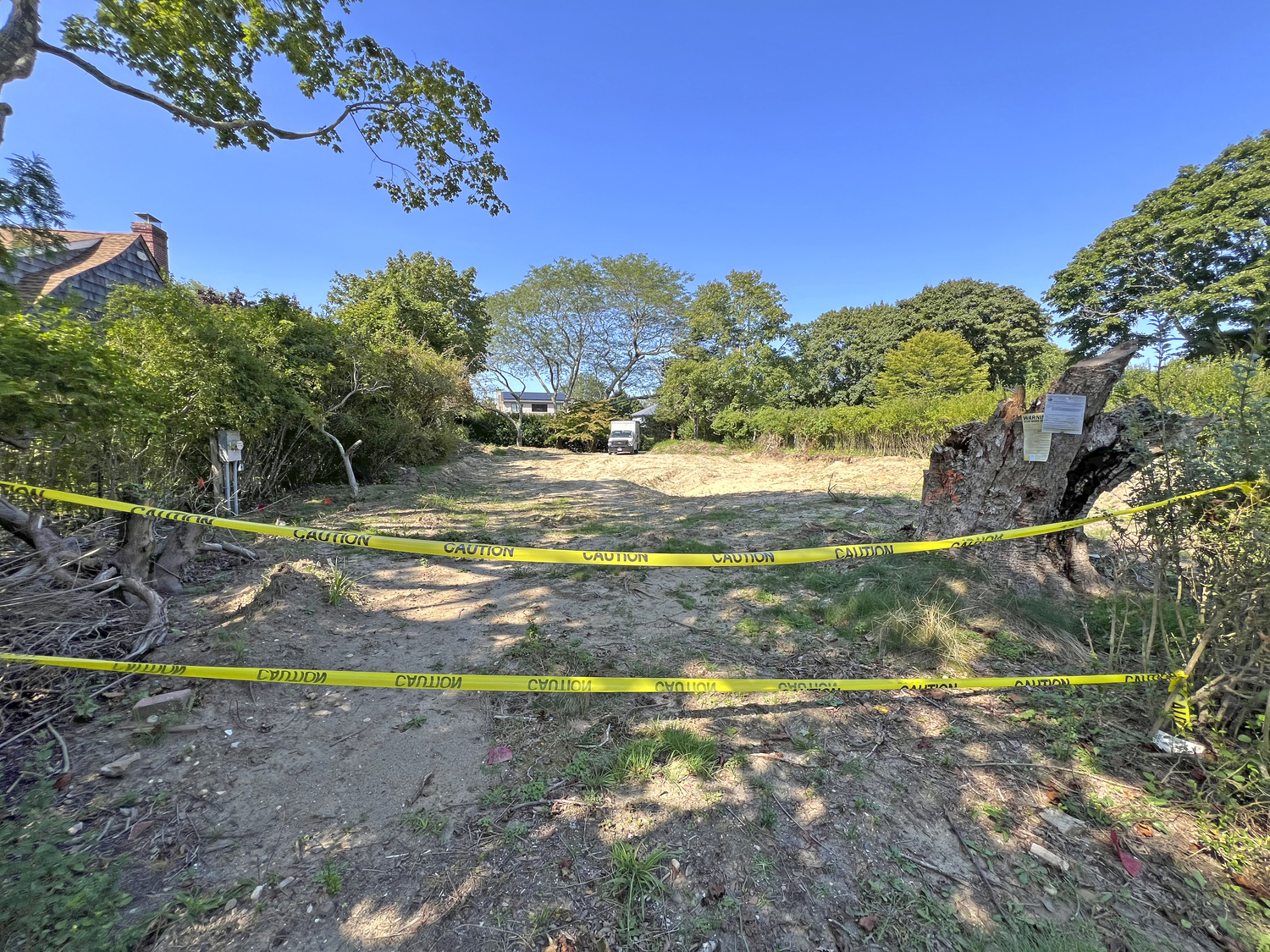
The property on Ochre Lane in Southampton. DANA SHAW
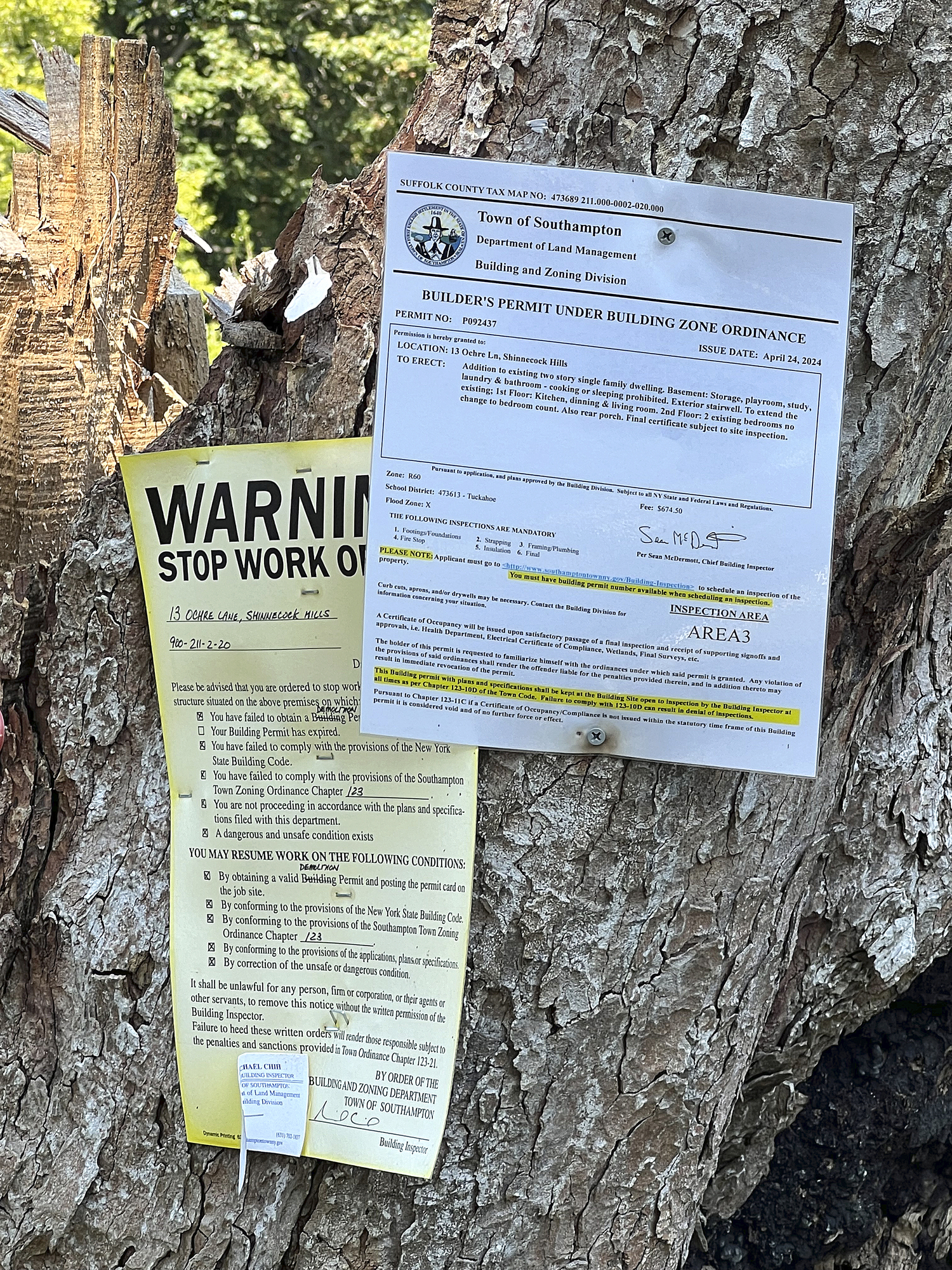
The property on Ochre Lane in Southampton. DANA SHAW
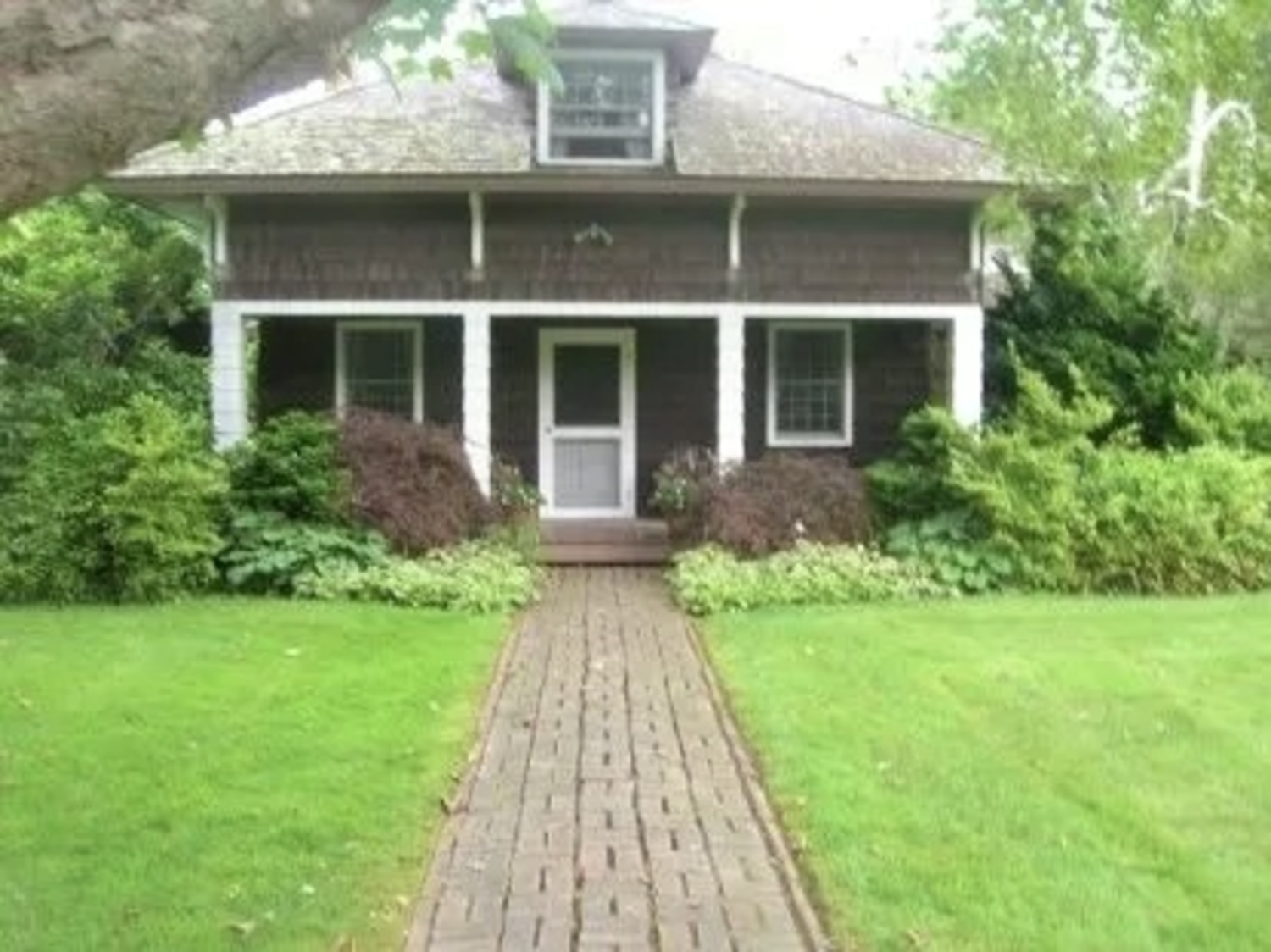
The original cottage at 13 Ochre Lane, built in the late 19th or early 20th century as part of the artists colony that sprang up around art classes taught by William Merritt Chase and become known as the Art Village. The cottage was razed earlier this summer without a demolition permit.
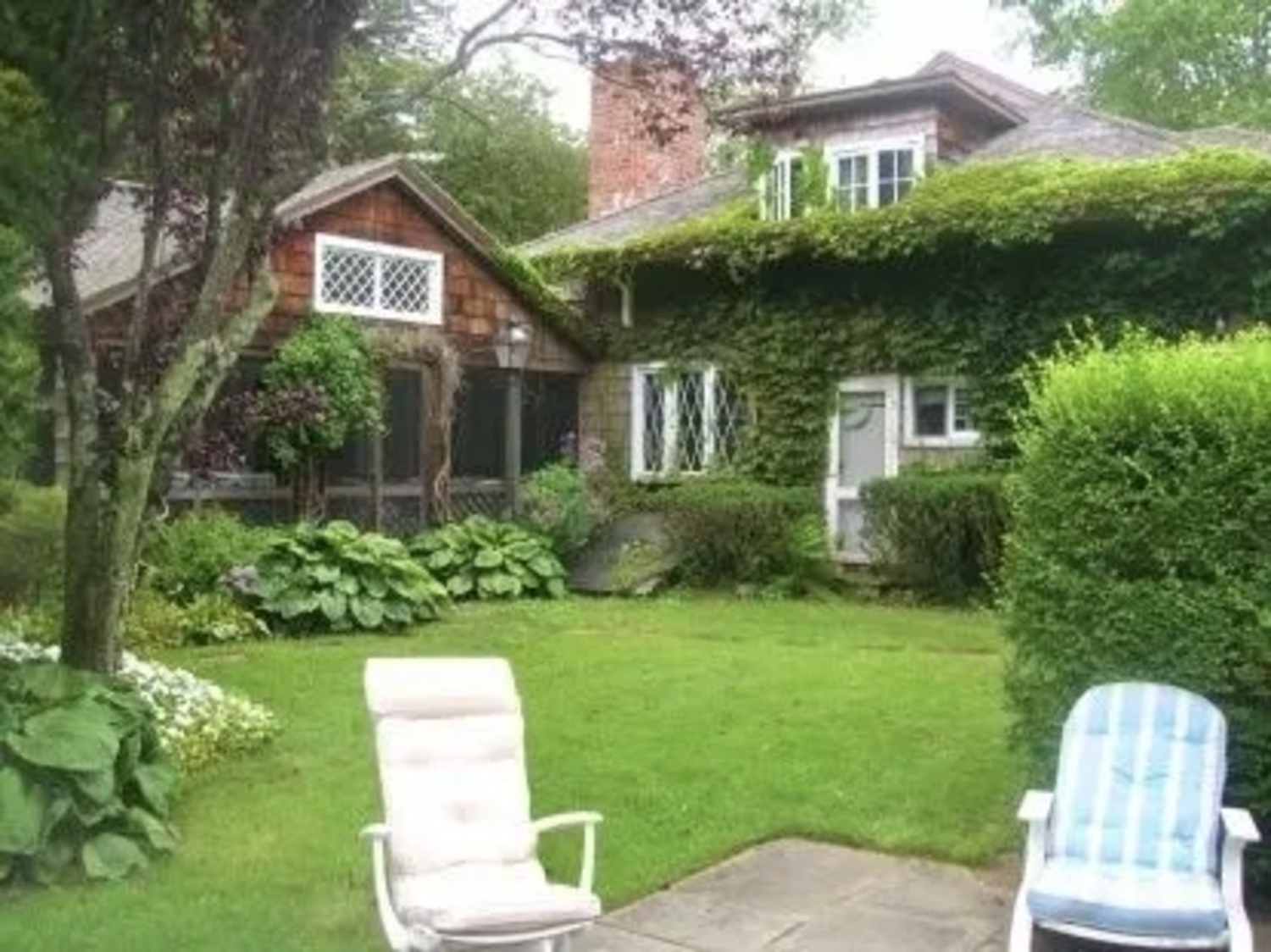
The original cottage at 13 Ochre Lane, built in the late 19th or early 20th century as part of the artists colony that sprang up around art classes taught by William Merritt Chase and become known as the Art Village. The cottage was razed earlier this summer without a demolition permit.
Historic preservationists and residents of Southampton’s famed Art Village are lamenting the apparently illegal destruction of one of the cluster of cottages built in the late 19th century and very early 20th century around William Merritt Chase’s studio, and the art classes he taught there, and is credited with having sparked the rush of wealthy Gothamists to the South Fork.
The home at 13 Ochre Lane just west of Southampton Village was demolished in early July, neighbors said, when they thought the construction work at the site was only going to be a renovation and expansion of the original structure.
A town stop-work order posted on the property has halted any work there and says that the project was in violation of town code for not having had a demolition permit, as is required for the tearing down of any structure.
“In April, a building permit was put up for an extension at the rear of the house — but then in early July, the bulldozers came and cleared the entire property,” said Theresa Stone, who lives nearby. “One of the neighbors spoke to someone there, and they said that they had found the house to be in very bad condition … and that they were going to start from scratch.”
That was not a decision that whoever ordered the structure’s destruction was free to make on their own. The stop-work order posted at the property shortly thereafter says that the work was done without the benefit of a necessary demolition permit, did not comply with the plans and specifications submitted to the town Building Department, and had created a dangerous and unsafe condition.
The building permit issued on April 24 said that the construction work to take place at the property was for additions to the existing two-story house, extending the existing first and second floors and a rear porch.
According to Southampton Town records, the cottage and property are owned by Chang Ge. Ge is the daughter of Roger Samet, who had owned the house since 1972 and died in 2023.
Reached by phone this week, Ge said that the project had all the required permits and that they house was going to be rebuilt. “We are rebuilding the house,” she said.
The stop-work order remained in place on Tuesday.
The cottages of the Art Village are all that remain of what was, essentially, the campus of the Shinnecock Summer School of Art, a plein air art school lead by William Merritt Chase that sprang up around Chase’s studio in 1891.
The school, which included the lost structures of Chase’s studio, with its attached dormitory, and a mess hall, was built on land purchased and donated by wealthy Manhattan denizens that were laboring to make the South Fork more comfortable and appealing to those arriving from the city in summer. Renowned future architects Grosvenor Atterbury and Katharine Budd were both adult pupils at the school.
“When Chase left, the school closed but the artists stayed,” said Alan McFarland, who lives in one of the remaining Art Village cottages. “There were 10 or 11 houses, lots of very little houses, some bigger. They were all summer cottages, so they have that particular style. Several of them have been preserved perfectly.”
All of the Art Village structures are believed to have been built during the time the school operated, from 1891 to 1902, but it’s not known exactly when the cottage at 13 Ochre Lane was built.
“It’s a disgrace to tear [any of] these houses down — it’s like ripping the history of Southampton out of existence,” Anne Surchin, an architect and historic preservation expert who has served on East End landmarks boards, said of the destruction of the cottage. Surchin, a columnist for The Express News Group, also authored the book “Houses of the Hamptons,” which contains a chapter dedicated to the Art Village.
Only one of the Art Village cottages — the smallest of those remaining, known as a “Laffalot,” a nickname given to its original owner, Zella de Milhau — is landmarked by Southampton Town. It was recently relocated to another of the Art Village properties and extensively renovated.
Preservationists like Surchin have long said that all the existing cottages should have been landmarked either individually or collectively to protect them from destruction or alteration in a way that robs the surroundings of its historic context.
“The Art Village is so important in Southampton history because … it attracted a lot of people to Southampton and made a lot of people want to move to the surrounding area,” Surchin said. “It should be landmarked, or made its own [historic] district, that would be the best thing.”


 Michael Wright on Sep 4, 2024