


 17 Photos
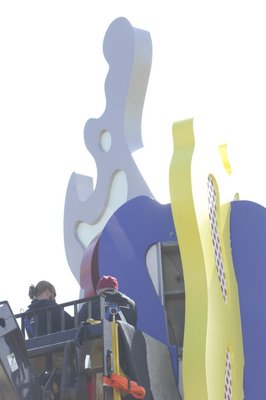
Two Roy Lichtenstein were installed on the grounds of the Parrish Art Museum in Water Mill last week. DANA SHAW

Catherine Arcure demonstrates silverware usage. DANA SHAW
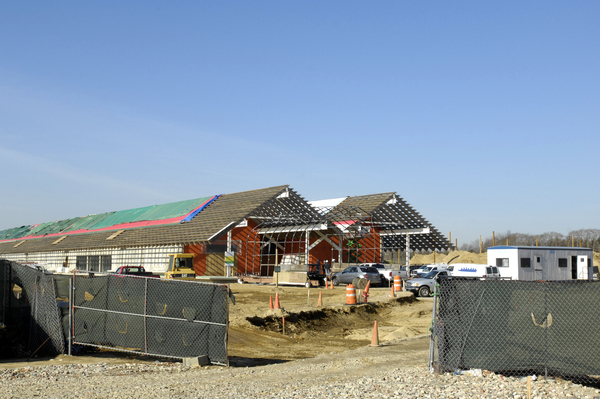

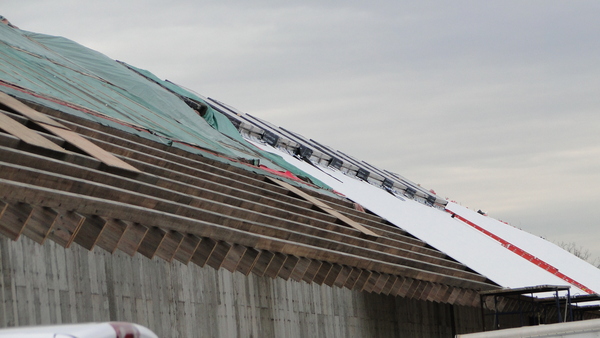
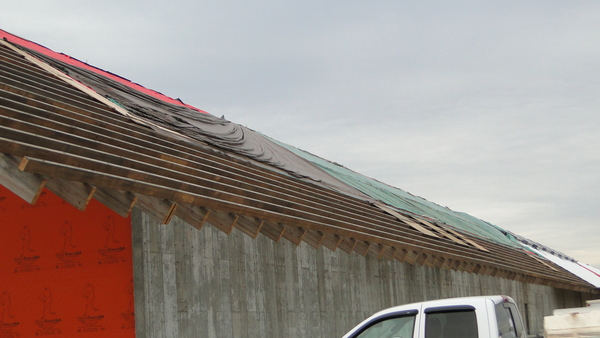
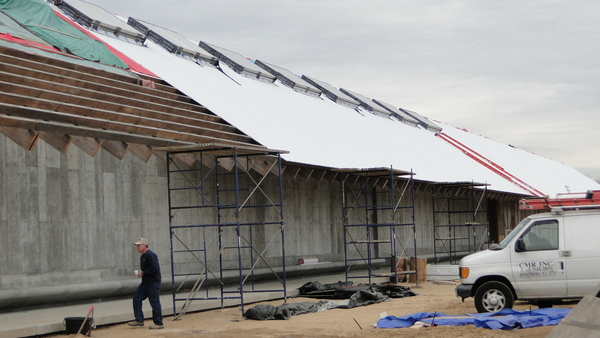
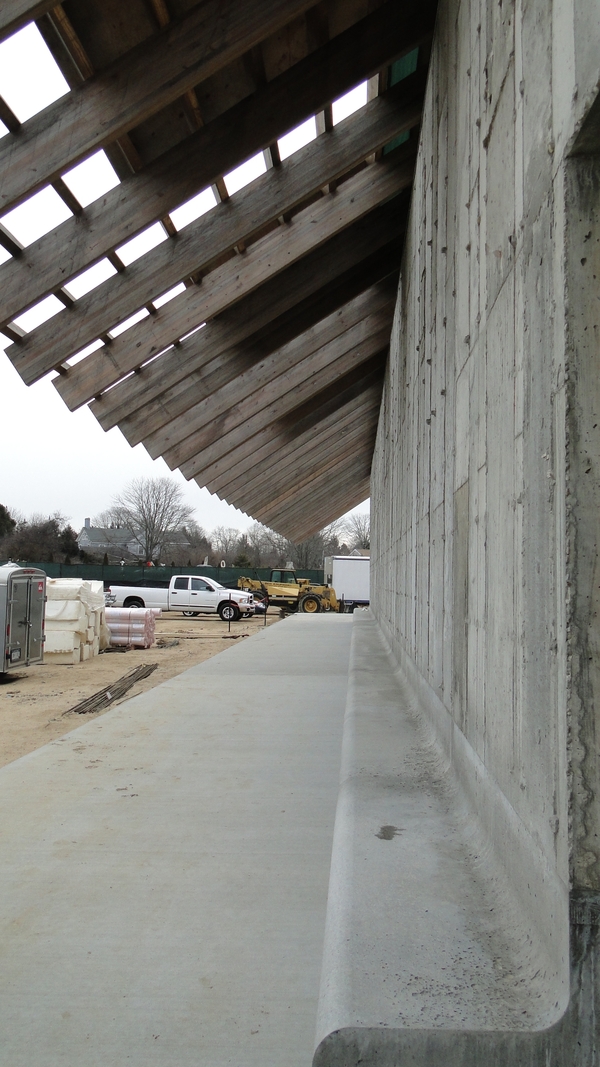
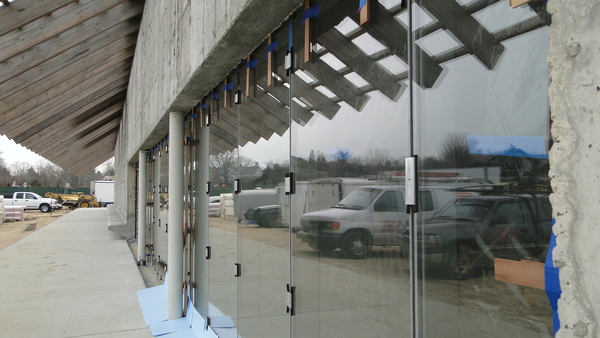
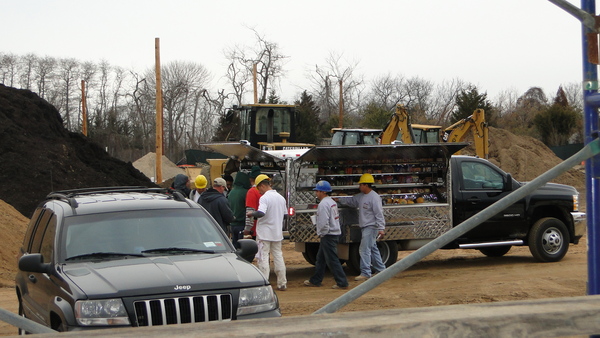
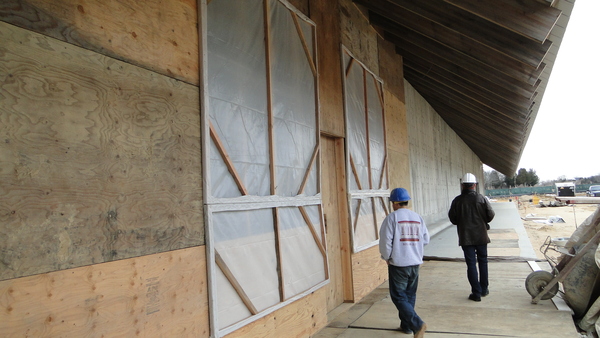
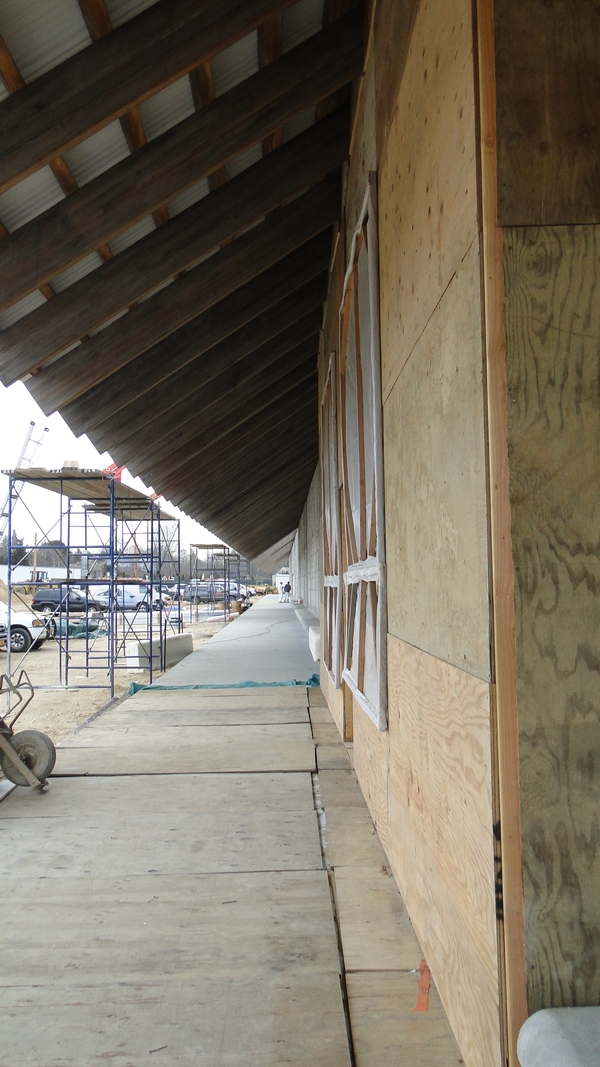
To motorists whizzing by the new Parrish Art Museum on Montauk Highway in Water Mill the past few months, construction of the building may have appeared to be in a state of skeletal stagnation. But could it be an optical illusion?
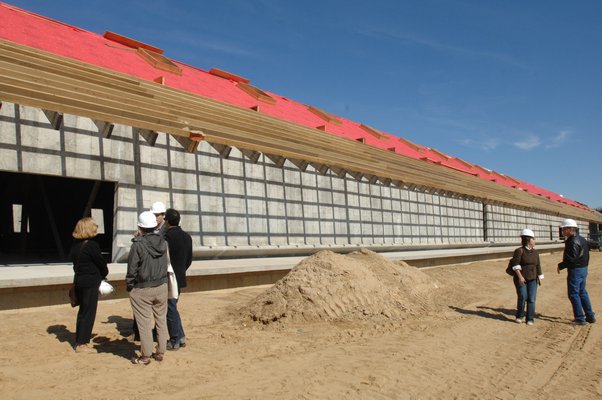
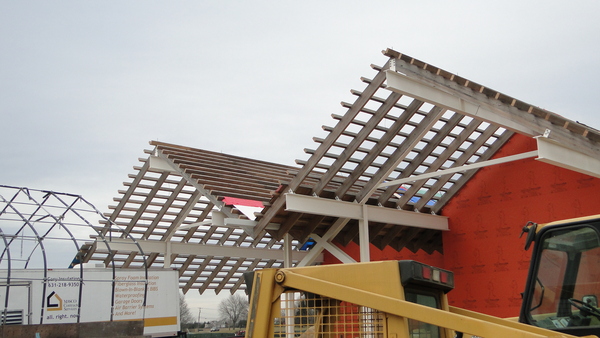
That is what Anke Jackson, the museum’s assistant director, suggests. While it appears that the installation of the building’s roof has stalled, the roof’s south side—the one facing the road—is the last of the four sides to be topped with white corrugated metal, she explained on Monday. The northern roof has seen some metalwork inch along from west to east, but the “valley” of the roof—the two sides that slope inward along the building’s spine—are just about done. Hidden from view, the valley had to be done first to best address drainage issues. A section of roof was also sent to an architectural testing facility in Pennsylvania, she said, to test its strength in hurricane-force winds.
“It’s hard to understand from the road how much of the roof has been completed,” Ms. Jackson said. Nonetheless, all four sides should be complete within about three weeks, in early March, she said.
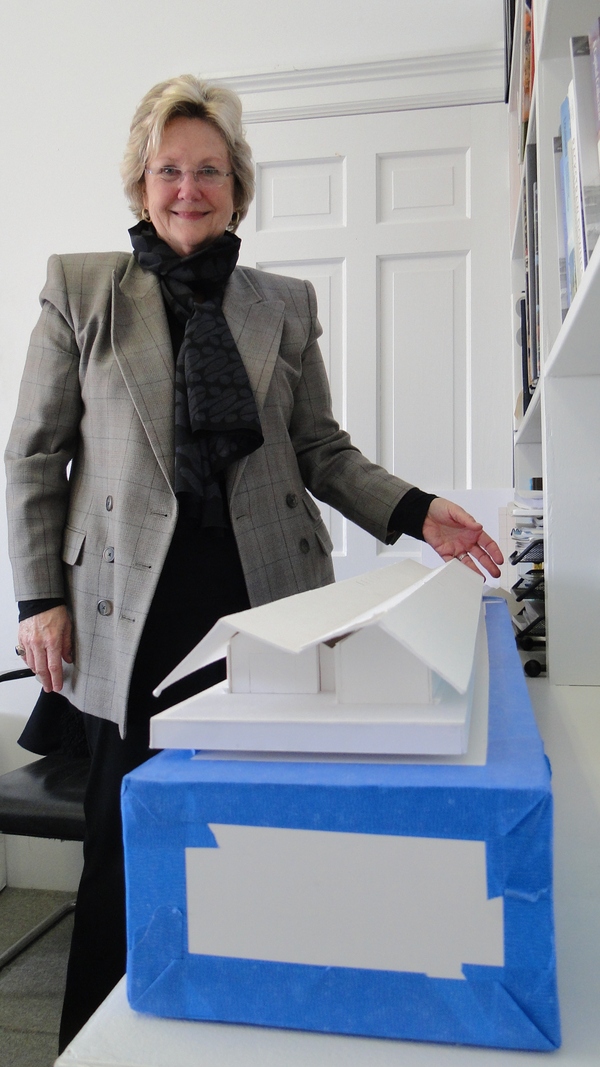
Despite scuttlebutt among local architects and builders questioning the progress of the building, Ms. Jackson said construction is coming along hitch-free, and should be completed on time by next fall. But she also pointed out that it takes time to finish such a large undertaking—building a 614.6-foot-long, 34,500-square-foot museum, including more than 12,000 square feet of gallery space, on 14 acres of land. The final product is intended to resemble an elongated barn with plenty of central skylights to emphasize natural light and glass to allow patrons to see straight through the building.
“It looks like a very simple building, but it’s actually a very sophisticated and complex building that takes a lot of time to plan and to build,” Ms. Jackson said while at the site on Tuesday, gazing up at the museum, a “Parrish Art Museum” hard hat on her head.
In addition to the massive scope, the project demands precise planning to ensure that such factors as temperature, humidity and ultraviolet light filtration are all suitable for the artwork. The site also had some drainage issues, she said. She dismissed rumors of “off-gassing”—the release of chemicals from construction materials, paints or varnishes—that could degrade paintings and other art.
The museum’s groundbreaking took place in July 2010 and construction started the following month. Its original opening date of July 2012 has already been pushed back three months to mid-to-late October, which Ms. Jackson said museum officials “continue to contemplate.” No unforeseen issues have arisen, she said.
July is the new target date now for substantial completion of the museum. Last March, museum officials said they expected substantial completion by the first quarter of 2012.
Will the new museum really open in October?
“I think we’ll do everything we can,” Ms. Jackson replied with a smile. “Absolutely.”
She said a date for when the Parrish will leave its current site on Jobs Lane in Southampton Village cannot be “identified at this point,” however, but the Parrish will likely not occupy both buildings simultaneously. Once the Water Mill museum is fully functional, then a moving schedule will be made, she said.
Last fall, the Parrish extended its rent-free lease at the village-owned Jobs Lane site for an additional year, from October 2012 to October 2013.
Mark Segal, a Parrish spokesman, said the project remains within its $26.2 million budget and that the Parrish has raised more than 85 percent of that figure. For comparison, in March 2011, the museum said it was around the 80-percent fundraising mark.
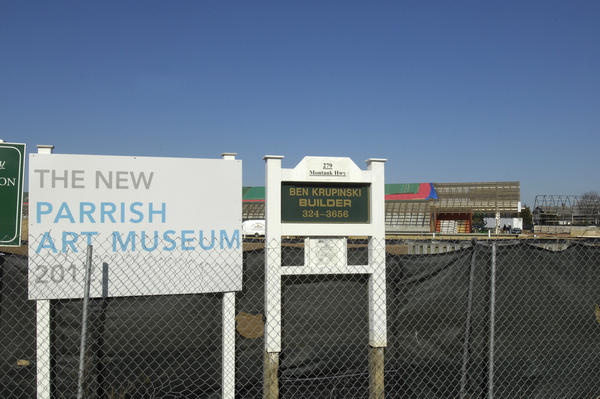
Scuttlebutt among architects and builders reportedly questioned the progress of the museum recently, but workers involved with the project, such as those from Ben Krupinski Builder, the local contractor for the project, were not available for comment last week or this week. Parrish officials later said they were not authorized to speak about the project.
As she walked around the perimeter of the building this week, Ms. Jackson pointed out several features that are still being completed, such as the stuccoing of the northern exterior gallery entrance and the completion of the glasswork on the cafe “curtain wall.”
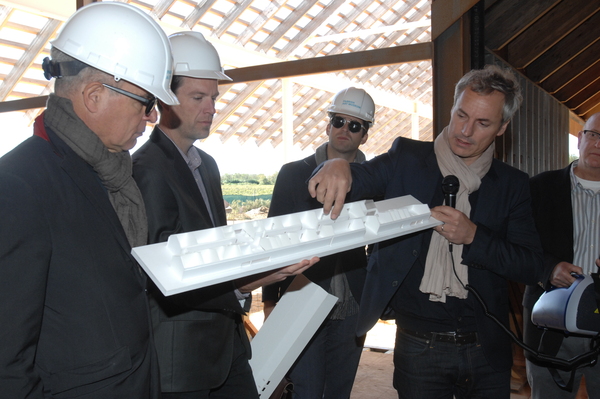
The new museum is designed by the Swiss architectural firm Herzog & de Meuron, which also designed the famed “Bird’s Nest” athletic stadium used for the 2008 Olympics in Beijing.
“This is the project of a lifetime—especially for the East End,” Ms. Jackson said. “It’s a labor of love.”


 Colleen Reynolds on Feb 15, 2012