


 4 Photos
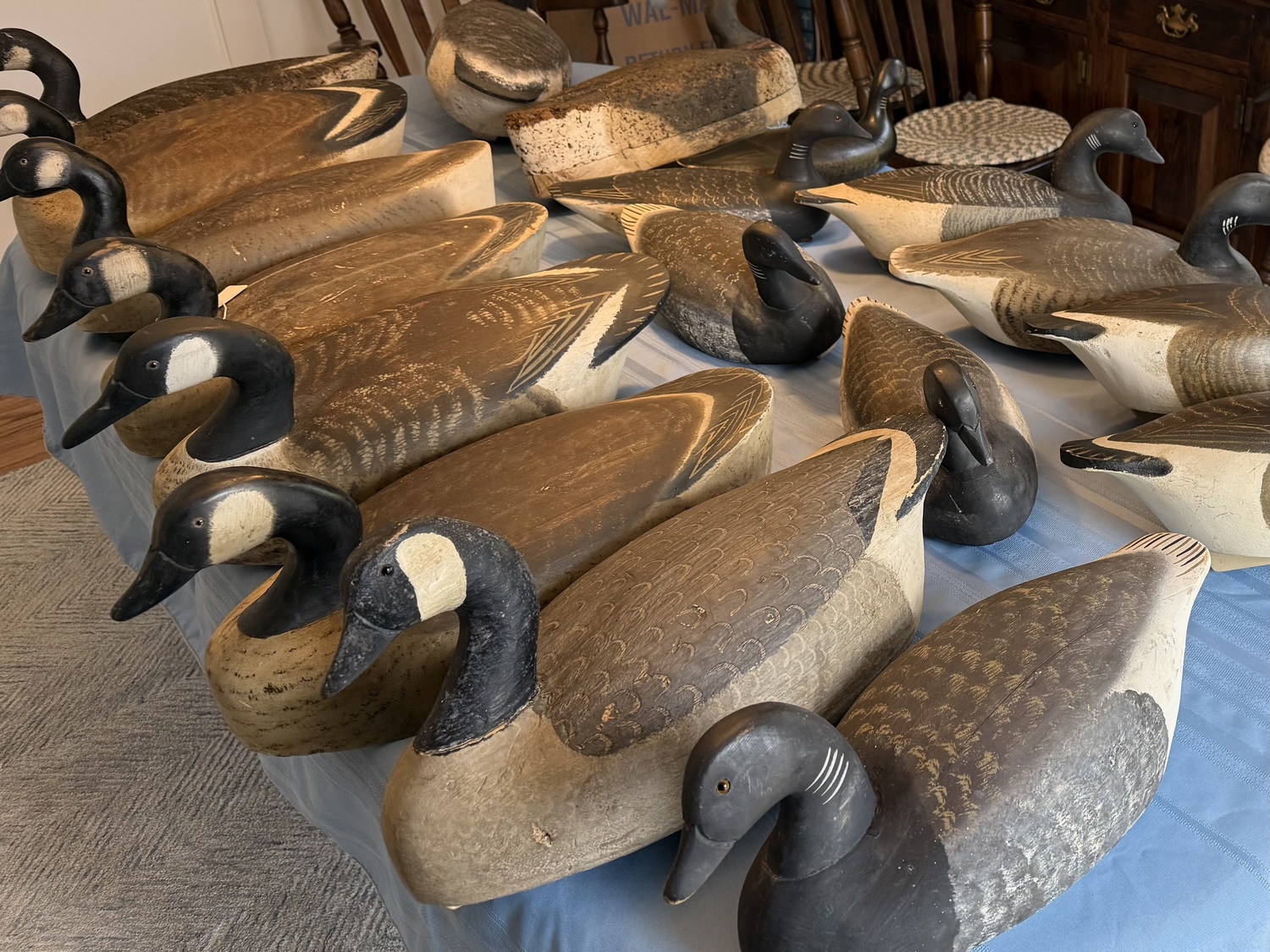
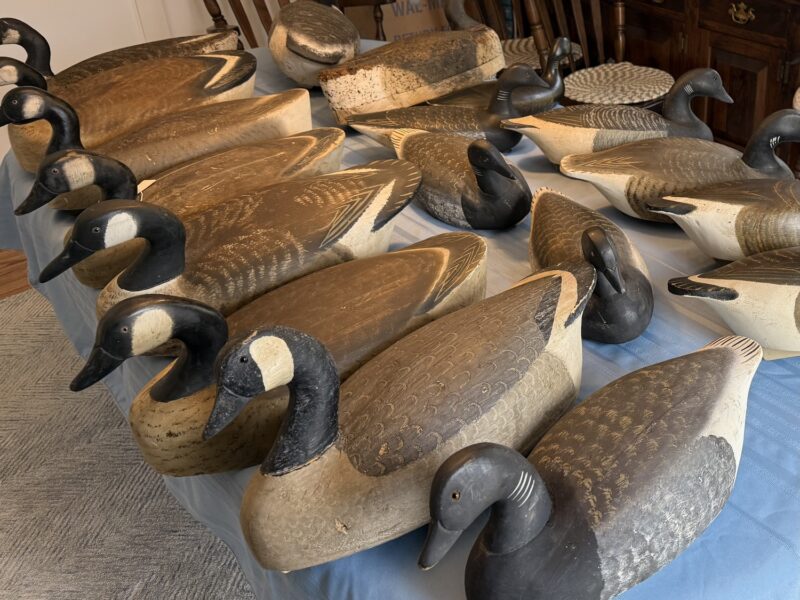
Goose and brant Wildfowler decoys from the collection of Ted Sadlier.
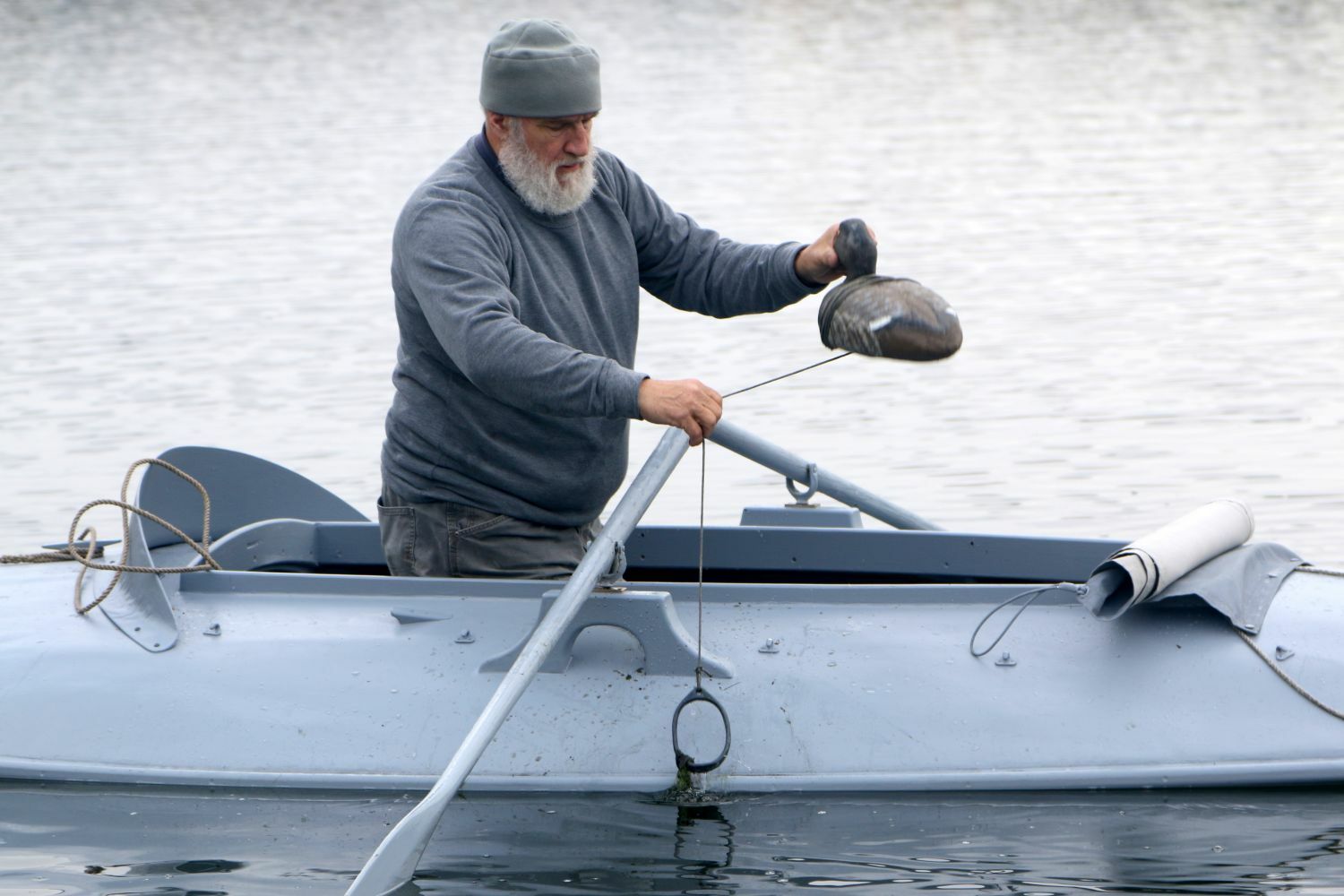
This painstakingly restored 1920s-era Great South Bay "scooter" layout boat will be on display at this year's Long Island Decoy Collectors Association show on March 8 in Hauppauge.
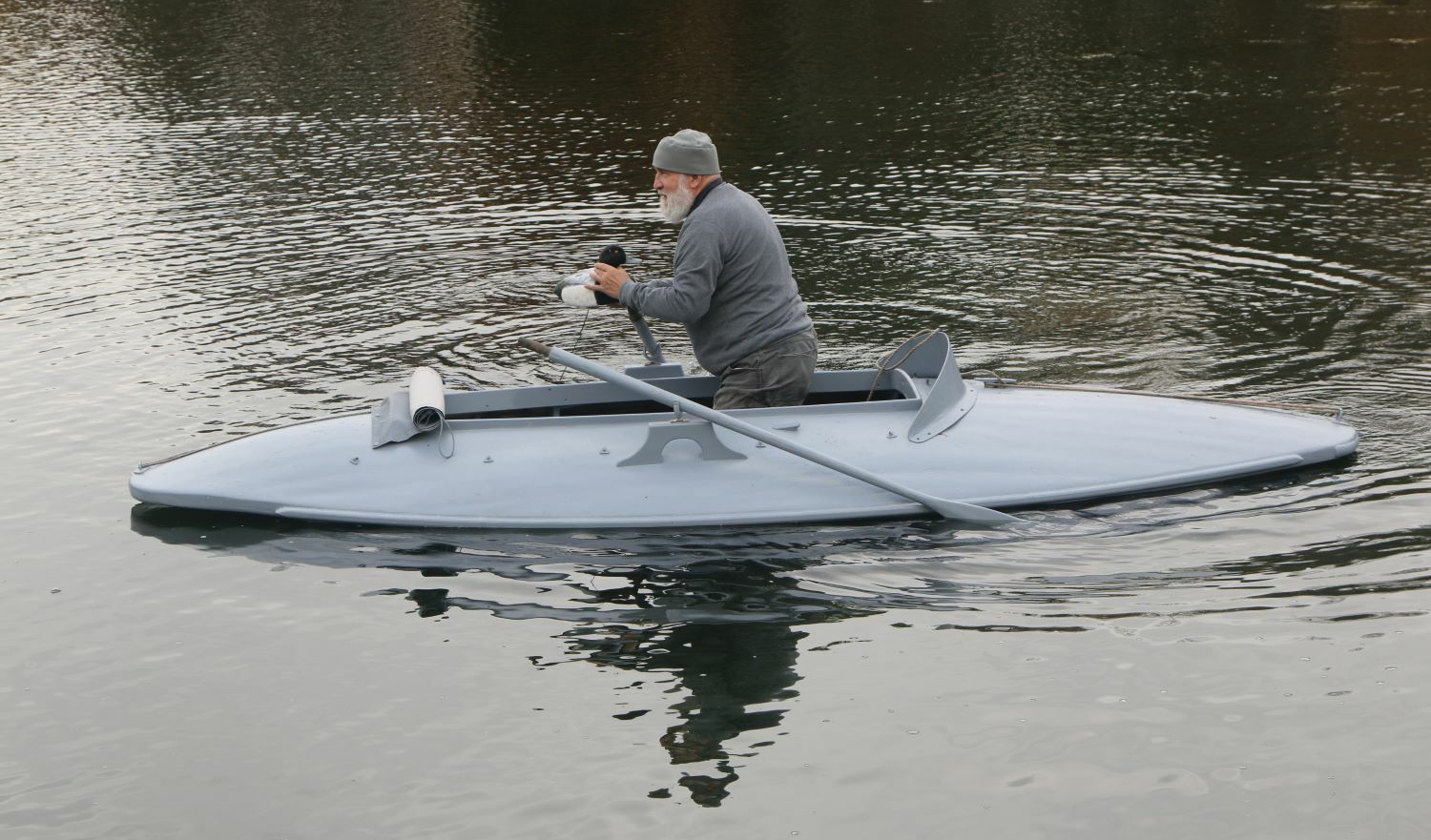
This painstakingly restored 1920s-era Great South Bay "scooter" layout boat will be on display at this year's Long Island Decoy Collectors Association show on March 8 in Hauppauge.
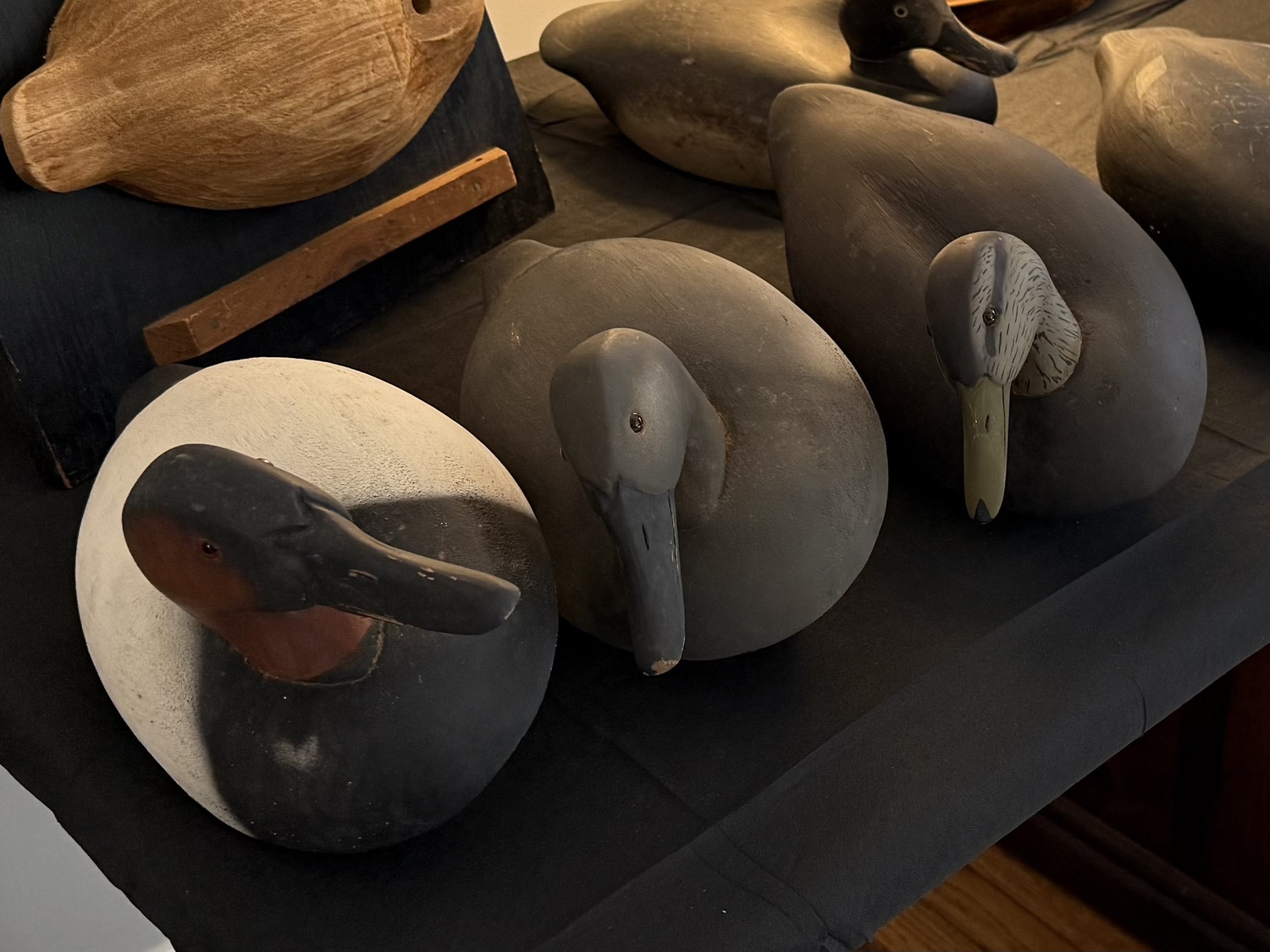
Canvasbacks and blackduck by Wildfowler Decoys, which made in Quogue in the late 1950s and early 1960s.

The end of the duck hunting season is always a melancholy time for sportsmen, with months to come with little outdoor sporting to be had (unless you have a place to hunt rabbits).
But there is something I always loved about the stack of decoys at season’s end. The blackduck and broadbills piled high, jumbled together, some still carrying ice or meadow grass and some marsh mud, scrapes and dings and pellet holes marring the autumn paint jobs, waiting in transition between the duck boat they called home for the last few months and the garage rafters where they will hibernate till next fall. A hard day’s night.
For my whole life, that pile was primarily made up of broadbill stool from Herters, the Minnesota company that made the decoys that my dad had grown up hunting over. That was the case for lots of Long Island hunters, too, for whom the oversized Model 72 bodies were perfect for the large spreads needed for attracting broadbill (they call ’em bluebills in the Midwest) across big water.
In the Shinnecock Bay region, however, many, if not most, hunters in the postwar decades were using a similar brand made by Wildfowler Decoy Company, which were made primarily up in Old Saybrook, Connecticut, but were for a handful of years made right here in Quogue.
Both Wildfowler and Herters decoys will be the featured stars of the 53rd annual Antique Decoy & Sporting Collectibles Show put on by the Long Island Decoy Collectors Association in Hauppauge next Saturday, March 8.
There are a number of local hunters who still have Wildfowler Decoys in their spreads or their antiques collections, even though most of those spreads now rarely leave the barn, since the days of big effort going into hunting broadbills are more or less gone.
Wildfowlers were magnum-sized decoys made of balsa wood, hollow or solid pine, and occasionally cork, with wooden heads. From the late 1930s until 1958, they were made in Connecticut, but for four years, from 1958 to 1961, manufacturing was moved to Quogue, where their production was taken over by Rob Staniford and a lot of local hunters who worked with him.
The factory itself became something of a clubhouse for local hunters at the time, and that became the roots of the Long Island Decoy Collectors Association and the start of the annual showcase.
Ted Sadlier, the former chief of the Southampton Town bay constables, has probably the largest collection of the old Wildfowlers — including a set that belonged to a young hunter and carver who drowned in a boating accident in the late 1960s, and a string of decoys, stamped with the imprimatur of the Quogue factory, that another bay constable found adrift in Peconic Bay in the early 1980s.
Sadlier curated the display of several dozen Wildfowler decoys, as well as old product catalogs and pricing sheets, that will be on display at the show and will also be selling some of his collection for those interested in securing a piece of South Fork hunting history.
The show also will celebrate George Herter’s decoy company, which started in 1938 and became one of the earliest mass producers of wood working decoys in the days before plastics and the Styrofoam bodies that Herter’s switched to in the 1960s and used until it shut down in 1990 as more and more lifelike plastic decoys came onto the market.
There will be the annual celebration of duck boats, with the huge duck boat exhibition — a chance for crafty mobile hunters to show off their ingenuity and craftsmanship, and a lot of them bring their decoy rigs, too (it’s encouraged by the LIDCA, so if you are thinking about bringing your set-ups, let them know through their website, lidecoycollectors.org) — and the annual competition for the best grassed duck boat. This is always my favorite part of the show, even though I haven’t hunted out of a duck boat in 20-plus years. This year’s featured vintage boat will be a painstakingly restored 1920s-era Great South Bay “scooter” layout boat that looks like it’s still ready for a day on the bay.
There will be the entertaining miniature duck boat display and a pint-sized decoy carving shop.
The Long Island Wildfowl Heritage Group will give updates on the local waterfowl research project, which is focusing this year on the Canada goose population on the Eastern Seaboard.
And, as always, the show will be crammed with thousands of antique decoys and hunting and fishing collectibles — some just on display, many for sale.
The show doors open at 9 a.m. at the IBEW Hall, 370 Motor Parkway, Hauppauge. Admission is $10 for adults, kids under 12 are admitted free, and parking is free.
Go to lidecoycollectors.org for more information or to register for a display space for your duck boat and decoy rig.
More Posts from Michael Wright


