


 5 Photos
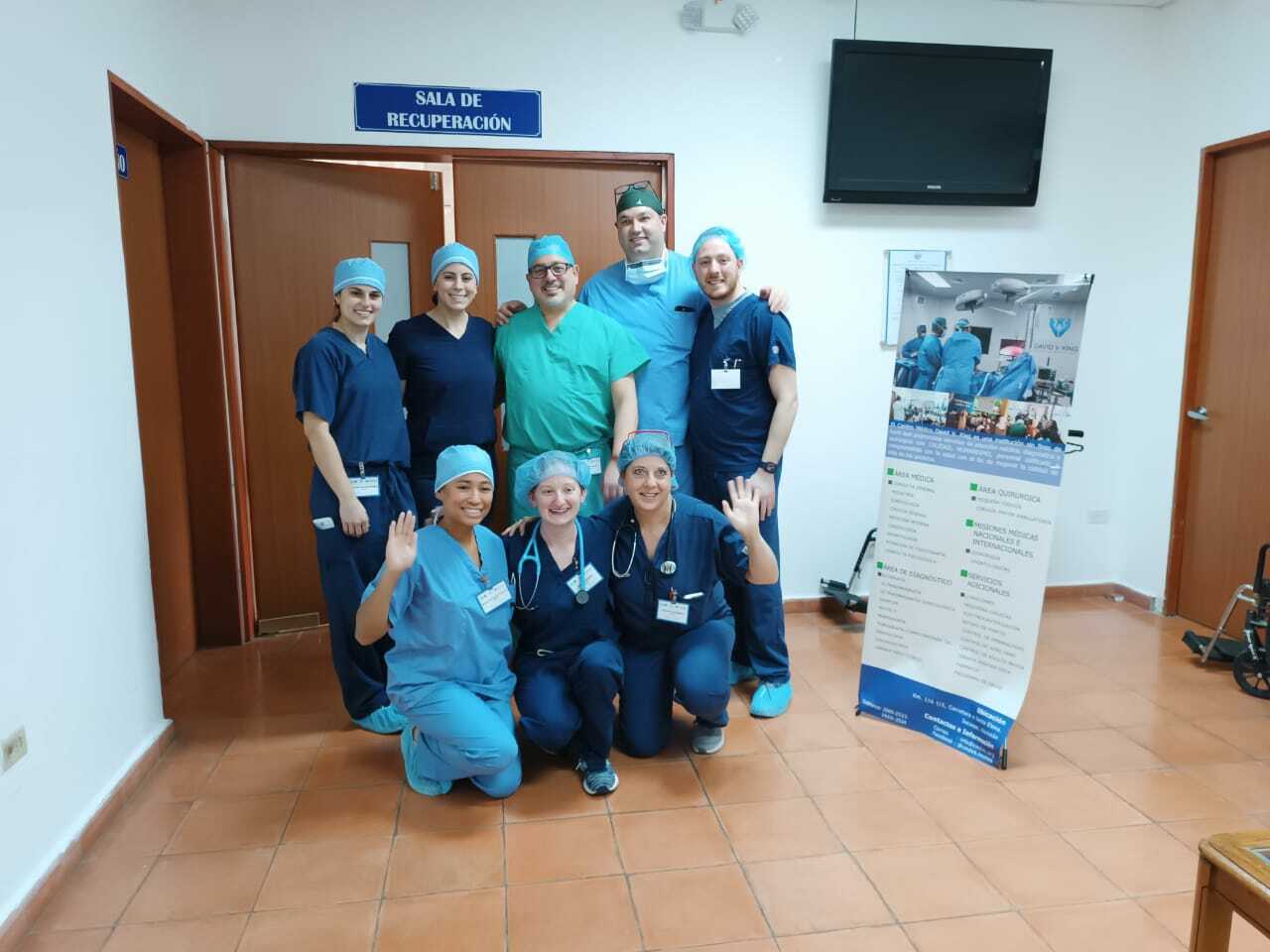
The surgical team, led by Peconic Bay Medical Center's Dr. Agostino Cervone, that provided life-saving care in El Salvador. COURTESY PECONIC BAY MEDICAL CENTER
Inside the operating room of the David V. King Medical Center in Jucuapa, El Salvador, during a surgical trip led by Dr. Agostino Cervone, director of general robotic surgery at Peconic Bay Medical Center. COURTESY AGOSTINO CERVONE
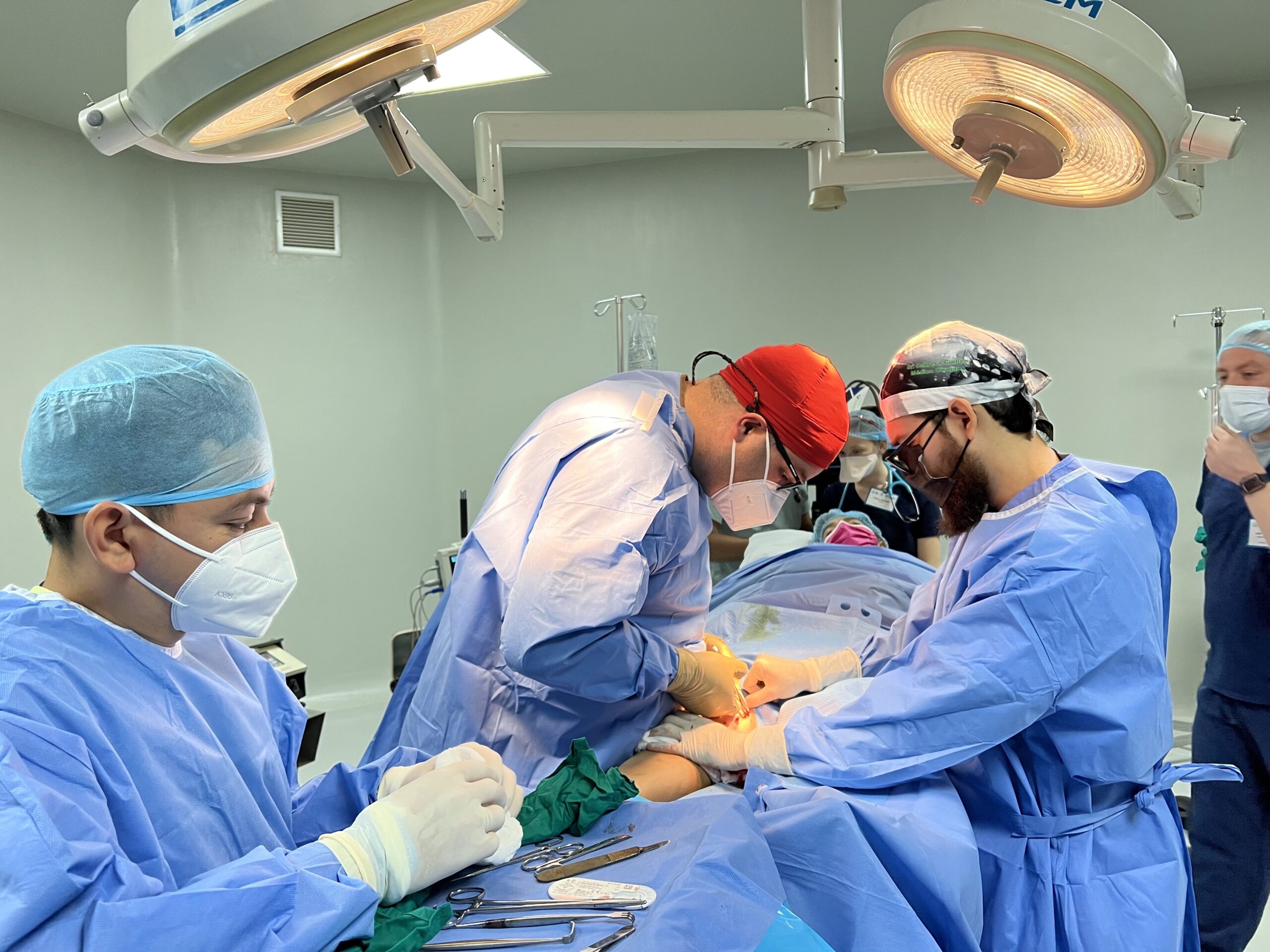
Inside the operating room of the David V. King Medical Center in Jucuapa, El Salvador, during a surgical trip led by Dr. Agostino Cervone, director of general robotic surgery at Peconic Bay Medical Center. COURTESY AGOSTINO CERVONE
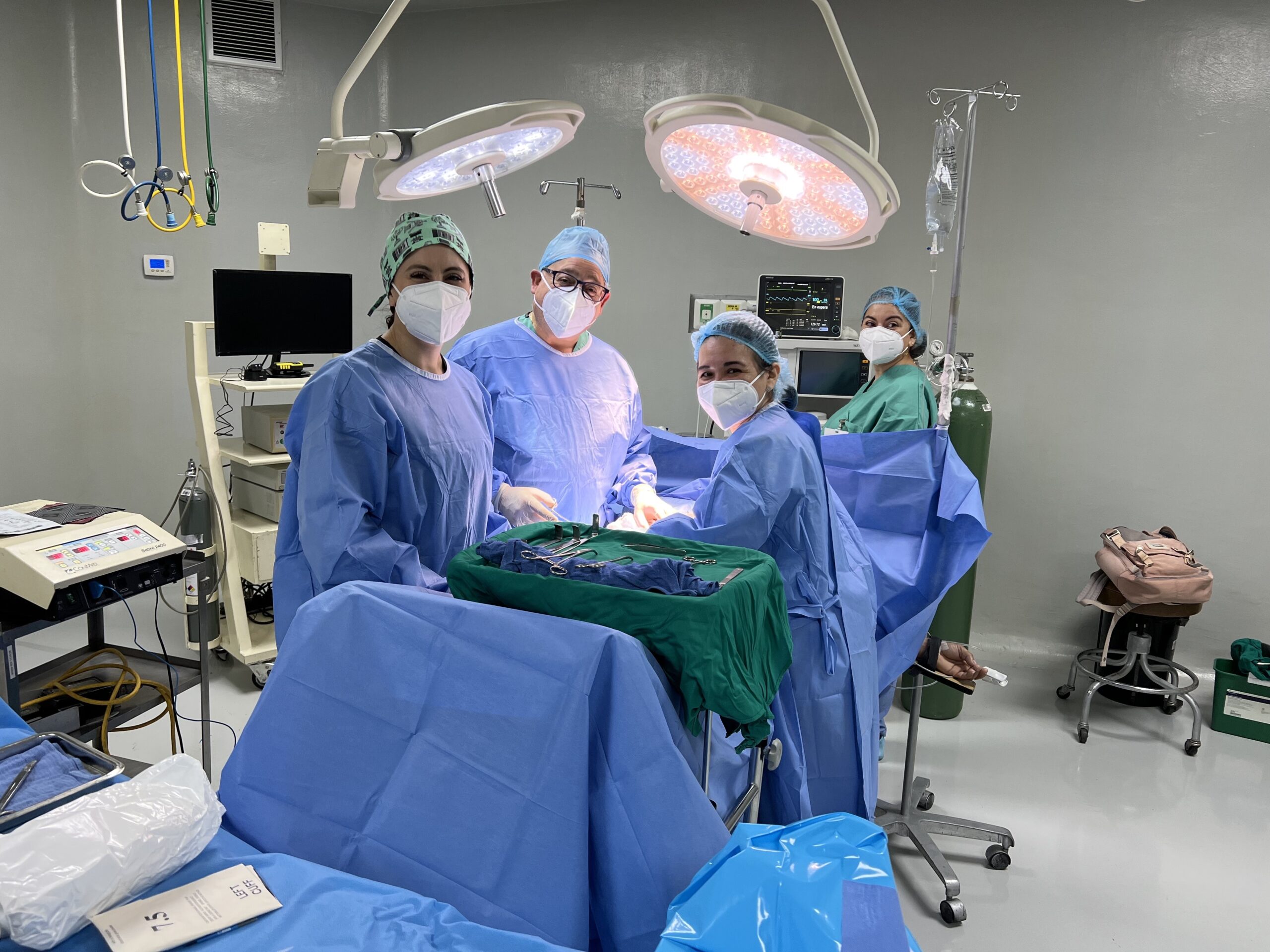
Inside the operating room of the David V. King Medical Center in Jucuapa, El Salvador, during a surgical trip led by Dr. Agostino Cervone, director of general robotic surgery at Peconic Bay Medical Center. COURTESY AGOSTINO CERVONE
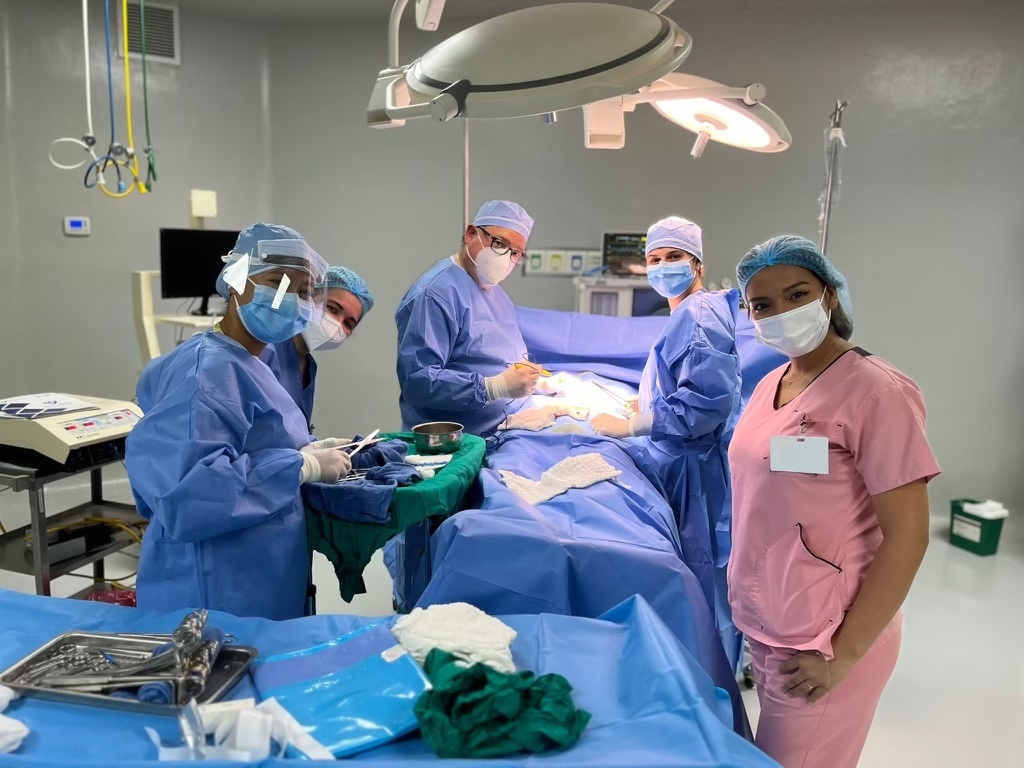
Inside the operating room of the David V. King Medical Center in Jucuapa, El Salvador, during a surgical trip led by Dr. Agostino Cervone, director of general robotic surgery at Peconic Bay Medical Center. COURTESY AGOSTINO CERVONE
In most operating rooms in the United States, the turnover time between surgeries is anywhere from 20 to 30 minutes, according to Dr. Agostino Cervone, director of general robotic surgery at Peconic Bay Medical Center.
At the David V. King Medical Center in Jucuapa, El Salvador, it’s more like five minutes, he said.
“You come out of a procedure and go get a cup of coffee, or drink some water, or go to the bathroom, and within five minutes there’s another patient on the table already,” he said. “And so you run yourself back into the operating room and keep continuing on.”
Last month, Cervone and his team of seven clinicians traveled to the rural countryside of Central America and completed 102 procedures on 80 patients in just six days, he reported. The trip is an annual tradition that began in 2018, with a goal of treating underserved communities that have little to no access to advanced medical care.
“When we come to Jucuapa to provide much-needed medical care, we understand that for these people living in a developing nation, sometimes it is necessary to make the difficult choice between food and medical treatment,” Cervone said. “They won’t seek out medical treatment unless it’s a life-or-death situation. It’s unfortunate, because here in the States, we do a lot of preventative medicine. There, unless residents have access to a clinic like this where it’s low-cost, and the clinic only asks for $4 for an evaluation, they’re not going to get health care.”
Cervone, who lives in Southampton, first led a trip to the clinic in El Salvador in 2018, in partnership with Medical Mission International and the board of the David V. King Medical Center, which opened in 2011 — seven years after the death of the man for whom the center was named.
As the story goes, King, who was a businessman, was treated for a cardiac emergency by a Salvadoran doctor, Dr. Roberto Arevalo Araujo, in Florida. He learned about the doctor’s work through Medical Mission of Mercy — which organized annual trips to El Salvador for volunteer medical personnel — and, in a gesture of gratitude, offered to help build medical facilities there.
Before his death, King co-founded Medical Mission International with Araujo and passed the torch to his son, Bradley, who serves as the organization’s president and director, and is a Peconic Bay Medical Center donor, said Cervone. In 2018, he was approached to lead the first mission trip because he had completed another, 10 years earlier, through Blanca’s House in Nicaragua.
“This was 2008, and it was my introduction,” he said. “As much as I knew what mission trips were about, I had never participated in one. After that trip, it was such a feeling of gratification out of it. It was an experience that you would not feel otherwise unless you’ve done one of these. I see the expression of people after going on these trips and they feel the same way. The bug is contagious.”
On Friday, January 13, Cervone and his team hopped in a van at Peconic Bay Medical Center and left for John F. Kennedy International Airport, arriving in El Salvador the next day. After a two-hour drive, they unloaded at the clinic and settled into their living quarters — bunk beds divided into two spaces for men and women — before the busy week ahead.
“We had two rooms that we were operating out of and these people had been screened,” Cervone said. “I knew already ahead of time what we were doing and, actually, a lot of them were left over from 2020. We were going down in March, the world shut down, and so some of those people were waiting since that time for us to come back down again.”
Come Sunday morning, they hit the ground running at 7 a.m., working every day until about 4 p.m. — treating outpatient ailments that ranged from hernias, varicose veins and hemorrhoids to lipomas, synovial cysts and more. At eight to 10 surgeries per day, the pace was grueling, and Cervone said he caught himself reflecting on what he takes for granted.
“So if we wanted a particular suture or a particular instrument, it was, ‘No, we don’t have that,’” he recalled, paraphrasing. “‘Do you have this other thing that we can substitute?’ ‘No, we don’t have that.’ ‘Okay, how about, what do you have?’ It’s, like, ‘Well, we have this.’ ‘Okay, I wouldn’t use that normally on an everyday basis, but we can.’ You make do with what you have.”
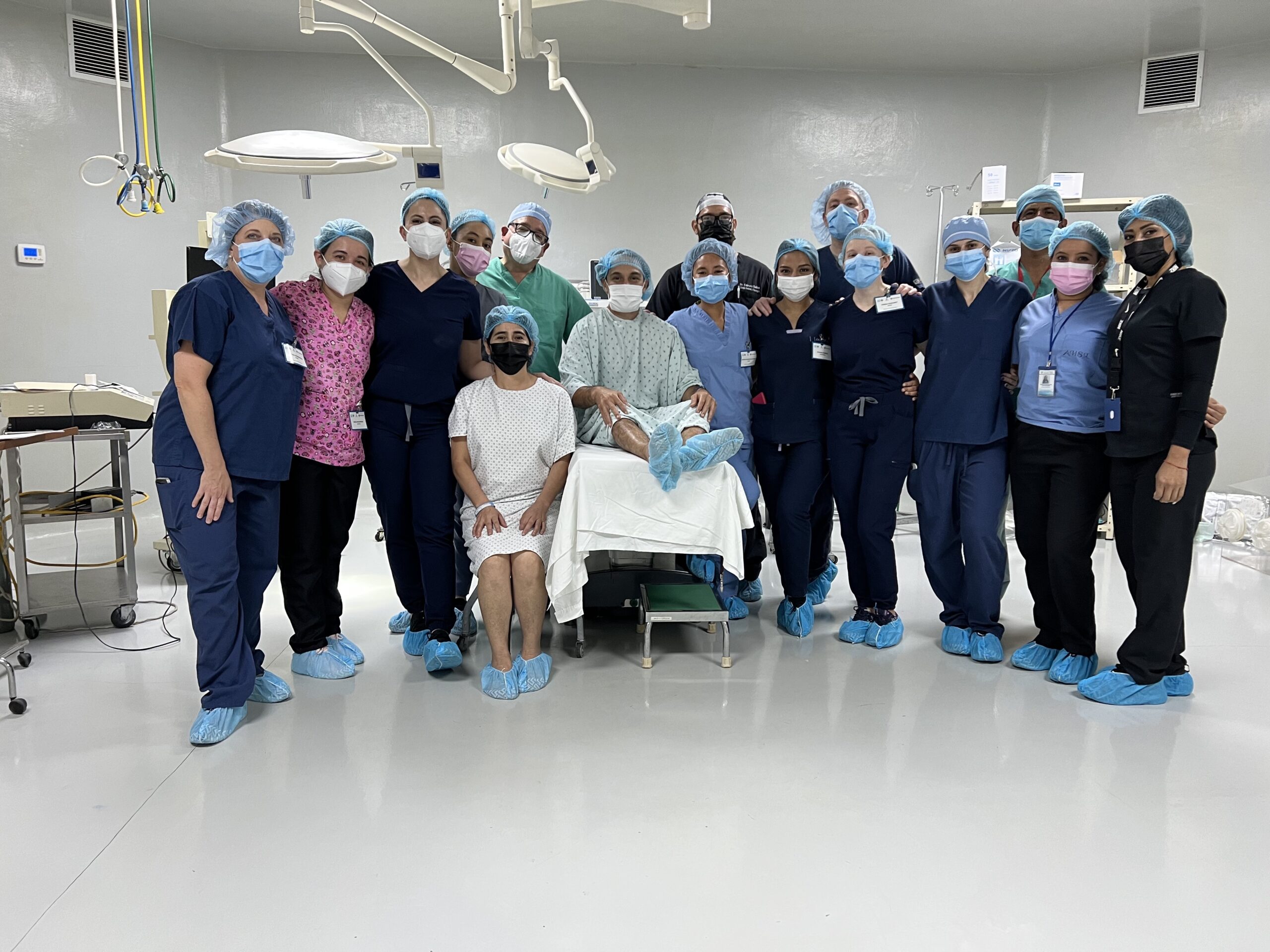
After the final surgery on Friday, the medical team gathered in the operating room with the day’s patients and took a group photo — a moment that has stayed with Cervone since returning to the United States on Sunday, January 22, he said.
“They were shaking all our hands and were so grateful. That’s when things slowed down and then we had a chance to do that,” he said. “That was just, it kind of wraps up the reason why we’re doing what we do in our lives.”
Next year, Cervone said he plans to return to the David V. King Medical Center in an effort to continue his goal of increasing health care for those in need.
“They’re very grateful and they were so appreciative of us coming down there,” he said. “For us, it was very gratifying seeing what we’ve accomplished — because we go in, day in and day out, we do what we do, and sometimes, unfortunately, it’s just a job, it feels like.
“But to have that altered feeling of gratification at the end, and then being shown the appreciation, that’s just, it’s contagious,” he continued, “and it just really feeds our quest to do it again.”


 Michelle Trauring on Feb 22, 2023