


 6 Photos
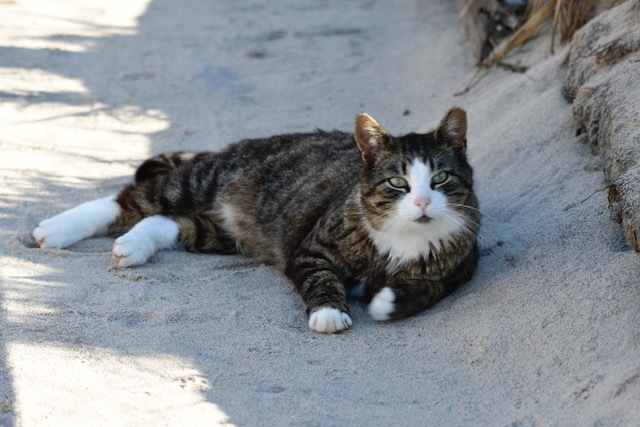
One of the feral colony cats.
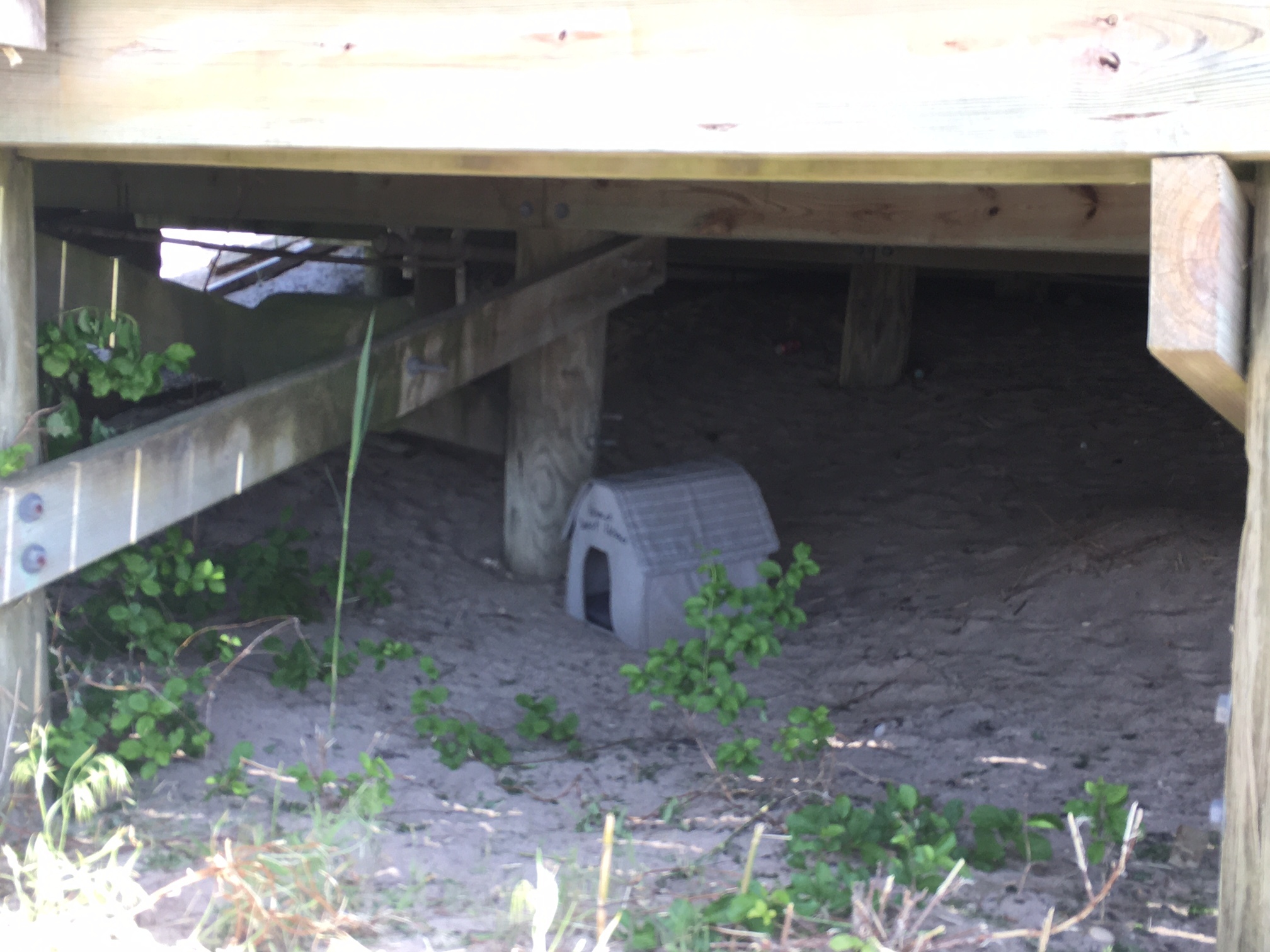
A little cat carrier turned home rests in the sand under the concession building at Sag Main Beach. KITTY MERRILL
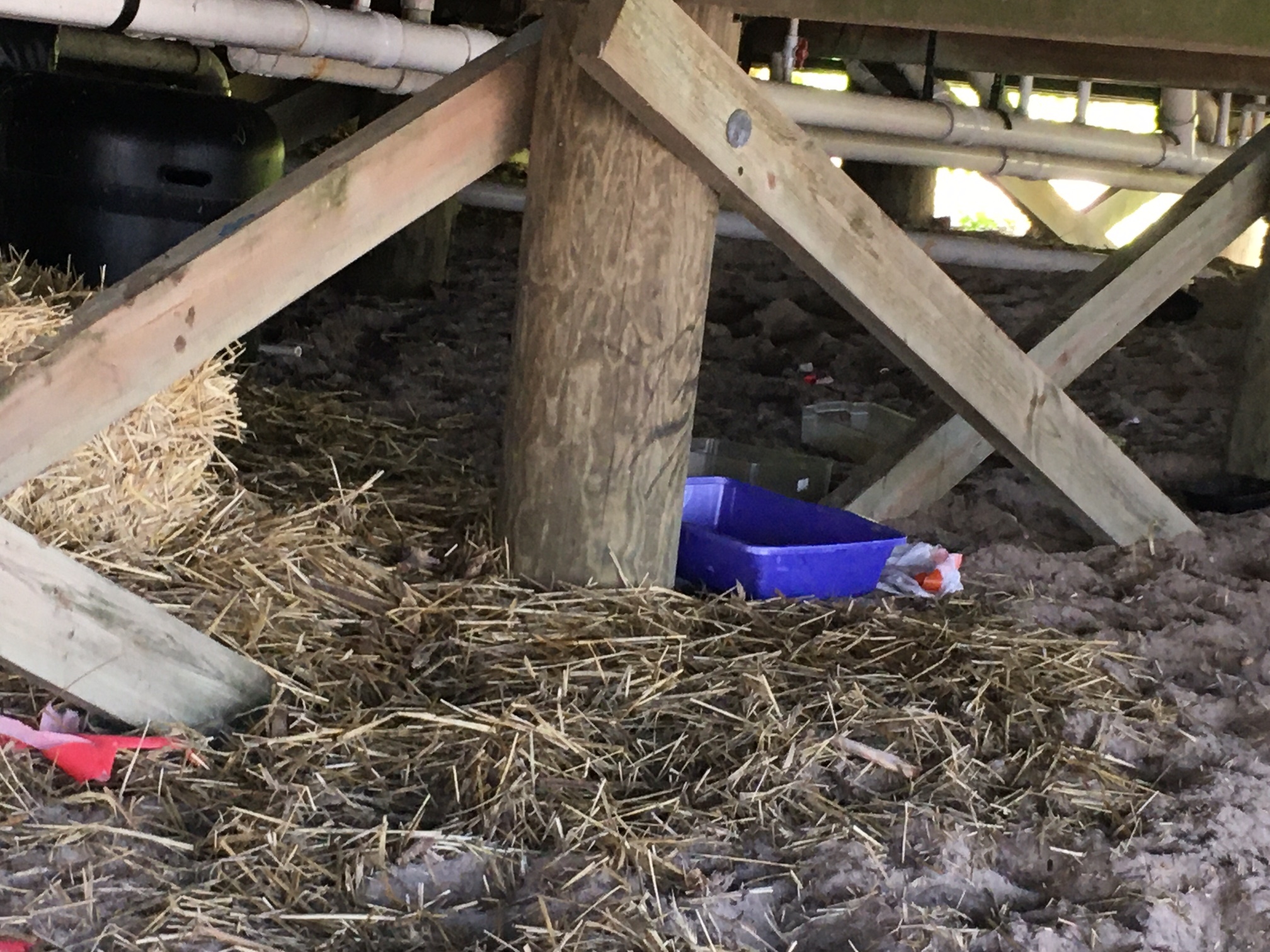
A variety of tins and pans scattered under the concession stand for feeding the feral cats at Sagg Main Beach. KITTY MERRILL
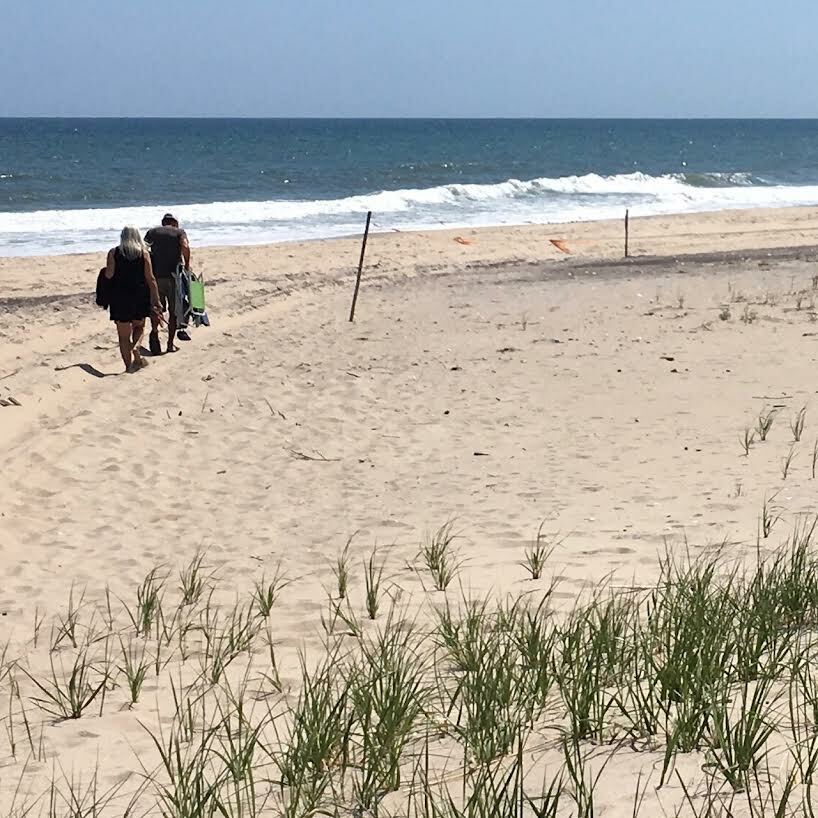
A barely visible string is used to cordon off the piping plover nesting ground at Sagg Main Beach. KITTY MERRILL
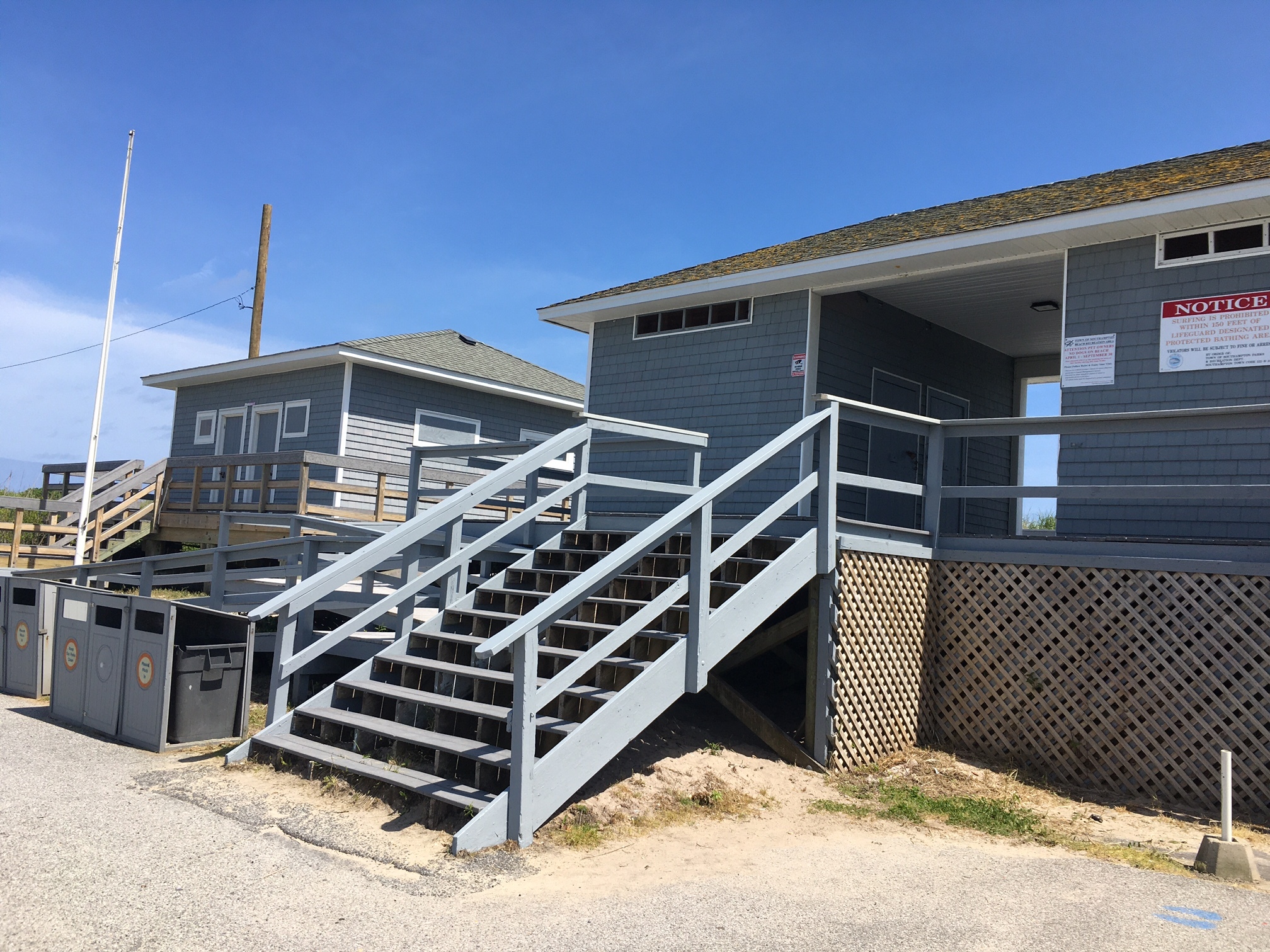
Observers say a feral cat colony lives under the concession stand at Sagg Main Beach. KITTY MERRILL
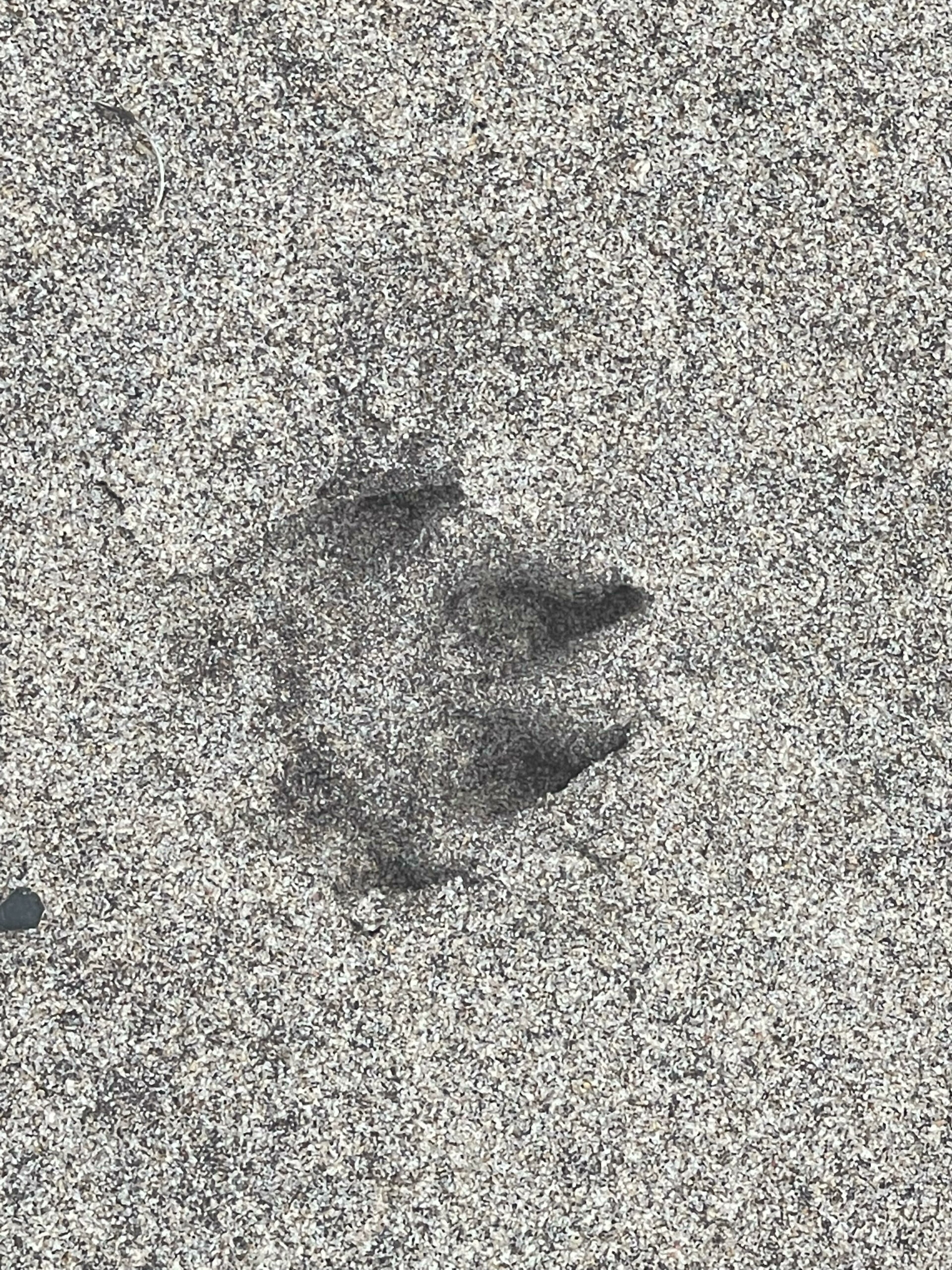
Raccoon's footprints were found in the vicinity of the plover area at Sagg Main Beach.
The feral cats at Sagg Main Beach are so big and well-fed that one laconic observer was compelled to quip: “The other day I saw two of ’em dragging a shark out of the water.”
Others take a significantly less lighthearted view of the colony that makes its home under the pavilion.
On May 4, an attorney for the American Bird Conservancy wrote the Southampton Town Trustees, requesting the colony’s removal from the area to protect nesting piping plovers — a federally protected species.
“Feral cats are among the world’s most harmful invasive species and have contributed to the extinction of 63 species of birds, mammals and reptiles,” wrote William F. Sheehan, vice president and general counsel for the Virginia-based nonprofit advocacy organization dedicated to the conservation of wild birds and their habitats. “In the United States and Canada, where bird populations have plummeted over the last 50 years, domestic cats are the top direct, human-caused threat to birds and kill an estimated 2.4 billion birds every year.”
Sheehan, who did not respond to requests for comment, wrote that the colony at Sagg Main Beach poses an “imminent threat” to the endangered birds. Local residents have seen the cats stalking nesting birds, he said, and in addition to hunting and killing the chicks, they interfere with nest outcomes by scaring the adults and causing them to abandon their eggs.
The town’s own codes and directives related to the protection of piping plovers was invoked in the attorney’s missive. It noted that dogs and other domestic animals are banned from within 50 feet of symbolic fencing areas. Those are the areas on beaches comprised of posts and thin string used to cordon off suspected piping plover nesting areas.
The town code and Town Trustees also were brought up in Sheehan’s letter. He mentions code provisions and a letter from the Trustees that speaks to beach driving during plover nesting season. An undated letter referenced by the attorney urges residents to avoid driving near the symbolic fences, while noting, “It is a violation of the Southampton Trustees’ rules and regulations to disturb these birds, and this action is punishable by a fine of $350.”
Beyond moving the felines, Sheehan suggests finding out who’s been feeding the cats and potentially applying the code to the person “harboring” the cats.
“Should we move the fox, the raccoons and seagulls, too?” Town Trustee William Pell IV asked rhetorically, exasperation tinging his tone. Jane Gill, who helps manage the colony, added bald eagles and osprey to the list of other creatures that could threaten the plovers.
And don’t forget loose dogs.
Gill said unleashed dogs are often seen running into the cordoned-off area. “It is the dogs primarily that are unleashed that are running through the area where the piping plovers are nesting. There are multiple tracks throughout the entire area,” she reported on Monday, May 30.
The colony of cats — four females and one male — is much more interested in eating the rats and mice looking for scraps from the food truck parked there, Gill said. They barely touch the food that Gill and another person placed out. She said the parking lot would be “overrun with rats” if the cats weren’t there. If the cats were moved, they’d simply find their way back, she pointed out.
“I think it’s imperative that the people who are monitoring the piping plover nesting sites should really consider fencing in the nests, because the string they’ve provided on the posts does nothing to prevent dogs, raccoons, possums, deer and gulls from trespassing over the nests,” Gill said. She sent photos of myriad footprints inside the symbolic fencing, adding, “One animal footprint that was not there were cats. There isn’t any evidence showing that the cats are disturbing the piping plover nests.”
Gill emphasized that colonies of feral cats live at various local beaches — why single out Sagg Main? The cats there have been on site for as long as 20 years.
She suggested looking at the big picture and not focusing on five innocent cats “who are so well-fed from eating the quadrupeds around here that they don’t even like the canned or dry food that is fed to them. Why would they be interested in a piping plover egg or chick?”
For Gill, true protection of the endangered birds, and all the wildlife and marine life, relates to assessing and removing chemicals that abound in the waters of Sagaponack and the area in general.
“If the American Bird Conservatory is concerned about the decline in birds they should really examine the pesticide, rodenticide and insecticide that is used by the majority of people who live on the East End,” she said, citing over 20 waterfront homes on Sagg Pond from the ocean to Sagg Bridge that all have beautiful lawns. The chemicals that are used on those lawns seep into the pond.
In other plover news, on Friday, a frustrated Pell noted that Mecox Bay is flooding over and because there’s a nest in the area, the Trustees can’t open the cut. The Trustees recently received state approval to open the cut from the bay to the ocean when necessary — unless the endangered birds are in the vicinity.
Beyond the flood’s effect on nearby farms and homes, where septic systems are backing up, the failure to open the cut endangers marine life and shellfish in the bay.
There has to be a balance, he said: To save two eggs, the bay’s ecosystem is imperiled.
“Two eggs have a lot of side effects,” he said.


