


 7 Photos

Boarded up windows in a bomb-damaged building in Ukraine. COURTESY JOHN REILLY
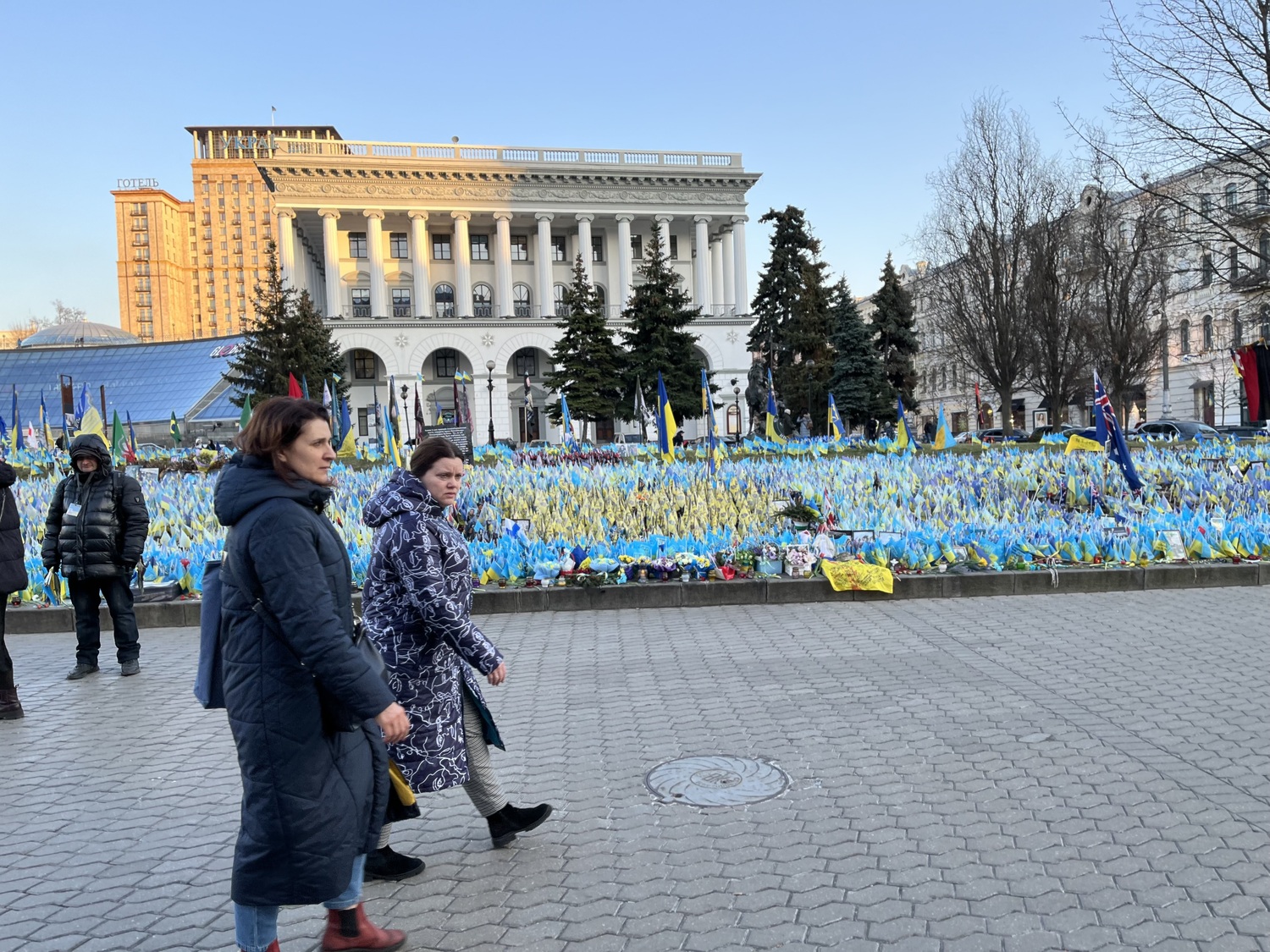
A memorial to Ukrainian war dead in Kyiv. COURTESY JOHN REILLY
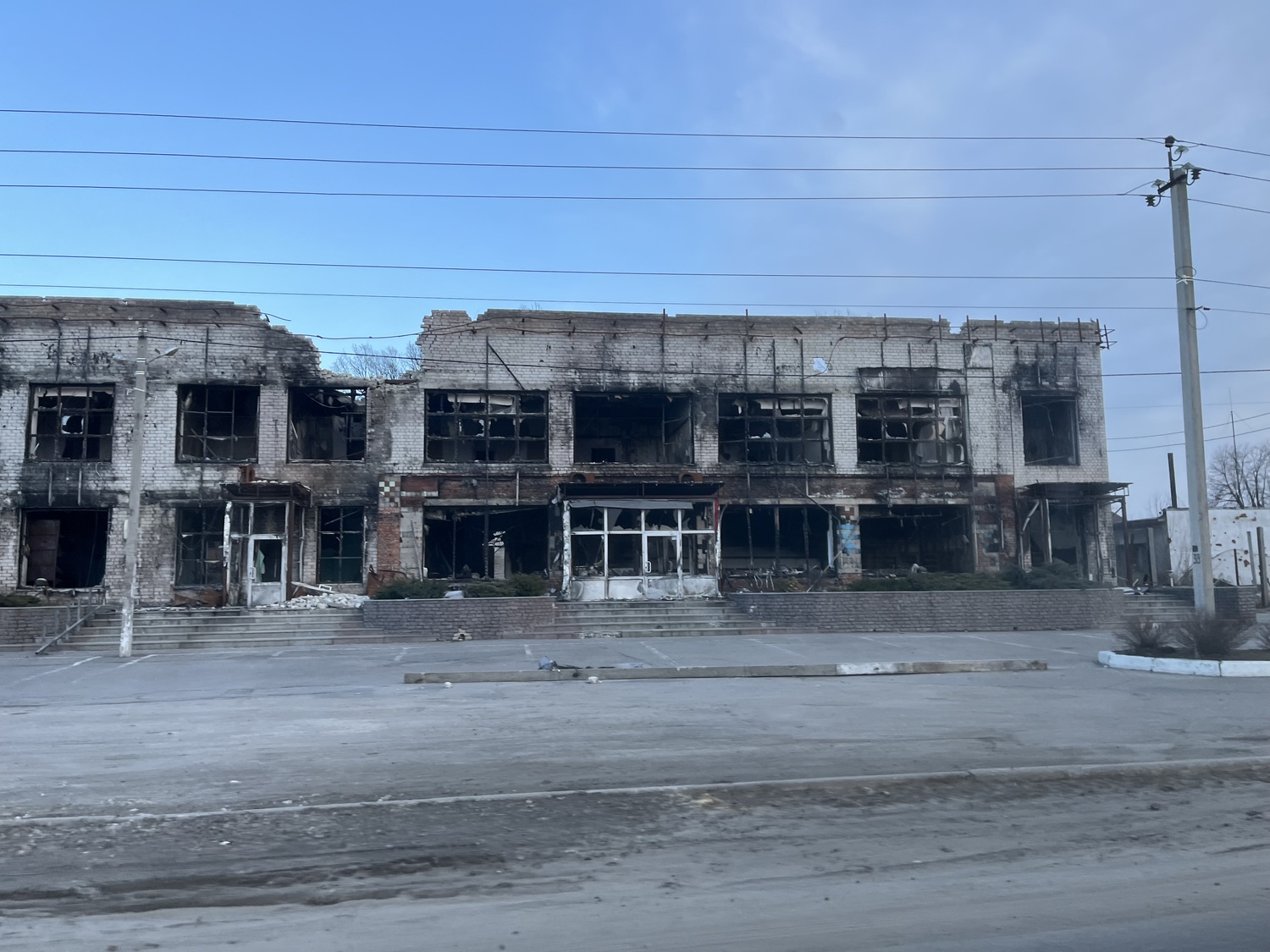
A badly damaged building in Ukraine. COURTESY JOHN REILLY
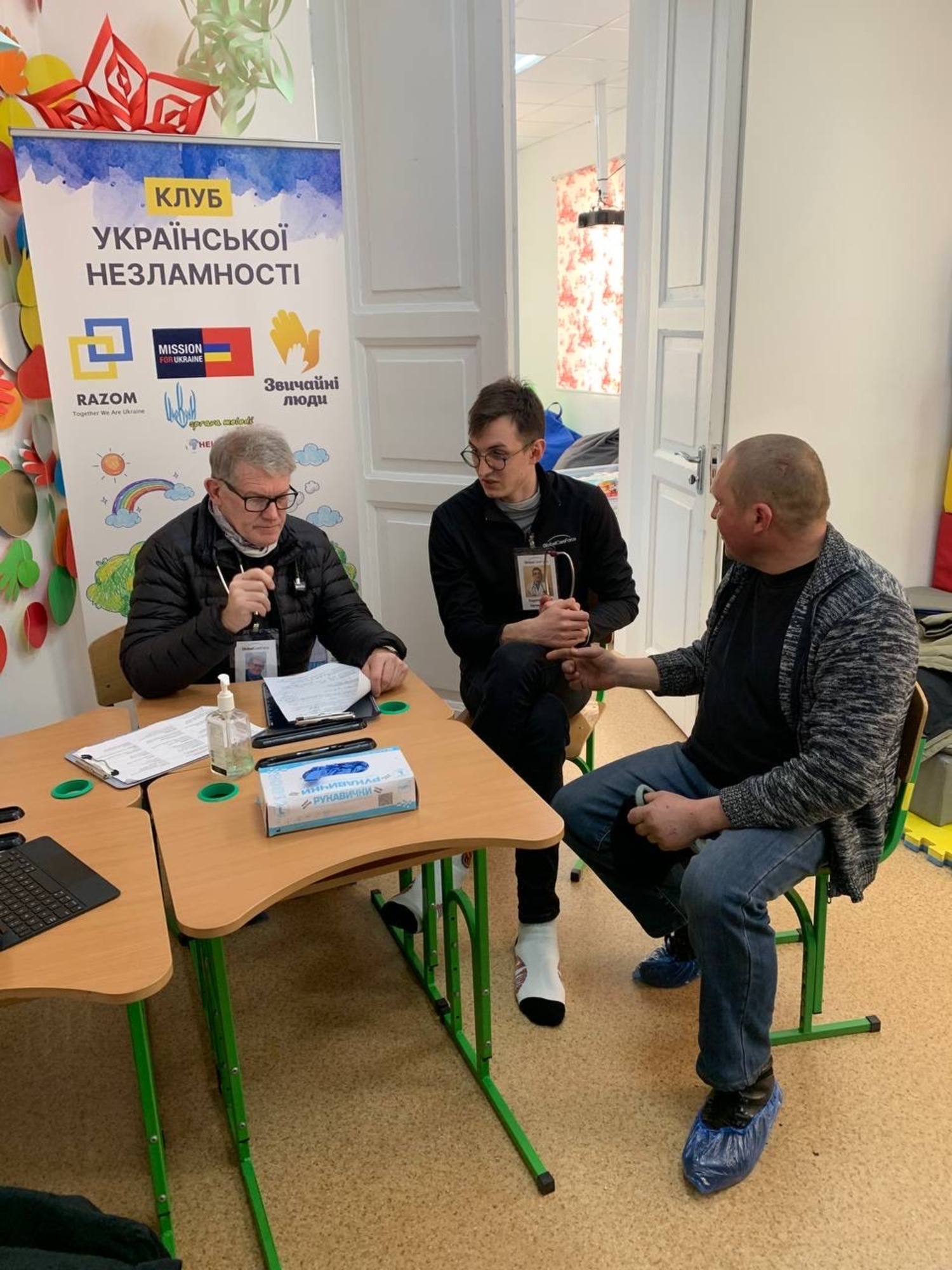
Physician assistant John Reilly, left, with his Ukrainian translator, with a patient. COURTESY JOHN REILLY
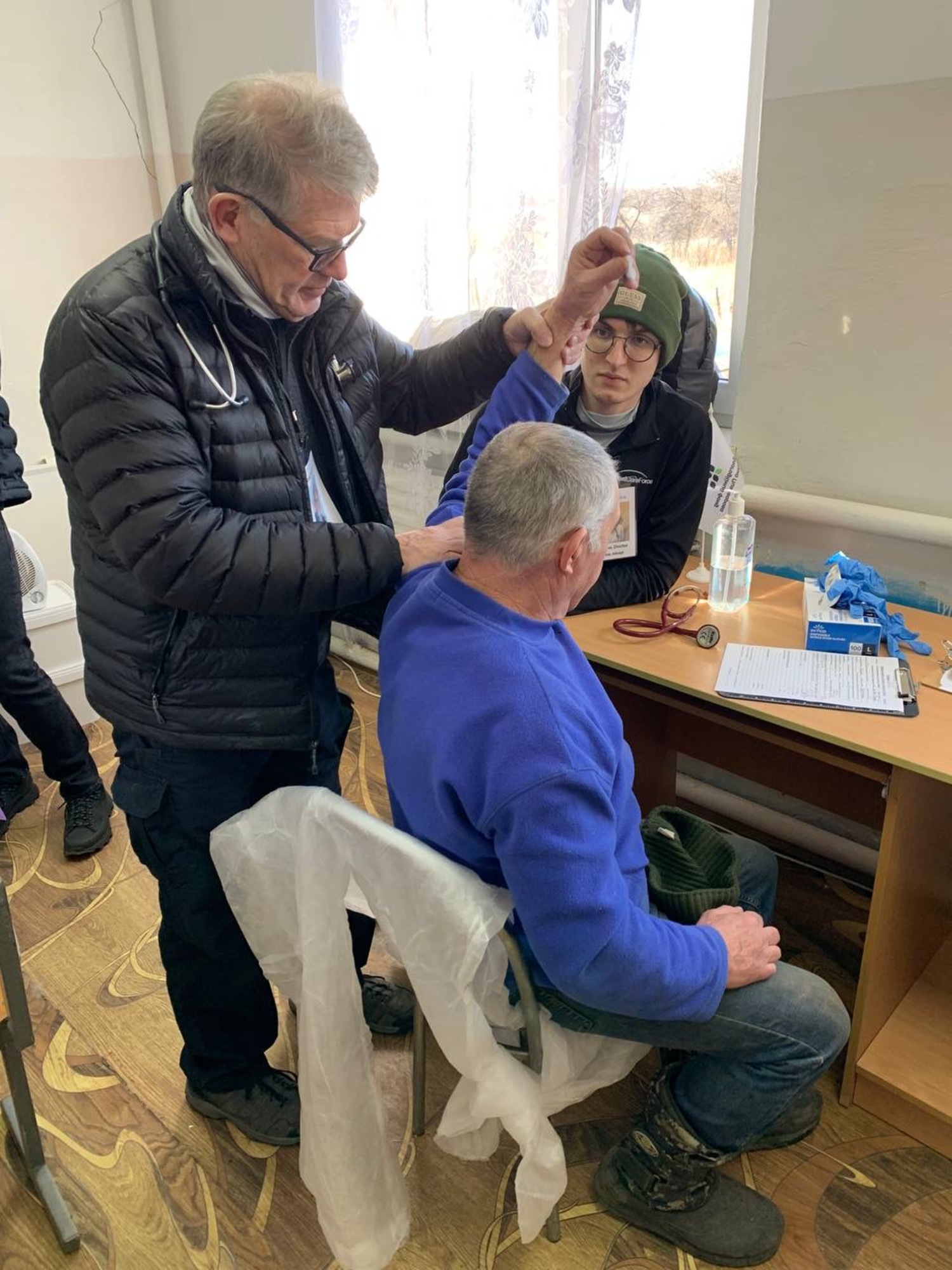
Physician assistant John Reilly, left, exams a patient. COURTESY JOHN REILLY
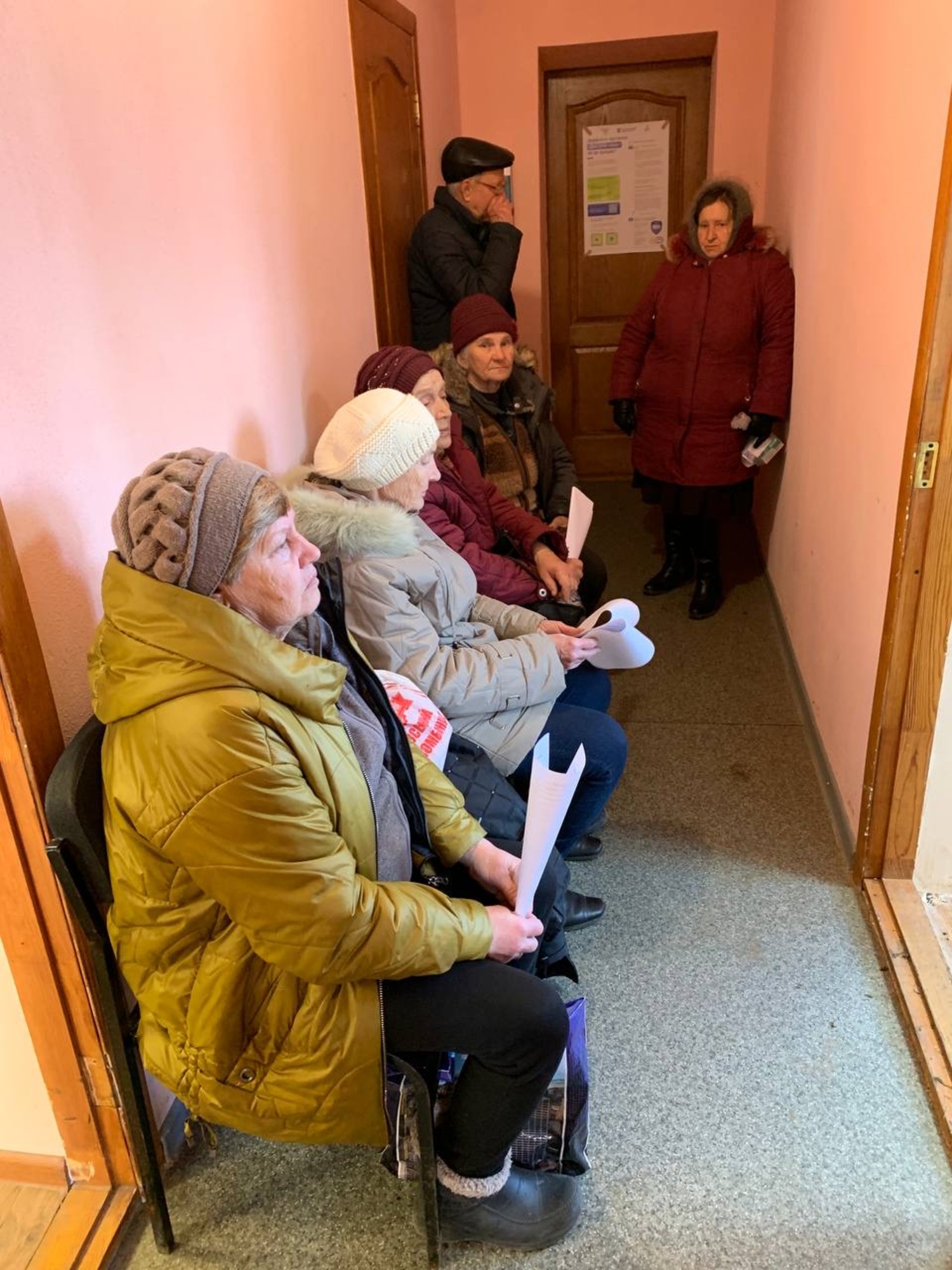
Ukrainians wait for medical care. COURTESY JOHN REILLY
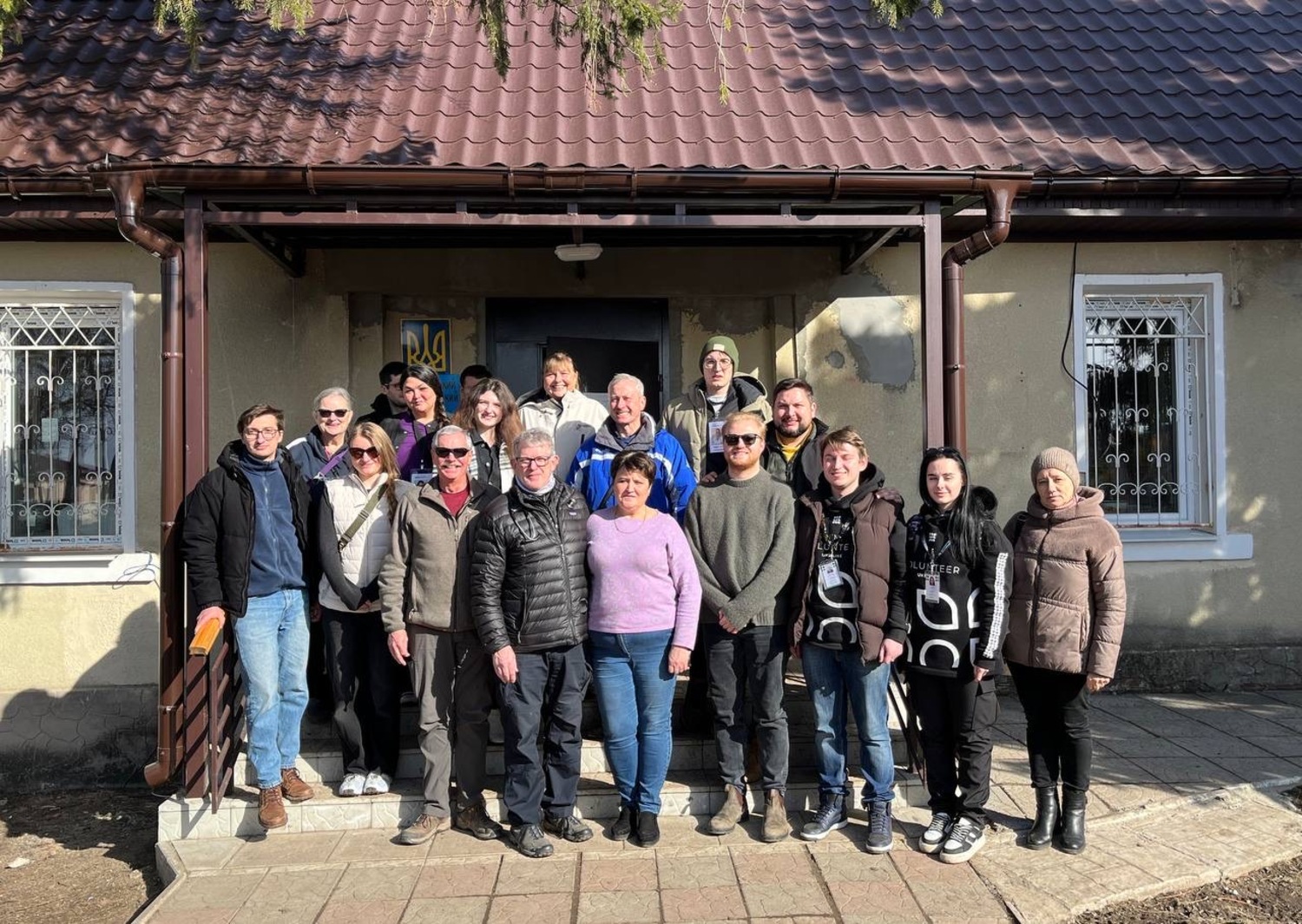
The Global Care Force team in Ukraine. COURTESY JOHN REILLY
John Reilly, a physician assistant from Shelter Island, who spent the first half of March on a medical aid mission to Ukraine, described his experience as “amazing” before quickly stopping to explain himself.
“It’s kind of an odd thing to say ‘amazing,’ given the circumstances,” he said this week. “But they are incredible people — and I want to go back.”
Reilly, who works at the Northwell Health/Go Health urgent care clinic at the Bridgehampton Commons, took part in a self-financed trip sponsored by Global Care Force, which flew him first to Poland, where he met up with the other members of the volunteer medical team he was assigned to, before traveling by train to Kyiv, Ukraine.
His first night there, air raid sirens sounded, and the team and other guests in the hotel where they were staying were directed to the bomb shelter. Reilly said the night clerk remained behind the counter, a plate glass window directly behind him that surely would have shattered and probably killed him if a bomb hit nearby. He merely shrugged his shoulders and said he would stay behind to help if other guests came down to the lobby.
“They are very casual about it,” Reilly said of the Ukrainian response to the threat of Russian attack after two years of war. “It’s almost as if they are flipping the bird at Putin. They are not going to cave in.”
Similarly, he said he asked an older woman if she were not afraid of Russian attacks. She pointed to the sky and responded, “Big sky, small missile.”
Reilly, who also volunteered in Queens during the height of the COVID-19 pandemic, said that experience left him more unsettled than this trip.
“When I went to Ukraine, because of the toughness and confidence of the Ukrainians and their belief that freedom would prevail, you never had that same sense of fear,” he said. “You knew it was dangerous, but you always had a sense it was going to be okay.”
Reilly said he was a little surprised that damage, while clearly present, was so scattered throughout Kyiv and other large cities the group visited. Life seemed to be going on as normal, with people commuting to work or browsing in shops. He attributed that to the effectiveness of the American air defense systems the country has been relying on. Supplies of missiles and other ammunition have been dwindling, though, as Congress refuses to act on an aid package, leaving the country ever more vulnerable to Russian attacks.
Reilly said he was certain there will be more Russian strikes against their targets of choice — the power grid, but also schools, churches, and hospitals — unless more American aid is approved soon.
While some Ukrainians felt let down by the failure of the Americans to help out, Reilly said this country remains a beacon of hope. “They love all things American,” he said. “We have the power to do so much good in the world if we would just not get in our own way.
“I have a feeling if I could take the entire Congress with me and just do the tour I did, if they saw these people, they would give them their overwhelming support,” he added.
During its two-week stay, the Global Care Force team treated 333 patients, most in small towns and tiny villages. The organization typically sends a new team through an area about once a month, so patients can get regular health care.
“There was a lot of hypertension, obviously anxiety and PTSD,” Reilly said. “They have been through a lot of horrible stuff.”
There were obviously many suffering from war wounds, and still others suffering from the kind of unthinkable wounds that could only be inflicted by an occupying army.
Reilly said he treated one 84-year-old man who had infuriated the Russian soldiers who occupied his small village early in the war when he told them he didn’t want to be a Russian. “So they used him as an ash tray for seven or eight months,” he said. “He was covered with burns.”
Despite their predicament, Reilly said the Ukrainians he encountered showed incredible resilience. In one tiny village of perhaps eight to 10 farms, Reilly met a farmer, whose house and barns had been destroyed by the Russian army. Now that the Russians have pulled back, he scavenged wooden ammunition crates, which he used to rebuild a small shelter for his family on the foundation of one of his barns. His family continues to survive with no running water or electricity, Reilly said, and uses still more scavenged ammunition boxes as fuel.
Reilly described a surreal scene in which the vans the aid workers travel in careen down rutted roads as fast as possible — “You don’t want to become a target” — yet, people pay no heed to major explosions just a few miles away.
He said he was impressed by Global Care Force’s efficiency. He said other organizations, including Doctors Without Borders, prefer to set up shop in a hospital or clinic in a central location. Global Care Force makes the equivalent of house calls, its teams darting into and out of small villages, making it easier for patients to get regular care, he said.
And they are clearly thankful for it. “I’ve never been kissed or hugged so much in my life,” he said. “I felt like I was really practicing medicine.”


 Stephen J. Kotz on Apr 15, 2024