


 16 Photos
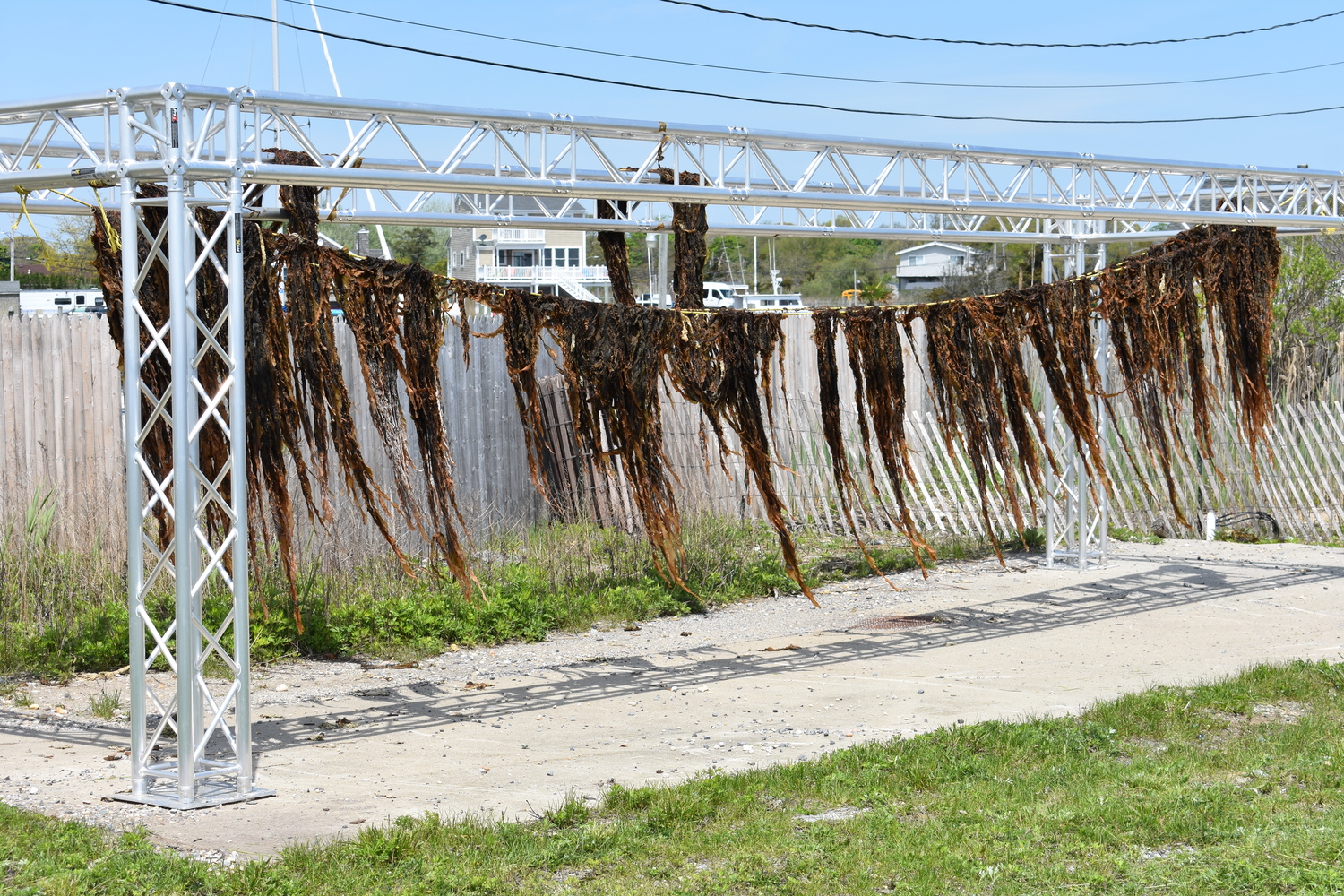
The first permitted commercial kelp harvest in New York State drying on Brookhaven Town property in Mastic Beach. BRENDAN J. O'REILLY
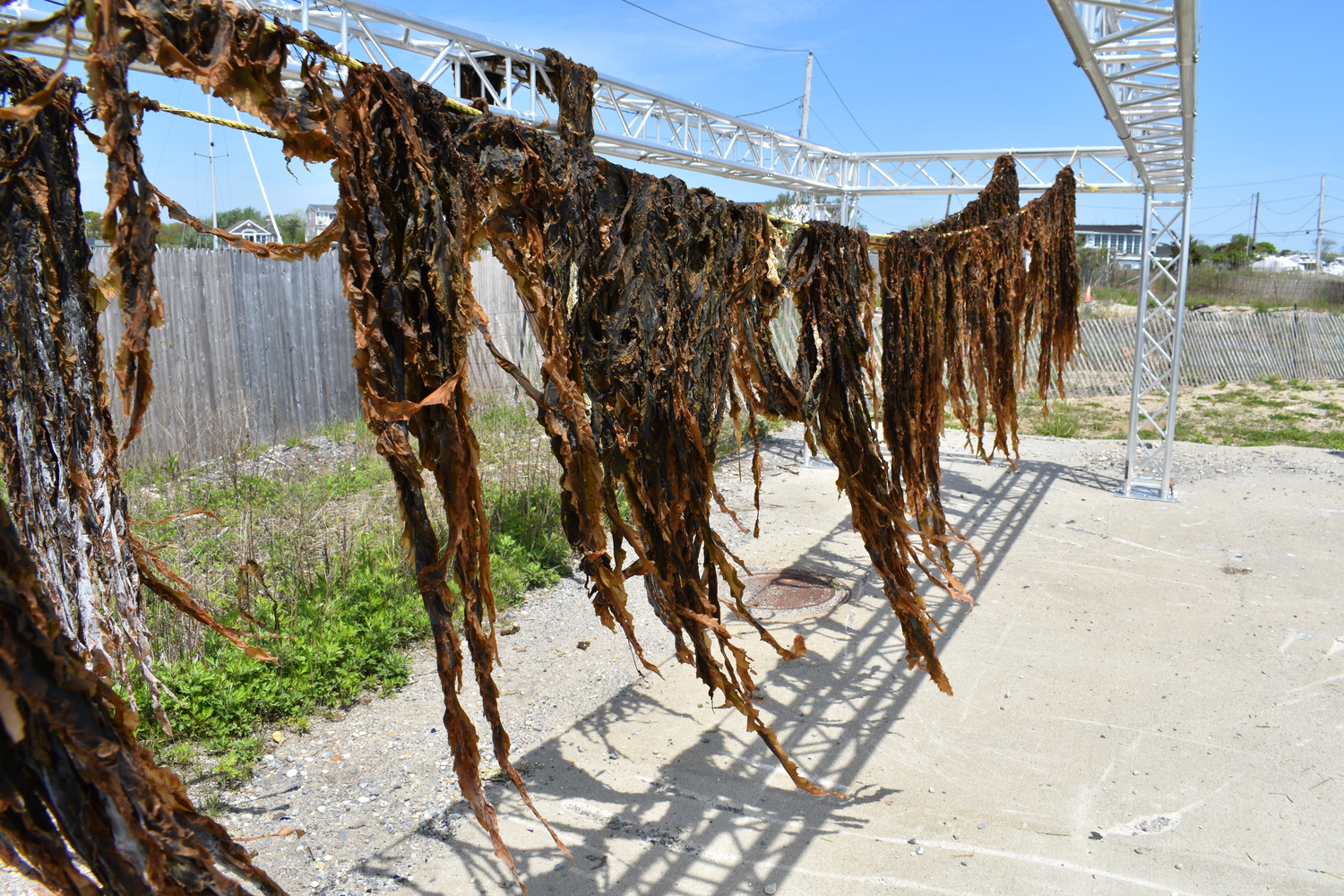
The first permitted commercial kelp harvest in New York State drying on Brookhaven Town property in Mastic Beach. BRENDAN J. O'REILLY
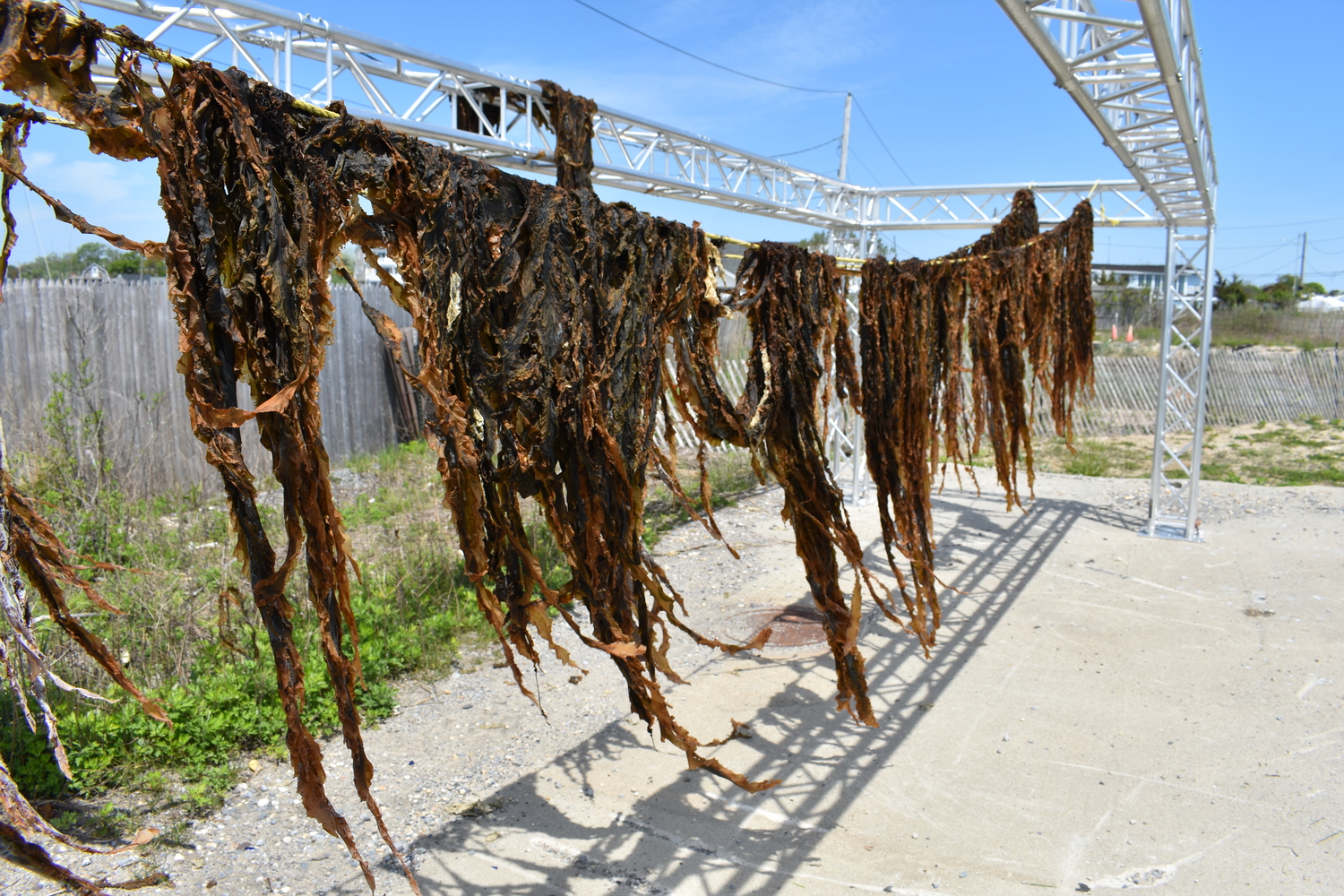
The first permitted commercial kelp harvest in New York State drying on Brookhaven Town property in Mastic Beach. BRENDAN J. O'REILLY
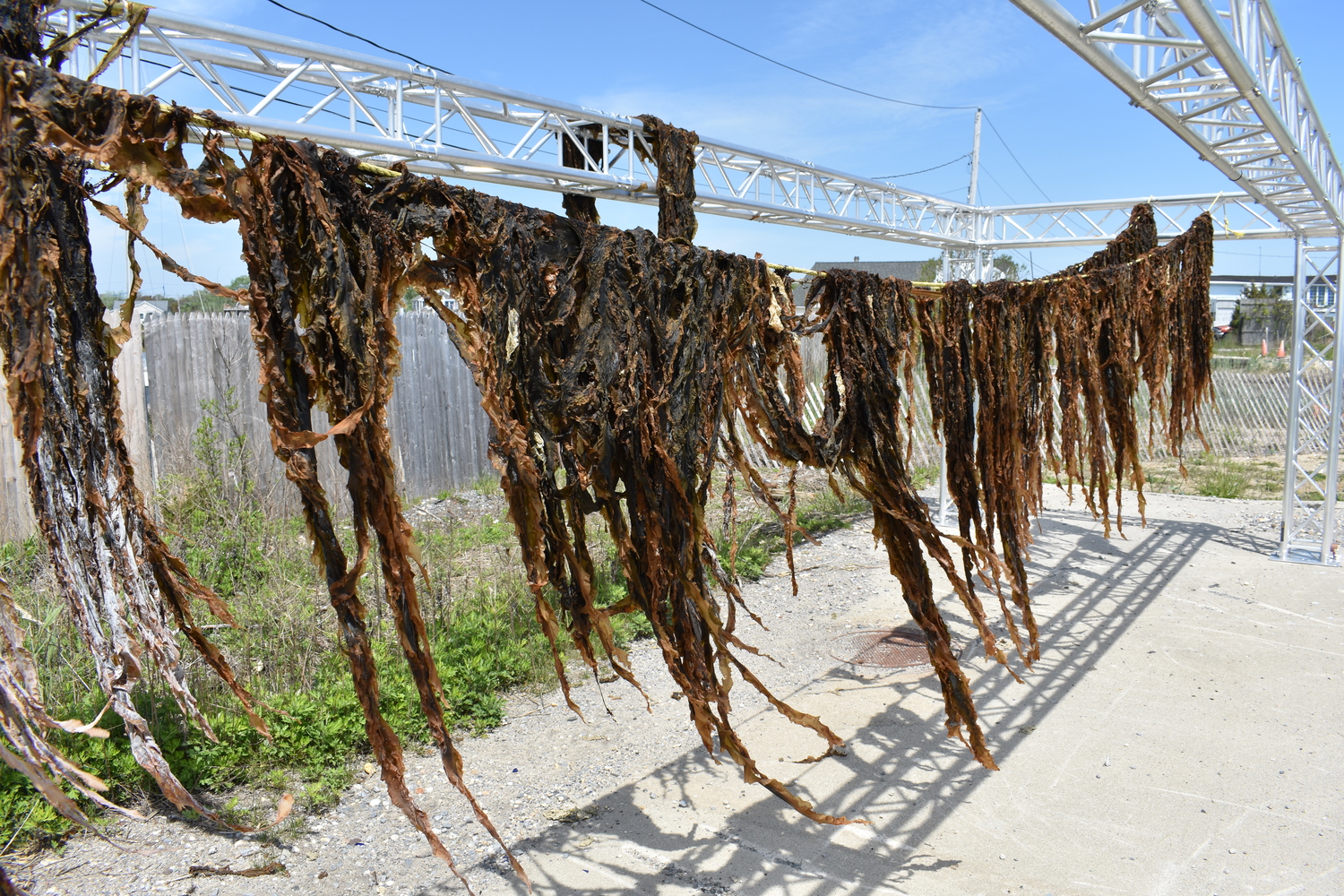
The first permitted commercial kelp harvest in New York State drying on Brookhaven Town property in Mastic Beach. BRENDAN J. O'REILLY
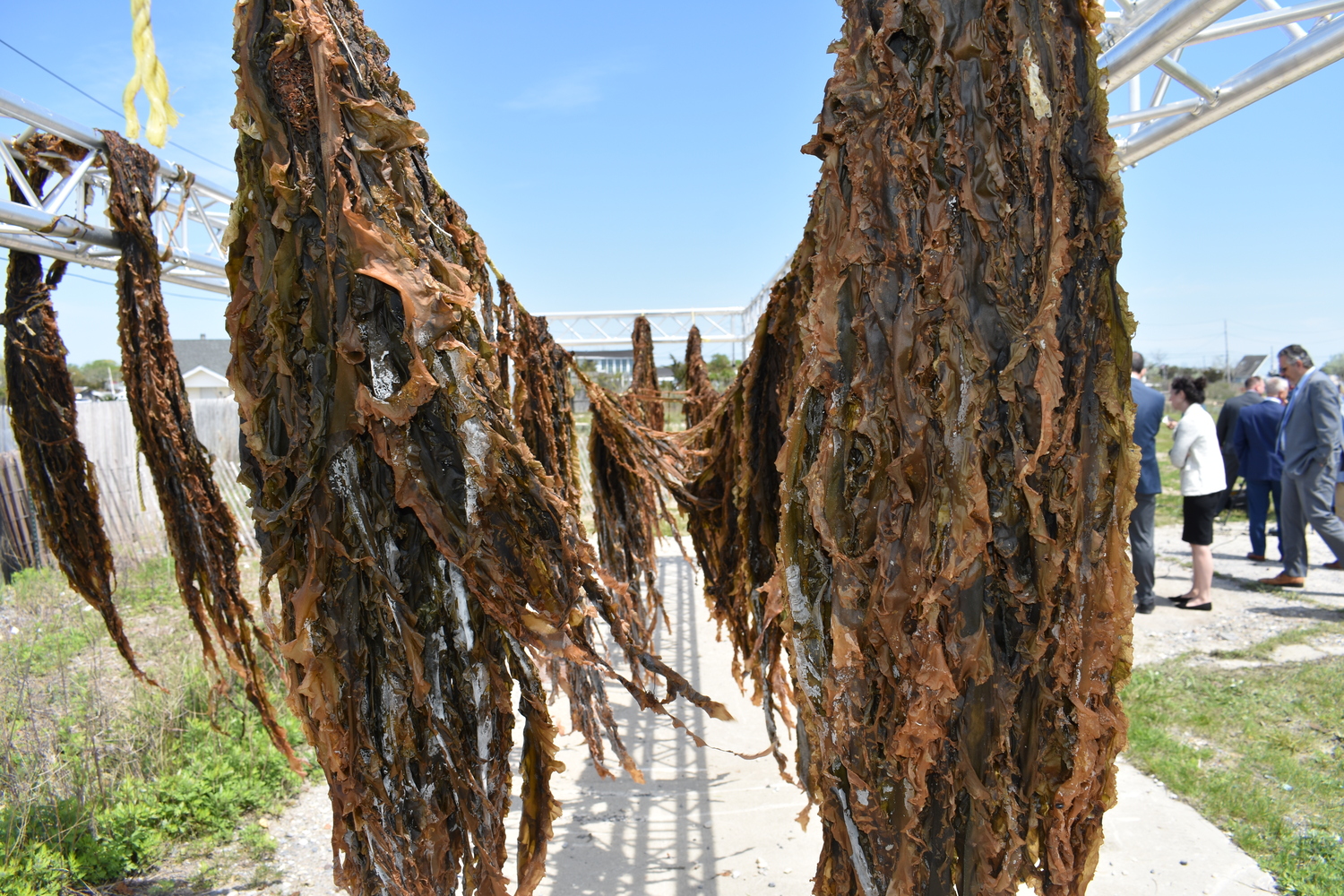
The first permitted commercial kelp harvest in New York State drying on Brookhaven Town property in Mastic Beach. BRENDAN J. O'REILLY
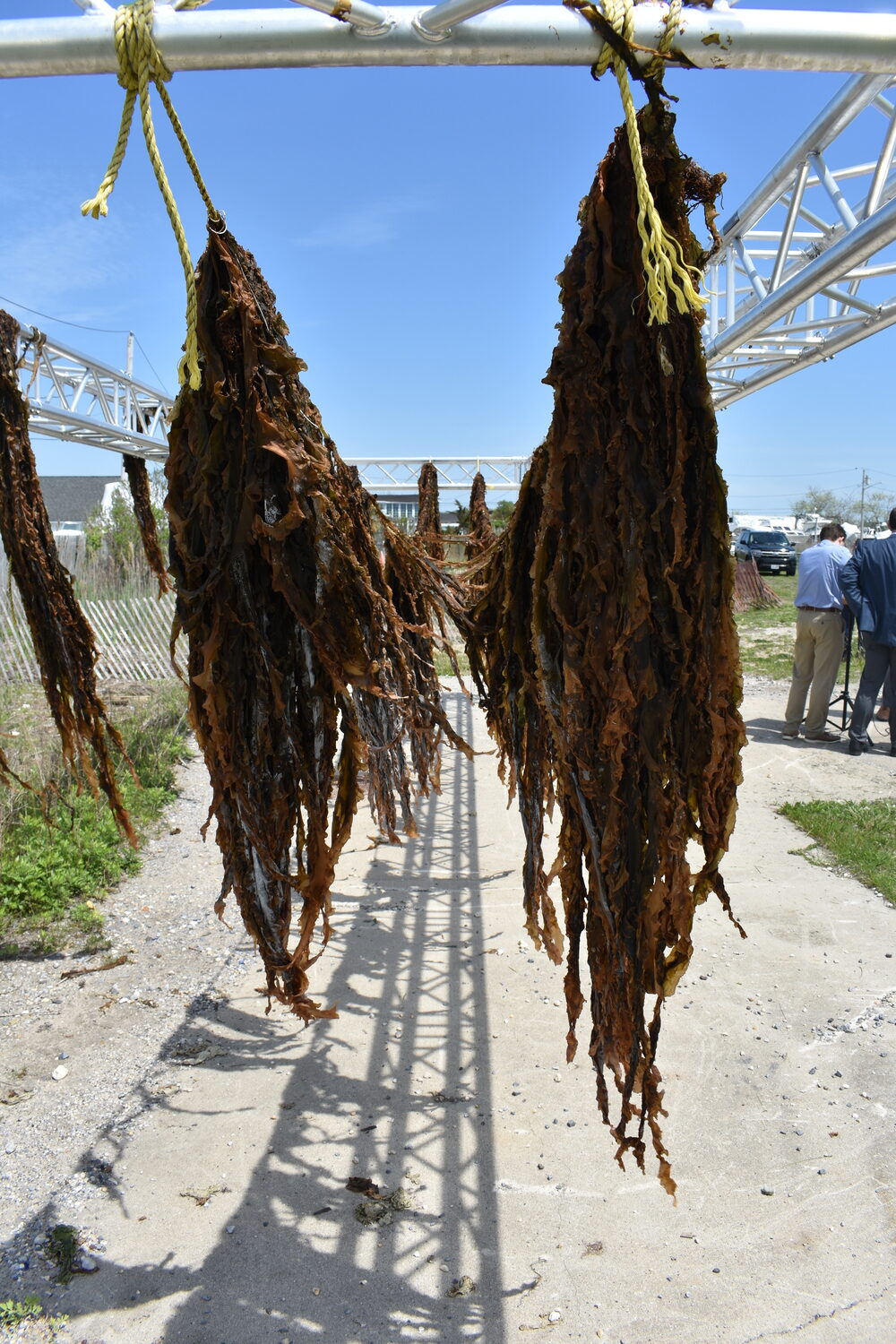
The first permitted commercial kelp harvest in New York State drying on Brookhaven Town property in Mastic Beach. BRENDAN J. O'REILLY
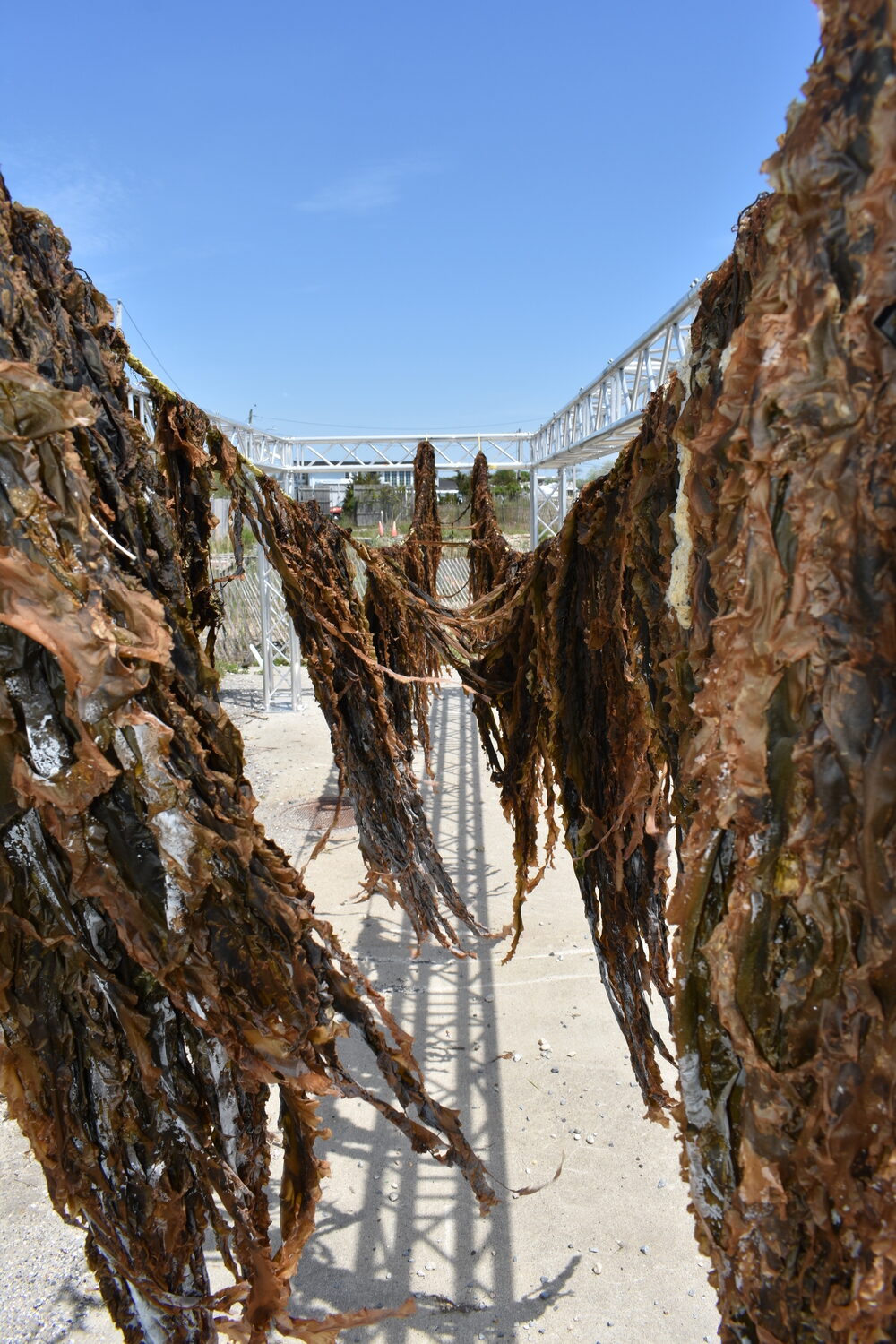
The first permitted commercial kelp harvest in New York State drying on Brookhaven Town property in Mastic Beach. BRENDAN J. O'REILLY
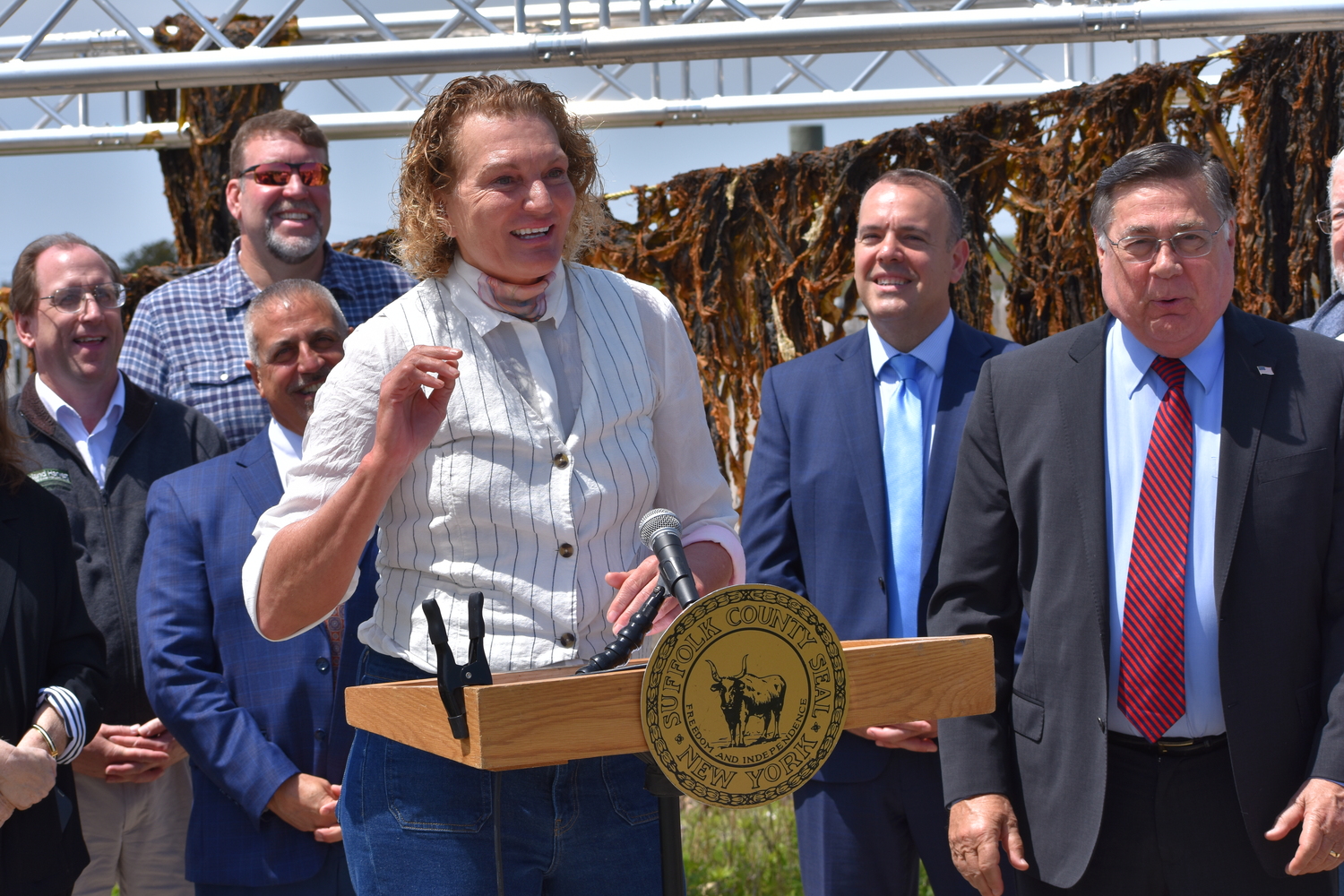
Former pro basketball player turned oyster and kelp farmer Sue Wicks of Violet Cove Oyster Co. on Tuesday in Mastic Beach, celebrating the first permitted commercial kelp harvest in New York State. BRENDAN J. O'REILLY
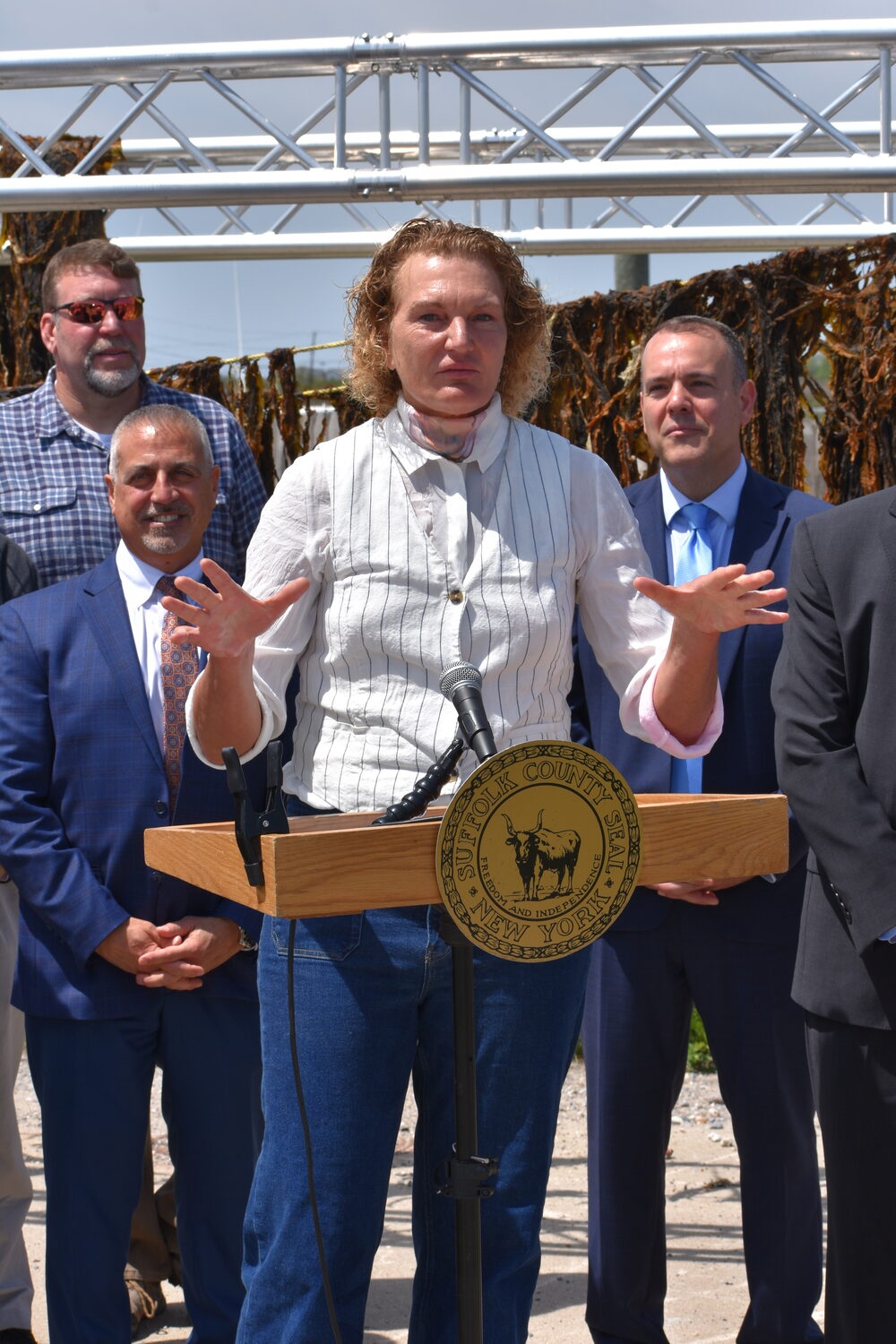
Former pro basketball player turned oyster and kelp farmer Sue Wicks of Violet Cove Oyster Co. on Tuesday in Mastic Beach, celebrating the first permitted commercial kelp harvest in New York State. BRENDAN J. O'REILLY
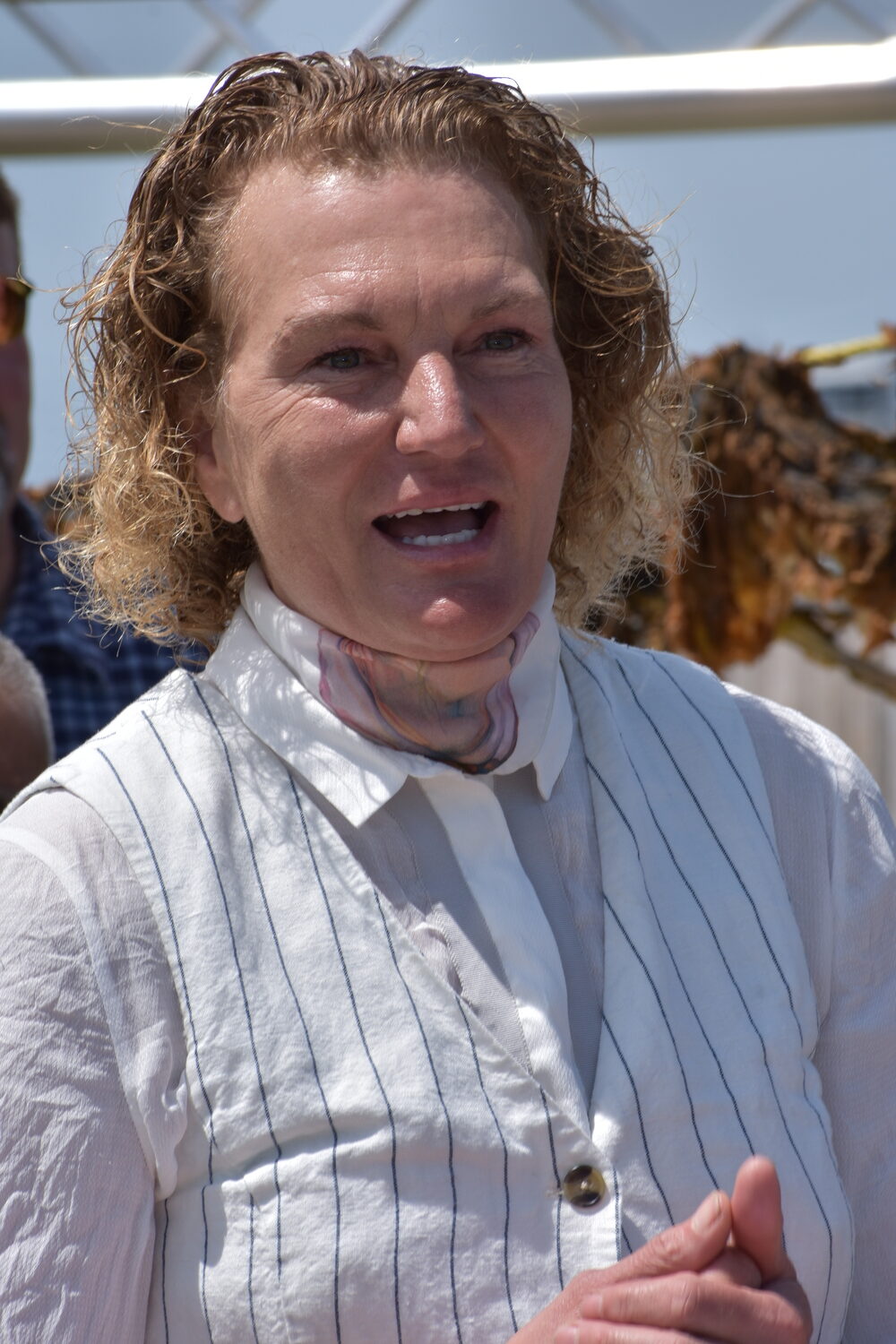
Former pro basketball player turned oyster and kelp farmer Sue Wicks of Violet Cove Oyster Co. on Tuesday in Mastic Beach, celebrating the first permitted commercial kelp harvest in New York State. BRENDAN J. O'REILLY
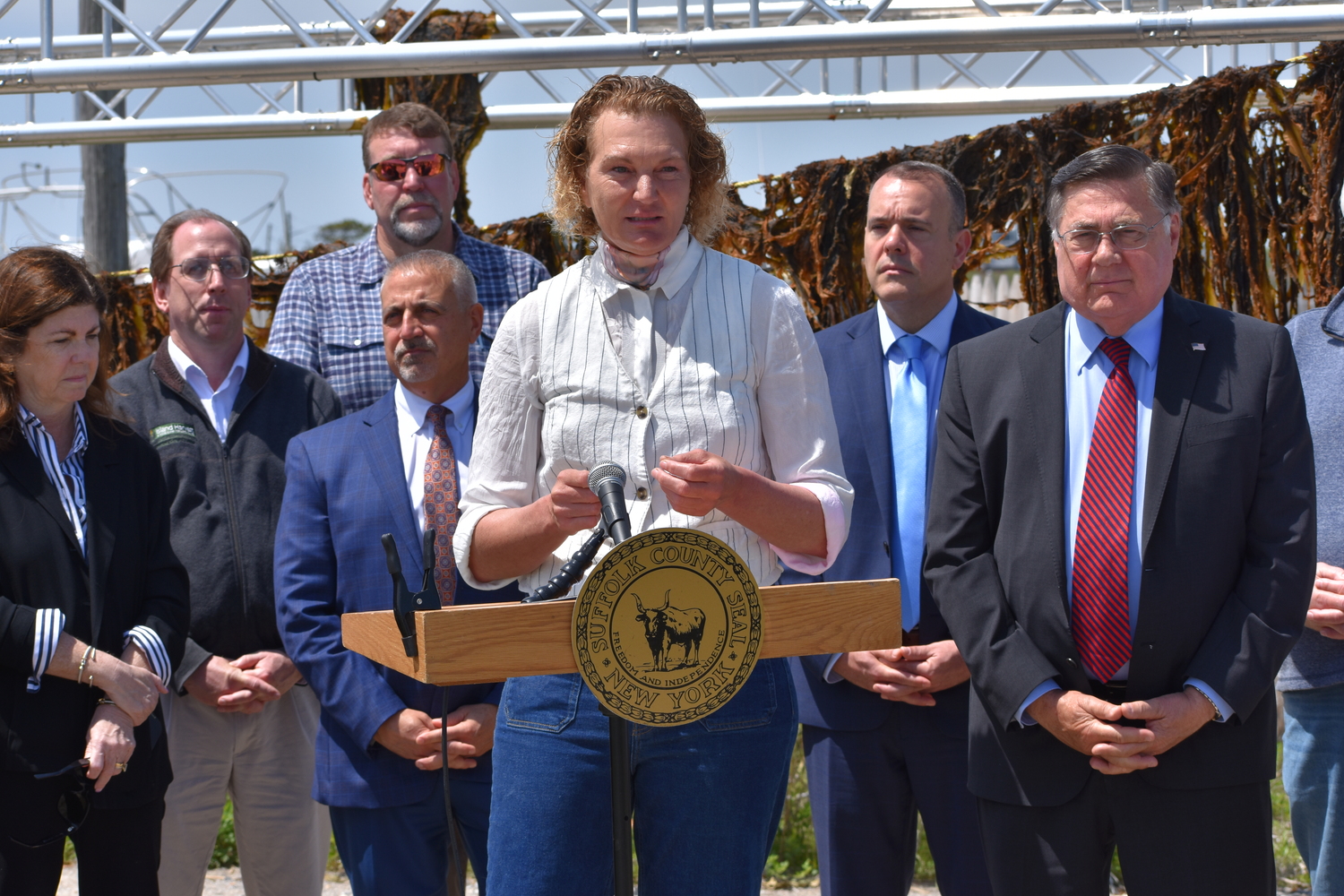
Former pro basketball player turned oyster and kelp farmer Sue Wicks of Violet Cove Oyster Co. on Tuesday in Mastic Beach, celebrating the first permitted commercial kelp harvest in New York State. BRENDAN J. O'REILLY
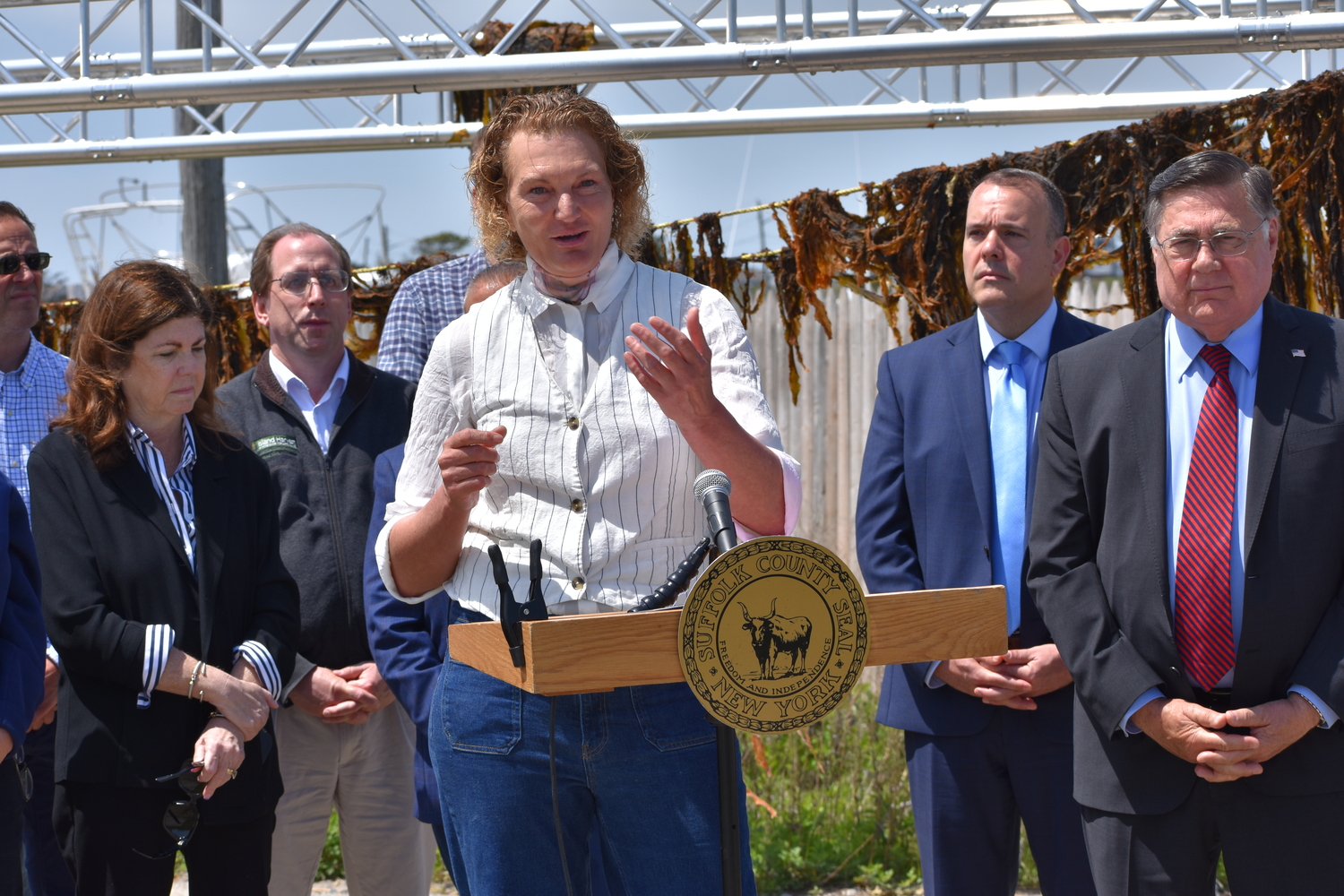
Former pro basketball player turned oyster and kelp farmer Sue Wicks of Violet Cove Oyster Co. on Tuesday in Mastic Beach, celebrating the first permitted commercial kelp harvest in New York State. BRENDAN J. O'REILLY
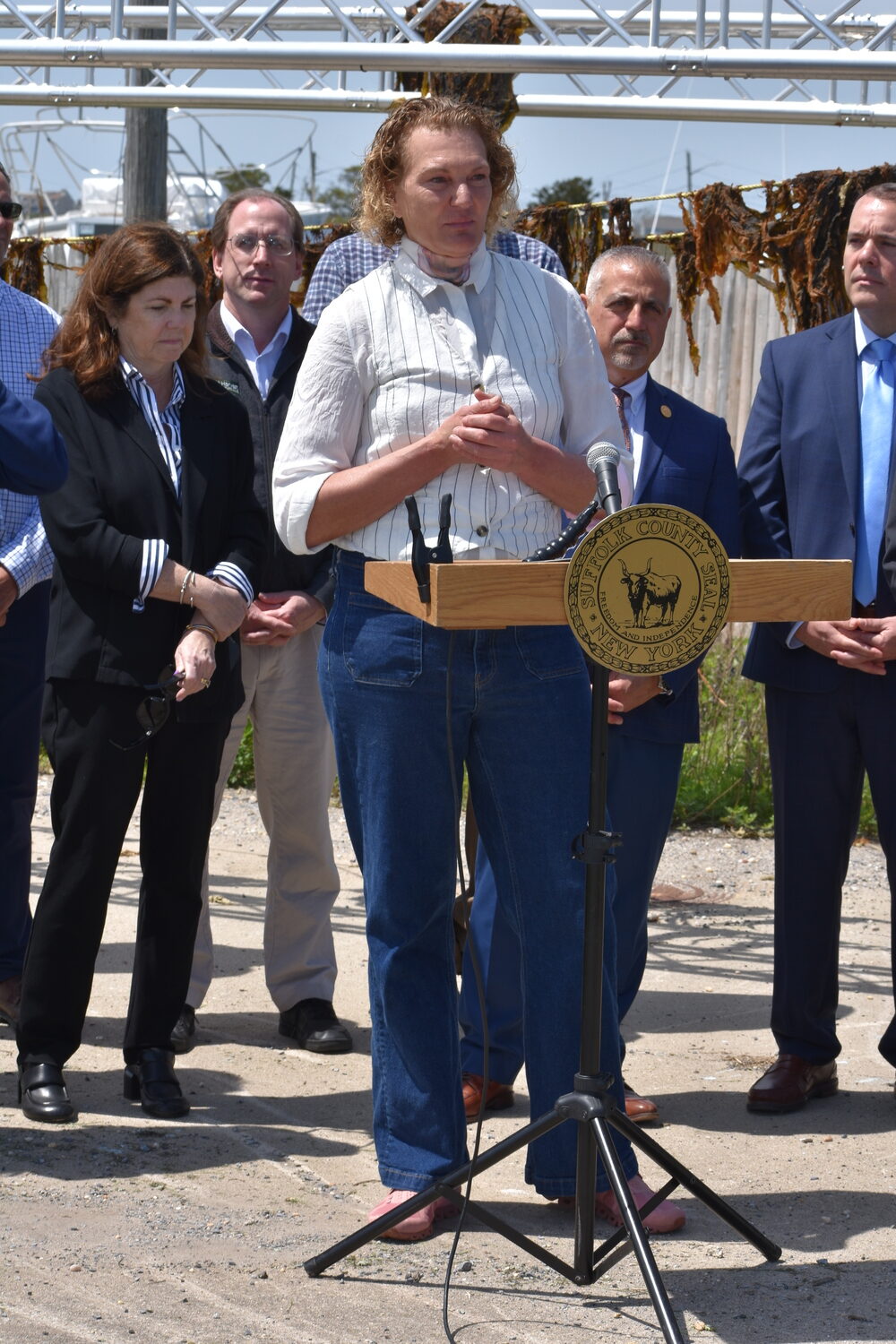
Former pro basketball player turned oyster and kelp farmer Sue Wicks of Violet Cove Oyster Co. on Tuesday in Mastic Beach, celebrating the first permitted commercial kelp harvest in New York State. BRENDAN J. O'REILLY
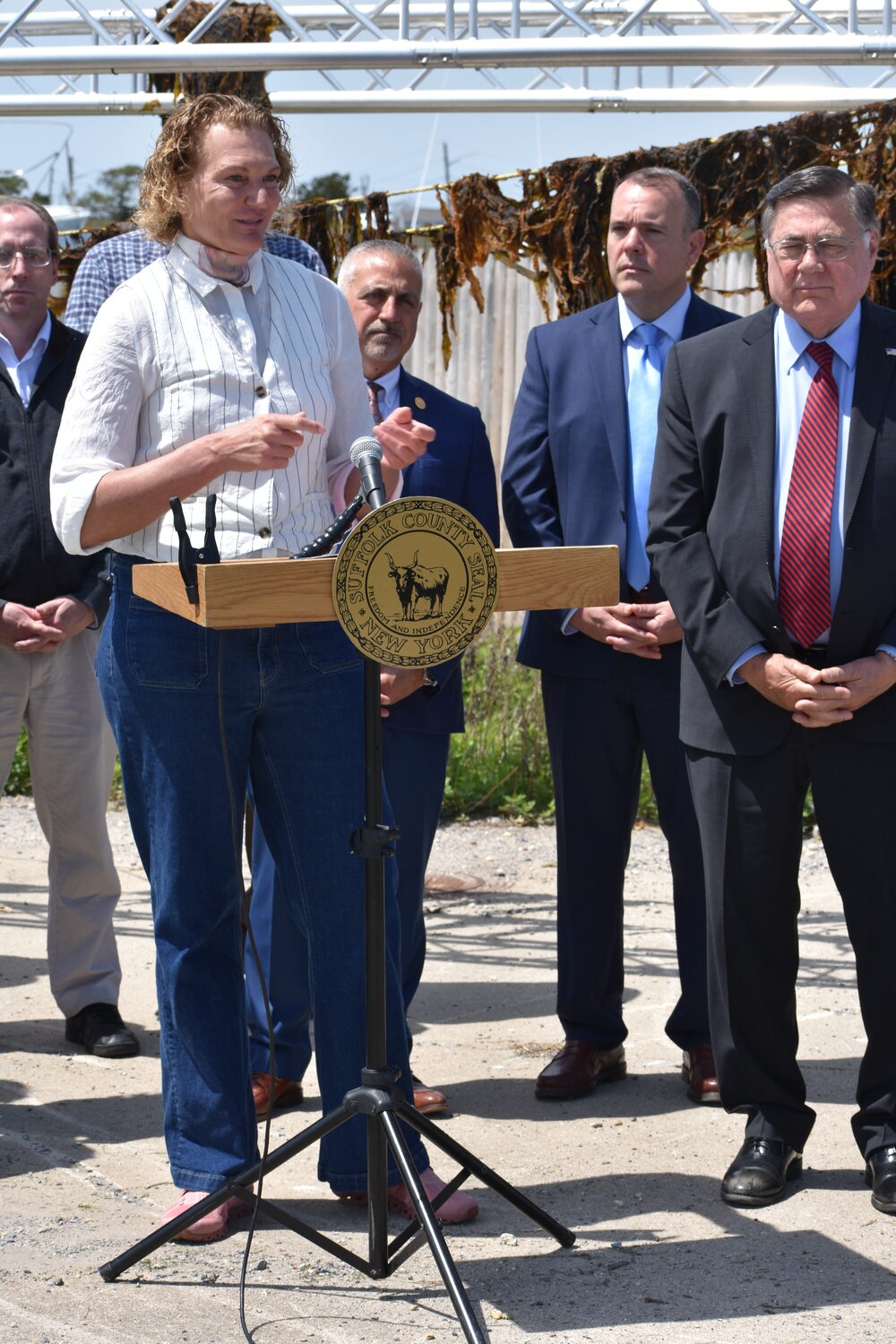
Former pro basketball player turned oyster and kelp farmer Sue Wicks of Violet Cove Oyster Co. on Tuesday in Mastic Beach, celebrating the first permitted commercial kelp harvest in New York State. BRENDAN J. O'REILLY
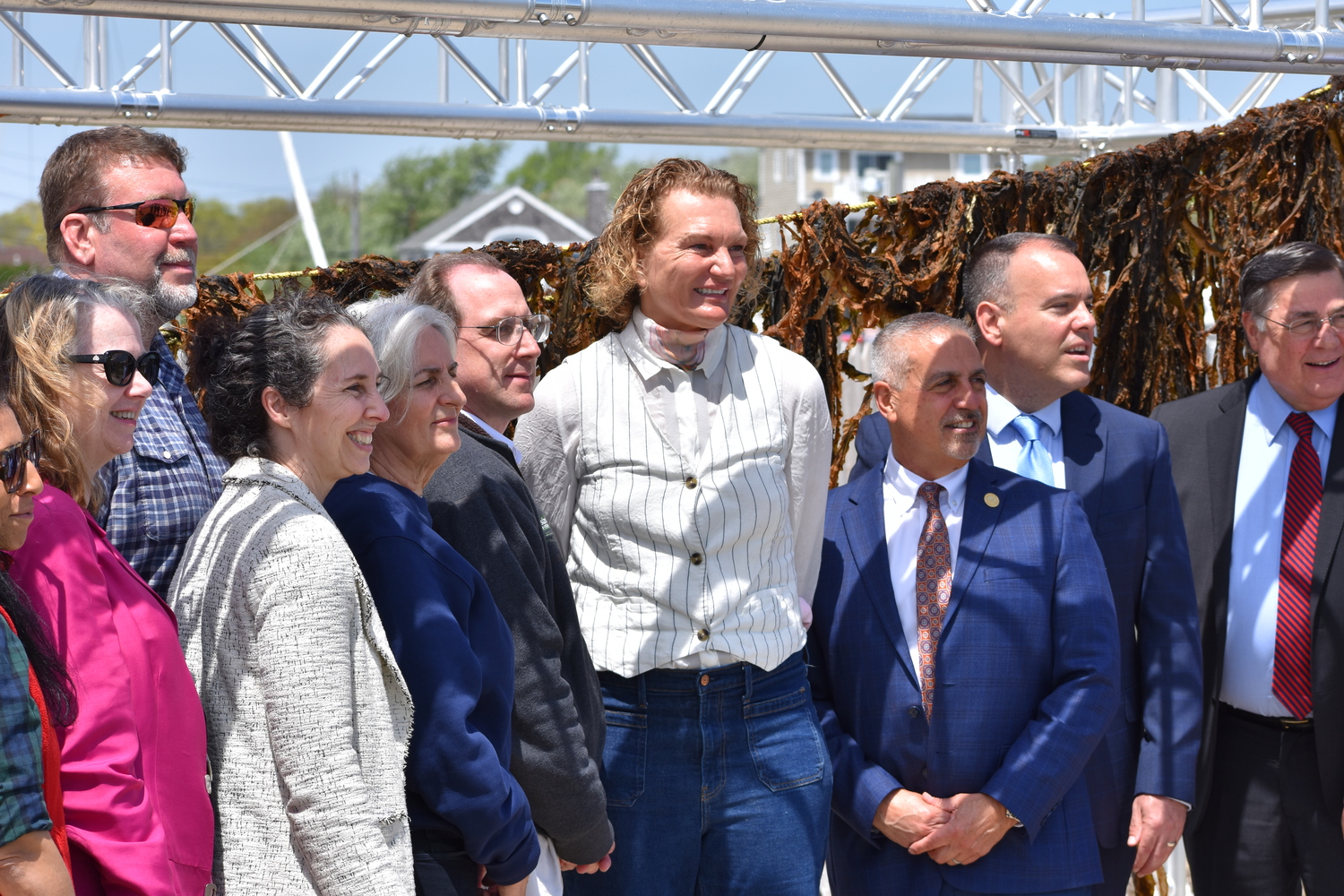
Former pro basketball player turned oyster and kelp farmer Sue Wicks of Violet Cove Oyster Co. on Tuesday in Mastic Beach, celebrating the first permitted commercial kelp harvest in New York State. BRENDAN J. O'REILLY
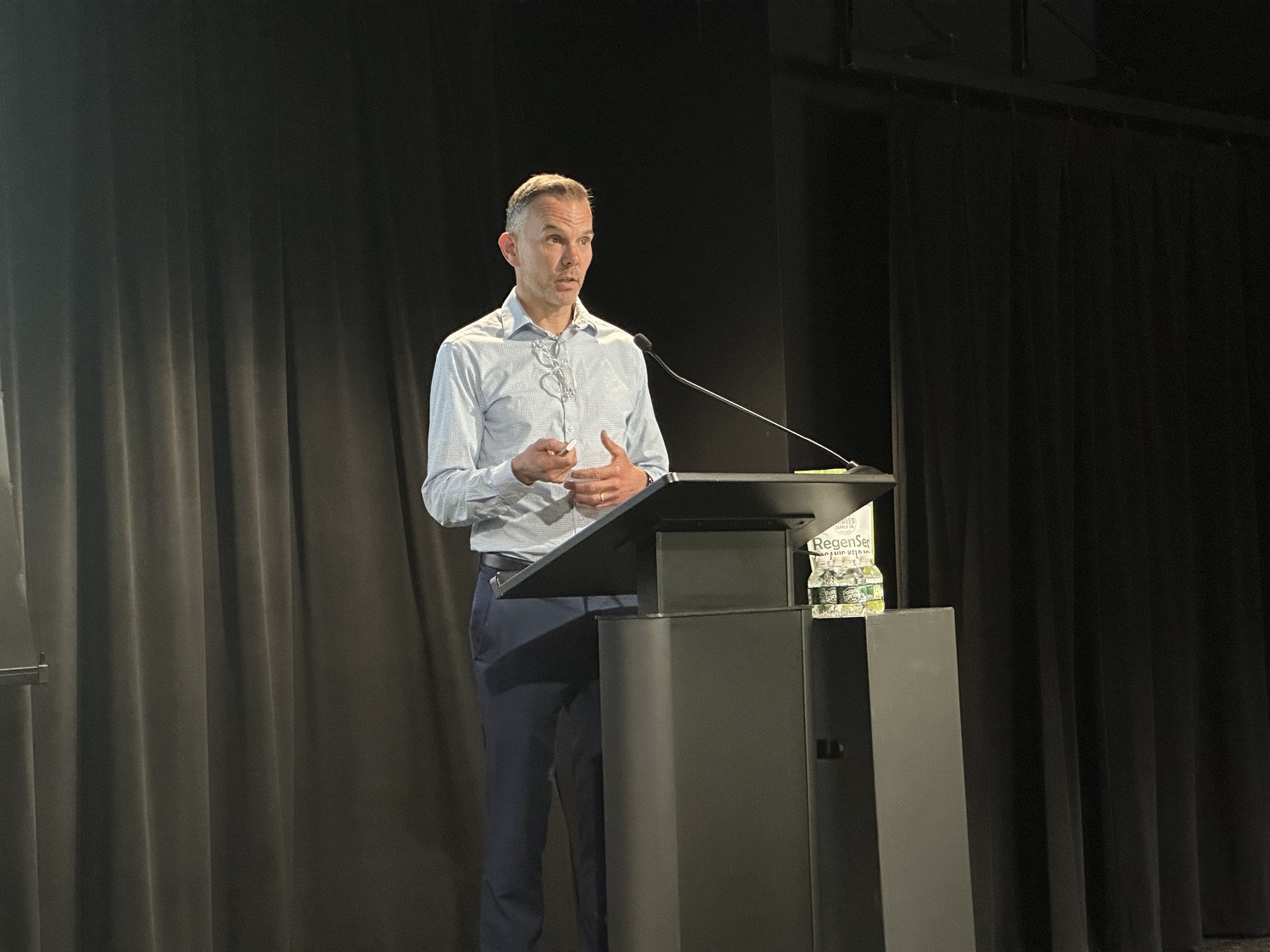
Dr. Chris Gobler presents at the Sea to Soil Symposium at Stony Brook Southampton on May 3. BRENDAN J. O'REILLY
On Tuesday, Sue Wicks, a former pro basketball player turned oyster and kelp farmer, was joined in Mastic Beach by Suffolk County and Brookhaven Town officials, as well as several nonprofit leaders, to celebrate the first permitted commercial kelp farm harvest in New York State.
Officials touted the achievement as a crucial step in the county’s move toward a “blue economy,” i.e. the sustainable use of marine resources in creating jobs and economic activity.
It is also a real-life example of the ideas promoted at the second annual Sea to Soil Symposium held at Stony Brook Southampton on May 3.
The symposium focused on how restorative aquaculture, such as oyster and seaweed farming, can complement and enhance regenerative agriculture, which is the practice of farming in a way that improves soil quality and water cycling. For example, a 1-acre kelp farm removes as much nitrogen pollution from the bay as 21 innovative/alternative septic systems, and nitrogen-rich kelp can then be used as organic fertilizer on regenerative farms.
Kelp fertilizer improves crop yields without the nutrient runoff concerns that chemical fertilizers pose, and it also is linked to better pest and disease resistance in crops. Kelp farming is a win-win to both marine and land-based industries, and it also captures and sequesters carbon.
Not to mention, kelp is also edible, providing even more economic opportunities for sea farmers and food purveyors.
Wicks, a Center Moriches native, already was operating her oyster farm, Violet Cove Oysters in Moriches Bay, when she added sugar kelp farming to the mix last year. According to The Nature Conservancy, which awarded her a Supporting Oyster Aquaculture and Restoration grant to support this work, adding kelp would provide additional revenue and storm surge protection while improving water quality.
According to Dr. Christopher Gobler, the endowed chair of coastal ecology and conservation at the Stony Brook University School of Marine and Atmospheric Sciences, co-cultivating oysters and kelp also results in more rapid growth of shellfish.
Gobler explained during the symposium that the presence of kelp raises the pH of the seawater, making it less acidic, and that the filter-feeding shellfish consume seaweed detritus.
“It looks like the shellfish are actually getting a dietary supplement from the seaweeds, and it’s not just the total amount of food, either,” he said. “There are specific omega fatty acids found in seaweeds that aren’t found in the pelagic phytoplanktons.”
Gobler noted that kelp is a cool-season crop, reaching peak biomass in May to early June. His team’s research found that the nitrogen content decreases throughout the season after peaking at 5 percent. By the time it is traditionally harvested, the nitrogen content has fallen to 2 percent.
“The longer you wait, the more nitrogen you’re losing,” he said.
Though they are eager to “get the last juice out of the kelp” by letting it grow as long as they can before heat sets in, when they do that, he explained, more nitrogen is lost.
Harvesting kelp earlier would make room to grow summer seaweeds, which would continue to remove nitrogen from bays during the warm months when kelp farms are usually dormant.
Gobler experimented with using kelp and summer seaweeds as fertilizer. He reported he found that summer seaweeds have a higher level of nitrogen than kelp and Miracle-Gro, and applying them to gardens increased yields of tomatoes, eggplants, peppers, carrots, spinach, and turf grass.
He tried kelp fertilizer and summer seaweed fertilizer individually and together. “They actually seem to be complementary, in that you get a better yield when you mix the two together,” he said.
Gobler said shellfish let off more carbon dioxide than they pull in, but growing seaweed with shellfish will more than offset that carbon. He also noted that kelp has the potential to sequester carbon for the long term through pyrolysis, which is combustion in the absence of oxygen.
Pyrolysis turns seaweed into biochar, a stable solid made up of mostly carbon. Biochar won’t readily decompose and can be used as a soil amendment that improves soil’s ability to retain moisture and nutrients.
Gobler said seaweed farming is not an alternative to upgrading outdated septic systems with innovative/alternative septic systems but something to be done in tandem to reduce nutrient pollution that causes harmful algal blooms.
“The bottom line is this is a decadal project,” he said of upgrading septic systems. “This is the right way to go. This is how we’re going to solve the problem. This is how to solve the problem for future generations. But, in the meanwhile, we do need some in-the-water solutions.”
He noted that wastewater is the number one contributor to nutrient pollution, or eutrophication, in Suffolk County waters, with fertilizer coming in second, despite the county’s history of being an agricultural area.
“We certainly have a eutrophication problem here across Long Island,” he said, displaying a map showing last year’s testing, which identified hypoxic zones where nothing can live save for anaerobic bacteria.
Eutrophication impairs habitats, fisheries and way of life in general, Gobler said.
Surf to Turf
Kelly McGlinchey and Violet Low-Beinart of Yale University were the symposium’s keynote speakers, presenting their paper “Surf to Turf: Linking Regenerative Agriculture to Restorative Aquaculture in Coastal Foodscapes.”
McGlinchey, who consults on sustainability in the food system, explained that marine biology and agriculture are systems linked by vast cycles of water and nutrients — and linked by people.
“Ocean health and soil health are not separate objectives,” she said. “They are interconnected, and we really do ourselves a disservice by not thinking about them holistically.”
The first recorded use of seaweed as fertilizer, by the Romans, was in the 1st century A.D., McGlinchey said. Seaweed has also been used as fodder for livestock for centuries, she added.
She shared photos of “kelp houses” on the shoreline of Ireland, for seaweed storage, and said Ireland had a 19th century holiday for farmers to gather seaweed.
Seaweed as a soil amendment improves soil tilth and water holding capacity, she noted. “It’s actually really good for the sandy soils of coastal environments like Ireland.”
Oyster shells were also used in agriculture historically. She said they were used as a “sweetener,” raising the pH of acidic soils.
Low-Beinart, a master’s of environmental management candidate at Yale School of the Environment, pointed out that the best practices are built on millennia of Indigenous practices that go unacknowledged.
Cover cropping, rotational grazing and planting buffer strips are a few conservation agriculture practices she touted that reduce downstream impacts on waterways, such as sedimentation, chemical contamination and nutrient runoff.
Low-Beinart also noted the barriers to implementing sea to soil concepts, such as a lack of seaweed drying facilities. Wet kelp can be served at restaurants but doesn’t last long, while dry kelp can be stored and used in more markets.
McGlinchey said seaweed grown in warm water is colonized by organisms that make it less palatable, an occurrence known as “biofouling,” but it can still be good fertilizer.
Indigenous Aquaculture
Tela Troge of the nonprofit Shinnecock Kelp Farmers, based on the Shinnecock Territory, also presented at the symposium, calling attention to the past and future of Indigenous aquaculture on the East End.
She said Shinnecock Bay and Peconic Bay were a main source of food for the Shinnecock, but the land between the water bodies was stolen from the Shinnecock, and overdevelopment and climate change have been a disaster.
Southampton was colonized in 1640. In 1659, the first reserved rights to seaweed were recorded, according to Troge. Litigation that came to be known as the “seaweed cases” started in 1848, concerning disputes over seaweed carts, she said, explaining that carts of seaweed were stolen from Shinnecock Nation members by townspeople and fed to livestock. Courts found that the Shinnecock Nation had retained rights to seaweed in Shinnecock and Peconic bays, she said, and the seaweed cases helped the Shinnecock receive federal recognition as a Native American tribe in 2010.
Despite the Shinnecock’s long history in aquaculture, they were not brought into the conversation when Governor Kathy Hochul legalized sugar kelp cultivation in East End bays, Troge noted, which she says was demonstrated by Suffolk County using the acronym “SCALP” for its aquaculture lease program. “It points to the lack of inclusiveness of Indigenous people,” she said.
Suffolk County has ceased using the offensive term.
Shinnecock Kelp Farmers is not raising seaweed as a cash crop, but as a shift in the value system toward clean water and sustainable aquaculture, Troge said, and is making its soil amendments available to nonprofits and garden ministries. She added that Shinnecock Kelp Farmers also wants to make kelp fertilizer for the Shinnecock Hills Golf Club in place of chemical fertilizers that contribute to nitrogen overloading in bays.
Violet Cove
The Mastic Beach press conference to mark the first permitted commercial kelp harvest in New York was held on the site where Violet Cove Restaurant once stood. It was damaged by Superstorm Sandy in 2012, and finally razed in 2022. Suffolk County now plans to use the site for community recreation and access to the water.
On Tuesday, newly installed drying racks stood on the site, with Wicks’s kelp draped over them.
She praised the support of the Town of Brookhaven, which granted her aquaculture lease.
“I come here with gratitude today that I get to do what I love — to work on the water — and that is because of that lease,” she said.


