


 1 Photo
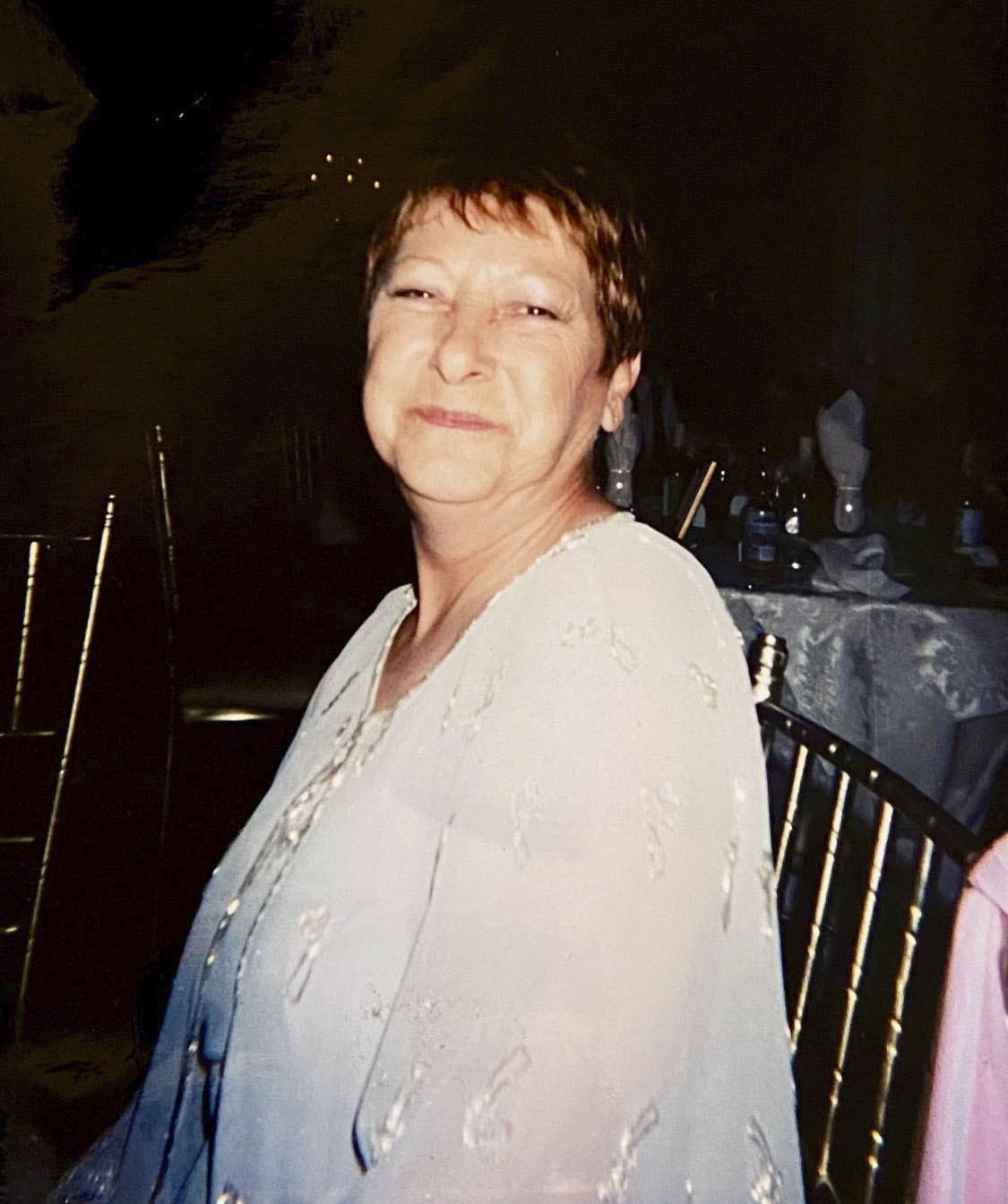
Manorville resident Margaret Parr, who died on March 1 of 2013, as a result of complications from ambulatory hernia surgery. A jury recently awarded more than $2 million to her family in a medical malpractice case against Southampton-based surgeon Dr. Medhat Allam.
After six years of litigation and delays — some related to the COVID-19 crisis — a jury awarded a $2.5 million verdict last month in a medical malpractice case involving Southampton-based surgeon Dr. Medhat Allam.
Duffy and Duffy Law, based in Uniondale, represented the family of Manorville resident Margaret Parr, a 68-year-old married mother of two who, in 2013, was diagnosed by Allam as having a large intrathoracic hiatal hernia. He scheduled her for ambulatory hernia surgery on February 28, 2013, and she was released from the hospital later that day.
She ultimately died of complications from that surgery on March 1, 2013. Her family contended that Dr. Allam did not properly ascertain the risks of performing ambulatory surgery given her other medical complications, such as her use of anti-coagulants (blood thinners), and having had stents implanted nine months prior to the hernia surgery.
On October 18, a jury ruled, 6-0, that Allam was negligent in failing to obtain a vascular consult and was negligent in scheduling the hernia surgery as an ambulatory procedure. The jury awarded $2.2 million for Parr’s 20 hours of conscious pain and suffering and $300,000 for the loss of parental care and guidance for her daughter.
A copy of the verdict stated that the jury found Allam negligent by “departing from good and accepted medical practice when he did not obtain a consult from a vascular surgeon” prior to the surgery. As to the question of whether this departure was a “substantial factor” in causing Parr’s injuries and death, the jury also found him responsible.
“No family should have to go through this,” said Suzanne Czerepinski, Parr’s wife, in a press release issued by Duffy and Duffy Law. “It was neglect and he needed to be brought to account for that. My spouse was in terrific pain following the surgery.”
The case went to trial because Allam, who is still practicing in Southampton, was not interested in a settlement, according to Cliff Argintar, a lawyer with Duffy & Duffy.
Allam was represented by Nicholas Marotta of Aaronson, Rappaport, Feinstein & Deutsch, LLP, who provided a statement on Allam’s behalf.
“Though the passing of Ms. Parr was saddening to all involved, including Dr. Allam, we believe that the verdict was against the weight of the credible evidence, and that Ms. Parr’s plan of care was done in accordance with the medical standards commonly practiced, and was formulated in consultation with Ms. Parr’s primary care physician and her cardiologist,” the statement read. “Furthermore, there were no claims of improperly choosing the type of operation or improperly performing that operation. We presently are exploring our post-trial and appellate options.”
Both Argintar and Margaret Parr’s daughter, Manorville resident Patricia Parr, were pleased with the outcome.
“This was a case that I think resonated with the jury because every patient has different risk factors,” Argintar said. “Because of her risk factors prior to the surgery, [Margaret Parr] should have been kept overnight rather than having ambulatory surgery. Even though that’s acceptable for most people having that kind of surgery, you have to analyze each patient individually and do what’s best for them.”
Patricia Parr echoed those sentiments and said she hopes the case provides an important reminder for surgeon’s that the needs of each patient can vary.
“Obviously, I’m pleased with the outcome of the trial,” she said. “My hope is that whether it’s Dr. Allam or any other surgeon, they learn from this not to treat every patient as the same type of person. One or two different decisions could have saved my mother’s life.”


 Cailin Riley on Nov 9, 2021