


 6 Photos
"Joe," 1969. DANA SHAW
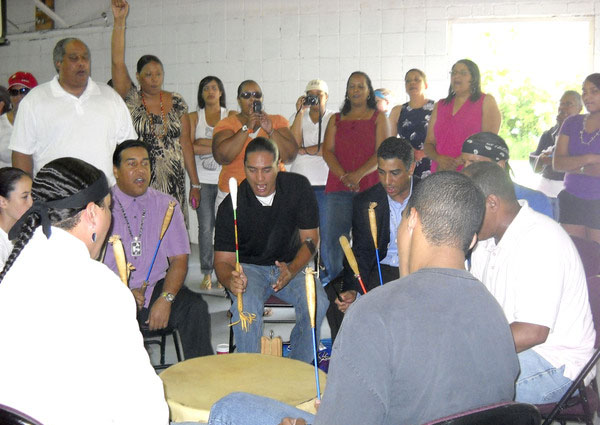
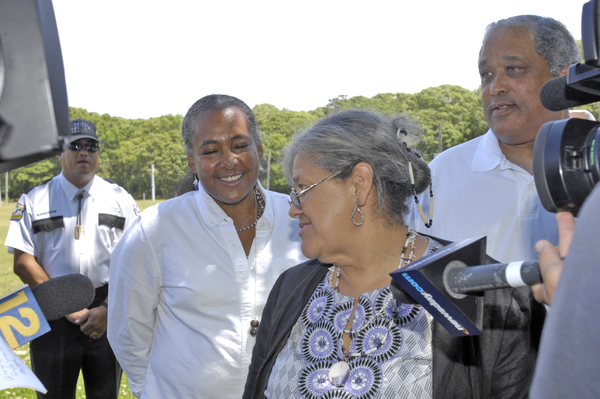
Members of the Shinnecock Indian Nation rejoiced on Tuesday after the tribe was informed by the U.S. Department of the Interior that they have been officially awarded federal recognition—a designation that recognizes the tribe’s long history on the East End, and the critical step leading to a host of governmental aid and opportunities, foremost among them the chance to operate a gaming facility.
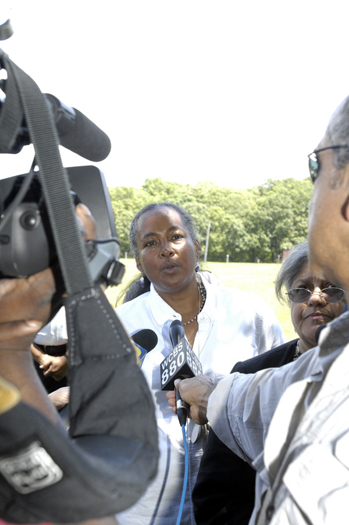
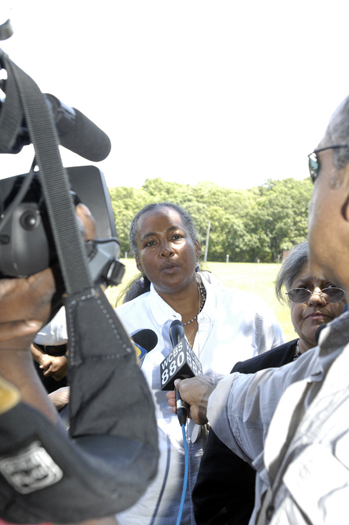
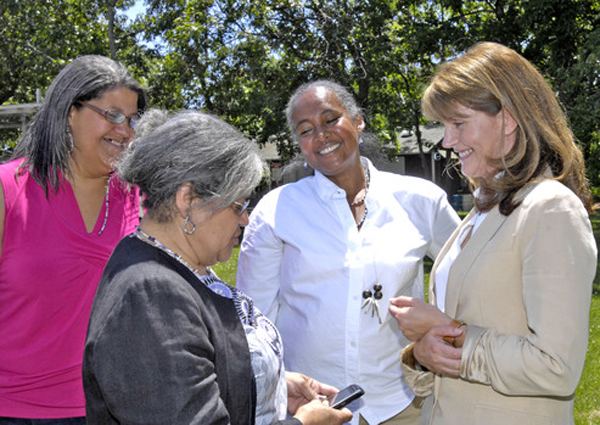
“There was jubilation,” Tribal Trustees Chairman Randy King said at a gathering of tribe members and media on the Shinnecock Reservation in Southampton on Tuesday afternoon. “Our people have always known who they were and it was a happy occasion to have that validated. There were tears of joy from a lot of our older members.”
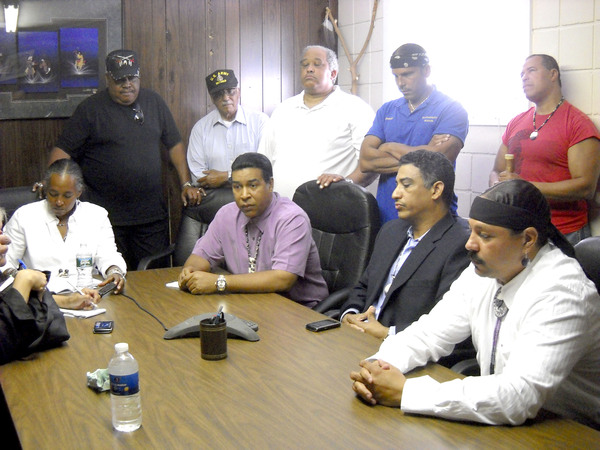
Tribal leaders informed Nation members of the impending decision on Monday night, and more than 100 gathered on Tuesday behind closed doors at the tribal offices to be present for the call from R. Lee Flemming, director of the Office of Federal Recognition for the Bureau of Indian Affairs, an agency of the Interior Department. The call confirmed that the BIA has ruled the tribe should receive federal recognition, nine years after its application for the designation was completed.
“This is something we’ve anticipated and waited on for a long time—we’re overjoyed,” Tribal Trustee Lance Gumbs said shortly after the announcement was made. He said that while the BIA’s preliminary determination in December had indicated that recognition would be forthcoming, there was tension nonetheless. “We sat there holding our breath, literally—I think everyone in that room was holding their breath. I don’t think anyone was taking it for granted until we heard those words.”
While some other Native American tribes waited 20 years or more for their application to navigate the labyrinthine federal recognition process, the Shinnecock Tribe’s time on the hook was cut to just nine years, thanks to a legal crusade spearheaded by casino developers hoping to cash in on a future Shinnecock-operated casino. After eight years of court battles—the tribe had declared itself independent of the federal guidelines and started to clear land for a gaming hall in Hampton Bays in 2002—a federal court last year ordered the BIA to issue a final determination on the tribe’s application before Monday, June 21. The same court ruled in 2007 that the tribe-owned property in Hampton Bays, off Newtown Road, could not be immediately used for gaming.
In the years since, the tribe has been clear that it wishes to identify a suitable site to begin development of what would be a much larger high-stakes casino operation, with accompanying hotel and entertainment facilities.
In order to proceed with any development, the tribe will have to acquire a parcel and put it into a federal trust with the BIA. It will then have to reach an agreement with the governor and State Legislature, likely anchored by a profit-sharing agreement that could mean hundreds of millions of dollars in new revenues for the state, county and local municipalities.
Last week, Shinnecock officials met with members of a task force formed by the Suffolk County Legislature to explore possible locations in the county for a sprawling casino development. The developers of the Enterprise Park at Calverton, on 95 acres of the former Grumman fighter plane testing facility, pitched the property as an ideal location. At least one member of the Tribal Trustees said the site carried many positives for a future Shinnecock casino.
On Tuesday, tribal leaders said the search for a suitable site will still take a long time, perhaps years.
Michael Malik, the Detroit casino developer who has bankrolled the tribe’s legal fight and paid an annual stipend to the tribe and the salaries of some two dozen tribal employees, was in Southampton on Tuesday, tribe members said, but was not present for the phone call from Mr. Flemming or at the gathering afterward. Mr. Malik and his partners, Michael and Marian Ilitch, owners of the Little Caesars Pizza chain and the Detroit Red Wings and Detroit Tigers sports franchises, have helped develop Native American casinos in Michigan and California and have lobbied for expansion of gambling in other states as well.
A report prepared by a consultant to one of the tribe’s early investors in 2001 claimed that a Shinnecock-operated casino on Long Island, because of its proximity to New York City, could be expected to grow to be one of the biggest in the world within 10 years.
Aside from the casino possibilities, which will certainly occupy most of the tribe’s dealings in the coming years, federal recognition means the Shinnecocks will become eligible to apply for a broad spectrum of government aid for housing, health care, education and economic development.
Charles Randall, who is on a committee of tribe members who have been working on preparing grant applications since February, said first on the list of chores will be to establish a handful of inter-tribal agencies, like a tribal Housing Authority, through which government grants can be filtered.
“We have to have an official entity that can receive the aid,” Mr. Randall said. “The doors may be wide open now, but there will be nothing flowing through them until there is something set up to receive it.”
A grant from the U.S. Department of Justice to establish a tribal court system is expected to be the first to come through, possibly as early as this summer. The tribe will be conducting a census-like demographic survey of all its members in late summer as well, in anticipation of applying for housing and infrastructure grants, Mr. Randall said.
The tribe’s federal recognition will take effect after a 30-day comment period commencing with Tuesday’s announcement. No objections were raised during a 60-day comment period after the BIA issued preliminary findings in December.
“This is very important for us,” former Tribal Trustee Avery Dennis said at the gathering on Tuesday. Mr. Dennis was a tribal leader in the 1970s, when the federal government first opened the federal register for tribes to apply for federal recognition. The Shinnecocks, one of the most well documented tribes in the country, thanks to its close interactions with the Southampton Town and New York State governments since the 1700s, sent a letter at the time saying that they intended to seek federal recognition, but never completed the application process.
Mr. Dennis said he regretted that the initiative was lacking to see it through, but doubted whether the tribe’s resources at the time would have allowed it.
“It was a lot of work and a lot of money. It was just a thing, we thought we should have been recognized all along. We’ve been here forever,” he said. “I give these youngsters credit for doing this.”


 on Jun 16, 2010