


 19 Photos
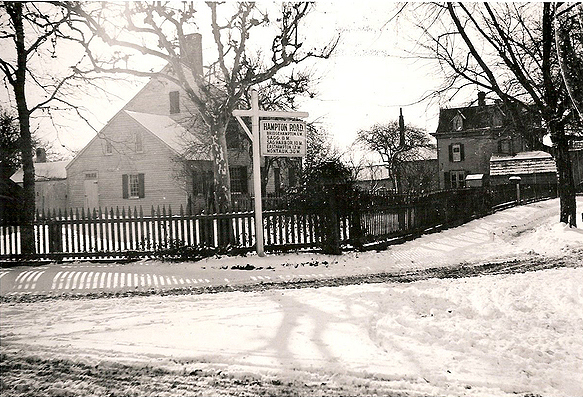
The Isaac Sayre House seen from the corner with a road sign in front of the building.
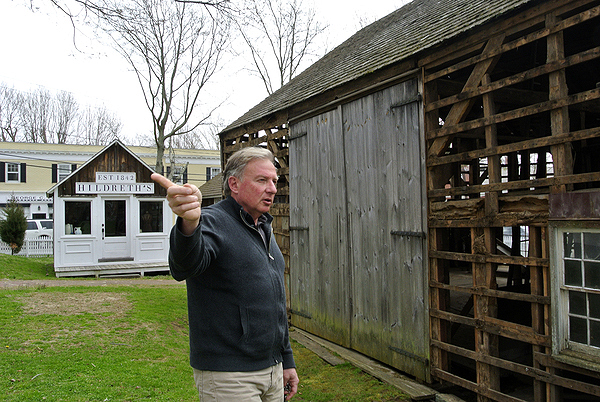
Tom Edmonds
Executive DirectorSouthampton Historical Museums and Research Center at the Sayre Barn. DANA SHAW
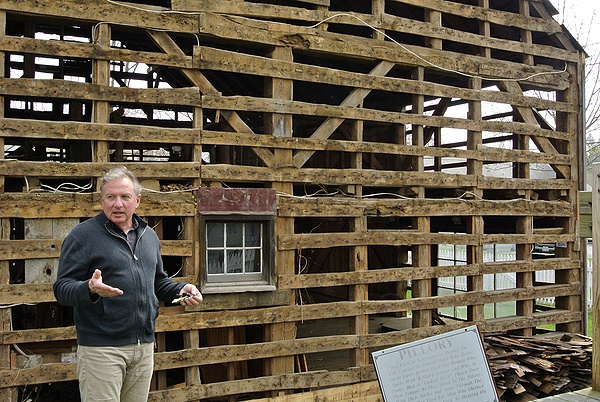
Tom Edmonds
Executive DirectorSouthampton Historical Museums and Research Center at the Sayre Barn. DANA SHAW
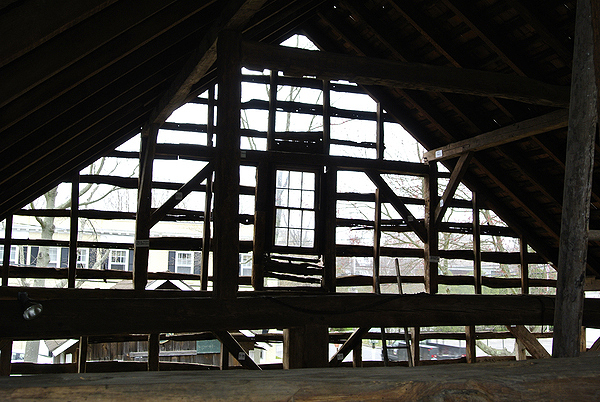
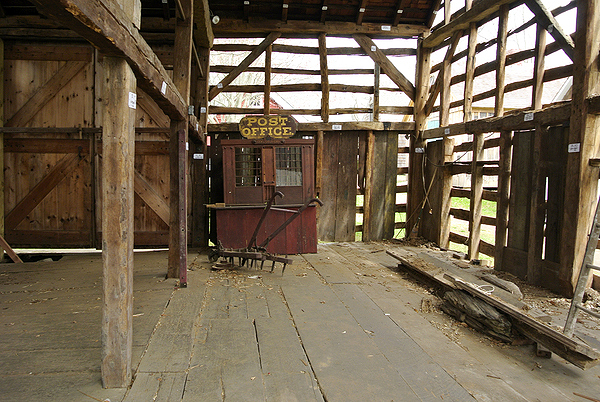
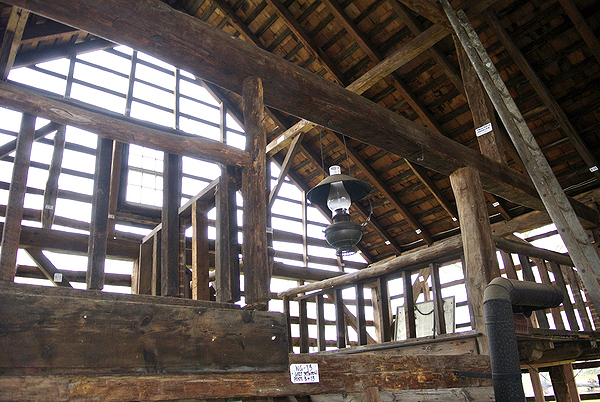
The interior of the Sayre Barn. DANA SHAW
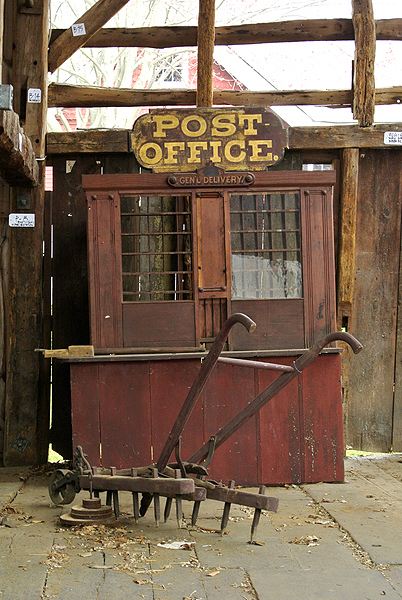
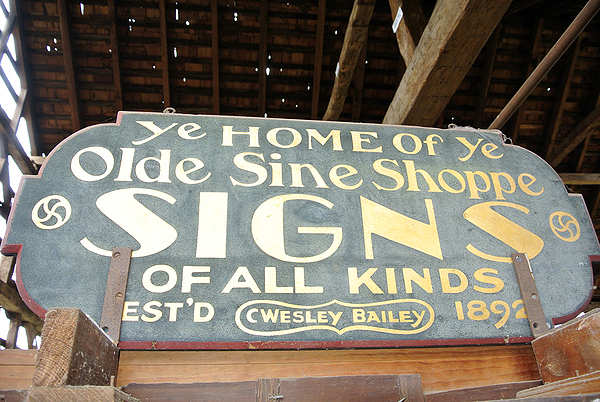
The old post office in the Sayre Barn. DANA SHAW
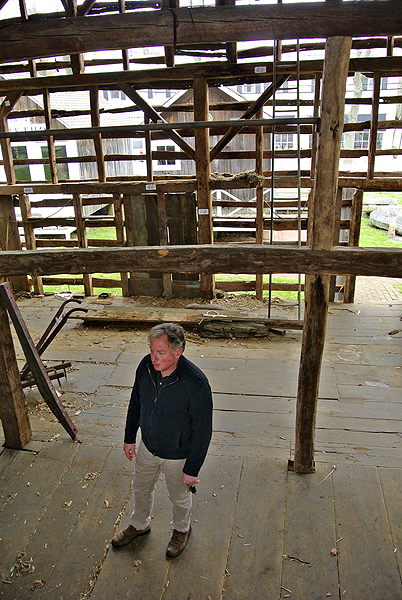
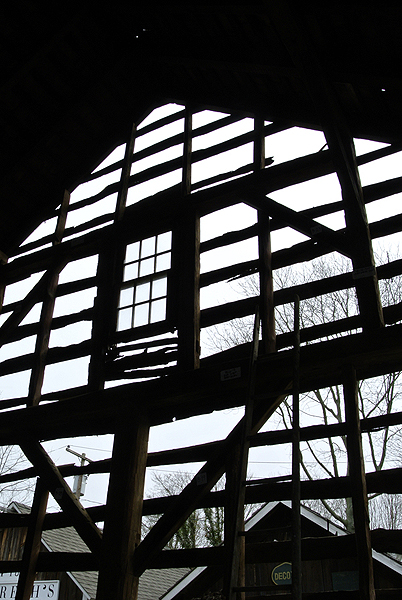
The Sayre Barn has been stripped down to the timbers to be restored. DANA SHAW
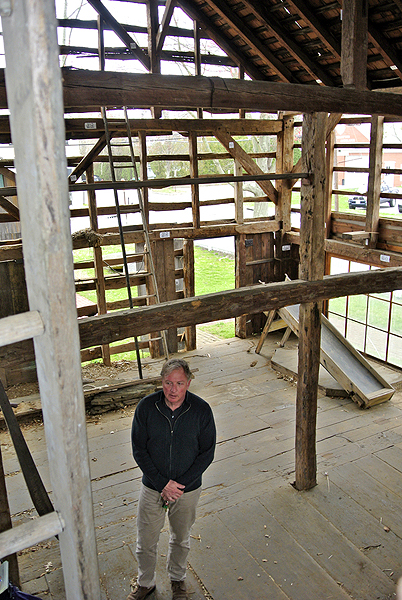
Tom Edmonds
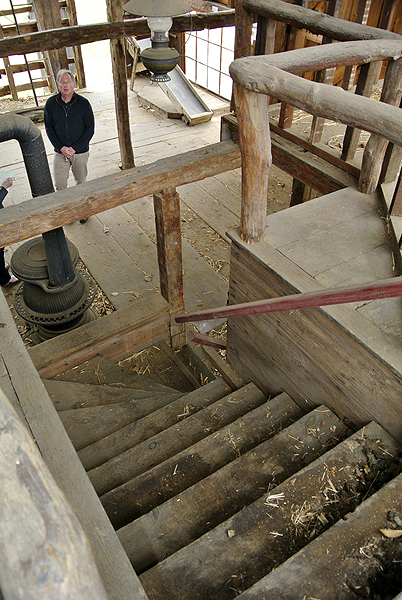
Executive DirectorSouthampton Historical Museums and Research Center inside the Sayre Barn. DANA SHAW
Tom Edmonds
Executive DirectorSouthampton Historical Museums and Research Center inside the Sayre Barn. DANA SHAW
Tom Edmonds
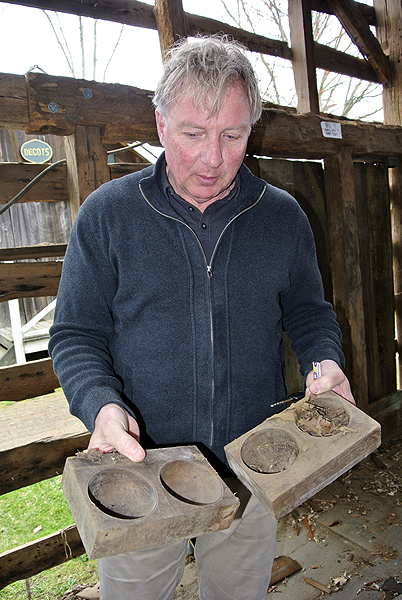
Executive DirectorSouthampton Historical Museums and Research Center inside the Sayre Barn. DANA SHAW
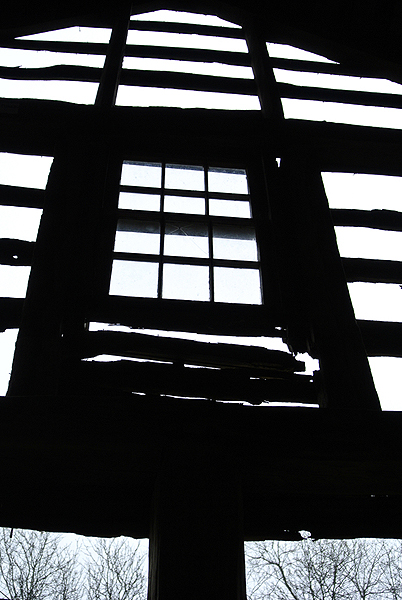
The stairs up to the loft of the Sayre Barn. DANA SHAW
The back of the old post office sign. DANA SHAW
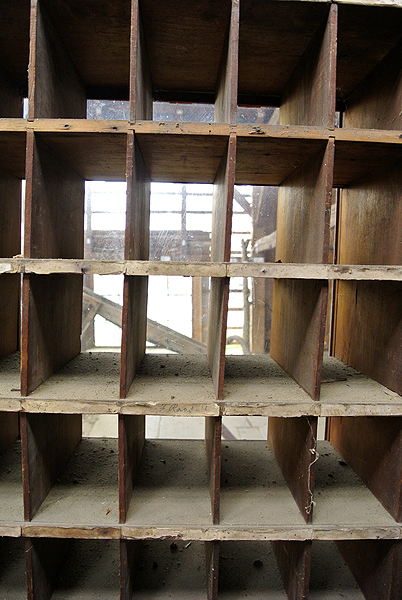
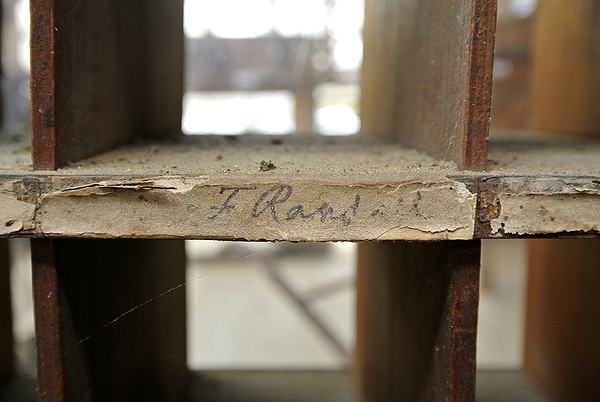
Mail slots for the old post office which resides in the Sayre Barn. DANA SHAW
Mail slo

Sitting like a skeleton at the edge of the Southampton Historical Museum grounds, the Sayre Barn has been stripped of its deteriorated siding. All that stands is its original 19th century frame, giving passersby a glimpse inside.
According to Tom Edmonds, the executive director of the Southampton Historical Museum, further deterioration of the building would have meant its demise—and so the museum took action.
Now in the midst of reconstruction, which began last week, the barn should be resurrected in time for the museum's Harvest Day in September—when it will offer festival-goers a glimpse of what the building was like during its prime. Mr. Edmonds said he expects the building ultimately will be used for dances and art exhibits, and will be rented out for special events and weddings.
Strada Baxter Design Build of Amagansett, a construction firm specializing in historic restoration, will revert the building to how it was when it was built in 1825, which means the removal of contemporary windows and a loft. The firm also restored the museum's blacksmith shop in April 2012, after it was severely damaged in Hurricane Irene.
Since 2008, the museum has been collecting donations for the barn renovation. The project will cost approximately $360,000 in total, and $70,000 remains to be raised. A "significant" donation was given to the museum by the Glena Jagger Estate; Mr. Edmonds would not disclose how much, but he said a plaque honoring her by name would be placed on the building.
Following the Secretary of the Interior’s Standards for the Treatment of Historic Buildings—a set of guidelines to help preservationists integrate new materials with historic ones—Robert Strada and his partner, Richard Baxter, have identified and labeled all the salvageable pieces to be put back into the structure, such as original wood beams and hardware.
When wood beams need to be replaced, workers will use similar wood beams that Mr. Strada hopes to find upstate and in Vermont. The building also will become wheelchair accessible and will be raised 18 inches to be set on a level foundation—it is currently half sitting on the ground and half resting on stone. The roof, which is not original, also will be repaired.
When the barn was built, it was built sturdy with knowledgeable hands, according to Mr. Edmonds. "Everyone knew how to build a barn—you didn't have to hire an architect or get a permit. Everyone got together and built it," he said. "It was a community event."
Built in 1825 by the Huntting family, and sold to Isaac Sayre a year later, the barn was located at the corner of Southampton Village's Main Street and Hampton Road. Mr. Edmonds said the barn was known as the "billboard" barn—because of its location, signs and posters identifying wanted criminals and runaway slaves from the South, and advertising help wanted and coming events, like the circus, were posted on its facade. Inside the single-story barn, Mr. Sayre kept his livestock and stored goods.
The barn fell into the hands of the Dimon family and was made into an antiques store in the 1930s, when new windows were added. According to Mr. Edmonds, actor Gary Cooper would frequently buy Crutchley's Crullers donuts from a Southampton shop and share them with customers at the store.
After World War II, when brick storefronts became the norm, the family gave the building to the Southampton Colonial Society—which later became the Historical Society. In 1952, the organization took on the monstrous task of moving it onto its property on Meeting House Lane by rolling it down Main Street on logs. Soon thereafter, it became the museum's dry goods store and attracted tourists.
In the 1990s, a drunk driver crashed into the barn, and new wood was used to replace the old. The structure was closed to the public in 2008 because of its deterioration.
During the cataloging process of all the structure's skeletal pieces, Mr. Edmonds has kept a record for himself. "I take pictures every day," he said explaining his appreciation for the building's structure. "It's not going to last forever."
Inside the barn, which served as a sort of "granny's barn full of equipment," according to Mr. Edmonds, remnants of eras gone by—old Southampton post office mailboxes, discarded molds and a potato loader—sit as if frozen in time.
Mr. Edmonds said activity once again will pass through its tall doorways. It's just a matter of getting the community to contribute to its construction, as it did when the barn was first raised nearly 200 years ago.


 Shaye Weaver on Apr 23, 2013