


 1 Photo
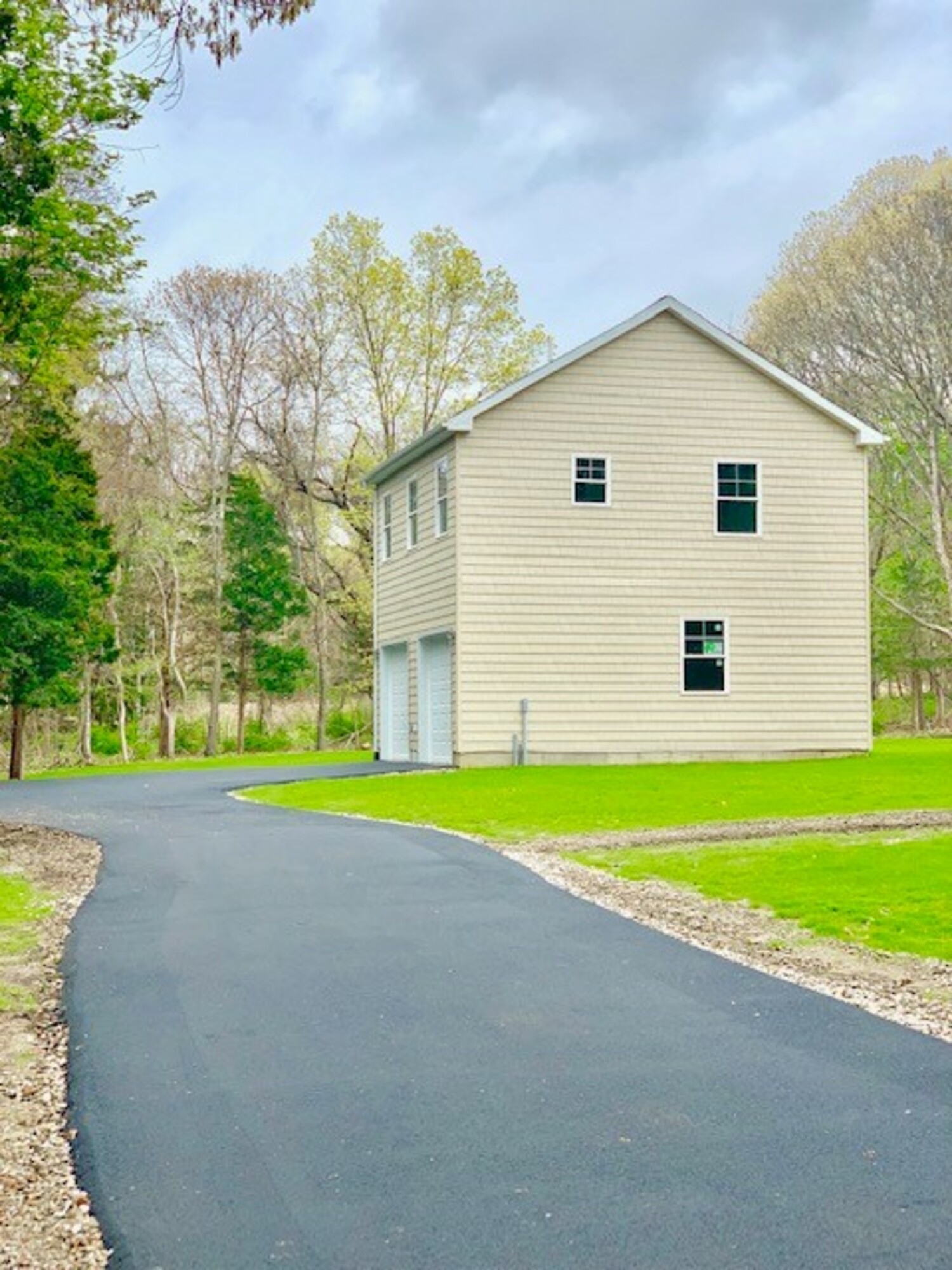
Southampton Town plans to offer tax breaks to the owners of homes who construct an affordable accessory dwelling apartment on their homes. COURTESY SOUTHAMPTON HOUSING AUTHORITY
With Southampton Town poised to start offering homeowners up to $150,000 in interest-free loans to construct accessory rental apartments on their properties to combat acute affordable housing shortages, the town is also crafting a special tax exemption that will allow some of those who do to avoid the property tax hike that would come with the additional living space.
The town’s housing office has proposed that the town offer a 10-year, graduated exemption from increased property tax assessments when an accessory apartment — known technically as an accessory dwelling unit, or ADU — is added to a property.
Kara Bak, the town’s housing and community development administrator, said that as the town looks to remove hurdles to creating the low-cost housing options by lowering the size of lots that can have accessory dwellings and offering the funding support for construction costs, the question of tax impact keeps coming up.
“When people call my office, they say these are great programs, but will my property taxes go up?” Bak told Town Board members recently. “The improvement of that ADU would impact taxes. So the state has allowed us to create an exemption for those units.”
The exemption would be available only to those who create a new apartment with no more than two bedrooms after the exemption law is adopted and who earn no more than the median regional income — which is $109,000 for one person or $156,000 for a family of four. A homeowner earning more than that would not be eligible for the tax break, but would still be eligible for the town’s construction loan grants, which the town expects to begin awarding later this year.
The exemption would be in effect for 10 years but would decrease gradually over time. For the first five years of the exemption, it would apply to 100 percent of the additional assessment. For the sixth, seventh and eighth years 75 percent of the new assessed value would be exempt, in year nine, 65 percent and year 10, just 55 percent would be exempt, after which the exemption would expire and the full assessed value of the property would be calculated into the tax bill.
The town’s ADU code requires that the apartments be at least 300 square feet and no more than 1,000 square feet and two bedrooms. Rents that can be charged are capped at about $2,500 for a one-bedroom and $2,800 for a two-bedroom, not including utility bills.
Tenants eligible to live in accessory apartments created under the town’s affordable housing program must currently live or work in the town and may not earn more than 130 percent of the area median income, which is $142,000 for a single and $162,000 combined for two people.
The tax exemption proposal has yet to be introduced as an actual law, but Town Board members were broadly supportive of it as a way to spur the creation of new units.
“We need to incentivize people to actually offer these,” Councilman Tommy John Schiavoni said.


 Michael Wright on Jul 31, 2024