


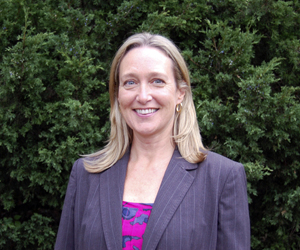
 1 Photo
Age: 49
Hometown: Noyac
Education: BA, Hunter College; juris doctor, University of Virginia School of Law
Occupation: lawyer, mediator
Party affiliation: Democrat
Political experience: assistant district attorney 1991-2000. No prior elected position
Do you support the proposal that the town begin charging nightclubs and taverns that are deemed “trouble spots” for the extra police coverage they require to maintain law and order? Why?
Yes. The costs associated with police coverage of troublesome nightclubs must be defrayed, and that cost should be borne by the entities that create the need. In addition, a “user fee” based on need for extraordinary police hours will provide a needed incentive for the clubs themselves to curb nuisance and criminal activity.
Do you think the town should pursue privatizing the recycling centers? Why?
No. The proposal is an example of management by crisis that has caused town leaders to lose sight of sound, community-based priorities. We have an obligation to maintain control of the entire waste management system in order to control environmental impacts and traffic flow, and maintain acceptable service levels. There is no compelling evidence that privatization would save the town any money, and the community has voiced loud and clear opposition that must be respected.
Do you think the town should pursue privatizing the town animal shelter or contracting with a company to operate it? Why?
Recent discussions have revealed that it will be possible to partner with private philanthropy to maintain top-notch services and avoid the unacceptable outcome of euthanizing animals simply because they can’t be placed. Aggressive efforts at negotiation must be pursued to reach a solution.
Do you think the PILOT program can be fixed in a way that benefits the town and the districts in need of relief? How?
The primary purpose of the CPF program is to preserve land, and we must not lose sight of that, nor should we enact further legislation that dilutes this important purpose. At the same time, taxing districts should not be made to pay for the political mistakes of the Town Board. We need to work with the State Comptroller to arrive at accurate assessments for the parcels whose values were grossly inflated in the past, and institute systems and controls so that inflated values are not permitted in the future.
Do you support the idea of waiving the tax cap for one year in order to eliminate the deficits and debt uncovered in the general, capital, police and waste management funds this year? Why?
It would be a mistake to talk about specific solutions before we have actual, accurate budget figures. We still don’t have the restatement of the 2007 surplus that was called for some time ago, nor do we have results of the various audits that are underway, to determine what actual deficits we face. We do need to make it a priority to protect taxpayers from having to foot the bill for the gross mismanagement of the town’s budget over the last several years, by aggressively pursuing alternative revenue streams, and cost savings.
The proposed 2010 budget calls for 44 layoffs. Do you think the town’s workforce and should be pared down in the coming years? Why and how?
From 2001 to 2008, town spending almost doubled, from $46.5 million to $82.5 million. Much of this explosive growth in spending was due to the addition of staff positions and select salary increases. We have to take a hard look at the positions that were added, and make whatever adjustments possible to reduce overlapping services and increase the efficient delivery of services to the taxpayers.
What is the greatest challenge facing Southampton Town in the next four years?
Because of the depth of the budget deficits, there are no easy answers to the financial problems facing the town. The ongoing audits are beginning to reveal that the situation is even more dire than we had been led to believe. We need to create a structurally sound budget that delivers services according to consciously-set priorities that consider the long-term good of our communities. It is essential that the voters choose leaders who will not fall prey to political opportunism, providing short-term solutions that sound good, but don’t accomplish overall goals. It can be done, but it’s going to take skill, hard work, and determination.


 on Oct 29, 2009