


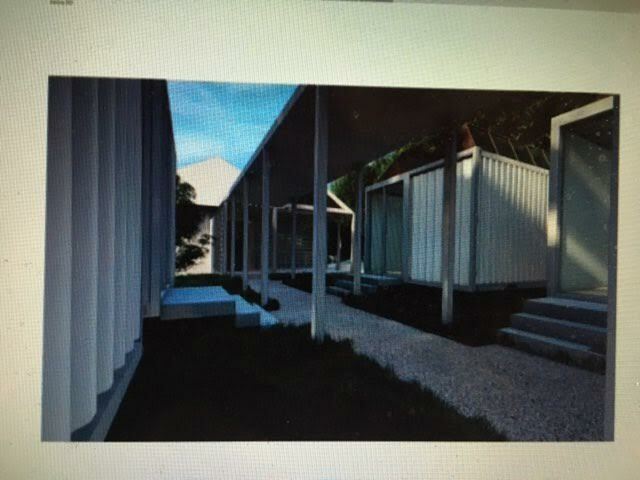
 1 Photo
In the quest to create housing for staff the Golf at the Bridge course sought -- and received approval to use storage compartments to craft individual units for workers. Last week the Southampton Town Board began discussion of code amendments that might make providing worker housing on golf courses easier.
Prompted by a determination that employee housing is an accessory use to a golf course, which sent Atlantic Golf Club officials back to the drawing board, the Southampton Town Board is taking a look at its code requirements for workforce housing at golf courses overall.
A number of area courses already provide approved housing for some staff, but Assistant Town Attorney Kathryn Garvin explained that when they come in for more staff housing, the code prohibits the use of accessory structures for sleeping and cooking.
Neighbors fighting Atlantic’s plan to build housing for 16 staff members just off Scuttle Hole Road in Bridgehampton filed litigation earlier this year, challenging the Planning Board’s approval of the project. They also challenged the building inspector’s determination that staff housing is an acceptable accessory use for golf courses. Under the current town code, it’s not.
The Town Board’s July 28 work session focused on figuring out a way to exempt golf courses from the prohibition the same way farms and restaurants are.
The affordable housing crisis has affected a lot of local businesses, Supervisor Jay Schneiderman noted. But golf courses are unique, he said, because they are a major employer in the area and also have the room to build accessory units.
“We’re trying to get it right,” he said, explaining that staff housing, when it comes to size and setbacks, has to be respectful of neighbors. Councilman Tommy John Schiavoni emphasized that the guiding principle needs to be ensuring the housing doesn’t significantly impact the look, character and feel of the surrounding community.
Councilman John Bouvier said that while the plan to amend the code to allow staff housing for golf courses is fine, it will open the door for other businesses looking to create the same amenity. Schneiderman noted that a lot of businesses don’t have room on their property for an accessory dwelling structure. Another measure might be crafted to allow for other industries to use land beyond their main sites for worker housing.
A lot of area businesses rent homes for their workers, then end up running afoul of the town’s ordinance banning more than four unrelated people living under the same roof, the supervisor informed.
Councilwoman Cynthia McNamara noted that those houses rented by business owners decrease the pool of available rentals for local residents. She, too, expressed concern about crafting a code exemption for specifically for golf courses.
“We’re trying to deal with a housing crisis one industry at a time,” she said.
She’d rather see something that fits all businesses. Schiavoni speculated that there will be a need for additional code amendments for different businesses and Schneiderman reiterated that golf courses have the distinction of being able to build or use accessory structures on site.
The code amendment would allow the housing as a special exception permitted use. That means any proposed project would have to meet an array of standards.
Board members mulled how far proposed housing should be set back from neighboring abodes. Schiavoni wanted to incentivize siting the dwellings in the back of golf course properties rather than out front.
Schneiderman thought the number of people who’d be staying in the dorm could drive the setback distance. The draft under review listed setbacks consistent with those required for employee housing for farms and restaurants.
Attorney Wayne Bruyn, who’s represented Atlantic, Southampton, and National golf courses, cautioned the board against including elements in the code amendment that could “hamstring” the Planning Board during the review process. He noted he’s helped owners of agricultural properties get variances for housing, and suggested the board review all the local golf courses to see what they already have in use.
For example, Bruyn said the staff housing for the Southampton Golf Club is right in the highway business portion of County Road 39 in Southampton. Schneiderman thought, then, that there should be different rules for courses near commercial land and those abutting residential areas. The Town Board could defer to the Planning Board regarding setbacks and siting of the accessory units, Bruyn suggested.


