


 1 Photo
Mark Haslinger
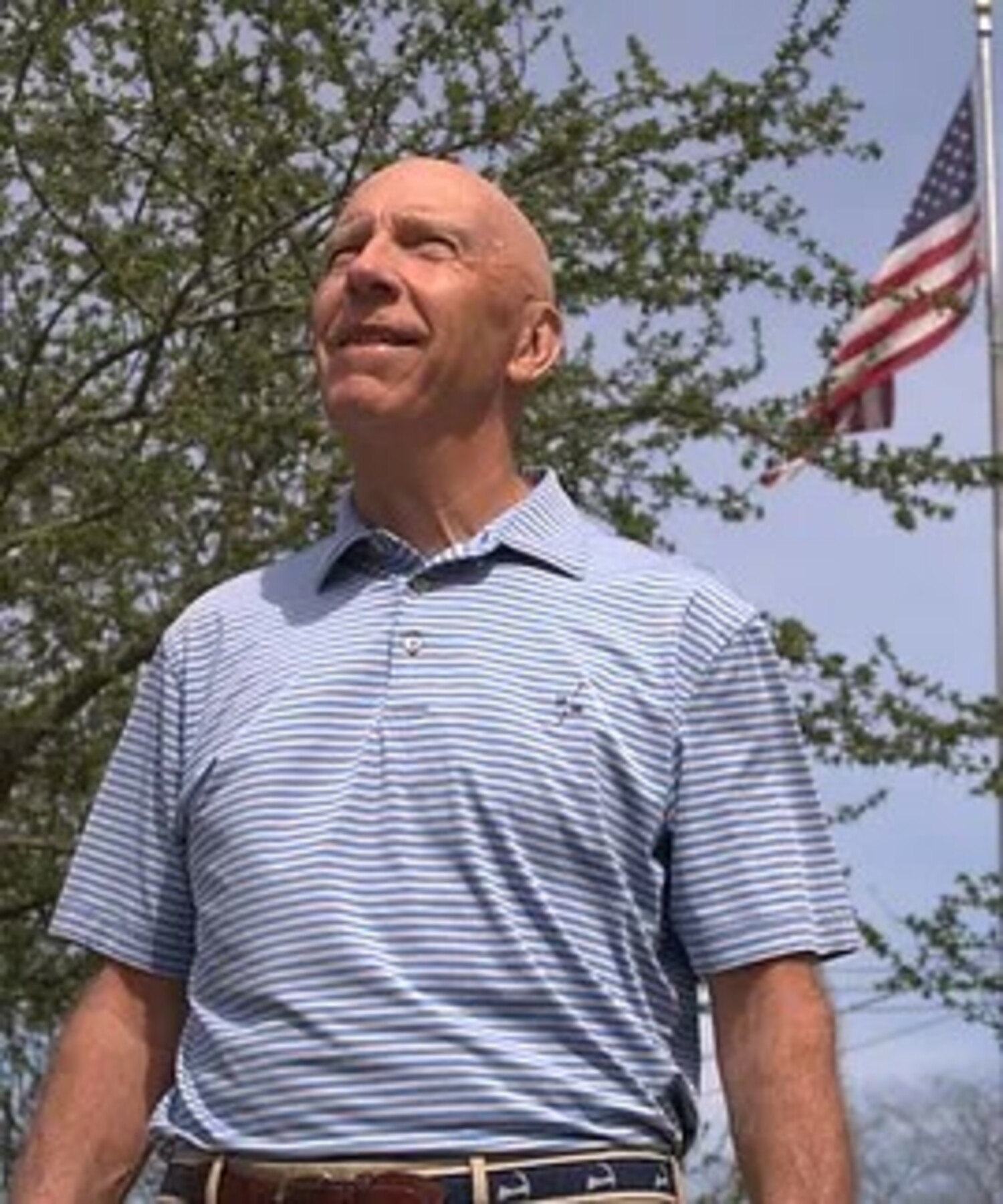
Mark Haslinger touts a love for local waterways and a 40-year business career as two of his top-line items for why he should be elected as a Southampton Town Trustee.
“Everybody pretty much wants clean water and beach access,” he said, but to be an effective Trustee “it comes down to competence, diligence and discipline — and you want to have a full-time resident,” which he is, for about the last 12 years.
This is Haslinger’s first foray into seeking elective office and he strongly believes the Trustees benefit from a variety of voices and backgrounds represented.
There are biology-oriented people, baymen on the ticket and on the board already, but he said you also want “competent, business-minded people because you want to come up with common sense solutions.”
Haslinger’s career was as a municipal bond underwriter and corporate sales manager and he describes himself as a “bipartisan problem solver.”
He was encouraged to run, he said, after serving as Trustee Bill Parash’s campaign treasurer.
“I got my beak wet that way,” he said, before being asked to run by the local Republican Party this year. He’s been going to Trustees meetings while also doing some other civic work, including giving talks to Long Island students about U.S. Presidents, which he started doing at the Yale Club while still working in New York City. That project, he said, started out as a book club with a yearly talk about one president or another.
He bought a house in Southampton Town with his partner a dozen years ago, and says with a laugh that, “I don’t ever think I’ll be a local,” even as he highlights local bona fides as a participant in civic life here. “I’m just about the only candidate who actually goes to the meetings,” he said. As a guy who fishes and boats and kayaks in local waters, he said, “I respect and appreciate the great and unique heritage that the Trustees have.”
He’s been going to meetings and studying the history of the Trustees and its role and checking out Trustee-owned and managed dock areas and bottom lands as another, osmotic way he’s absorbed the history and role of the Trustees. Returning to the critical issue of bipartisanship governance and policymaking at the hyper-local level, he said “local government is closest to the people and it has to be functional.”


