


 7 Photos
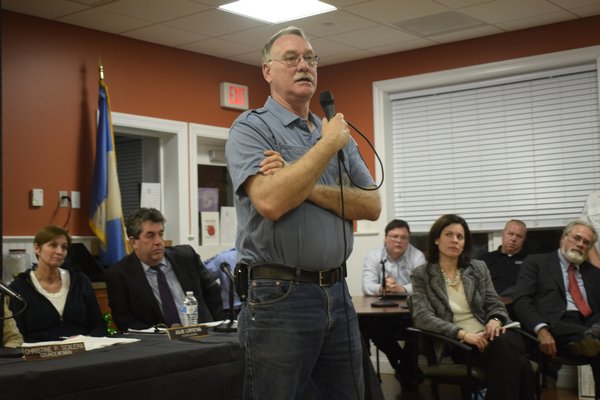
Ron Hintze, a member of Flanders Northampton Volunteer Ambulance's board of directors, described the third-party billing system to a group of residents. JEN NEWMAN
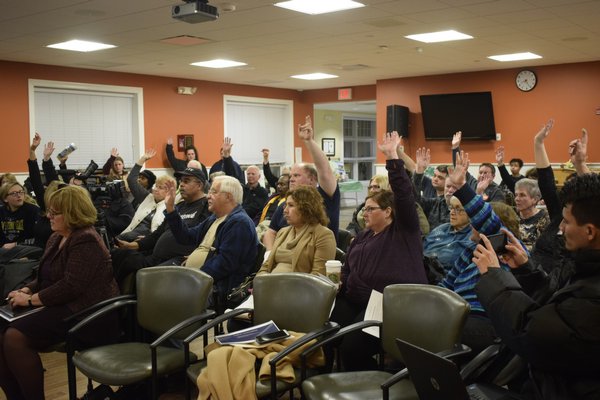
The majority in attendance at Thursday's meeting said they were in favor of looking into third-party billing. JEN NEWMAN
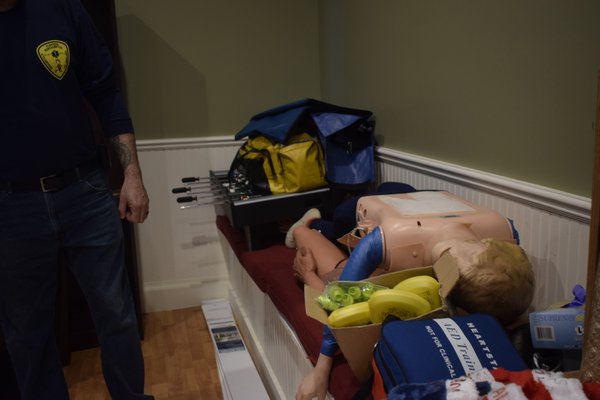
The rec room doubles as a training area, where a small foosball table is covered with CPR training material. JEN NEWMAN
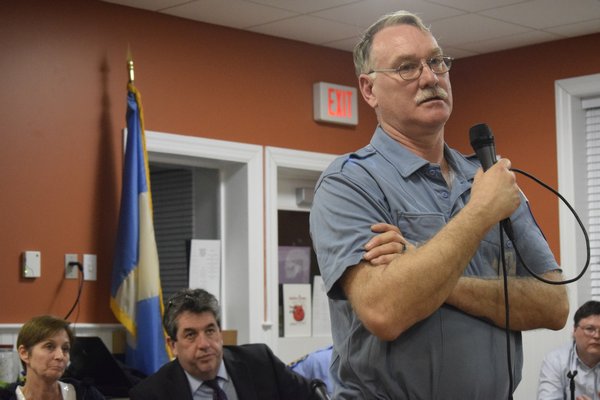
Ron Hintze, a member of Flanders Northampton Volunteer Ambulance's board of directors, described the third-party billing system to a group of residents. JEN NEWMAN
Southampton Town Board members will hold a community forum in March in order to gauge the public’s interest in establishing what would be the only third-party billing system for ambulance companies in the municipality.
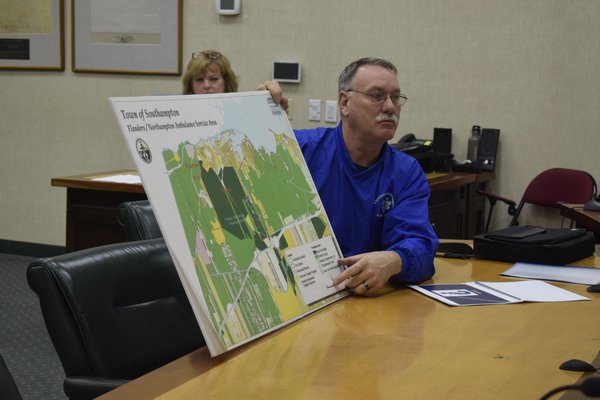
Though an exact date and location for the forum have not yet been set, Town Board members announced this week that a meeting will be held to discuss the idea of testing the program with the Flanders-Northampton Volunteer Ambulance, which has the second largest coverage area in the town, trailing only the Hampton Bays Volunteer Ambulance.
Ronald Hintze, who sits on the Flanders-Northampton Volunteer Ambulance’s Board of Directors, has spent the last several years asking the Town Board to test the system, in which ambulance company officials would start, for the first time, billing insurance carriers whenever they transport a patient to the hospital. The ambulance company currently does not charge patients for the service, though most insurance carriers still bill them and keep the money collected.
Under Mr. Hintze’s proposal, his ambulance company would attempt to recoup some of that funding from the insurance companies, generating an estimated $540,000 in new revenue for his district—assuming that insurance companies compensate it for 900 of its 1,200 calls annually. He also stressed that those who lack insurance, or cannot afford the bill, can submit a form to have the fee waived.
The Flanders-Northampton Volunteer Ambulance company has a $599,205 operating budget, significantly less than those of smaller outfits, like the Westhampton War Memorial Ambulance, which has a $941,491 budget this year, and the Southampton Volunteer Ambulance, whose budget is $653,208.
Mr. Hintze also noted that his area’s unique situation—Flanders and Riverside lack a large commercial base and many properties are preserved and removed from the tax rolls—has contributed to the lack of funding for his outfit, which boasts about 40 members who also must respond to calls at several state and county institutions, including the Suffolk County Jail in Riverside.
“Our taxpayers are paying more—we have less—and we’re still providing the service,” Mr. Hintze said. “We have no tax base and we have no room to grow.”
None of the other ambulance districts in the municipality currently uses a third-party billing system, a situation that Town Supervisor Jay Schneiderman attributes to their ability to pull from larger taxing bases, which fund the town’s ambulance districts.
“Other towns have a much bigger tax base,” the supervisor said. “I’m not sure if Riverside goes in this direction if anyone else will follow suit. My guess is they won’t. I think it’s fair to recognize the difference with Riverside in how small of a pool of residents they have to draw from.”
Mr. Hintze said he would like to see the proposed system tested over four years, if the Town Board eventually agrees to allow it.
Unlike prior boards that took no action on the ambulance company’s request, Mr. Schneiderman said his board is seriously considering the proposal—quickly adding that it must still take a closer look at the legality of such a system and the potential pitfalls. The next step in the process, he added, is asking the residents of the ambulance district if they want such a plan. “I think we want to hear from the public and what the residents want us to do,” the supervisor added.
Town Councilwoman Christine Scalera said in addition to exploring third-party billing, she would like to see if any state or county grants are available to help fund the ambulance company.
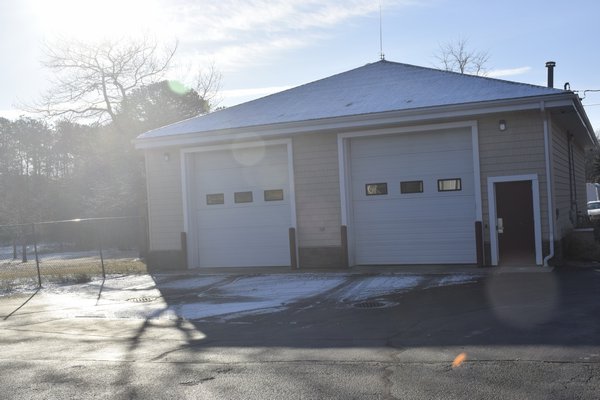
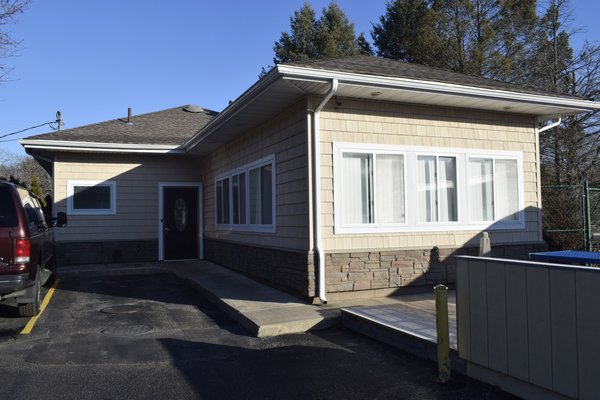
Mr. Hintze said some of the additional funding would be used to buy a new ambulance. He said the ambulance, which would cost around $200,000, would replace a 2002 model. He noted that additional funding could be spent on expanding the ambulance barn that sits off Flanders Road, providing volunteers with dedicated training and meeting space.
“This is where it all happens,” Mr. Hintze said while giving a tour of the facility’s recreation room, which doubles as a meeting space and CPR training area. “It’s how we keep the budget down. But we can’t afford to stay like this. We have no amenities—we are bare bones.”
He also pointed out that a third-party billing system should deter those who call for an ambulance in non-emergency situations. “The fact of the matter is if somebody needs an ambulance, they’re calling for an ambulance,” Mr. Hintze said. “What this is going to do is deter the nuisance calls.”


 on Jan 18, 2017