


 1 Photo
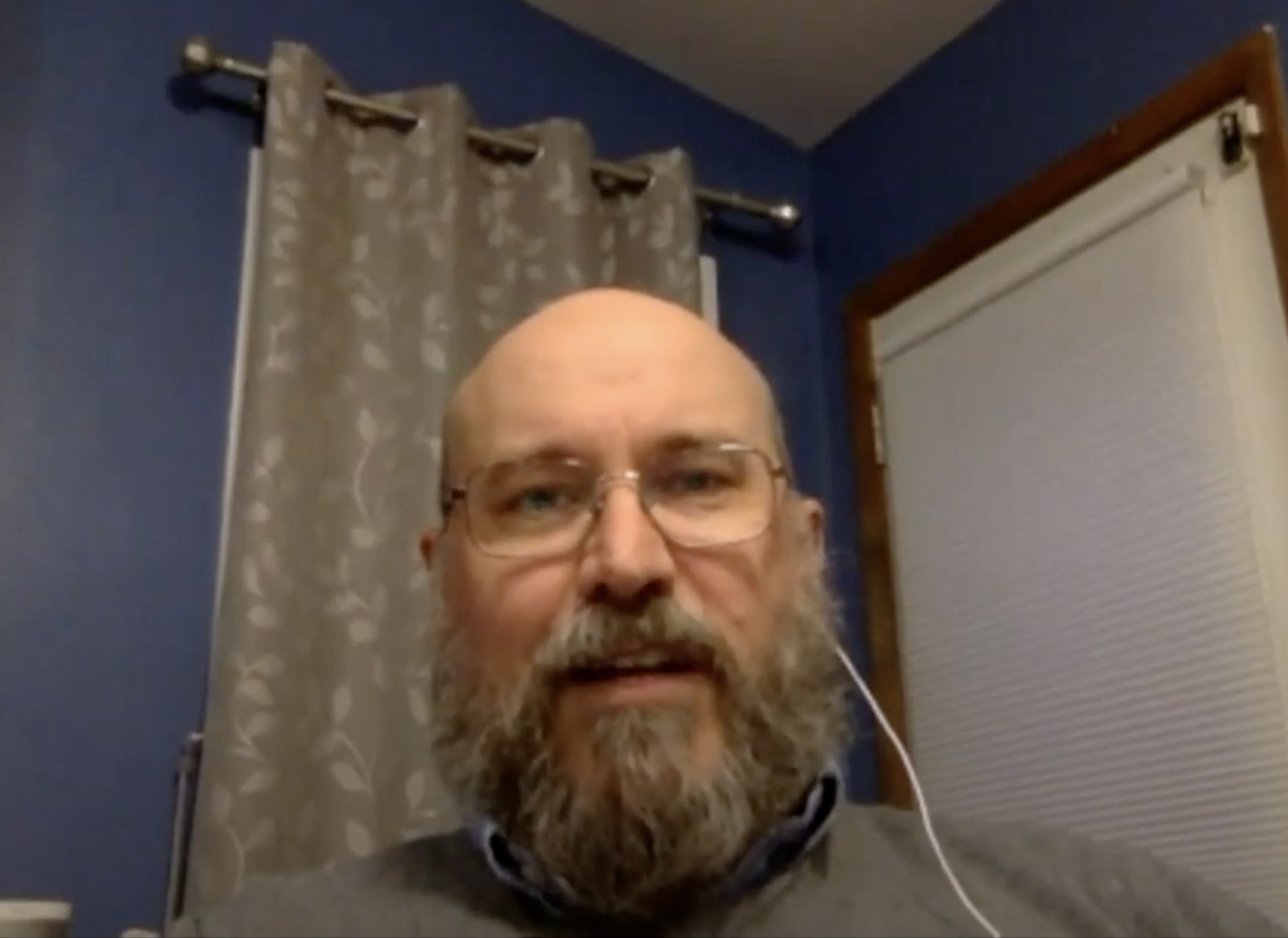
Andrew Manitt, the deputy director at the Sustainability Institute at Molloy College and the Clean Energy Communities coordinator for the Village of Southampton.
The Southampton Village Planning Commission voted this month to pursue the village’s adoption of New York Stretch Code, a model energy code that requires greater energy efficiency in home building and commercial construction.
NYStretch will save about 11 percent more energy than the standard state energy code, according to the New York State Energy Research and Development Authority, known as NYSERDA. Should the Village Board adopt NYStretch, it would further the goals that the board set in May when it declared a climate emergency. The declaration included a commitment to have 100 percent renewable energy in the village by 2030 and to eliminate greenhouse gas emissions.
Sheila Peiffer of the village’s c told the Planning Commission on November 4 that adopting NYStretch will also pave the way toward becoming part of the state’s Clean Energy Communities program.
Andrew Manitt, the deputy director at the Sustainability Institute at Molloy College, explained that Clean Energy Communities provides grants and encouragement to municipalities to take specific, concrete actions that reduce greenhouse gas emissions, lower energy bills and foster a green economy. The institute is contracted with NYSERDA to provide coordinating services.
“That means I am the Clean Energy Communities coordinator for the Village of Southampton,” he told the commission. “That means I can offer you advice, encouragement [and] technical assistance with adopting any of the high-impact actions that NYSERDA has identified as part of the Clean Energy Communities program.”
Adopting NYStretch is one of those high-impact actions, and it comes with a $5,000 grant for communities with populations of less than 40,000 residents. Larger communities can receive a $50,000 grant.
Manitt explained that NYStretch came about when NYSERDA looked at the rate at which energy code was becoming more stringent and found that the efficiency standards would not adequately reduce emissions. NYStretch accelerates the rate.
“It’s attempting to look ahead into the future and create a model code that is about one code cycle more advanced than the current state code,” Manitt said. “Every three years, the International Code Council brings out a new code and it generally improves the efficiency required of buildings by a few percent.”
Two large and 18 small committees have adopted NYStretch, Manitt said, adding, “It’s not a large number yet, but it’s a significant and growing number.”
Municipalities earn points for each action they take, and as they reach higher point tiers they can receive more grants, Manitt said. “Some of these actions are more difficult to take than others,” he noted. “They do actually entail some work, some expense sometimes. But in the long-run, they make your community more sustainable, more energy efficient.”
Some of the other high-impact actions are streamlining solar permits, switching to LED streetlights and transitioning municipal vehicle fleets to electric vehicles.
Michelangelo Lieberman, who is the co-chair of both the Planning Commission and the Climate Action Committee, said that NYStretch is a good step toward modifying the village code to be more environmentally conscious.
Southampton, as a coastal community, is often faced with sea level rise issues that are due to what’s happening on a macro scale, Lieberman said. “Then the question is, well, what can we do about it?”
The answer, he offered, is to build more efficient buildings. “And as one of the wealthiest communities in the country, we have an opportunity to be a leader in that,” he said.
Lieberman will present to the Village Board about NYStretch on Tuesday, November 23. Meanwhile, the Southampton Town Board will hold a public hearing on adopting NYStretch on that same day.


