



 3 Photos
Tom Varley has been hired by a consortium of scientific and environmental groups to steer efforts to greatly increase the rate of replacement of aging septic systems around Georgica Pond and Sagg Pond.
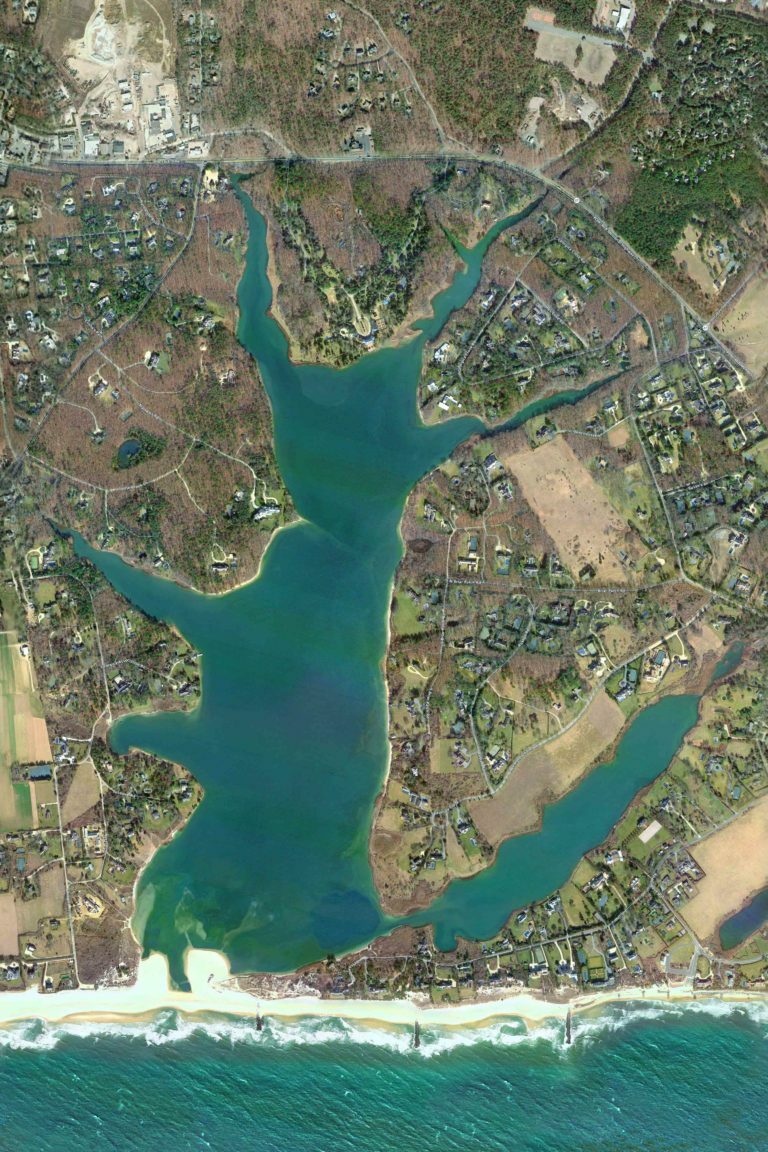
The watershed for Georgica Pond extends well north into Wainscott and included hundreds of homes that need to have their septics upgraded. Friends of Georgica Pond
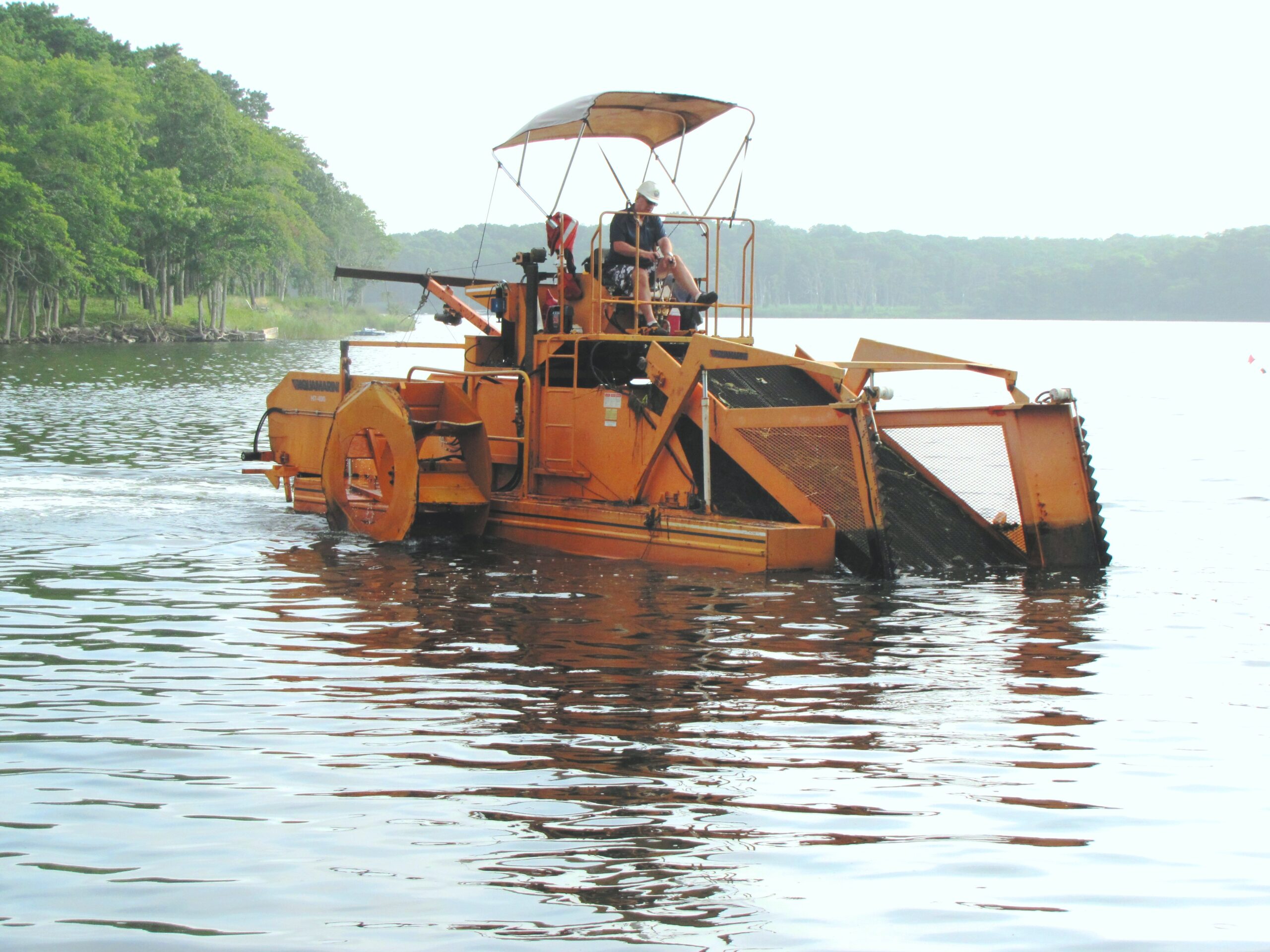
The Friends of Georgica Pond will deploy the aquatic harvester in the pond again this summer. Last year the floating tractor removed 72,000 pounds of nutrient-laden aquatic weeds from the pond, lowering the risk of toxic algae blooms.
The Stony Brook University Center for Clean Water Technology has hired a veteran wastewater management expert to serve as an expediter of upgrades to septics in the neighborhoods surrounding Georgica Pond and Sagg Pond.
Working with the Peconic Land Trust, the center’s new “watershed manager,” Tom Varley, has been charged with helping accelerate the upgrading of residential septic systems at homes that lie within the watersheds of the two fragile coastal ponds.
Both ponds have been plagued with harmful algae blooms sparked by high nitrogen levels, which Stony Brook scientists have said are caused in large part by human waste leaching unfiltered into groundwater from residential toilets connected only to cesspools or obsolete and ineffective septic systems.
Sara Davison of the Friends of Georgica Pond said that Varley has already begun meeting with homeowners around Georgica Pond.
“Tom has hit the ground running, and it will be an unbelievable boost to have another person focused full-time on this critical need.” Davison said. “Under the guidance of the CCWT, Tom will have the highest level of technological support. Tom is available to homeowners at no cost throughout the upgrade process, including system selection, soliciting design, installation services and grant applications.”
Both Southampton and East Hampton towns have made up to $40,000 in grant funding, and Suffolk County up to an additional $30,000, available to residents for upgrading to modern septic systems that can remove many times more nitrogen from wastewater before it goes back into the ground. The towns have prioritized areas within the watersheds of particularly sensitive water bodies for receiving the largest grants.
The Friends of Georgica Pond also received permission from the East Hampton Town Trustees this week to deploy their “aquatic harvester” on the pond’s waters again in the summer of 2023.
The harvester, which resembles a floating farm tractor, cruises the pond’s waters and captures long fronds of invasive aquatic plants that bloom in the nitrogen-rich waters.
In 2022, the tractor removed more than 72,000 pounds of plants and the lodes of nutrients like phosphorous and nitrogen that they absorb.
The death of the vegetation and the sudden release of those nutrients has been blamed for some of the most toxic blooms in Georgica’s waters, where levels of blue-green algae have posed a threat to human health in some recent years.


 Michael Wright on Mar 1, 2023