


 3 Photos
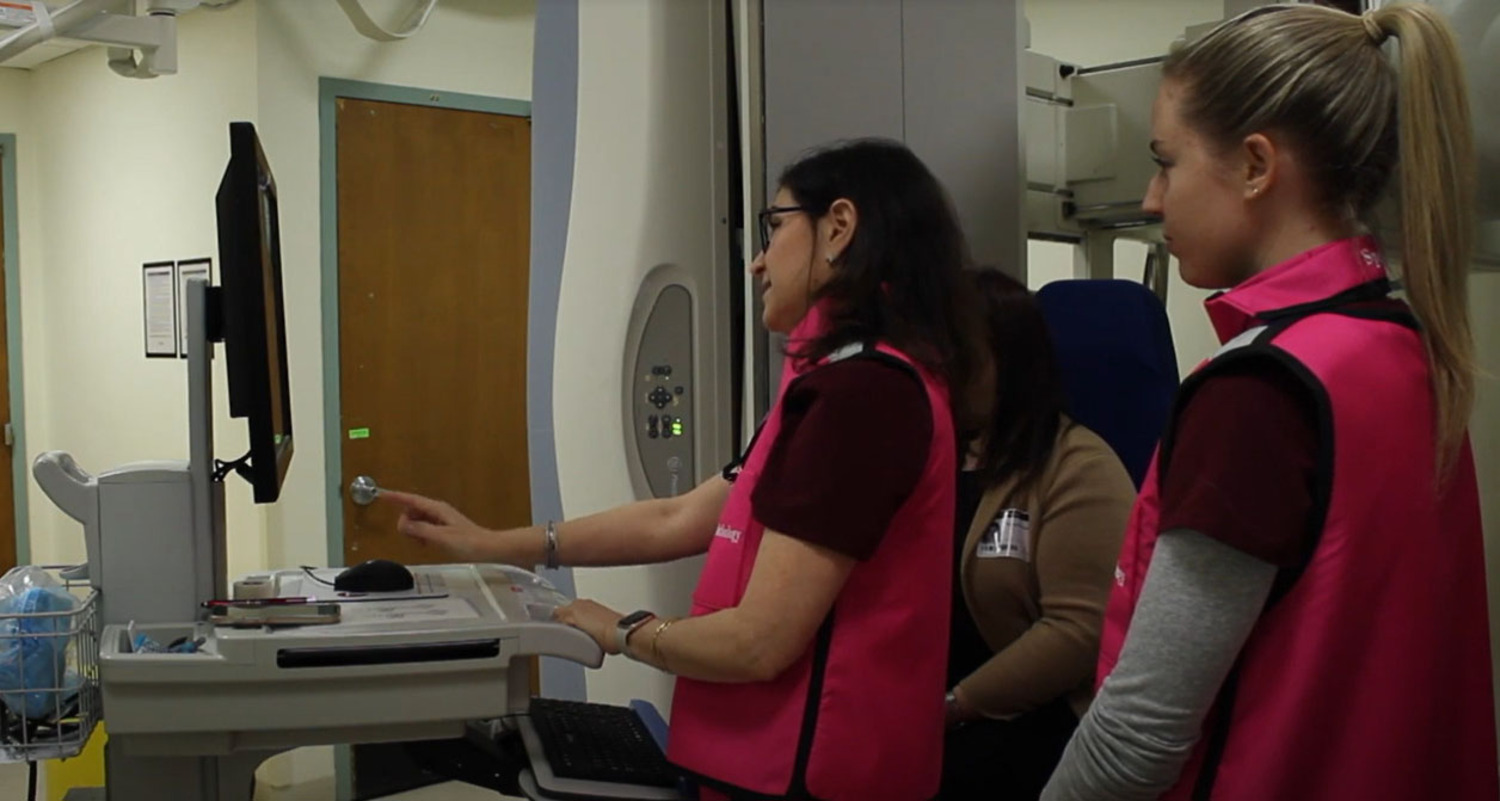
Marta Kazandjian, who leads the speech pathology and swallowing program at Stony Brook Southampton Hospital, assesses swallow physiology during a videofluoroscopic radiological procedure with her student, Maureen Gavin. COURTESY STONY BROOK SOUTHAMPTON HOSPITAL

Marta Kazandjian, who leads the speech pathology and swallowing program at Stony Brook Southampton Hospital, assesses swallow physiology during a videofluoroscopic radiological procedure with her student, Maureen Gavin. COURTESY STONY BROOK SOUTHAMPTON HOSPITAL
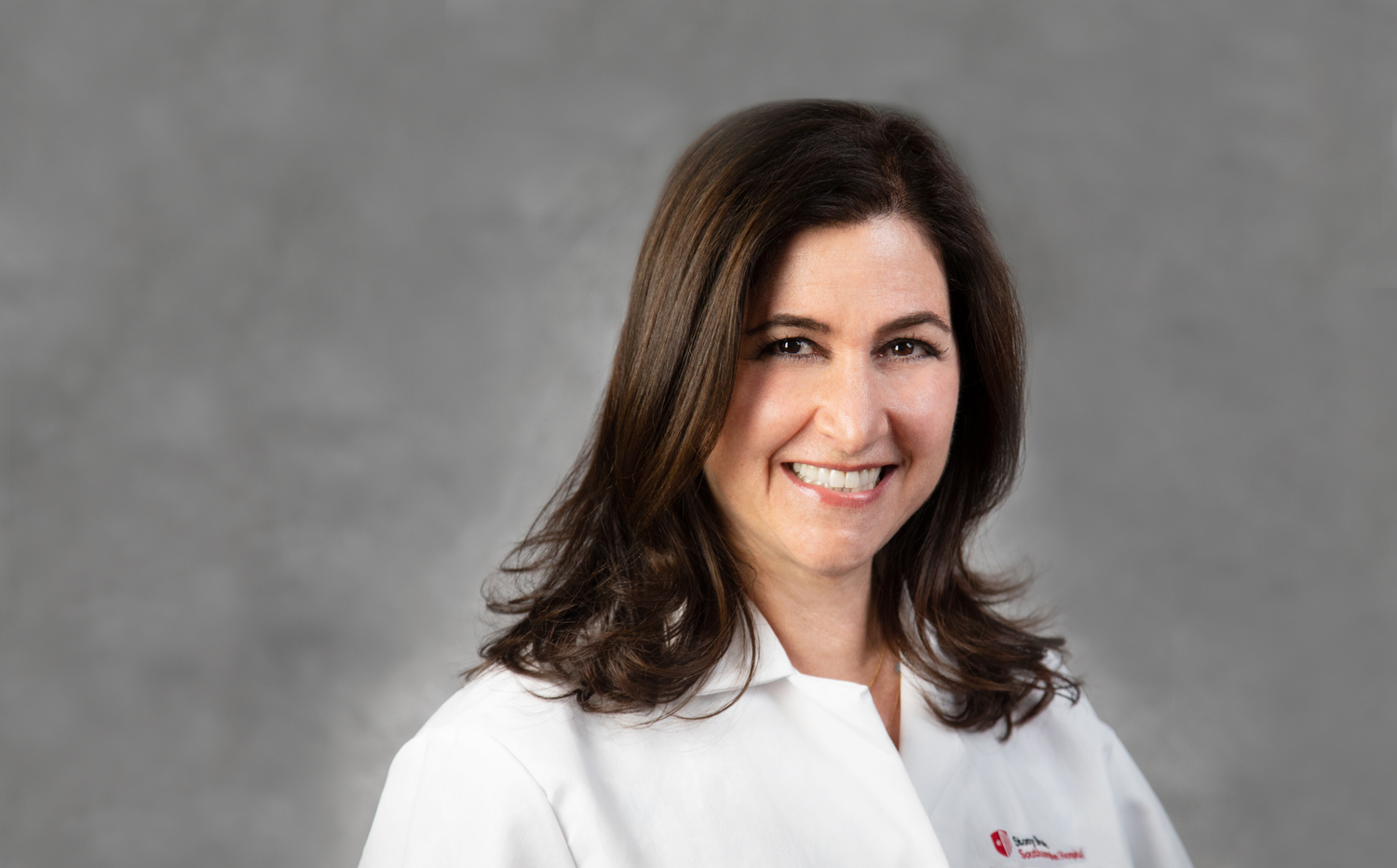
Marta Kazandjian, head of the speech pathology and swallowing program at Stony Brook Southampton Hospital. COURTESY STONY BROOK SOUTHAMPTON HOSPITAL
A staggering 90 percent of people diagnosed with Parkinson’s disease are at risk of developing a weak voice, which can lead to life-threatening swallowing complications — which is where the Parkinson Voice Project comes in.
The Texas-based nonprofit has developed a unique speech treatment — called Speak Out! — to help patients regain and retain their speech and communication while minimizing swallowing issues. Through its online training course, the organization has taught the protocol to more than 10,000 clinicians in over 40 countries — and, this year, Stony Brook Southampton Hospital officially joined its ranks.
“Our vision at Parkinson Voice Project is to make quality speech therapy accessible to people with Parkinson’s worldwide,” Samantha Elandary, Parkinson Voice Project’s founder and chief executive officer, said in a statement.
Stony Brook Southampton Hospital’s speech pathology/swallowing department is one of 364 recipients of the 2023 Speak Out! program development grants, which provided free training for speech-language pathologists and graduate students, explained Marta Kazandjian, a board-certified swallowing disorders specialist and clinical assistant professor who leads the Stony Brook program.
“I have graduate students that we’re teaching alongside caring for these amazing patients that we see every day,” she said. “So I’ve been learning about the community need, one of which is the unbelievable number of patients diagnosed with Parkinson’s disease. That’s why we applied for the Parkinson Voice Project grant — so we could get some funding and further education to advance the care for these patients.”
According to the Parkinson’s Foundation Parkinson’s Prevalence Project, 1.2 million people in the United States will be living with Parkinson’s by 2030. Last year, a study backed by the organization showed that there are nearly 90,000 new diagnoses every year, a steep increase from the previous annual estimate of 60,000.
“Unfortunately, Parkinson’s Disease is a neurodegenerative disease, which means that it gets worse over time and patients experience changes in their speech production, their speaking, their chewing, their swallowing,” Kazandjian said. “As a result, it impacts people’s ability to both communicate effectively and to eat safely.”
Comprised of individual speech therapy sessions and daily home practice, the Speak Out! program encourages patients to “speak with intent,” a concept developed by the late speech-language pathologist Dr. Daniel R. Boone. He recognized that intentional movements — speaking in a confident and deliberate fashion — uses the pyramidal system, which is not affected by Parkinson’s disease.
This allows patients to bypass the neuropathways impaired by the disease, resulting in a stronger, clearer voice and strengthening the muscles used in swallowing — lessening the risk of aspiration, which is common with Parkinson’s disease.
“The interesting thing about Parkinson’s disease, particularly, is that patients’ awareness of their deficits is very poor,” Kazandjian said. “Their perception and their awareness of their low voice, where they’re shuffling, or their inability to project, they don’t have that ability to monitor themselves and that’s just because of the area of the brain that’s been impacted. Our job is to help them get past that and to utilize other areas of the brain to take over.”
Once a patient has graduated from Speak Out!, they move on to Loud Crowd group therapy, which allows patients to not only socialize and support each other, but to also practice and maintain the skills they’ve learned, Kazandjian said.
And the earlier they start — at diagnosis, she said — the better.
“We want to work with the brain’s capacity to restructure and to utilize different areas of the brain to function optimally,” she said. “It’s an effort to get ahead of it and to maintain really optimal functioning. I mean, it’s pretty incredible when you see befores and afters with patients. It’s really amazing.”


 Michelle Trauring on Jul 11, 2023