Storytelling as a Form of Salvation Is at the Core of Generation SOS Mission

icon 5 Photos
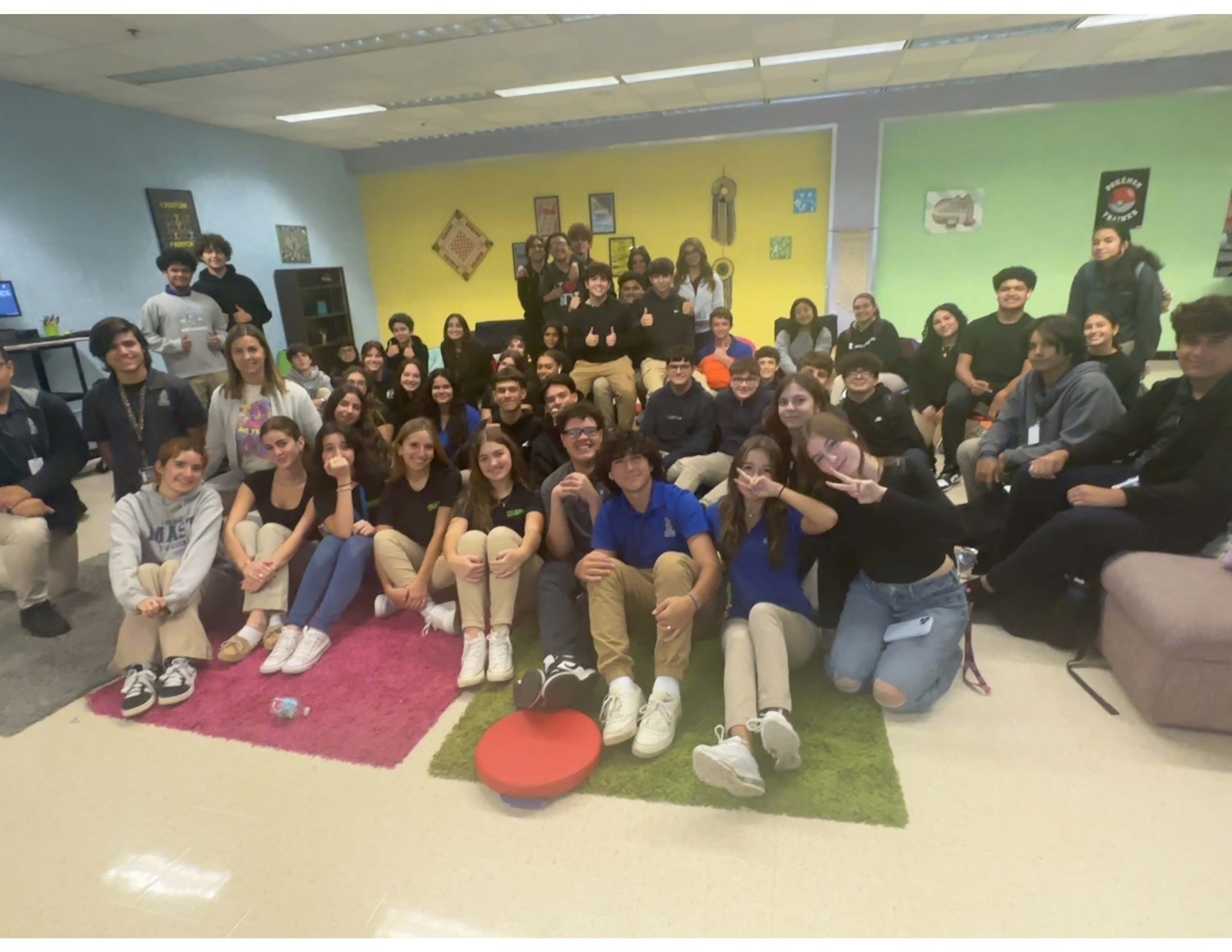
Teens at a Generation SOS club meeting at a Florida high school. COURTESY GENERATION SOS
Teens at a Generation SOS club meeting at a Florida high school. COURTESY GENERATION SOS

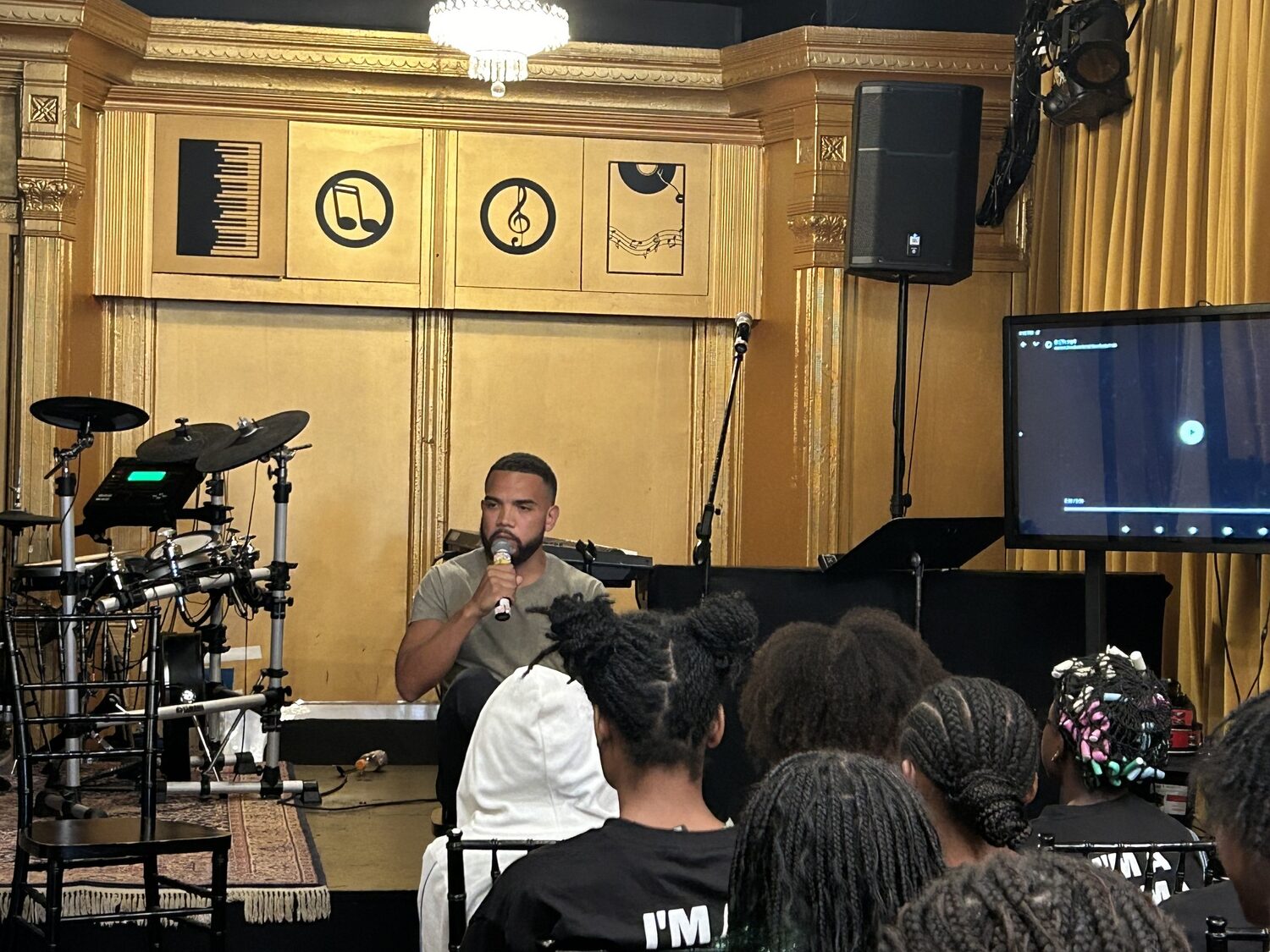
Hearing stories firsthand from peers is a big part of what makes Generation SOS so impactful. COURTESY GENERATION SOS
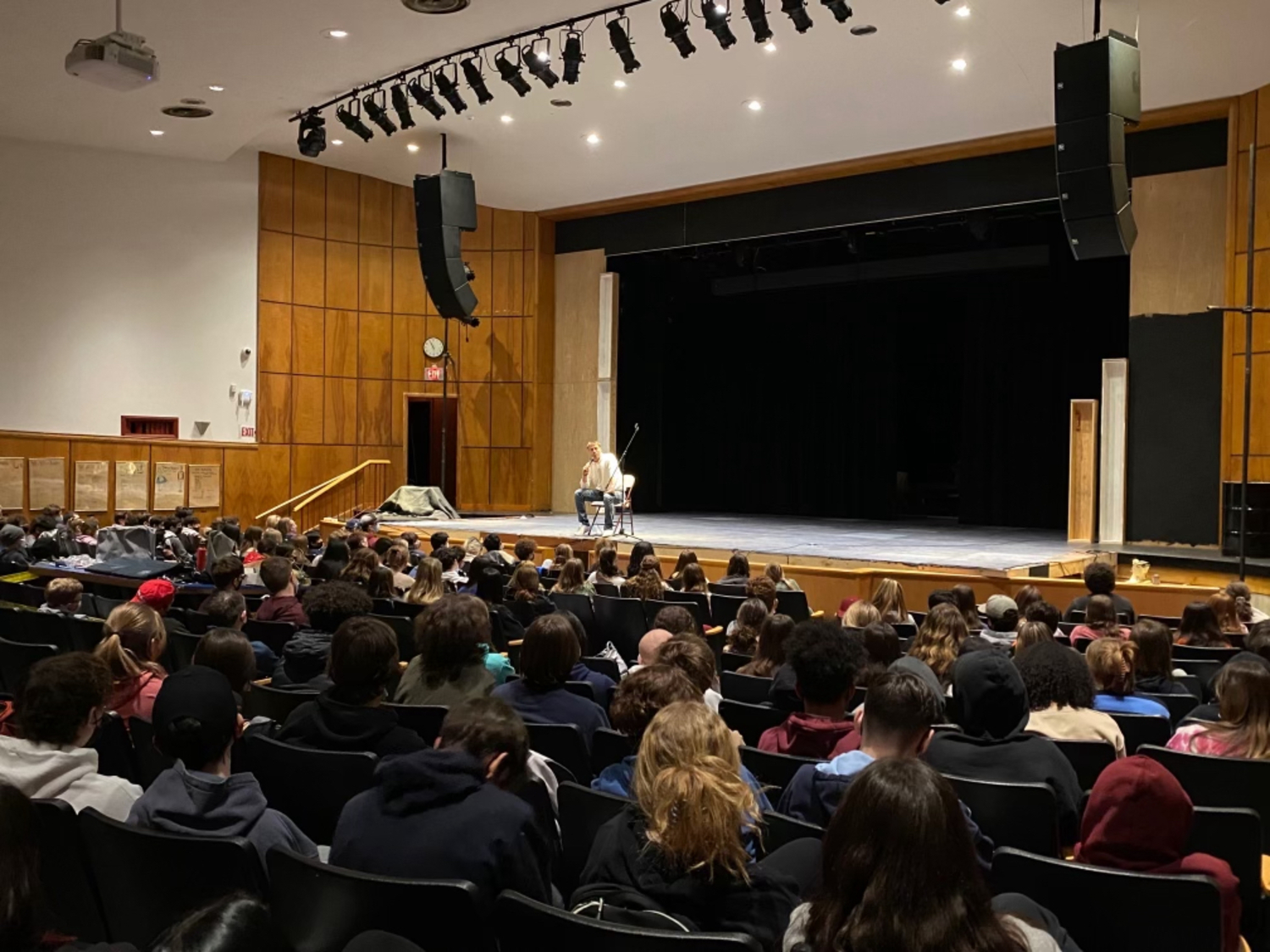
Hearing stories firsthand from peers is a big part of what makes Generation SOS so impactful. COURTESY GENERATION SOS

Hearing stories firsthand from peers is a big part of what makes Generation SOS so impactful. COURTESY GENERATION SOS

Hearing stories firsthand from peers is a big part of what makes Generation SOS so impactful. COURTESY GENERATION SOS

The Generation SOS logo.

The Generation SOS logo.

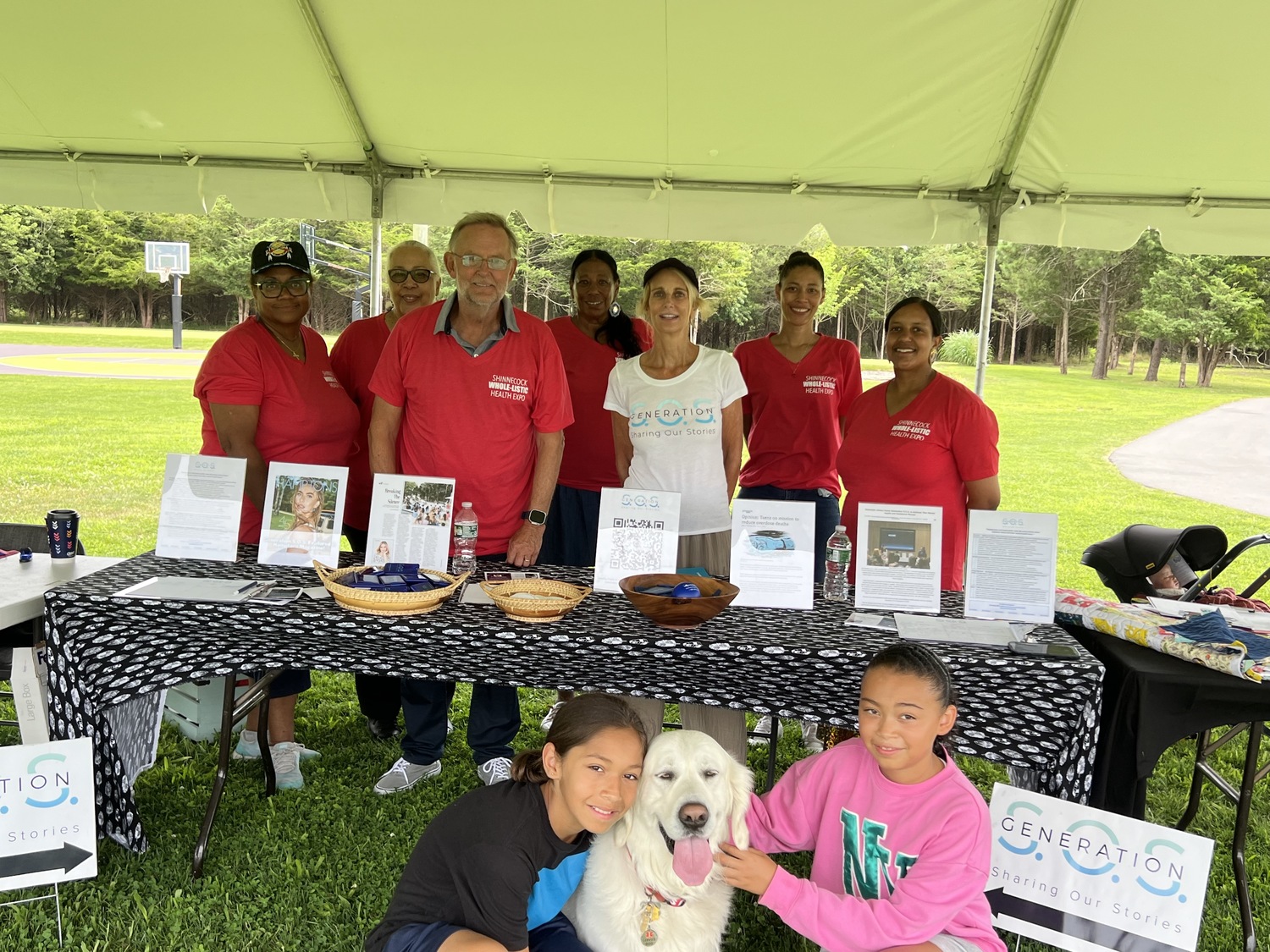
Representatives from Generation SOS were on hand at the Shinnecock Health Expo last month. COURTESY GENERATION SOS

Representatives from Generation SOS were on hand at the Shinnecock Health Expo last month. COURTESY GENERATION SOS

authorCailin Riley on Aug 7, 2024

Robin Aviv believes in the power of storytelling. She also believes that the person telling the story can make all the difference.

That was the guiding philosophy behind the creation of Generation SOS, a national nonprofit that uses peer-driven programs to promote lifesaving decisions around substance misuse and other mental health issues.

Generation SOS empowers young adult speakers to share their personal stories of struggles with mental health issues and substance abuse to raise awareness, help their peers understand risks, and learn coping skills for a wide range of challenges they may be facing. The organization puts a focus on learning positive ways to deal with common life stressors for young adults, such as depression, anxiety, peer pressure, academic pressure, bullying and more.

Generation SOS brings its free, peer-driven substance misuse awareness and prevention programs to students at middle schools, high schools, and colleges across the country, and so far has reached more than 100,000 teens and young adults.

Aviv is the founder of Generation SOS and will be on hand along with several other stakeholders and special guests for the organization’s “Community, Connection and Inspiration” fundraising event, set for Sunday, August 11, from 4 to 6:30 p.m. in Water Mill.

The evening will feature a fireside chat with Emmy Award-winning actor and “The Simpsons” star Hank Azaria, who will share his own journey of substance misuse and recovery. Also featured will be a performance by rap sensation Skizzy Mars. Proceeds from the event will support the continued expansion of Generation S.O.S.’s free programs into middle schools, high schools, college campuses, places of worship, camps, Indigenous American reservations, correctional facilities and under-resourced communities.

Aviv was motivated to create the organization a decade ago — and it officially became a nonprofit five years ago — because she was horrified by what she was seeing in schools when it comes to teens dealing with mental health issues and substance abuse. Addiction and drug overdose is the leading cause of death for people under the age of 30. More people die from addiction-related incidents than from car accidents and gun violence combined, and one out of three families are affected by drug misuse and overdoses. The proliferation of lethal fentanyl-laced drugs and pills in recent years has exacerbated the problem.

A tragic period of time in the New York City school community that Aviv’s own children are part of was what sparked her desire to do something. Over a three-month period, Aviv said that six students died of overdoses.

“They were all rock star kids,” she said. “They were either in high school or had just graduated. Most of them were not even necessarily struggling with drugs. They were partying, because that’s what kids do, and they didn’t know any better and they died.”

Aviv, who described herself as a recovering addict, had just finished a stint as president of the PTA around that time, and she said she was disappointed to find out that school administrators were not equipped to deal with the fallout.

“They didn’t want to touch it with a 10-foot pole,” she said. “I think it was the stigma and shame — they didn’t want people to think their school had a problem.”

So she took matters into her own hands, rallying fellow parents and students to create an organization in which young people would take the initiative and be at the forefront. The name Generation SOS has a double meaning. There is the traditional sense of the three-letter acronym, but in this instance it also stands for “share our stories,” emphasizing the particular power of peer-to-peer guidance and support.

Every story and testimonial starts with some kind of mental health challenge, Aviv said, whether it’s coping with depression and anxiety, issues with academics or sports, social pressure and bullying, a parental divorce, sexual or gender identity. “Every kid has stuff going on,” she said.

The speakers then share how they handle those issues now, whether it’s by meditating, journaling, calling a friend. Anything other than turning to a substance to manage the pain.

Aviv said she sees “the magic in the room” when young adults are the ones sharing their stories to a rapt audience of their peers.

She said that an organization like Generation SOS would’ve been “a game changer” for her if she’d had it around the time she was dealing with her own issues.

Aviv said Generation SOS has been growing “by leaps and bounds,” and is funded entirely by its one annual fundraiser and private donations. Young adults are empowered to create their own Generation SOS clubs at their schools, often launching it with a schoolwide assembly, and the clubs then meet on a monthly basis. More than 100 young adults are on the advisory board for Generation SOS, and their engagement is crucial, Aviv said.

“They know what they’re getting from the organization, and they want to give it to friends.”

The organization’s sweet spot has been in high schools, but Aviv said they’ve launched into several middle schools and colleges as well, often through fraternities and sororities.

Locally, Generation SOS has forged a relationship with the Shinnecock Nation, and has done a few events there already, including having a presence at the recent health and wellness fair on tribal territory.

Aviv said she has been in preliminary discussions with several East End schools and is hoping to have a presence there soon.

For more information about Generation SOS and Sunday’s event, visit generationsos.org.

You May Also Like:

Sag Harbor Village Police Reports for the Week of December 11

SAG HARBOR VILLAGE — An officer responded to a call from a Rysam Street address a little after midnight on Saturday. The caller told the officer that a man wearing a black ski mask had walked onto her porch and banged on the front door then ran off. The woman provided the officer with surveillance video from her Ring camera, which visually confirmed what the woman said had happened. Police described the man as white, “approximately 6 feet tall, wearing a black ski mask, black hoodie with a red logo on the back, and wording on the left chest, a ... 12 Dec 2025 by Staff Writer

Harmony for the Holidays

Let’s be real: As jolly as the holidays can be, they can also be overwhelming. ... by Jessie Kenny

A Little Time, a Big Impact: Pierson's Interact Club Brings Joy to Seniors and Revives Blood Drive

Isabella Carmona DeSousa didn’t know much about Pierson’s Interact Club when she joined two years ... 11 Dec 2025 by Cailin Riley

Dear Neighbor

Congratulations on your new windows. They certainly are big. They certainly are see-through. You must be thrilled with the way they removed even more of that wall and replaced it with glass. It must make it easier to see what is going on in your house even when the internet is down. And security is everything. Which explains the windows. Nothing will make you feel more secure than imagining yourself looking over the rear-yard setback from these massive sheets of structural glass. Staring at the wall has well-known deleterious impact, and windows the size of movie screens are the bold ... by Marilee Foster

I Can Dish It Out

Our basement looks like the final scene in “Raiders of the Lost Ark,” where the (found) ark is crated and wheeled into the middle of a government warehouse with stacked crates going on for miles. In other words, we have a lot of stuff. This tracks. Mr. Hockey and I have been married for 36 (according to my calculator) years. We’ve had four (no calculator needed) pucks. We’ve lived in seven (according to my fingers) different homes in three (no calculator or fingers needed) countries. In 2010, we moved back to East Hampton full time. We brought everything we had ... by Tracy Grathwohl

The Urgency of Real

The Hamptons International Film Festival typically takes up a lot of oxygen in the fall on the South Fork, but it’s worth celebrating a slightly smaller but just as vital event in late autumn: the Hamptons Doc Fest. Running this week for its 18th year, the festival of documentaries was founded by Jacqui Lofaro and has become an essential part of the region’s arts scene every year. It’s a 12-month undertaking for Lofaro and her staff, and the result is always a tantalizing buffet of outstanding filmmaking, not to mention unforgettable stories. The arrival of the era of streaming services ... 10 Dec 2025 by Editorial Board

Hitting Pause

East Hampton’s housing shortage is real; the town can’t afford to ignore any potential long-term solutions. But the recent — and now scrapped — plan for a large employer-run complex on Three Mile Harbor Road raises too many questions that haven’t been fully answered. The proposal, put forward by Kirby Marcantonio and an unnamed partner, would have created 79 units of employer-controlled housing, comparable to a project he has pitched on Pantigo Road. To make it happen, the East Hampton Town Board would have had to allow the project to sidestep the town’s 60-unit limit on affordable developments, and rezone ... by Editorial Board

Proceed With Caution

Overlay districts are a common zoning tool used by many municipalities. Southampton Town has used them to varying degrees of success — the aquifer protection overlay district has been a winner; a downtown overlay district in Hampton Bays less so — in various parts of the town. They essentially look at the existing zoning, then allow those rules governing what can be done on properties to be reconsidered if there’s a newer concern to be addressed. In a bid to clean up the process for creating more affordable housing, the Town Board is looking at a new overlay district that ... by Editorial Board

The Whole Picture

When it comes to evaluating a complex development proposal, splitting up the application into separate parts may seem tempting, especially when environmental uncertainties loom. But in the case of Adam Potter’s plan for 7 and 11 Bridge Street, the Sag Harbor Village Planning Board should resist any temptation to segment the project for review. Potter’s attorney has asked the board to consider the gas ball property at 5 Bridge Street — a site that could provide the 93 parking spaces required for Potter’s 48 residential units and commercial spaces nearby — separate from the main development. The reason is understandable: ... by Editorial Board

New Law Requires Owners of Historic Buildings in Sag Harbor To Document Historic Features Before Renovation Work

The stories are almost commonplace: People seeing dumpsters full of old windows, doors and trim outside historic houses in Sag Harbor that are being renovated. On Tuesday, the Village Board adopted a proposal that it hopes will help put an end to that practice. It will require the owner of a historic house to complete a construction protocol and preservation plan before undertaking any major renovation. That document could be a few sentences or several pages long, depending on the type of work being considered. The amendment requires that the plan outlines “with specificity the detailed preservation, rehabilitation, restoration and/or ... by Stephen J. Kotz