


 2 Photos
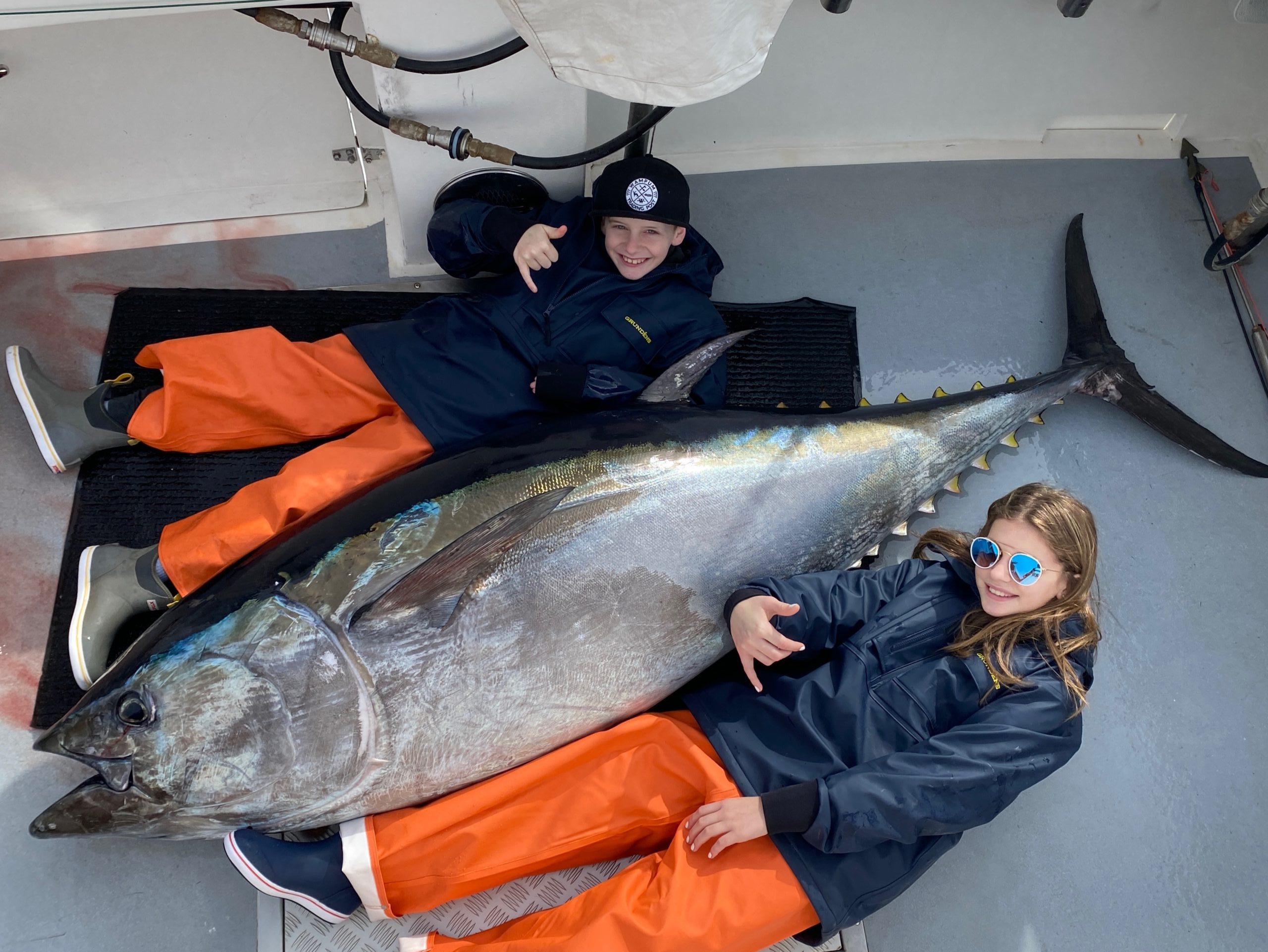
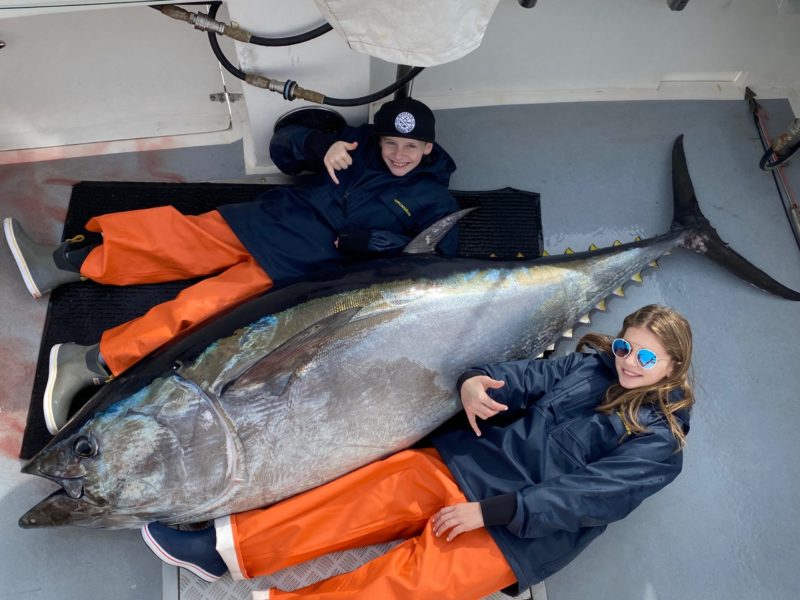
Montauk kids Brayden and Carly Fromm helped their dad deck this bluefin tuna while fishing in North Carolina this week.
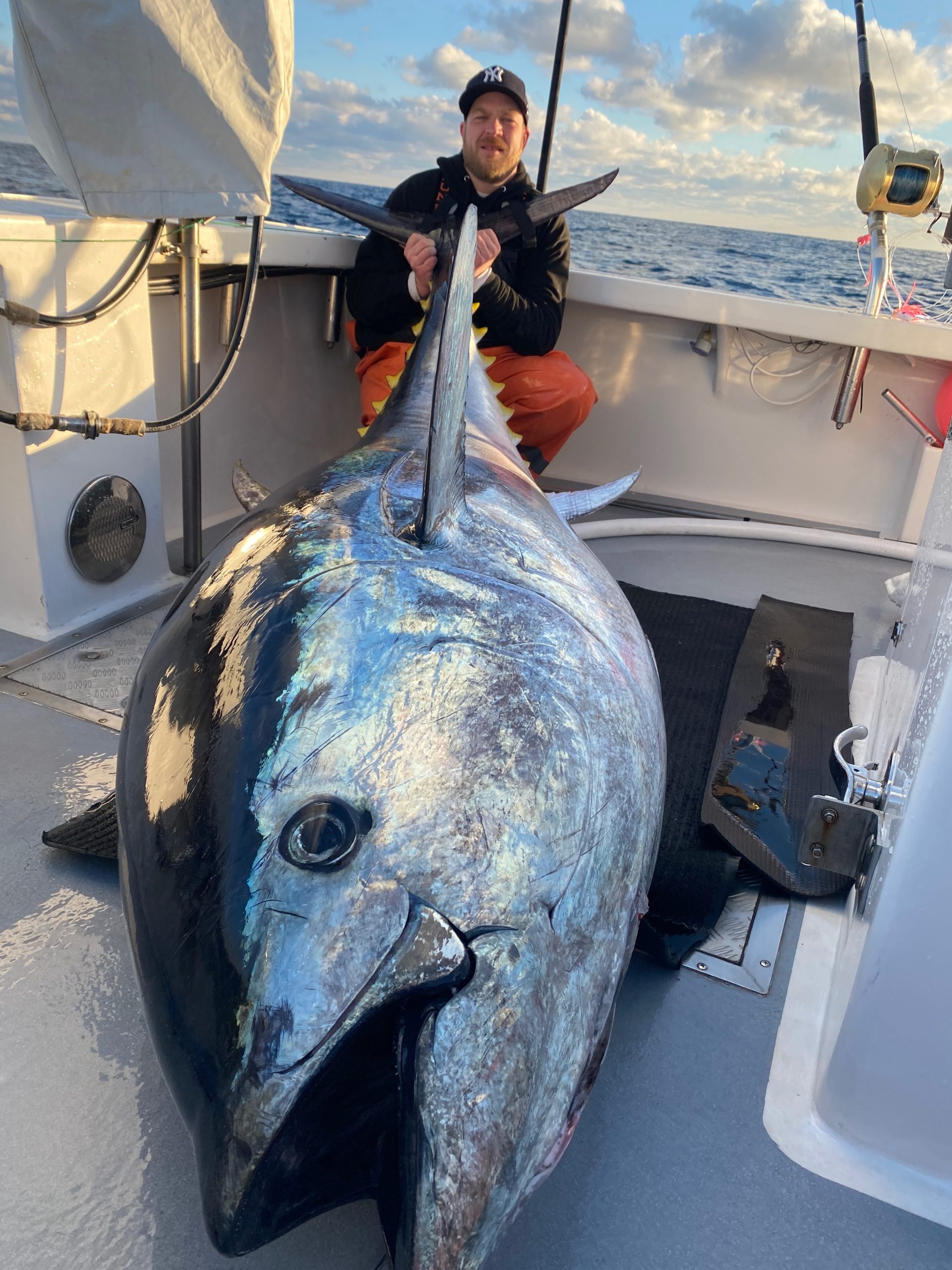
Brian Finnegan and the Flying Dutchman crew decked this 800-pound bluefin off North Carolina last weekend. Bryan Fromm Bryan Fromm

Striped bass have a lot of hurdles to get over before we will see a meaningful recovery of the declining stock of fish along the Mid-Atlantic coast. They can clear them — if we don’t keep making them higher.
After a decade of abysmal recruitment, we’ve seen a couple of good breeding years out of the last few, and the surge in numbers of small fish is hard to miss. But if the recovery of the early 1990s is any indication, we will need a few more above-average year-classes to really cement the turnaround.
To go with the good luck that we all are praying Mother Nature will deliver, and eventually probably will, there needs to be new thinking by humans.
During that decade of poor stock replenishment, we anglers and our appointed representatives to fishery management boards failed to heed numerous warnings about the coming collapse and make even the faintest sacrifices to slow the decline and ease the depth of the crater.
We now stand only a year or two away from what probably will be a broad vanishing of the kind of large striped bass we’ve all greedily hefted for Instagram photos over the last decade, as the last good year-classes aged through the stock.
Those fish drive most people to the sea in search of striped bass. They are of much more value — both economically and viscerally — alive than dead. And yet when told we should release them, many of us start scrambling for reasons why that will never work, rather than trying to find ways to make it work.
The point we have reached, of seeing few big fish, could have been headed off years ago if managers had been encouraged to start tightening harvest rules, instead of seeing their scientific data ignored and trashed because it suggested that maybe a little less could be more.
There are some — many, actually — who are still unwilling to set aside paltry personal financial gains in the short term to try to fix a colossal mistake that is already costing our region’s economy millions of dollars each year. And those greed-driven interests still have fisheries managers on edge and unwilling to take properly aggressive steps to protect that stock we have now until it can rebuild itself again.
The slot limit the Atlantic State Marine Fisheries Council has set as the conservation equivalency bar for striped bass is still too high and only gives the fish a 50 percent chance of meeting mortality thresholds that statisticians say are necessary to let the stock actually start growing again.
New Jersey made its pitch to the ASMFC last week, for new limitations that would institute a slot limit in the state of one fish per day of between 28 and 38 inches. The state will also parse out 27,000 bonus tags that will allow one extra slot-sized fish to be taken. I’ll give New Jersey’s managers some credit: The state’s proposal is more conservative than I thought it would be and will be a major reduction in the number of fish taken by New Jersey anglers.
But we should be taking much more of a better-safe-than-sorry approach to urging the recovery along. The ASMFC could be imposing seasonal closures that would protect breeding stripers as they make their runs into the bottlenecks around major breeding tributaries in spring.
Striped bass can probably save themselves from the depths of our slaughter. What we have to do is get better at seeing when they are struggling and tailor our efforts more quickly to protect what we have while they and Mother Nature get to work on rebuilding the foundations.
Fairly decent codfishing still off Montauk and Shinnecock, and plenty of warm, calm days lately. Check out vikingfleet.com and Facebook.com/HamptonLady for schedules of when boats are sailing.
Catch ’em up. See you out there.
More Posts from Michael Wright


