


 4 Photos
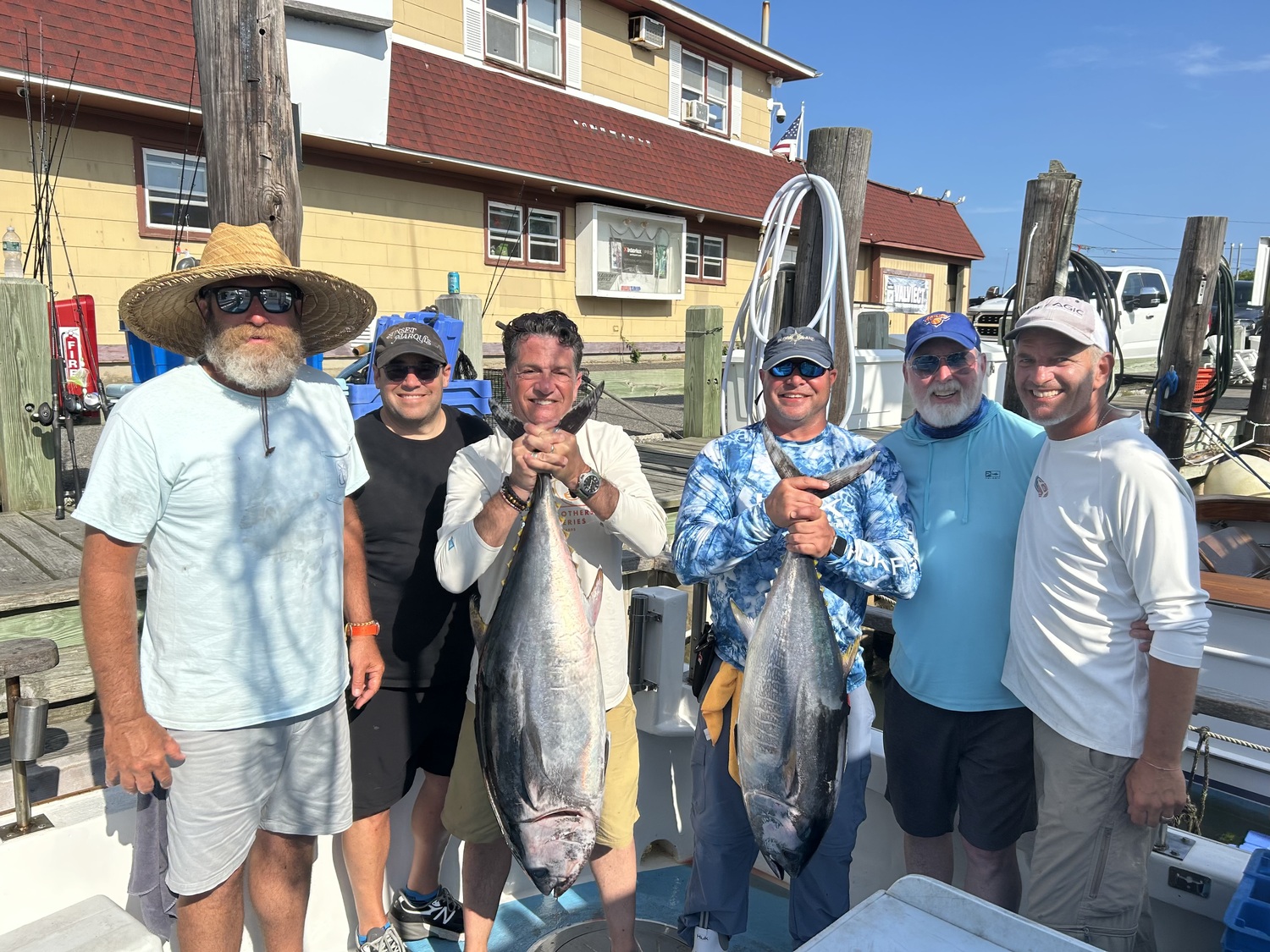
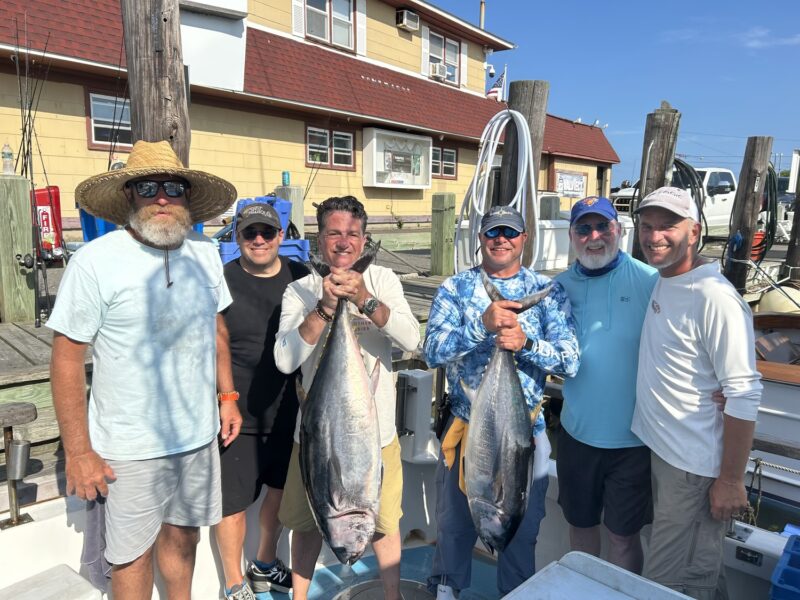
The crew of Capt. Tyler Quaresimo's charter boat Simple Life put their limit of bluefin in the boat early during a trip last week then filled the coolers with keeper fluke. COURTESY MICHAEL STRAUSS
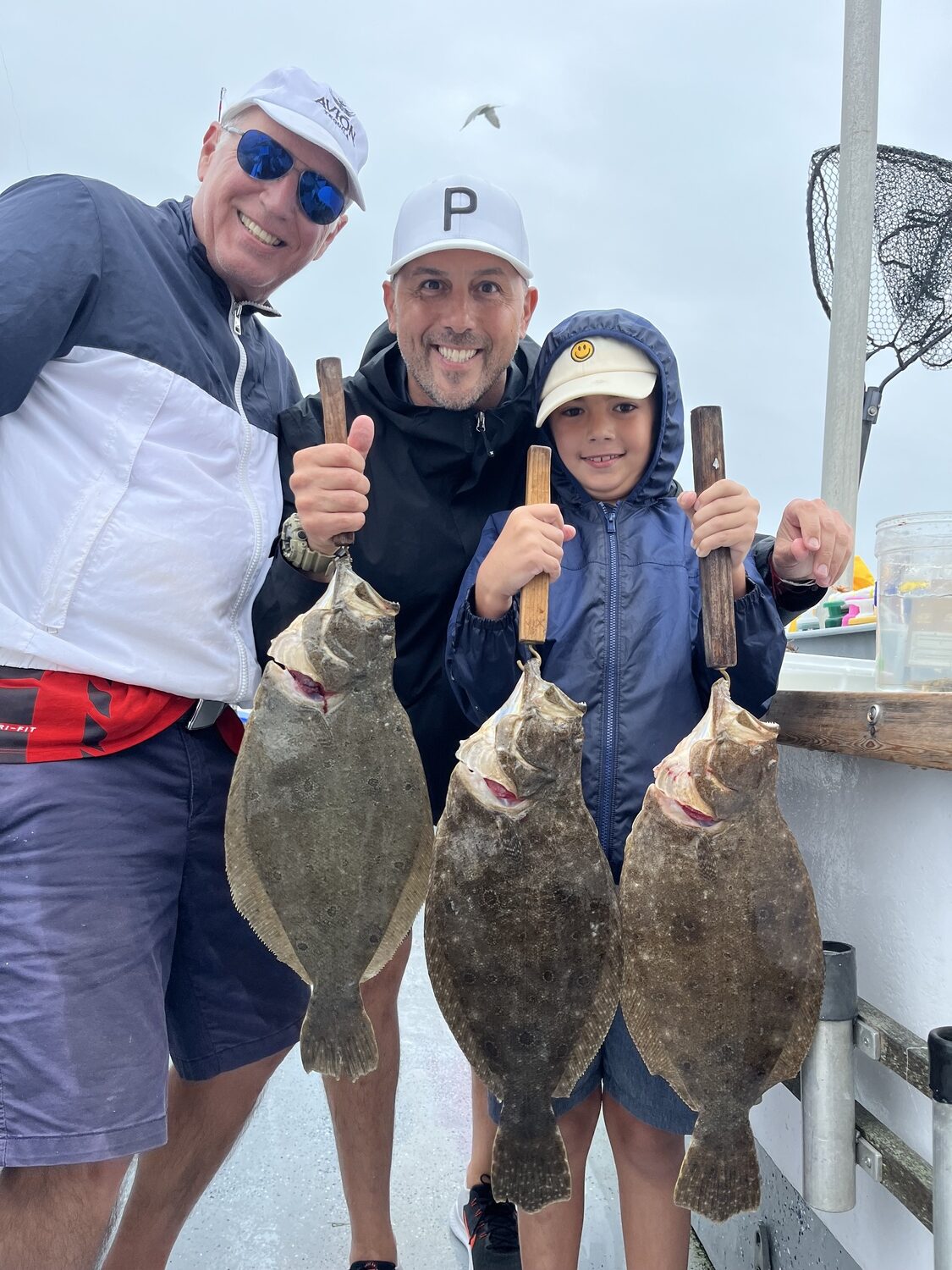
Three generations of Isidori's, Don, Joe and Roman, were aboard the Shinnecock Star last week to deck some big bay fluke with Capt. John and crew. CAPT. DEENA LIPPMAN
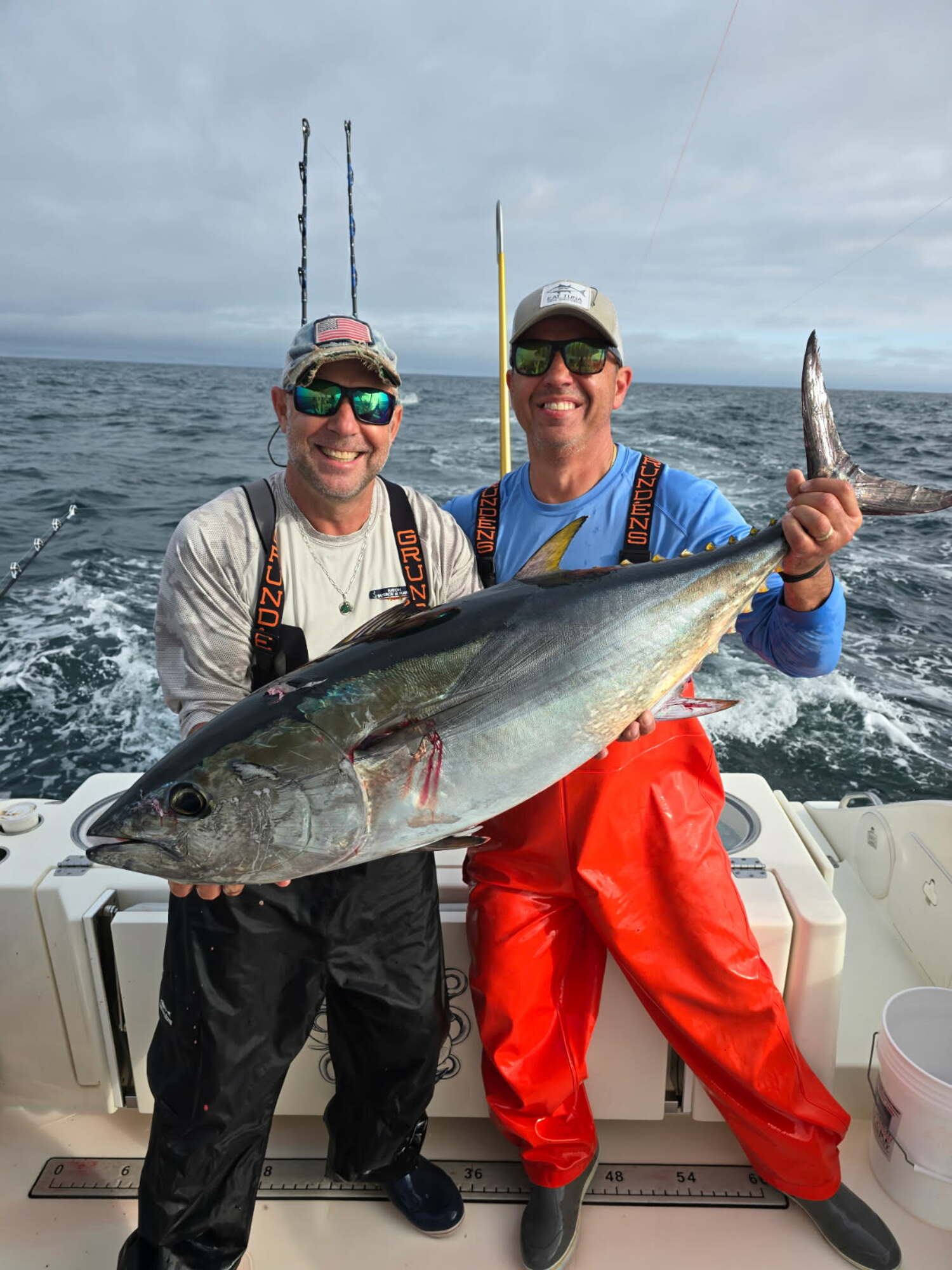
The tuna fishing continues to be red hot close to shore. Rick Nydegger, left, and Greg Sikorsky were out on the grounds aboard Capt. Shay Lohr's boat Deep Six out of Hampton Bays and boated this bluefin. SHAY LOHR
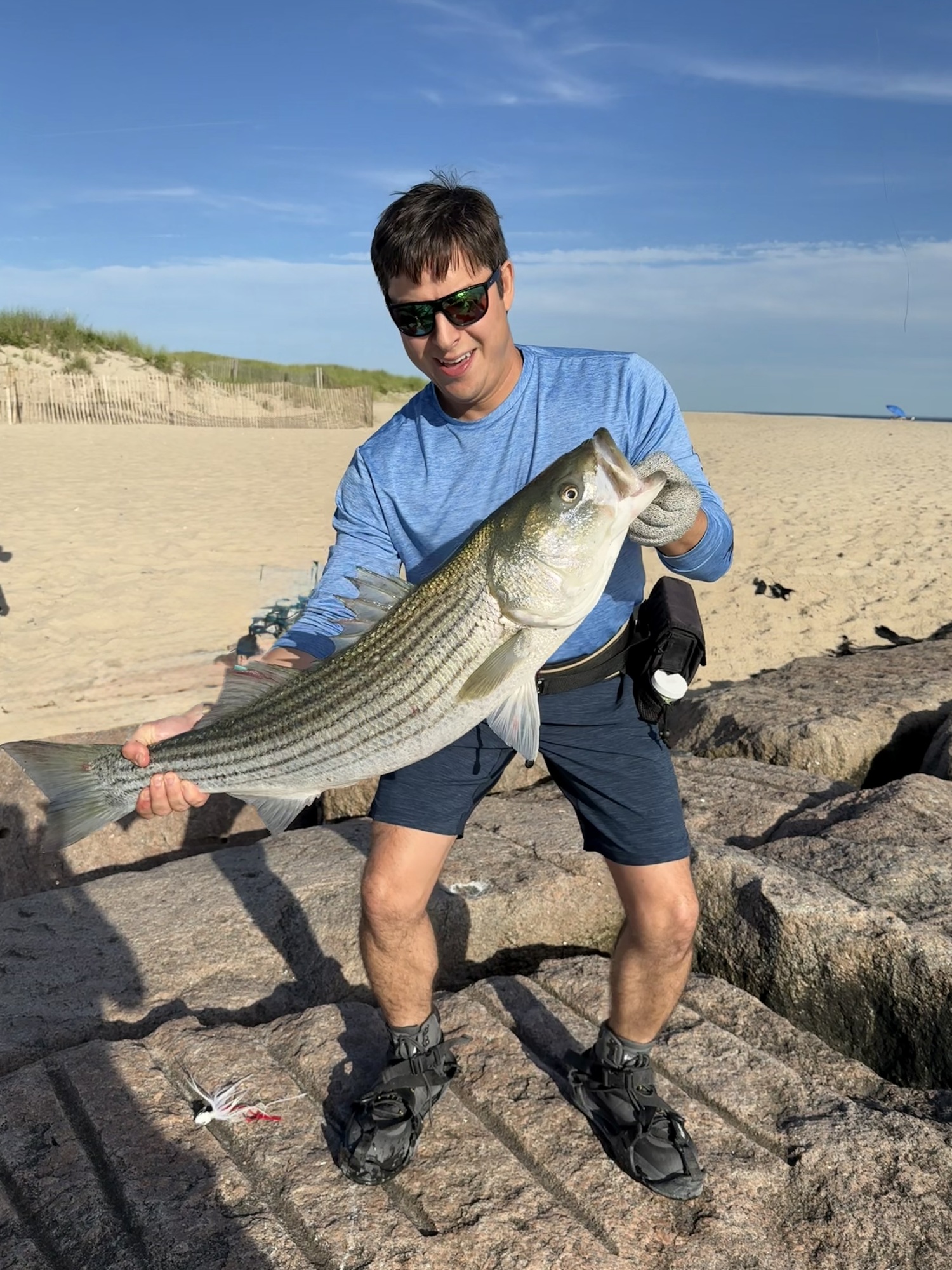
Think all the big bass have moved out of Shinnecock area for the summer? Think again. Derek de Svastich pulled this 40-incher onto the rocks at the inlet last week and got a quick pic before releasing.

The striped bass fishing off Montauk this year has been a matter of feast and famine. We’re in the famine phase now. The way it has evolved paints a clear picture of the striped bass stock as a whole — and where it is going in the next 15 years or so.
In late April and early May, we saw spectacular fishing, with seemingly big schools of stripers feeding aggressively for several weeks in the rips around the Montauk Point Lighthouse.
But by mid-June, the bluefish moved in, exploding the schools of squid and sandeels that the bass had been happily feeding on, and the main body of stripers was mostly pushed out to Block Island. Those that remained locally became very hard to catch through all the yellow eyes.
By the time July started, the bass were pretty much gone.
It’s a familiar pattern in the last several years. The bass storm in early, almost earlier than ever before, feed like crazy, and make everyone think it’s going to be a great year — then they are gone, and when they are gone they are really gone.
The summers in Montauk used to be low-key great. Yes, the fish would always vacate the rips by late July and set up out off Block, but there would usually be a substantial number of fish that remained in the surf zone, roaming among the rocks at night, where surfcasters could reasonably expect to find a trophy at least now and then.
That does not seem to be the case anymore. For weeks, surfcasters have been plying the suds almost fruitlessly. The MTK Surfmasters tournament just wrapped up two full months of competitive fishing and saw just two fish caught and weighed by some of the most dedicated and skilled surfcasters in the region.
That is a sad state of affairs.
There are a couple of problems at work here, I think.
For one, sharks have become a constant presence in the waters around Montauk, and that can’t be helping. It just makes the fish anxious and more inclined to skedaddle rather than loaf around waiting for a bunker or eel to wander past.
But, more importantly, the striper stock is really thin around the edges these days. There just aren’t all that many fish to fill in the gaps when a big body of fish moves on, leaving unharassed schools of bait behind.
The worst part is, there is almost nothing we can do to change anything in the immediate future.
The striper stock right now consists primarily of the large but steadily dwindling numbers of big stripers from the late 2000s and 2011 spawning years, and the larger but also already substantially winnowed-down stock of fish from the 2015-18 years.
We have the fish we have, and that will mean the fishery will persevere for the next decade if we are at least basically careful. But there have not been any substantially significant numbers added to the stock in at least five years. The Chesapeake spawning grounds have been nearly infertile, and the Hudson and small tributaries are not showing big jumps in their numbers that would offer some hope that Mother Nature was finding a way.
It’s those fish, which should be the little schoolies between 10 inches and 10 pounds right now, that typically would fill in the coves in summer and bring up the rear of the fall migration in November and early December.
So, I think we’re in for a long period of this feast-and-famine cycle, as the main clumps of fish move though their migration (which is also trending northward faster in search of cooler waters).
Tuna fishing has continued to be outstanding in a number of places east of Shinnecock. Schoolie bluefins are pretty easy to catch on the troll and on poppers. Bigger ones are scattered here and there. The canyons have been absurdly red-hot with crazy numbers of bigeyes and yellowfin being decked by the big-game crews.
Fluke fishing has improved. There are fish inside and outside of Shinnecock Inlet and a decent bite happening in the right drifting conditions in the deeps off Montauk.
Catch ’em up. See you out there.
More Posts from Michael Wright


