


 5 Photos
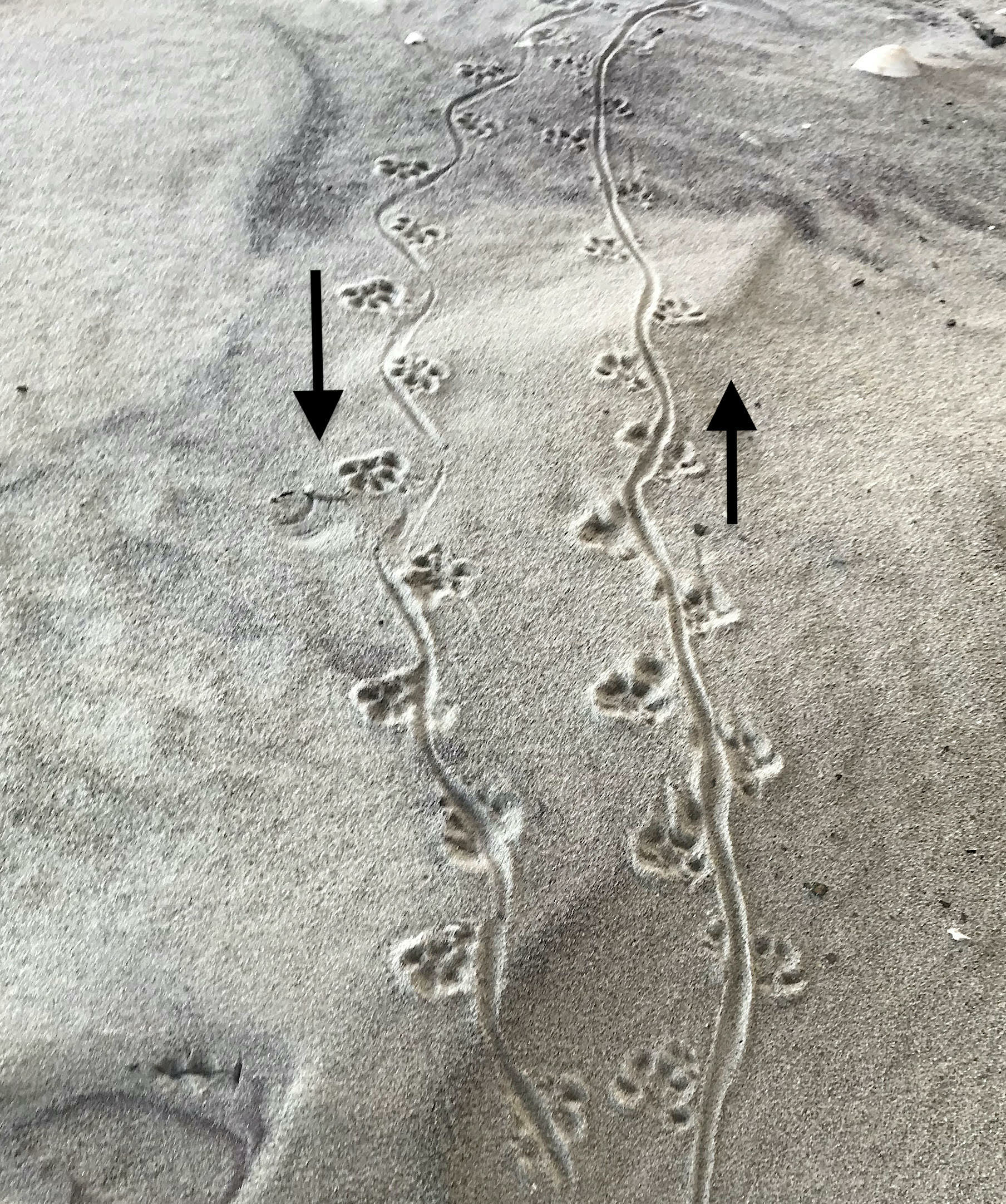
Photo 2: The muskrat’s larger hind feet land on top of the fronts in their walking gait.
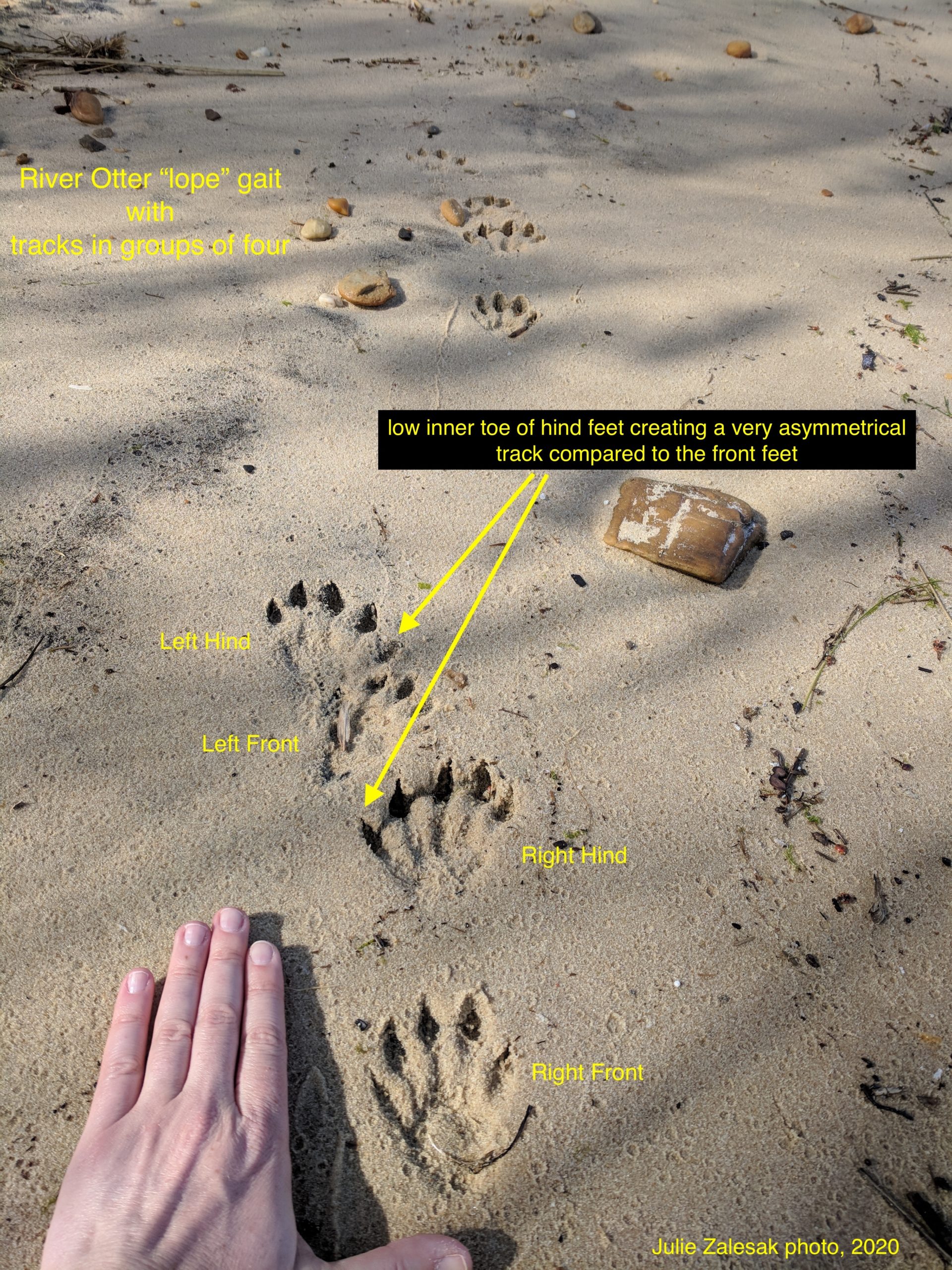
Photo 5: The river otter’s classic lope gait. JULIE ZALESAK
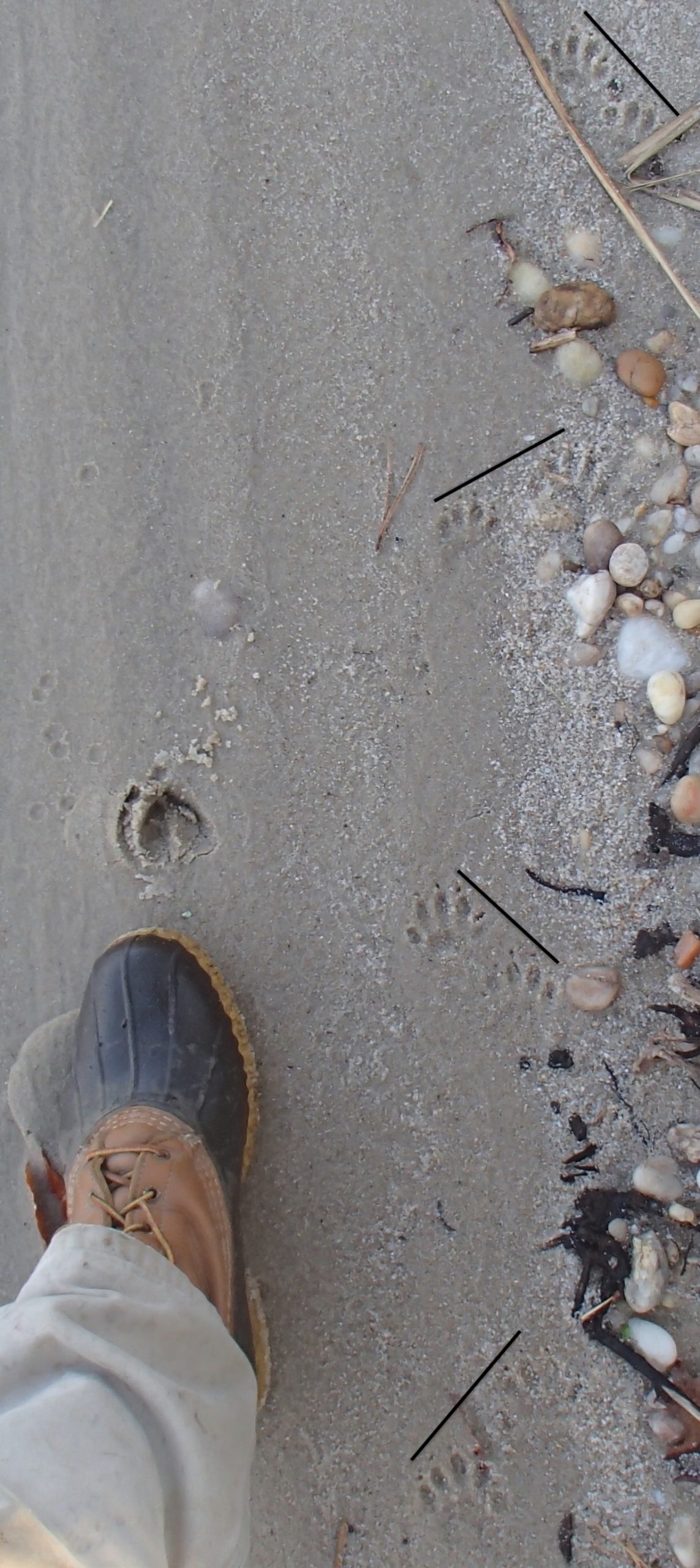
Photo 1: The raccoon’s walking gait showing the “alternating diagonals” along the edge of each pair of prints. MIKE BOTTINI
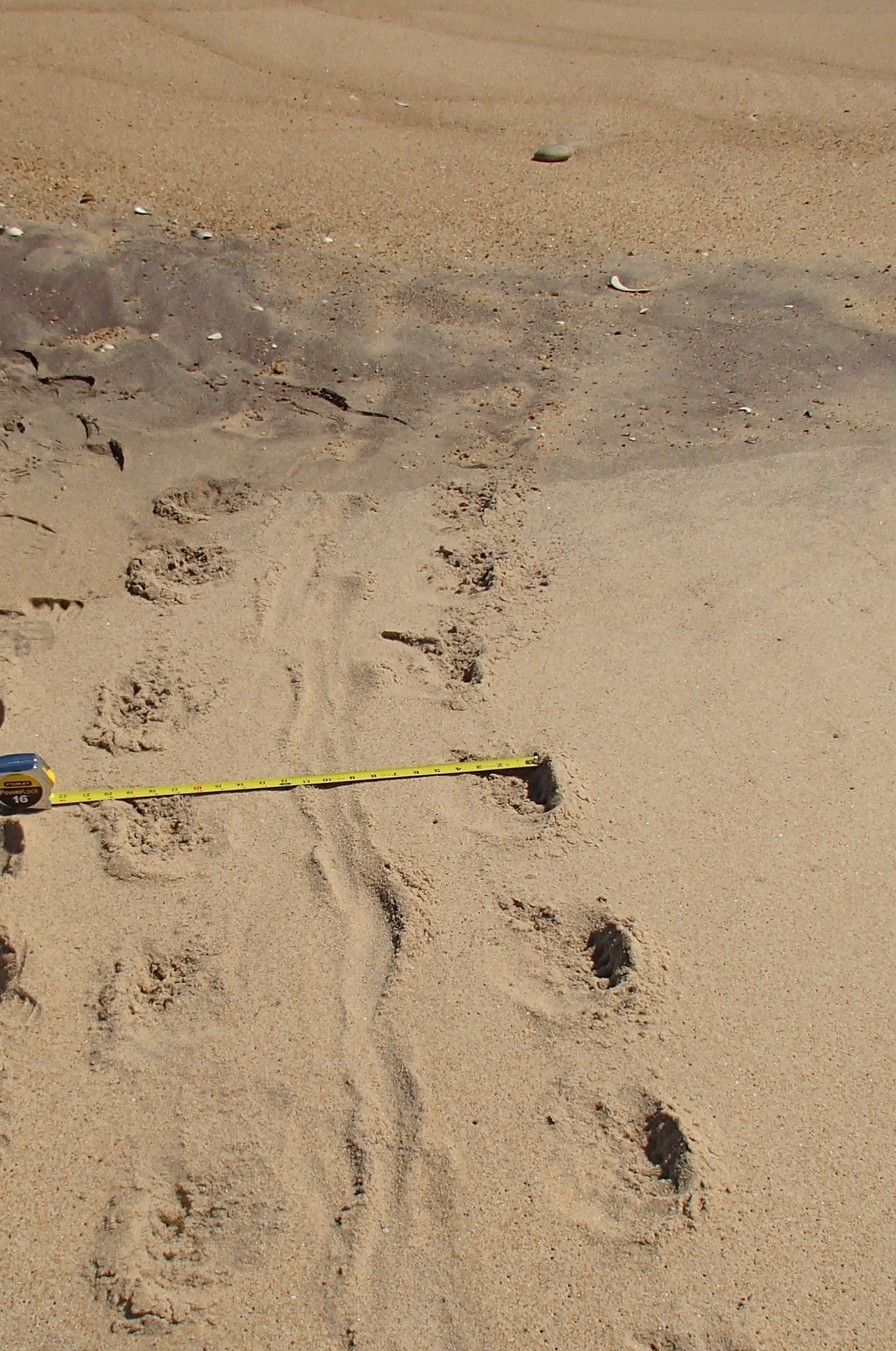
Photo 4: This 20 inch-wide track has five claw marks arranged parallel to the direction of travel: seal. MIKE BOTTINI
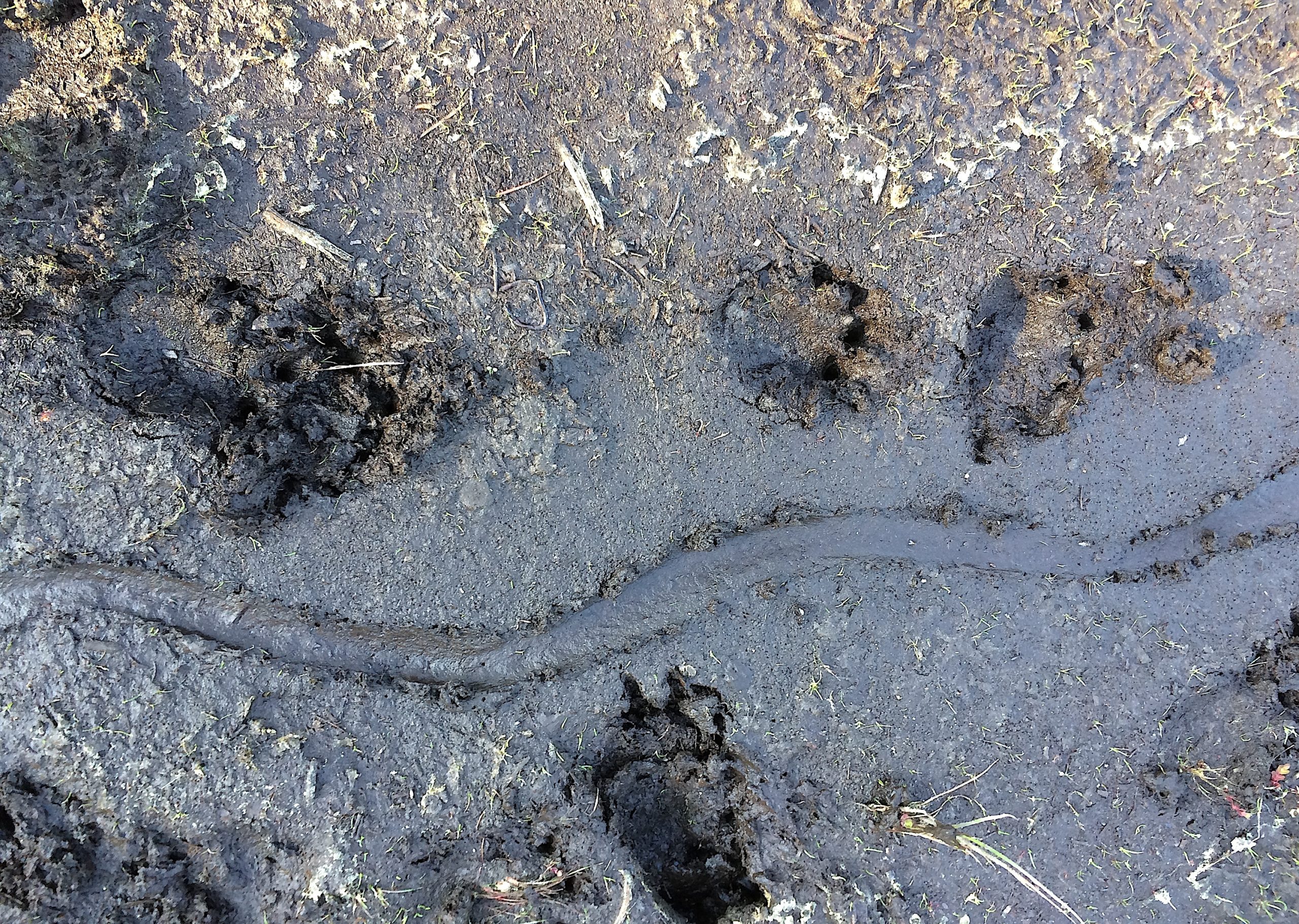
Photo 3: In the snapping turtle’s walking gait, the round rear feet land behind the oval fronts. MATT KAELIN
Over the wet weekend I received a photo of tracks in beach sand taken earlier this spring on the bayside of Fire Island (photo 2), with the question: “Could these be otter tracks?”
I added the arrows showing the direction of travel for the two trails. One feature of the track maker that is immediately apparent in the photo is the prominent drag mark between the left and right footprints, indicating a relatively narrow, flexible tail. That rules out a number of creatures. Then there’s the number of toes, more easily counted in some prints than others, but it’s pretty clear that the circular feet registering here have five toes.
Although the otter’s heavy, muscular tail rarely drags along the ground, tail drag and five-toed feet are both features that would not necessarily rule out otter. A scale to determine the length and width of the prints would have been useful, but even without that we can examine a third feature of this wildlife trail: gait.
Beginner trackers tend to focus on the single footprints and often overlook gait, or how the animal is moving through the landscape. Here, we can see that the prints are uniform in size and shape. Most four-legged animals have different sized fronts and rears, and if all the prints appear the same size and shape, it most likely indicates that the hind feet are landing directly on top of, and obliterating, the tracks made by the front feet. That’s called a “direct register” gait.
An otter’s common gait, at least when they are not traveling in deep snow, is a “lope” in which at least a portion of all four feet register in the substrate (photo 5) with a significant space in-between the groups of four prints. Here you can see the different size and shape of the fronts and hinds, and you can even figure out lefts from rights, especially with the asymmetrical hind feet.
One of the most common tracks among the four-legged wild animals here on Long Island is that of the raccoon. It shares the otter’s love of riparian habitat, has five toes on front and hind feet as does the otter, and feet that are similarly sized (length and width) with those of the otter. It is no wonder than the raccoon’s tracks are most often confused with those of the otter. One of the easiest ways to separate raccoon and otter tracks is gait. Raccoons employ an unusual walking gait in which the front right foot lands next to the hind left foot, then the next pair is a left front next to a right hind, and so on. Draw a line connecting the longest toes of each pairing and you will see a pattern of alternating diagonals (photo 1).
Matt Kaelin sent me a great photo of tracks made by a four-legged animal moving through otter habitat with a prominent tail drag (photo 4). Along with the photo, he emailed, “Is this an otter?” One of the paired tracks quite clearly registers a round print with four deep claw marks behind an oval-shaped print with somewhat less pronounced claws. The round foot is the hind and oval the front of a snapping turtle moving in its classic “under step walk” gait, meaning that the hind lands behind the front (an “over step walk” is when the hind foot passes over the front print and lands ahead of it, and “direct register walk,” as mentioned earlier, is when the hind lands directly on top of the front print). The turtles that I’m familiar with all use the under step walking gait, a function of their short legs.
Another five-toed, tail dragger here on Long Island is the seal (photo 4). This was a gray seal pup, one of many that show up here in March as recently weaned, three-to-four-mont-olds seeking a bit of rest on the beach. Here they often experience their first encounters with Homo sapiens and their ubiquitous domestic canids.
So, who is the mystery tail dragger employing a direct register walking gait with five toes registering on their hind feet? That would be the muskrat.


 Mike Bottini on May 31, 2021