


 4 Photos
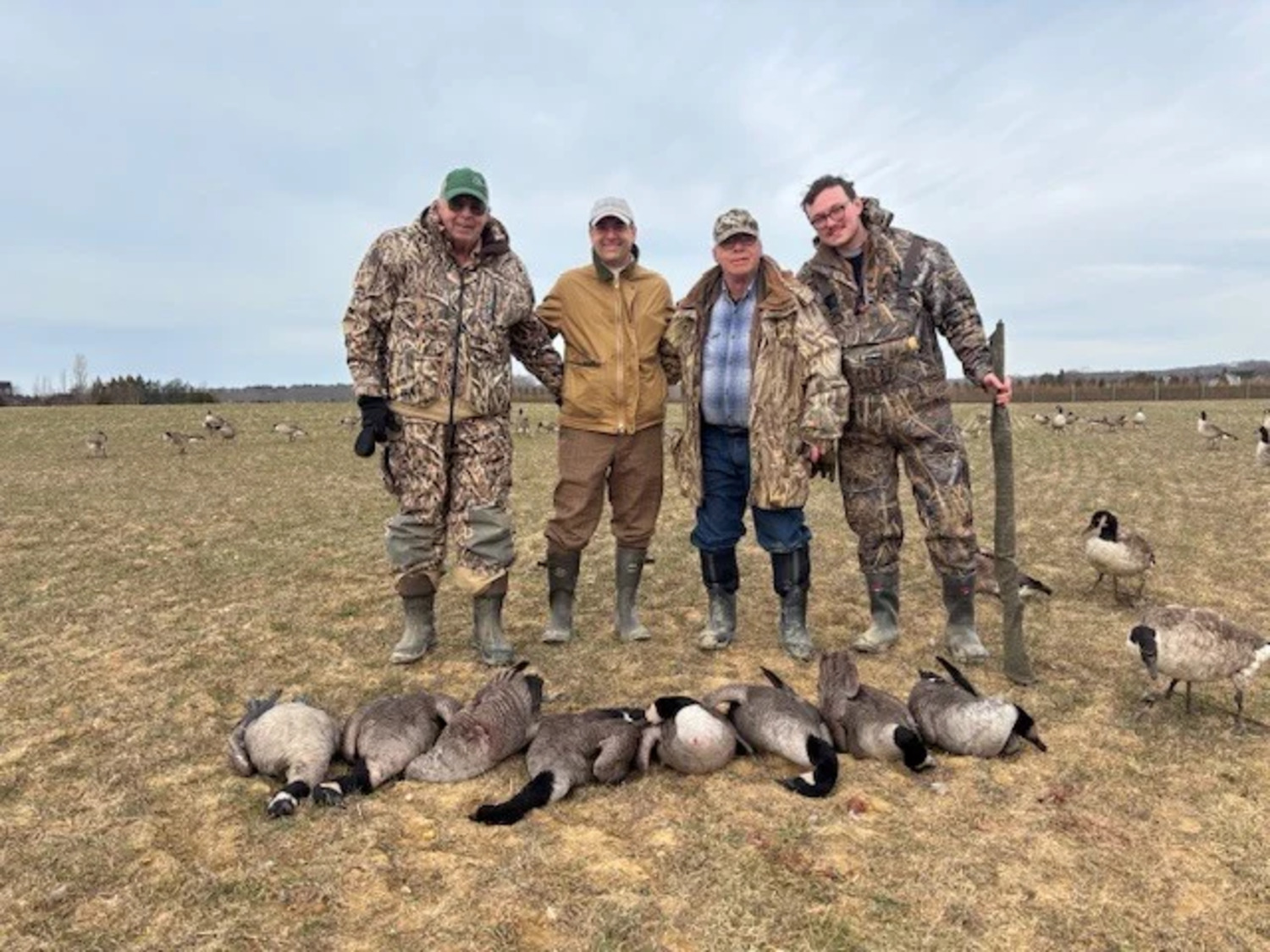
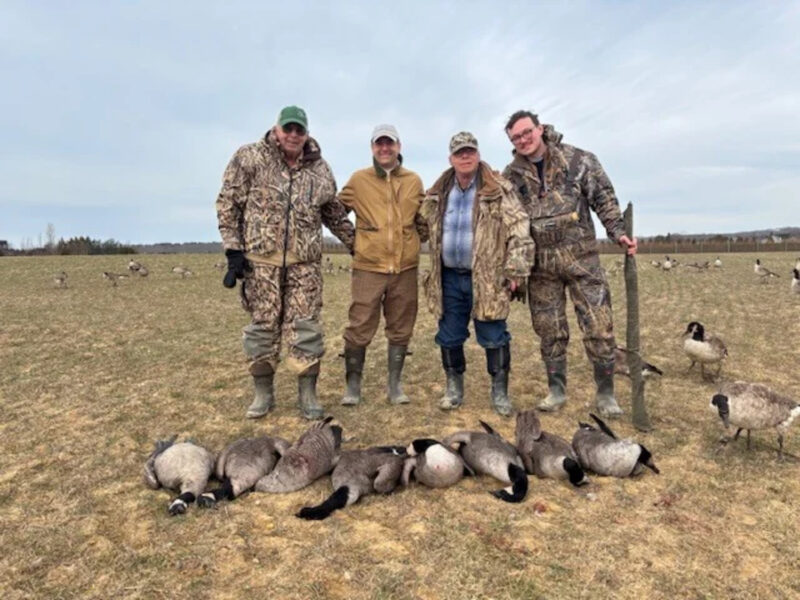
The members of the East Hampton Sportsmen's Alliance had several great days in the goose pits with Deerfield Guide Service this season. COURTESY OF EHSA
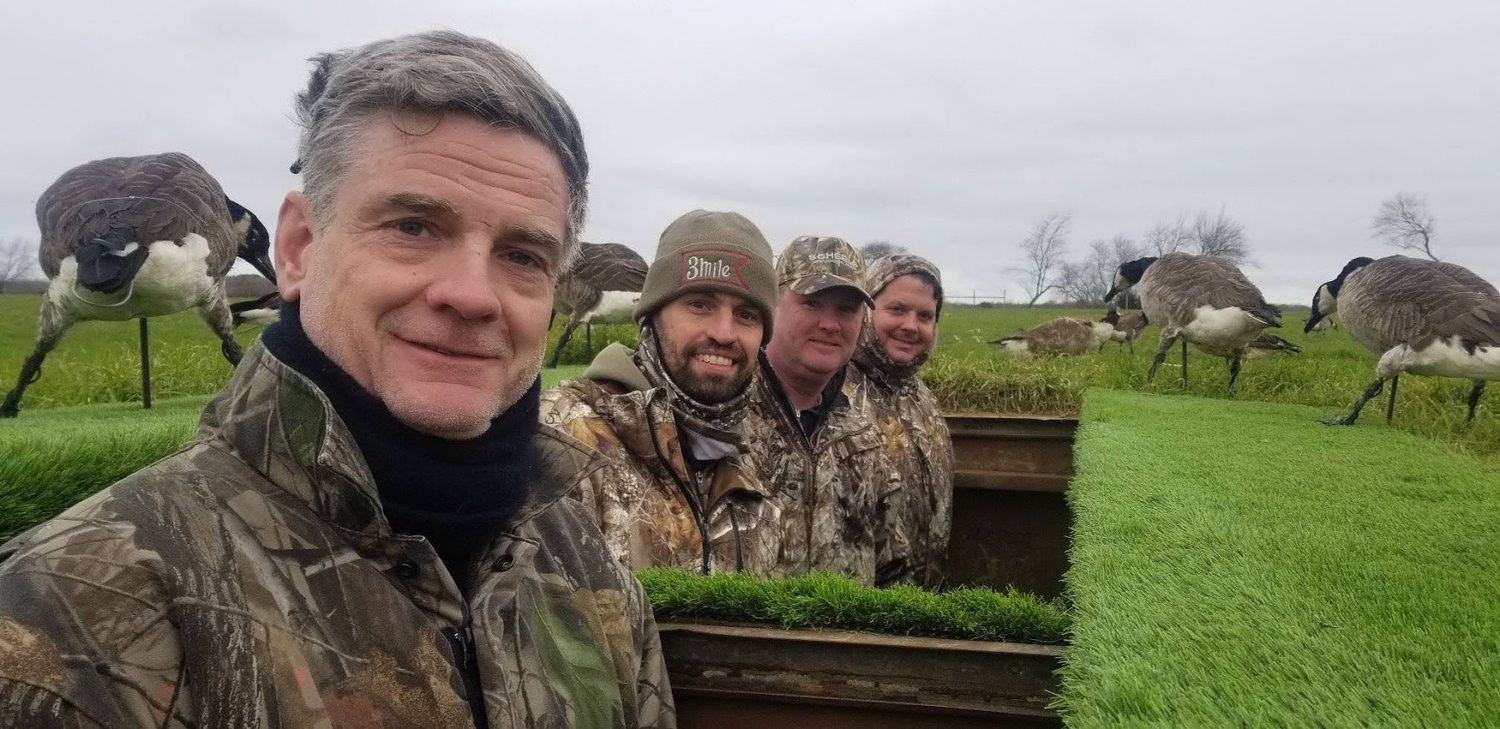
Bill O'Leary and the members of the East Hampton Sportsmen's Alliance had several great days in the goose pits with Deerfield Guide Service this season. COURTESY OF EHSA
Another hunting season is in the books.
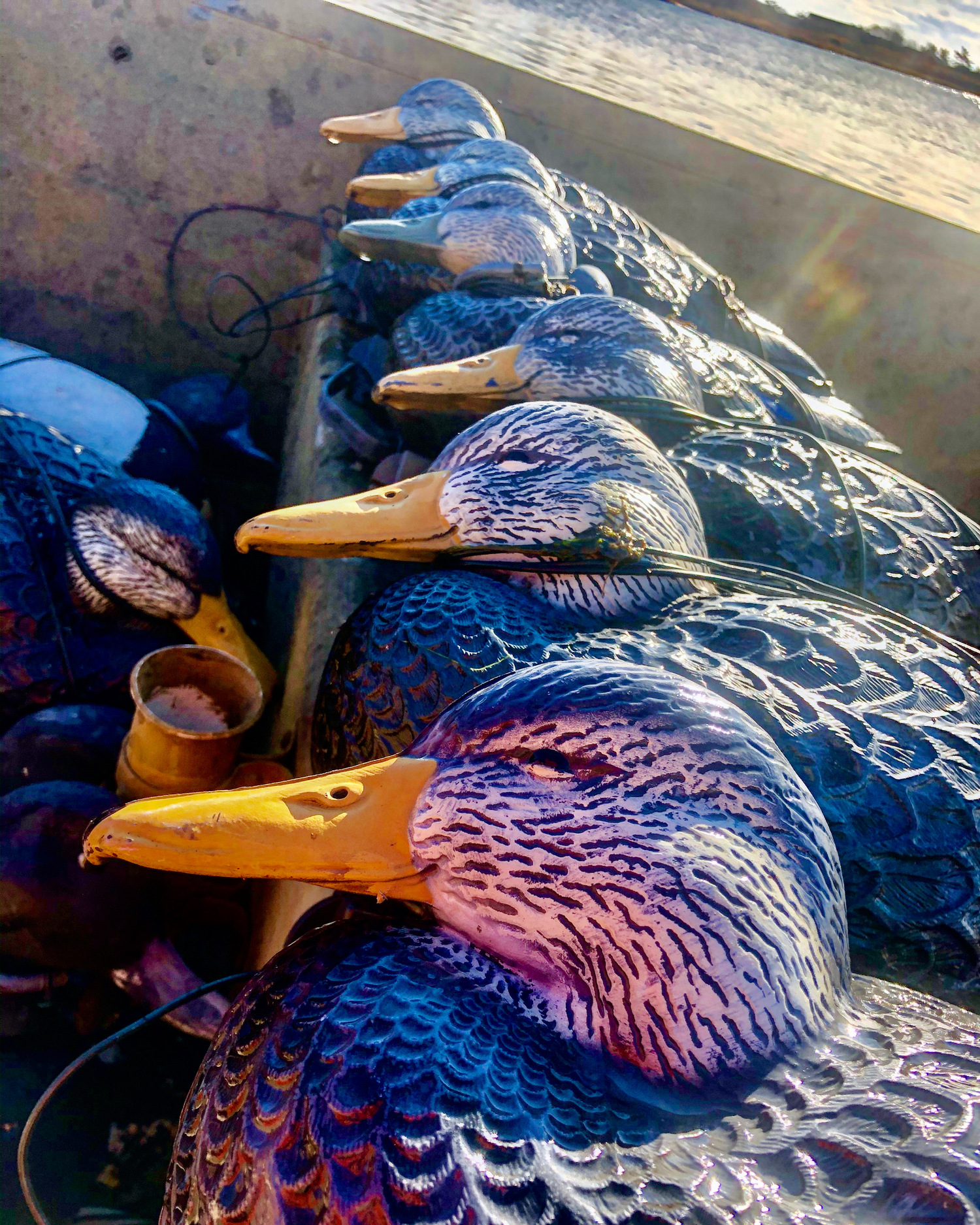
Last day on the job.
There’s a handful of days left in the waterfowl season, technically, but last Sunday’s closure of the duck season marks the end of the season for most hunters who don’t have access to a field — and a quite unsatisfying one.
I’ve heard from a few friends that this year was one of if not the worst season they have had in recent memory.
Just in general, that sentiment blew my mind — considering that we have had a ton of terrible hunting years in the last 10 years or so. My spot has been so bad for so long that I’ve sorta gotten used to terrible seasons, but to hear multiple people who have spots that are still fairly reliable talk of a bad year is somewhat startling.
But it struck me as especially surprising since this season did not seem to suffer from the long stretches of mild, calm, dry weather across much of the Northeast, more suited to golfing than hunting, that have afflicted many recent seasons.
In fact, this season’s weather was pretty ducky, as we say. There were a number of decent stormy days, some cold, and some good stretches of iced-over ponds to force ducks out of hidden kettleholes. There was cold weather across the Northeast by the Christmas holiday season, which is not exactly an early start to winter, but it should at least have been enough to get migratory birds on the move south in search of open water and harvested farm fields still ripe with missed grain and corn kernels.
So to hear that there were not many birds in our area is a sad state of affairs.
Duck populations in general across the country are doing okay, even pretty well in some regards, according to the U.S. Fish & Wildlife Service. Some are way down from the long-term average, but several species are up, and even those that aren’t have seen recent improvement thanks to conservation efforts in breeding areas. Ducks Unlimited logged the first increase in total breeding duck pairs since 2015 this year.
So it wasn’t the weather, and it wasn’t numbers of ducks in the air — why did we have such a bad season?
Beats me. But I gather the issue is a combination of factors — at least one of them being that wild animals, as predictable as we think they are, will sometimes throw us a curveball.
Part of the problem is probably the water quality issues we’ve had in some of our local ponds, creeks and harbors. I know that my hunting spot went from fantastic to poor in a matter of just a couple of years after the big fish kill in Lake Agawam in the early 2000s and in the smaller ponds nearby in the years after.
Our nature columnist here at The Press and Express newspapers and 27east.com, Marianne Barnett, said something in a recent column about brant and how they like to feed on eelgrass, and it reminded me of shooting brant with the late great Pete Smith over on the western shore of Shinnecock Neck many years ago.
I can’t think of the last time I saw a brant in eastern Shinnecock Bay, where there is basically only one small stand of eelgrass remaining.
And, of course, a lot of the farm crops that used to draw large numbers of puddle ducks to our region have largely been lost to residential development.
I can only surmise that is the combined loss of food sources from water contamination and loss of grazing habitat that is steadily whittling away the numbers of ducks that see the eastern end of Long Island as a prime place to stop on their winter travels.
The numbers of Canada geese that overwinter here are way, way down from what they used to be as well.
Still, having a field pit is a fairly reliable way to put some goose breasts in the frying pan if you’re even mainly competent at setting stool and a blowing a goose call.
The East Hampton Sportsmen’s Alliance did four great trips with Deerfield Guide Services this year, hunting geese in pits in northern Bridgehampton. The EHSA has put in a great effort in recent years at getting new and young hunters out in the field to sample the best of waterfowling that we still have in our parts, so kudos to them and Duane Arnister for keeping the spirit of hunting alive even as it gets more and more difficult.
So, for now, that is the curtains drawn on hunting this winter. We can wait eagerly again for next season and hope that the winds, and whims of the ducks, will bring us better luck in the field.
Catch ’em up. See you out there.
More Posts from Michael Wright


