


 1 Photo
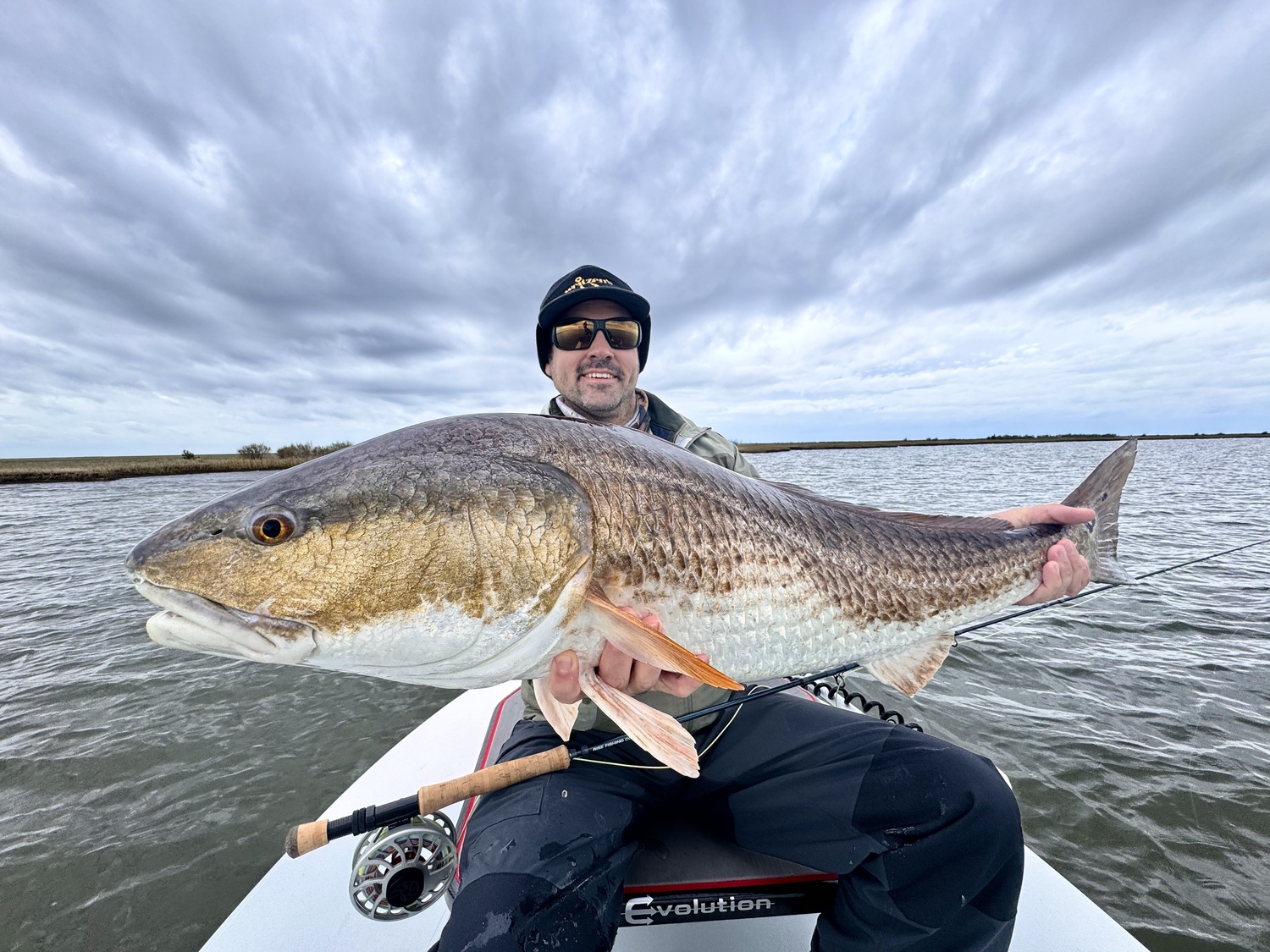
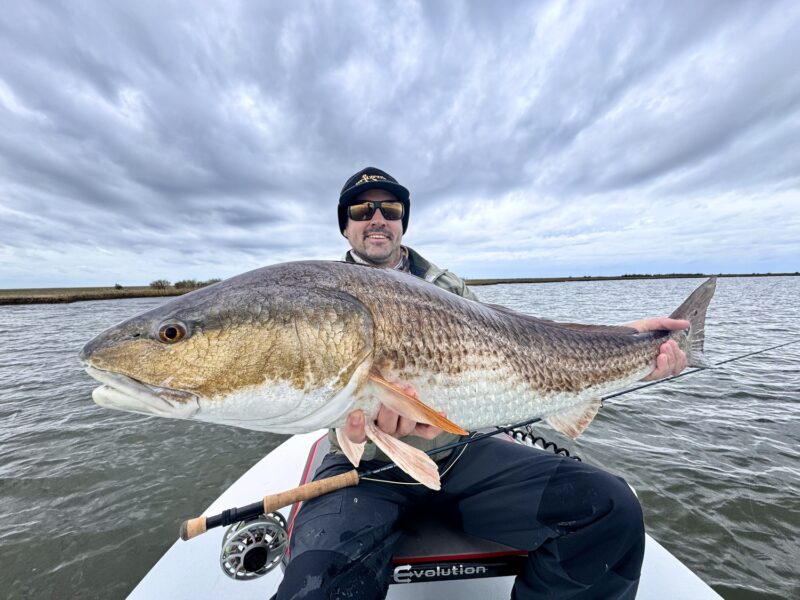
Steve Lobosco of Sag Harbor caught this beautiful redfish while visiting Louisiana in December, while casting a Sag Harbor-based Rise Fishing Co. fly rod. CAPT ADAM DEBRUIN

Another waterfowl season has come to an end for me — slightly prematurely because of some travel plans.
And premature ends to the waterfowl season, for me, anyway, are sometimes the most painful, because it was only in the last couple of weeks that there were some glimmers of hope of what seemed like proper waterfowling potential were shaping up.
Warm Novembers and Decembers seem to just push the traditional flight patterns of ducks later and later and later into the winter. There wasn’t even skim ice on most ponds until into the new year, which for my hunting spot means that puddle ducks are safely nestled away in the back creeks and puddles on private lands or deep in the downtowns and know better than to range very far.
It seems like almost an annual conversation as it gets into mid-January, usually the first time that we have to even have gloves on to ward off the bite of cold in between calling or moving decoys, that we wish they’d push our duck seasons into February.
And we kick around the same old “yeah, buts”: that the Thanksgiving-week season means so much to tradition and family hunting outings, that by mid to late February many duck species are beginning their mating rituals, that in years when it does ice up in late January we’d be left with net fewer days to go regardless of the quality of the shooting.
I know I’m not alone in the frustration at the way migrations have changed, especially in our area of the coastline. It’s not just the general trend toward warm weather delaying or even shifting migration routes; at least in some areas of our region, the water quality problems we have are definitely impacting the old ways that ducks used our water bodies.
Lake Agawam and the coastal ponds between Shinnecock Bay and Georgica Pond continue to see fractions of the waterfowl that used to use them as overnight roosts, presumably because the toxic algae blooms that beset them every summer have killed off the native plants and animals that the ducks would feed on.
And yet, it seems, there are more people than ever trying to hunt waterfowl locally. Waiting lists for hunting spots in Southampton Town are still long, filled with eager young hunters who want a spot of their own to manage and work and try to make the best of.
It kind of reminds me of how I feel when I go tarpon fishing in the Florida Keys. Standing on the bow or rear platform of a flats boat when a string of 80-to-150-pound tarpon is slowly meandering toward me, my heart is exploding with the anxious fear/joy of anticipation. After every trip I’m left filled with the feeling of “I need to do this more,” and “I need a place here, and my own boat.”
But from the old locals, all I hear is how the fishing has declined so much, how many more fish there used to be, how the grounds are too crowded with fishermen.
And all I can say is: “Seems pretty great to me.”
So I guess it’s all relative to your experience. And we do probably tend to exaggerate in our memories how good the past was. Every day was sunny and beautiful at the beach when you were a kid, right?
It’s encouraging that there are people champing at the bit to get into hunting on the South Fork, and that the Ducks Unlimited dinners and events are well-attended by enthusiastic hunters. As I get more and more discouraged, I wonder if it isn’t time to hand off a spot to one of them and let someone else lay a baseline that they can be nostalgic about in another 30 years.
Shoot ’em up. See you out there.
More Posts from Michael Wright


