


 6 Photos
A luxury craft by Long Island Yachts
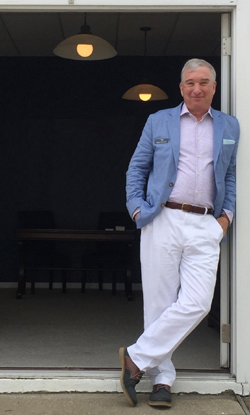
Dave Mallach of The Fog Warning yacht dealership in Westhampton Beach
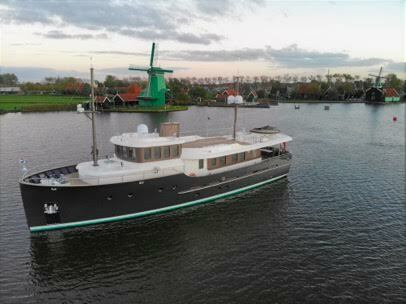
The Fog Warning also sells Hartman Yachts, their designs reminiscent of old school ocean liners.
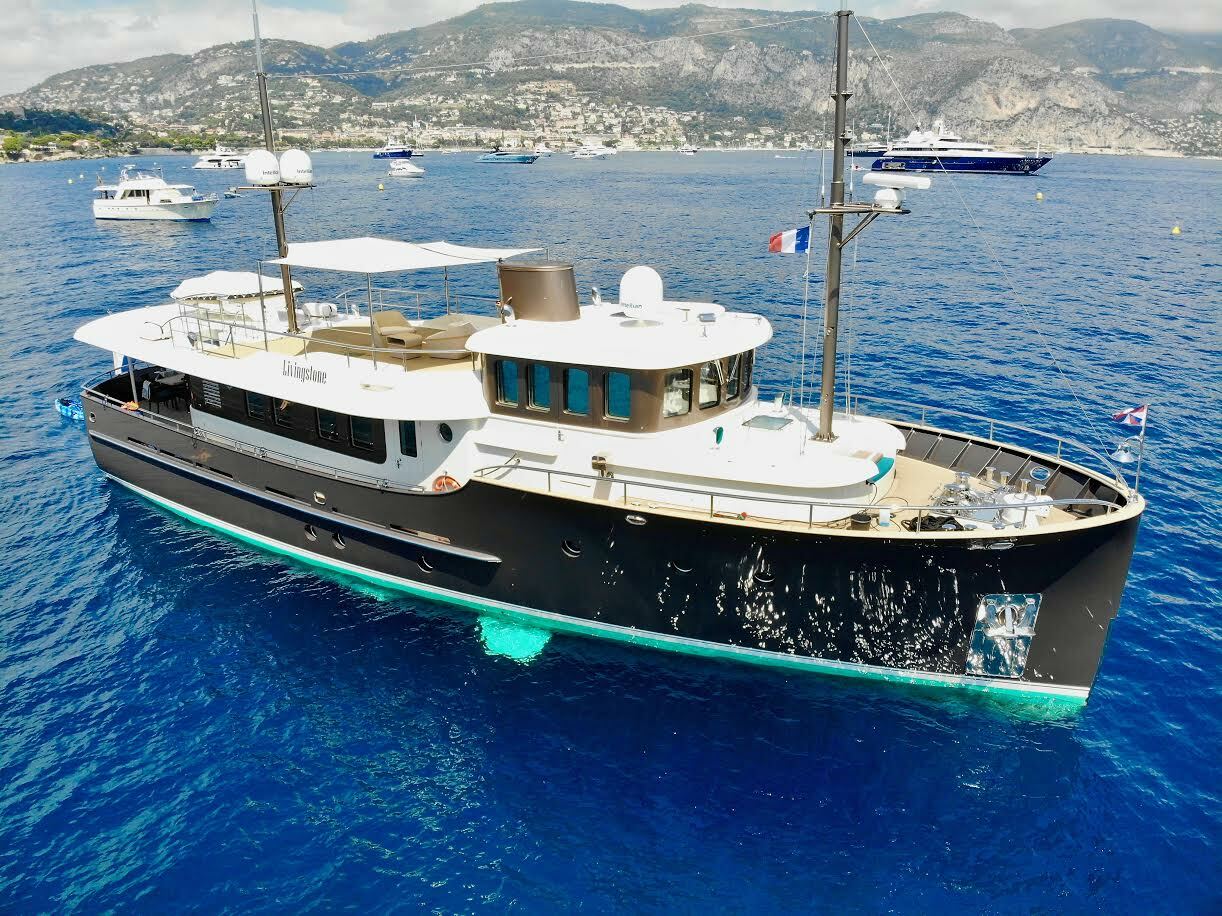
A Hartman Yacht described as a pocket explorer. Courtesy The Fog Warning
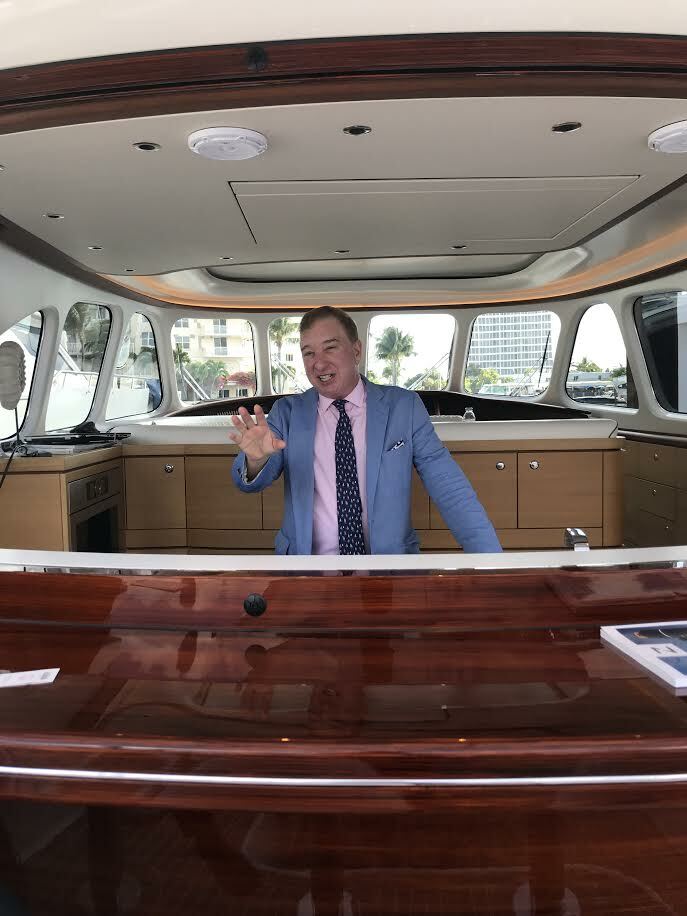
Dave Mallach of The Fog Warning
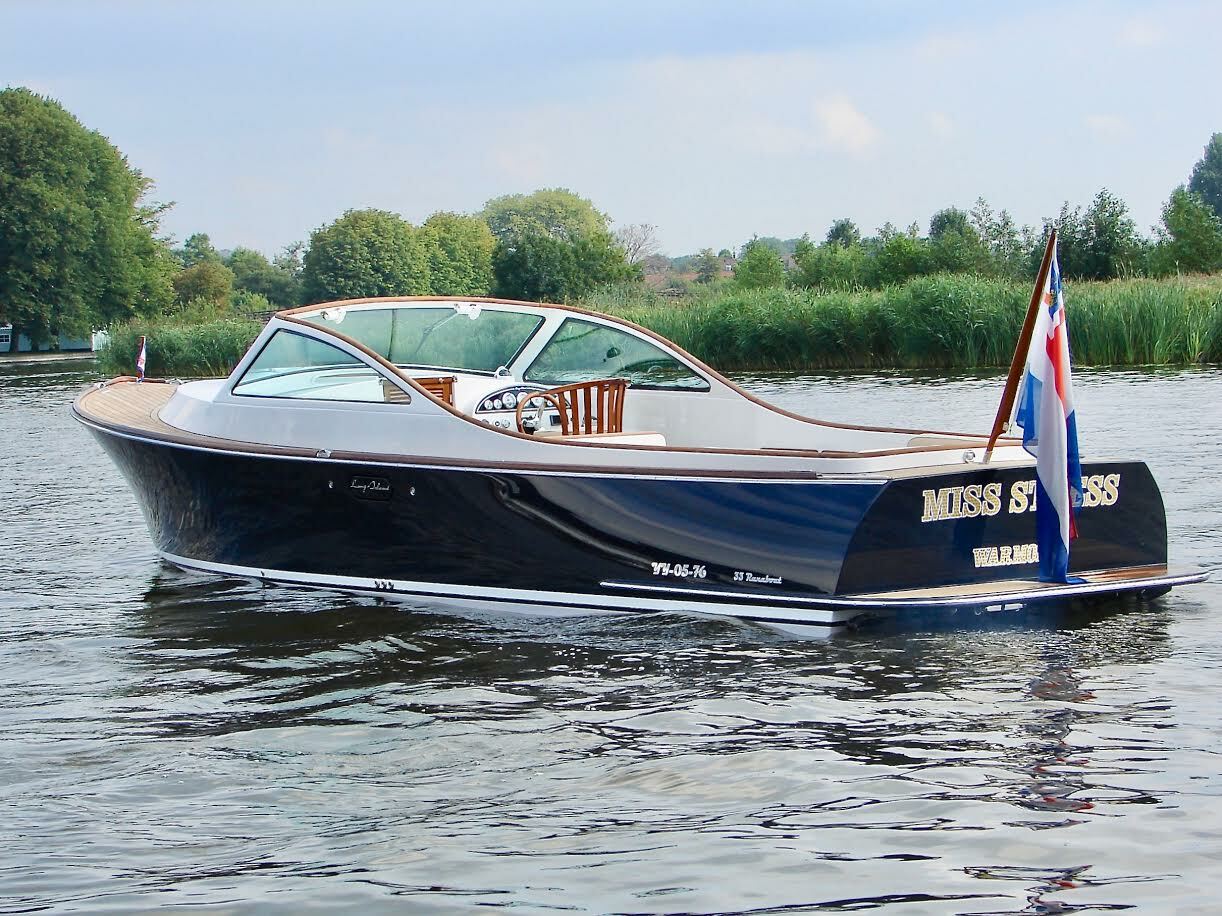
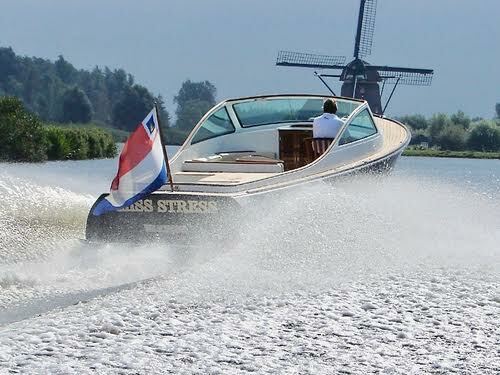
Long Island Yachts marries the tradition of Dutch yacht building with the styling of classic runabouts. Courtesy The Fog Warning
In 22 years in the business, Dave Mallach has sold over $50 million worth of yachts. Given that a typical 75-foot boat running full speed can burn a “startling” 150 gallons of fuel per hour, the Quiogue resident laments that he’s done his part to contribute greenhouse gas emissions — carbon — to the atmosphere over the years.
Now, he wants to do his part to reduce them.
Mr. Mallach has introduced a program for boat dealerships that he believes is the first of its kind on the planet and, he says, “for me, it’s a little bit like paying for my sins.”
Mr. Mallach, who brokers the sale of high end yachts from his office in Westhampton Beach, proclaims to be the first ever carbon neutral yacht dealer.
“I’ve been selling big boats a long time,” he said, “and it’s important to me because it’s the right thing to do. All of us who live on or under the water, we have a stake in this. Indirectly, I put a lot of carbon into the air myself and I feel a responsibility to make good.”
Every boater who purchases a yacht from Mr. Mallach may end the season with the boat’s carbon footprint neutralized … for every year as long as the yachtsman or woman owns the boat. Looking at the vessel’s fuel consumption at the end of the year, Mr. Mallach will defray the carbon usage with an equivalent donation to The Ocean Foundation, which restores seagrass meadows in marine ecosystems.
“The idea came to me in the shower,” said the broker, whose business, The Fog Warning, is named for the famous Winslow Homer painting. Mr. Mallach believes The Fog Warning celebrates the drama and passion of a life at sea.
By planting and nurturing coastal seagrass acreage, shorelines are preserved and additional carbon is naturally absorbed, he said of the work of The Ocean Foundation.
“It’s not this ephemeral thing, it’s an actual program and they actually plant sea grass which absorbs carbon from the atmosphere,” he said. “It’s a real deal.”
The Ocean Foundation’s Sea Grass Grow program has a carbon calculator that can figure out the number of pounds of carbon used. Picking a round number, Mr. Mallach used as an example a yacht that used 1,000 gallons of diesel fuel.
“That diesel fuel is going to put about 10,000 pounds of carbon into the atmosphere,” he said. “Once we know how many pounds of carbon were released into the air, it’s easy to calculate how many acres of sea grass need to be planted to absorb that carbon.”
The trade isn’t exactly quid pro quo. It takes the planting of about $2,000 worth of seagrass to offset $10,000 in fuel. “And I’m happy to do that. I’m happy to do that every year they own their boat,” Mr. Mallach said.
The aim was to support organizations that strive to combat global warming by focusing on the marine environment. However, Mr. Mallach said he would purchase “carbon credits” from other organizations, too, if that was a client’s preference.
His admiration for Dutch yachts, and Holland’s long nautical heritage served as inspiration for the idea, he said. Most of the country is at or below sea level making it uniquely vulnerable to climate change, Mr. Mallach said, adding the belief that the stakes stretch beyond a boater’s recreational life. The link between climate change and the rise and spread of pandemics is becoming increasingly clear, he said.
The Fog Warning is the exclusive brokerage for Holland’s Long Island Yachts and Hartman Yachts. Long Island Yachts typically run “about a half-million dollars,” Mr. Mallach explained. The “big ships,” Hartman Yachts, cost from $5 million to $10 million.
They’re “your basic six bedroom floating home made out of steel that can cross the Atlantic or cross the Pacific,” he explained. Yachts are built all over the world, but, he noted, those built in Holland are far and away the best built. He said he spent a lot of time building and selling boats in Istanbul. Turkey changed, however, he said, and it became tougher to do business there, and it was tougher to convince Americans to do business there. “So I pivoted to Holland,” he said. “Their boats really are the best of the best.”
While the strictures wrought by the COVID-19 pandemic has meant turning to online sales, Mr. Mallach noted the business as a whole has been “very strong,” with people who can afford to looking for safe ways to recreate and social distance within their own cohorts. “People are looking to socially distance on the water,” he said.
Two clients have purchased yachts from The Fog Warning since Mr. Mallach hit upon his idea, so it’s too soon to report results.
Born in Marine Park, Brooklyn, Mr. Mallach learned to sail there, near Coney Island. Before retiring and focusing full time on selling yachts, he was a social worker, the director of drug treatment programs for the city jail system on Riker’s Island.


