


 8 Photos
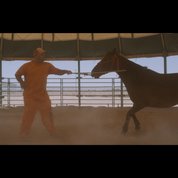
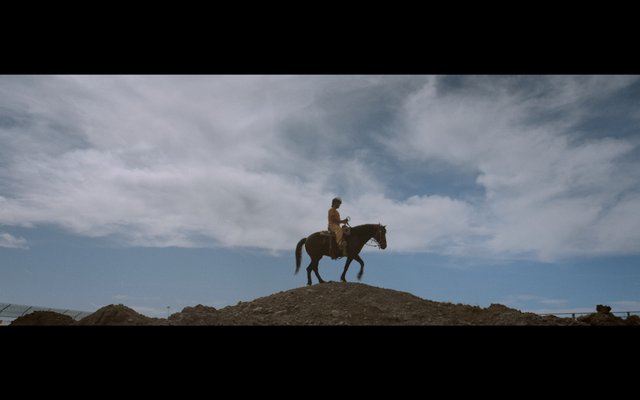
A still frame from "The Wild Inside."
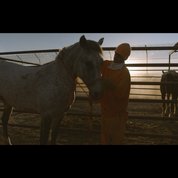
A still frame from "The Wild Inside."
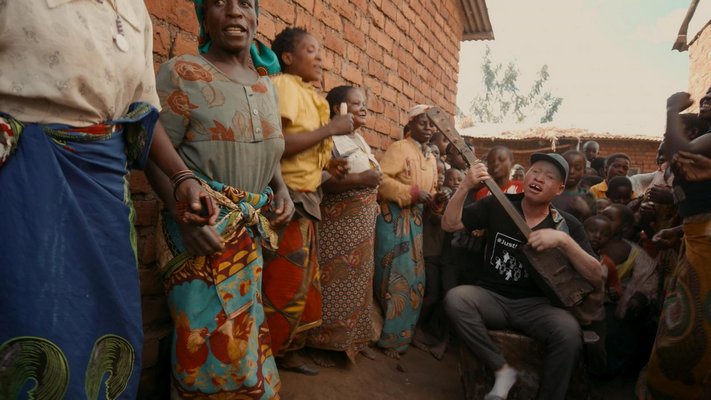
A still frame from the film "Lazarus."
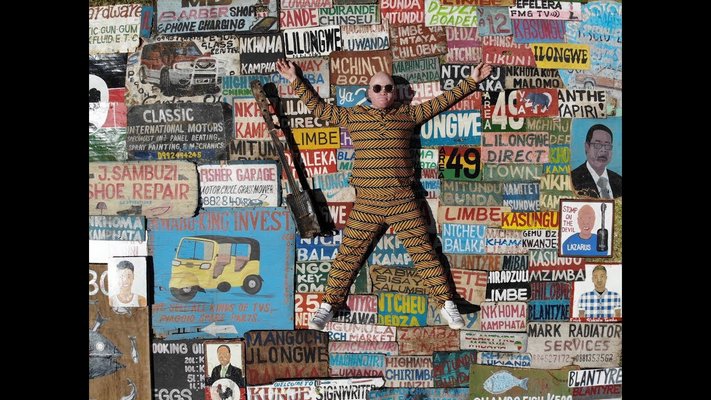
A still frame from "Lazarus."
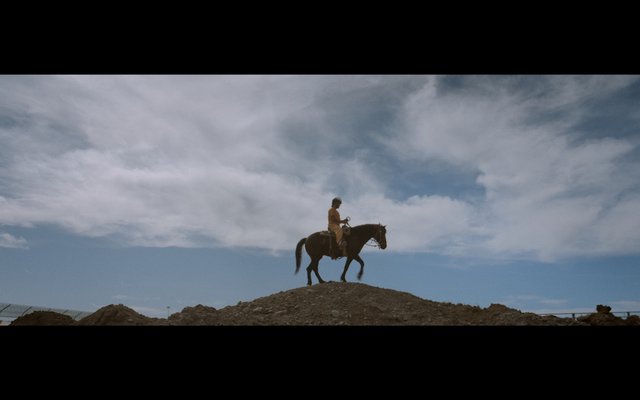
A still frame from "The Wild Inside."
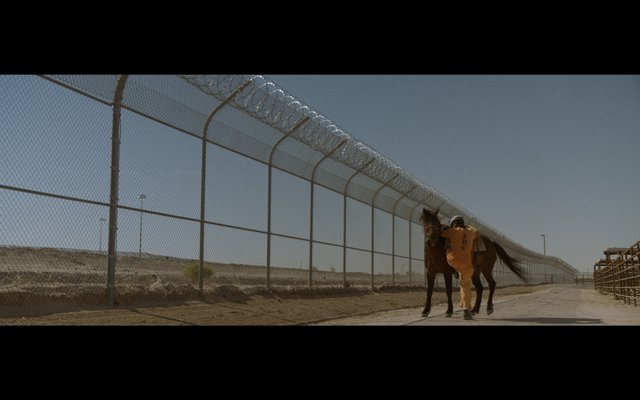
A still frame from "The Wild Inside."
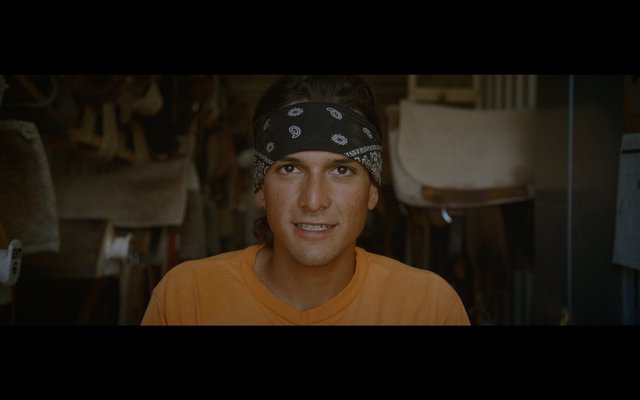
A still frame of an inmate who works with wild horses in Arizona from the documentary "The Wild Inside."
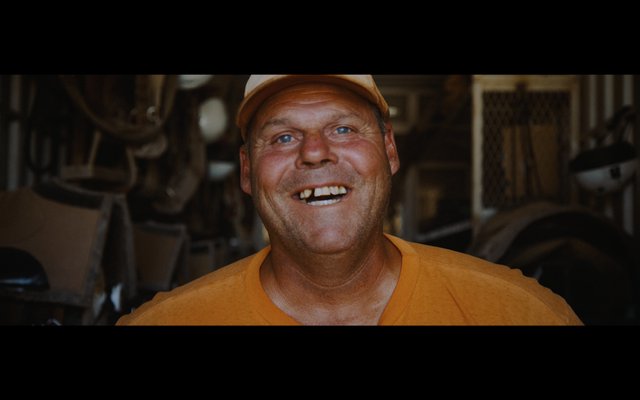
A still frame of an inmate who works with wild horses in Arizona from the documentary "The Wild Inside."
With equity comes a promise of fairness, justness and worthiness — an assumption of respect and dignity, the bedrocks beneath any given society.
For Lazarus Chigwandali, it is much simpler than that. The street musician asks that he not be kidnapped and murdered, his bones sold off to the highest bidder as mystical objects.
But as an albino man living in the East African country of Malawi, that promise of equity is never guaranteed.
In Africa, the systematic violence toward people with albinism is one of the most horrific human rights violations today, and yet the Western world remains largely unaware of the issue, according to filmmaker David Darg, whose most recent documentary, “Lazarus,” captures one man’s quest to raise awareness of this injustice and unregulated superstition.
“I’m always searching for opportunities to tell stories about heroes,” Darg said. “We have all these fictional movies about superheroes, but we’re surrounded by real heroes all the time. Usually, I find people already doing something amazing. In Lazarus’s case, I follow his journey as he becomes a hero and, in some ways, the film is helping to elevate his hero status and is helping to make an impact on a much-needed cause.”
The 26-minute documentary short from the Academy-nominated and Emmy Award-winning director was a natural fit for not only the Mountainfilm Festival, held annually in Telluride, Colorado, but also the roster of Mountainfilm documentaries that tour the United States. On Friday and Saturday nights, a slate of 17 festival films will screen at the Southampton Arts Center, all of which meet the theme of “Equity,” according to program curator Elyn Kronemeyer.
“The goal is to open hearts and minds, and encourage people to explore some of these stories a little bit more on their own,” she said. “Through Mountainfilm, we basically travel around the world, meeting different people and hearing different stories that are educational and inspiring.”
The films range from “Jágralama,” about a Tibetan boy who is obsessed with ice hockey, to the adventure-packed “Mission Dolomites,” following every gravity-defying move of freerider Kilian Bron. “Ashes to Ashes” tells the story of Winfred Rembert, a rare survivor of a lynching attempt, while “Sweetheart Dancers” follows Sean and Adrian, a two-spirit couple, who are determined to rewrite the rules of Native American culture.
Throughout each documentary, unlikely faces find themselves in front of the camera — and in the case of “The Wild Inside,” that included those the public rarely sees: felons, who are participants of the Wild Horse Inmate Program at the Arizona State Prison Complex.
In partnership with the Bureau of Land Management, the program was created to help domesticate wild horses that are rounded up on public rangelands in Arizona and Nevada — as a controversial means of population control — while also taming recidivism rates. And it caught the attention of filmmaker Andrew Ellis.
“I had never thought about horses, or public lands, or the loss of wild species before making ‘The Wild Inside,’” he said. “In my previous film work, I had been more concerned about the way humans treat other humans. This film was a return to the wild, to nature, to the bigger story at hand. I am now more passionate about exploring humanity’s tense and sometimes abusive relationship to Mother Earth, with the hope of restoring it.”
Ellis visited the prison on three separate occasions, increasing from one day to four straight days of filming. Getting inside the program itself was “surprisingly easy,” he said, but gaining access to the rest of the prison was nearly impossible.
“I was fascinated by the sheer spectacle of the program at first: wild horses in a maximum-security prison,” he said. “I watched the videos of what it took to break a mustang, which can be quite violent. I assumed that there wouldn’t be a plethora of professional trainers on hand, so I knew this would be a sight to behold.”
By the time the horses reach the inmates, they have been brutally taken from their homes, ripped apart from their families, branded, and forced into a metal cage. But their domestication saves them from a life in captivity or, worse, slaughter, Ellis explained. Through this program, they are given a second life to work for loving humans across the United States, softening the blow of a horrible situation — just as it does for the inmates, he said.
“Working with horses enables the inmates to be outside, to care for something beyond themselves, and to escape dangerous social circumstances of normal prison life,” he said. “It, unfortunately, doesn’t give them viable job prospects for when they leave prison, which in many cases is the leading cause of their incarceration.”
In Arizona, felons released from prison have a 49% chance of returning within five years. But of the 50 felons released from the Wild Horse Inmate Program, only three have returned.
“To be fair, the program does pick inmates who are already identified as non-violent and low escape risk, so the recidivism statistics are a bit skewed,” Ellis said. “However, there is a real therapeutic impact in working with horses. The animals require total, compassionate presence. The inmates have to submit to the moment, and can’t bring any of their masculine bravado, which they carry around in the prison yard. It’s humbling, and it’s a real form of meditation.”
On a daily basis, the program allows the inmates to calm down, breathe fresh air and connect with something more powerful than themselves, Ellis said. To date, over 700 wild horses have been adopted out of the program, while 45,000 remain in permanent holding today.
“I don’t think the film gives a cure-all to the prison problem or to the wild horse population problem, but I hope it sparks curiosity about the mystical relationship we have with nature,” he said. “While this program is a drop in the bucket of these massive socio-environmental problems, it is changing the lives of horses and inmates alike.”
The program sits at the intersection of two distinct socio-environmental catastrophes in the United States, Ellis said: “the widespread punishment of poor and sick people, and the crowding out of wild animals in America’s remaining open landscapes.” Similarly, when Darg decided to make a film about Lazarus and the start of his career as a professional musician, he was taking on an issue larger than himself.
“I first met Lazarus at his house and immediately fell in love with his beautiful personality,” Darg said. “Despite everything he has endured and all the persecution, he is full of joy. Before meeting him, he was initially very afraid and suspicious of us because he had been lured into traps before when strangers offered him favors. He had survived a kidnapping and here we were, a group of foreigners supposedly coming to record an album and make him famous. To Lazarus, it was just another trap. It took some time for our fixer to convince him of our intentions.”
In a complete metamorphosis, Lazarus went from begging on the streets to performing in front of thousands in New York City, his handmade banjo by his side. Now famous in Malawi, he has never forgotten where he comes from, using his platform to speak out against albino attacks and the cruelty his community suffers.
“I’ve been amazed how few people know that albinos are facing extinction, according to the UN, in East Africa due to human poaching,” Darg said. “I hope that Lazarus’s story and his activism might be a tipping point in generating more awareness and stopping this madness once and for all.”
Mountainfilm on Tour will bring a selection of adventure-packed and inspiring documentary films to the East End starting Friday, September 6, at 7 p.m. at the Southampton Arts Center, located at 25 Jobs Lane in Southampton. The festival continues on Saturday, September 7, with a filmmakers reception at 6 p.m., followed by the closing night screenings at 7 p.m.
Friday and Saturday night admissions are $15 and $25, respectively, or $12 and $20 for Friends of SAC. For a complete list of programming and more information, call 631-283-0967 or visit mountainfilm.org/tour/schedule.


 Michelle Trauring on Sep 3, 2019