


 4 Photos
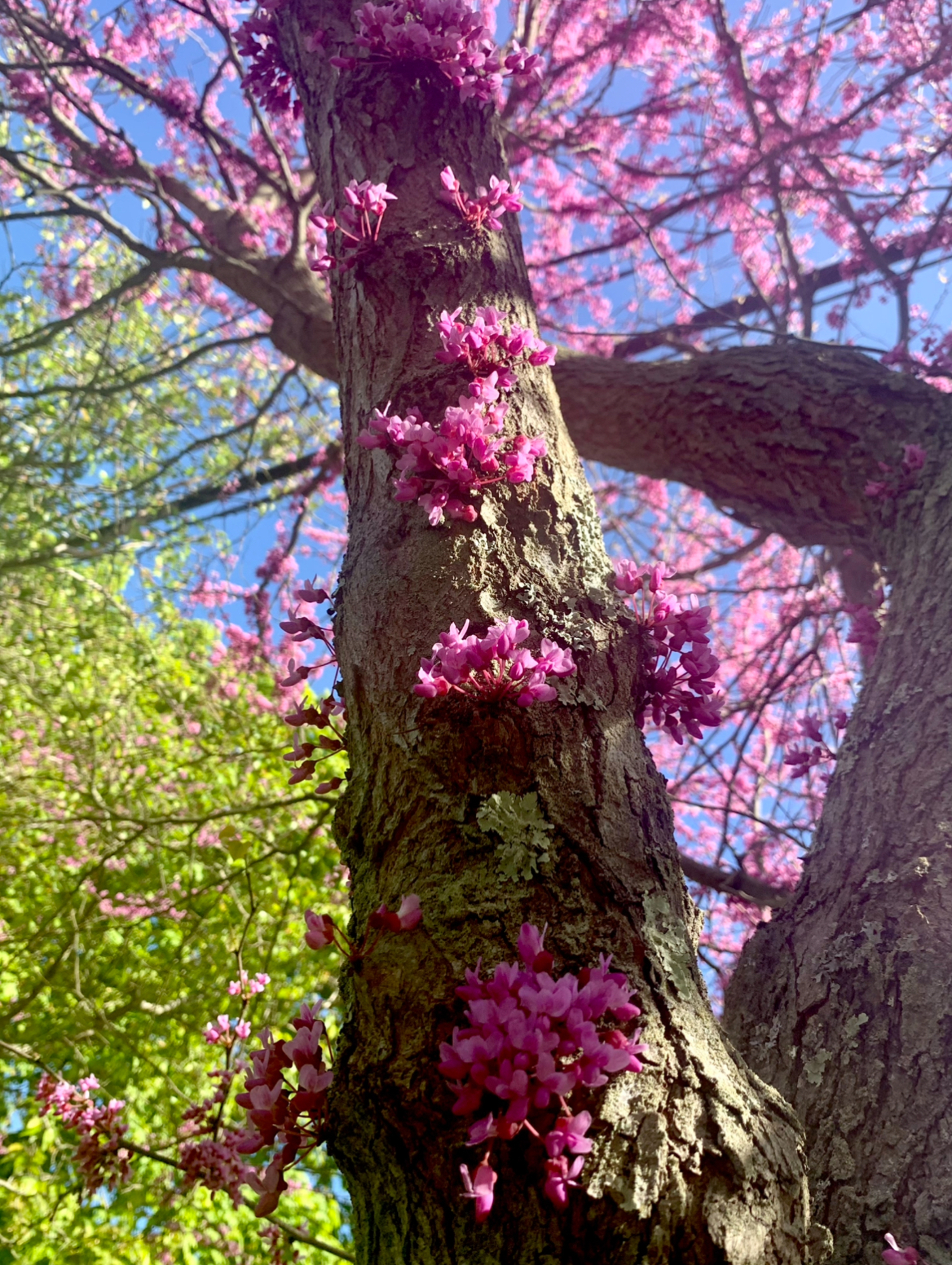
An Eastern redbud in bloom. COURTESY WESTHAMPTON GARDEN CLUB
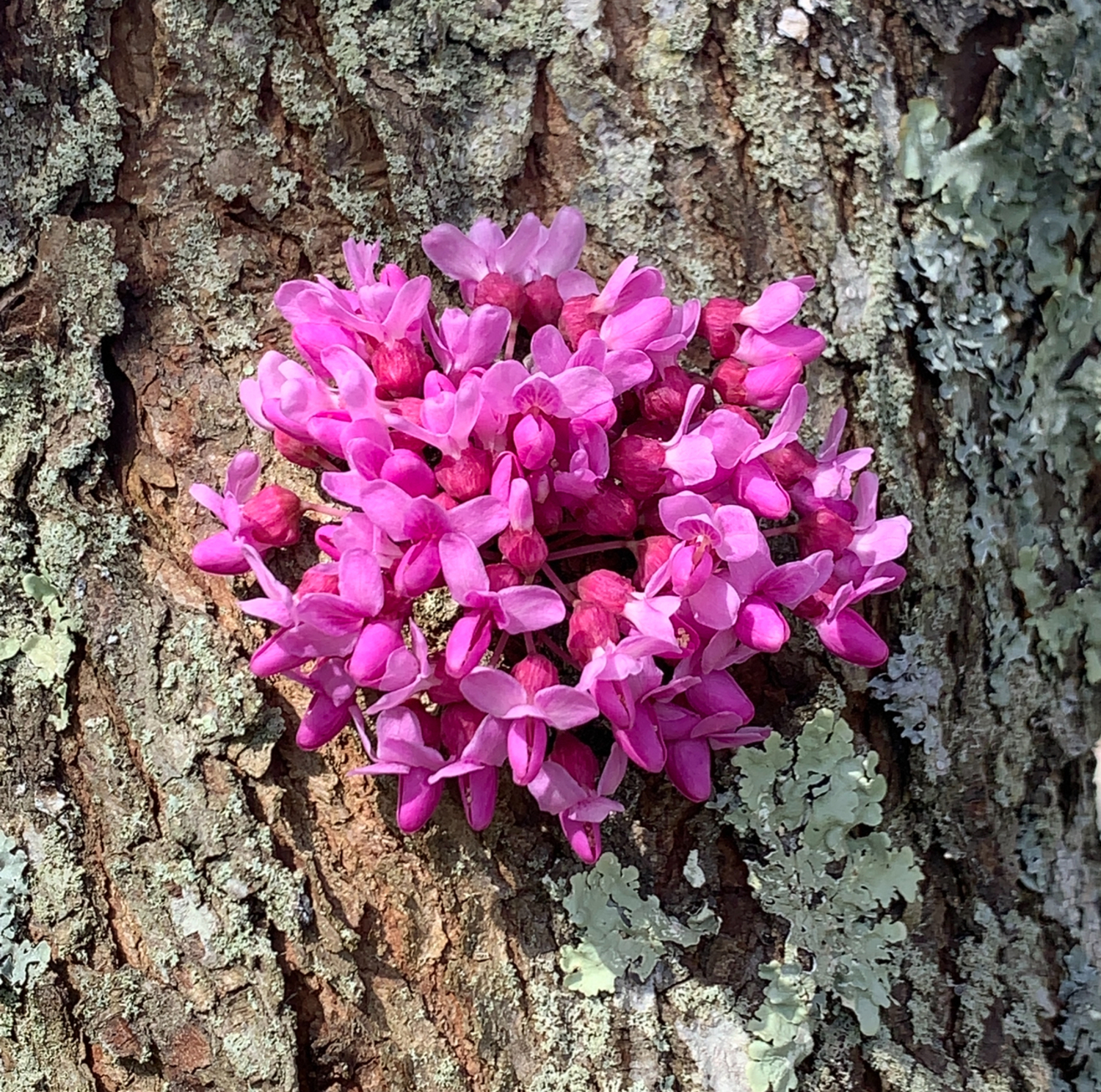
An Eastern redbud in bloom. COURTESY WESTHAMPTON GARDEN CLUB
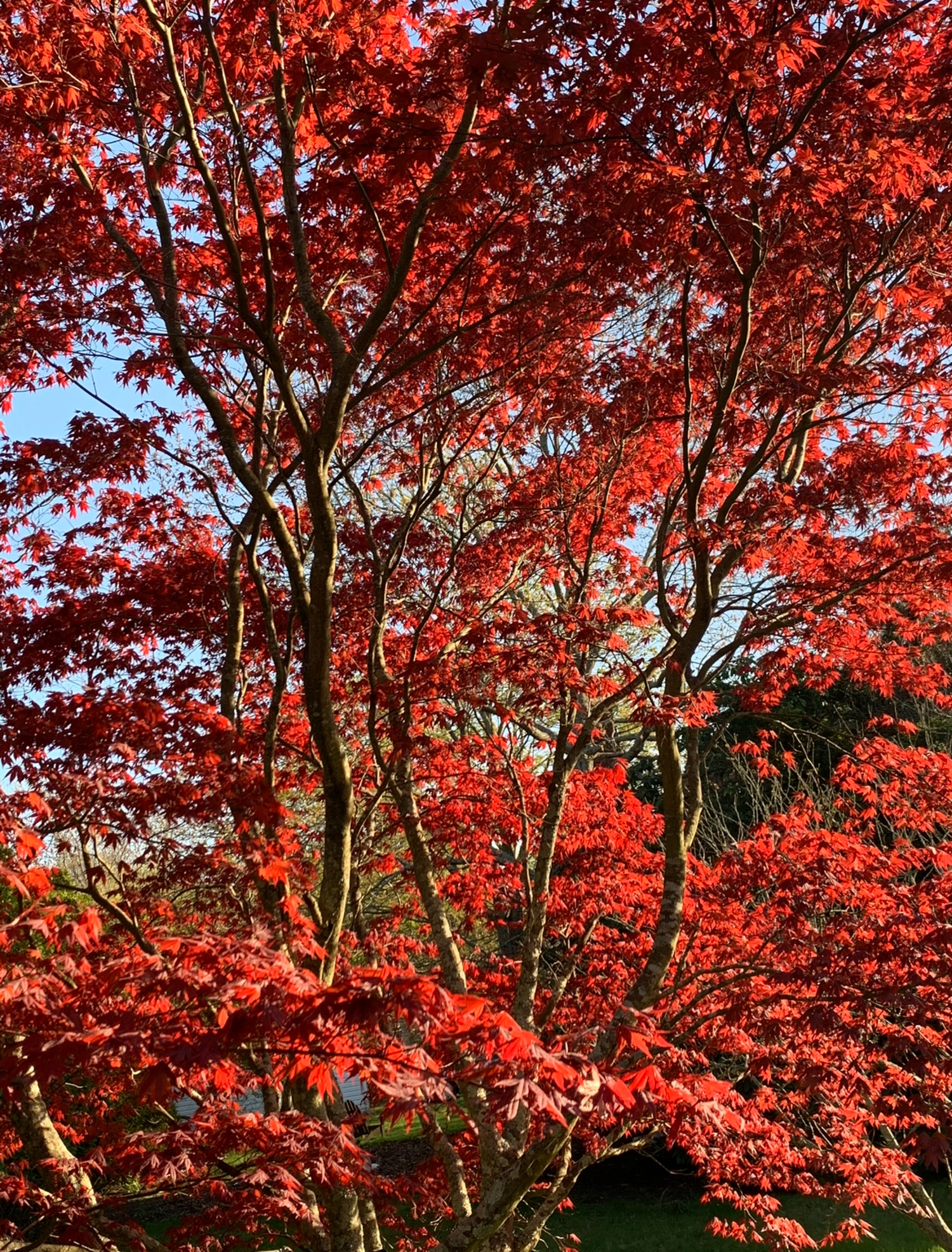
The scarlet oak is known for its brilliant red foliage. COURTESY WESTHAMPTON GARDEN CLUB
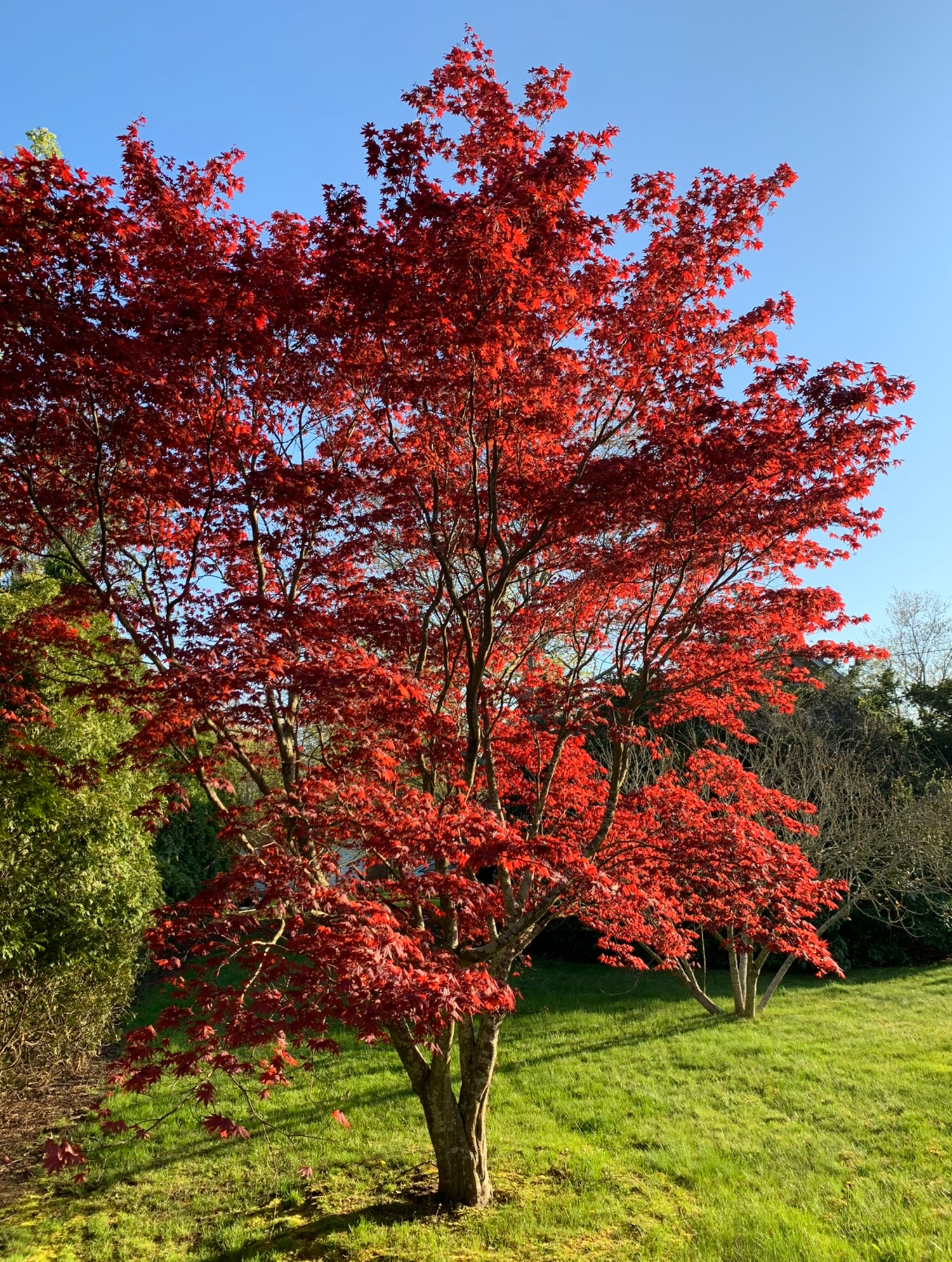
The scarlet oak is known for its brilliant red foliage. COURTESY WESTHAMPTON GARDEN CLUB
Fall is a busy time for gardeners. The last of the flowers and vegetables are ready to harvest, and the cleanup begins. It is also the best time to plant and transplant trees.
The soil is still warm and the air has begun to cool, which means plants are generally under less stress. There’s more moisture available than there is in mid-summer, so it’s much easier for a tree’s root system to establish itself in new soil. There are also fewer pests around now, and the weeds have slackened their growth, all of which helps a tree adjust and settle into its new surroundings, with ample time to acclimate before preparing for winter.
Native trees are the heart of our local landscape. They’ve grown here for thousands of years, perfectly suited to Long Island’s soil, climate and wildlife. Planting them helps nature — and your yard — thrive.
The reasons for this are many. Native trees provide food and shelter for birds, butterflies and pollinators. Because they’re adapted to local conditions, they need less watering and fertilizer. They resist pests naturally, helping you garden sustainably without chemicals.
Deep roots also prevent erosion and help filter rainwater before it reaches our bays and groundwater. A single tree can make a big difference in keeping Long Island’s waterways clean. Native trees live longer and stand stronger through storms, droughts and temperature changes, keeping our landscapes beautiful and climate-friendly for generations.
If you have a good spot in your yard, there are lots of options to consider from the roster of trees native to the East End. Kate Rummel of Cole Environmental Services of East Quogue offers a few suggestions to help you choose one that will be the best fit for you.
For smaller lots or areas close to your house, Rummel says it’s a good idea to stick with understory trees that don’t take up too much space and are well adapted to living in partial shade, such as serviceberry (Amelanchier arborea) and the Eastern redbud (Cercis canadensis).
A serviceberry is modest in size, usually topping out between 15 to 20 feet, but provides three seasons of color, with beautiful early spring blooms from March through April, giving way to summer berries followed by beautiful red color in the fall.
Eastern redbuds tend to grow a bit taller, reaching 20 to 30 feet. They have small heart-shaped leaves and are deer resistant, but their most distinctive feature is their beautiful reddish-pink blossoms, which sprout directly from the trunk and branches. In springtime, it almost looks as if the tree is wearing brightly colored leggings on its major limbs.
If you have a larger space to fill, then you might do well with a scarlet oak (Quercus coccinea). This type of oak likes to spread out and can grow up to 50 to 70 feet tall, allowing it to take over a large expanse of lawn and provide ample shade for a summer hammock. Its leaves turn a stunning scarlet in fall. A mature oak tree will support roughly 500 species of native pollinators.
One more deciduous option to consider is the chokecherry (Prunus virginiana), which is a native variety of cherry tree. Its berries are bitter when raw, but when cooked can make very tasty jams, jellies and syrups. In fact, they were an important food source for the Indigenous people of Paumanok (also known as Long Island). Chokecherries will grow between 20 to 30 feet tall, and a mature tree will also support roughly 450 species of native pollinators. Fall foliage ranges from yellow to deep purple.
Finally, if you’re looking for an evergreen that will help turn your yard into a bird sanctuary all year long, you might want to find room for an American holly (Ilex opaca). Unlike most trees, an American holly is dioecious, which means these trees are either male or female, not both. Only the female hollies produce beautiful red berries that are essential food for overwintering birds. These trees are also deer resistant and will reach a mature height of 15 to 20 feet.
So, make the best of our glorious East End fall season, grab a shovel and find a good spot in your yard. Each native tree you plant helps restore the balance of nature in our area.


 Marissa Bridge on Oct 21, 2025