


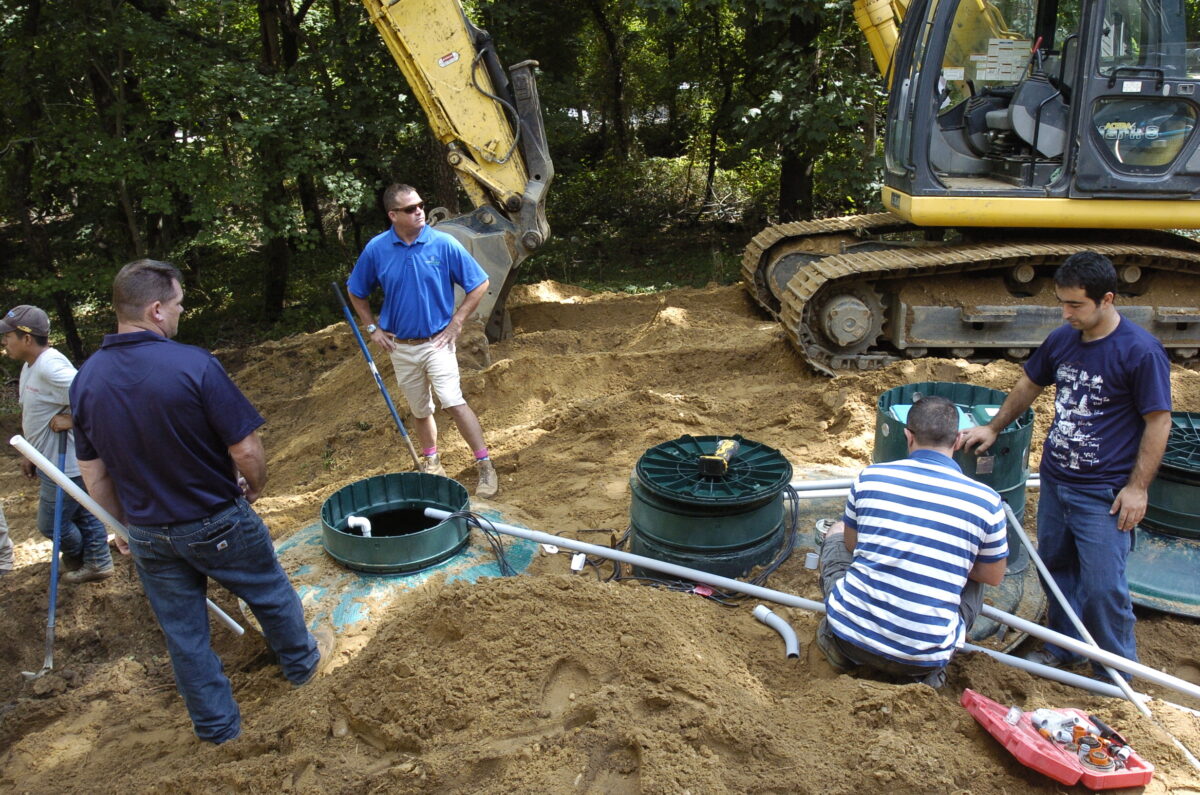
 3 Photos
A septic system being installed in Flanders DANA SHAW
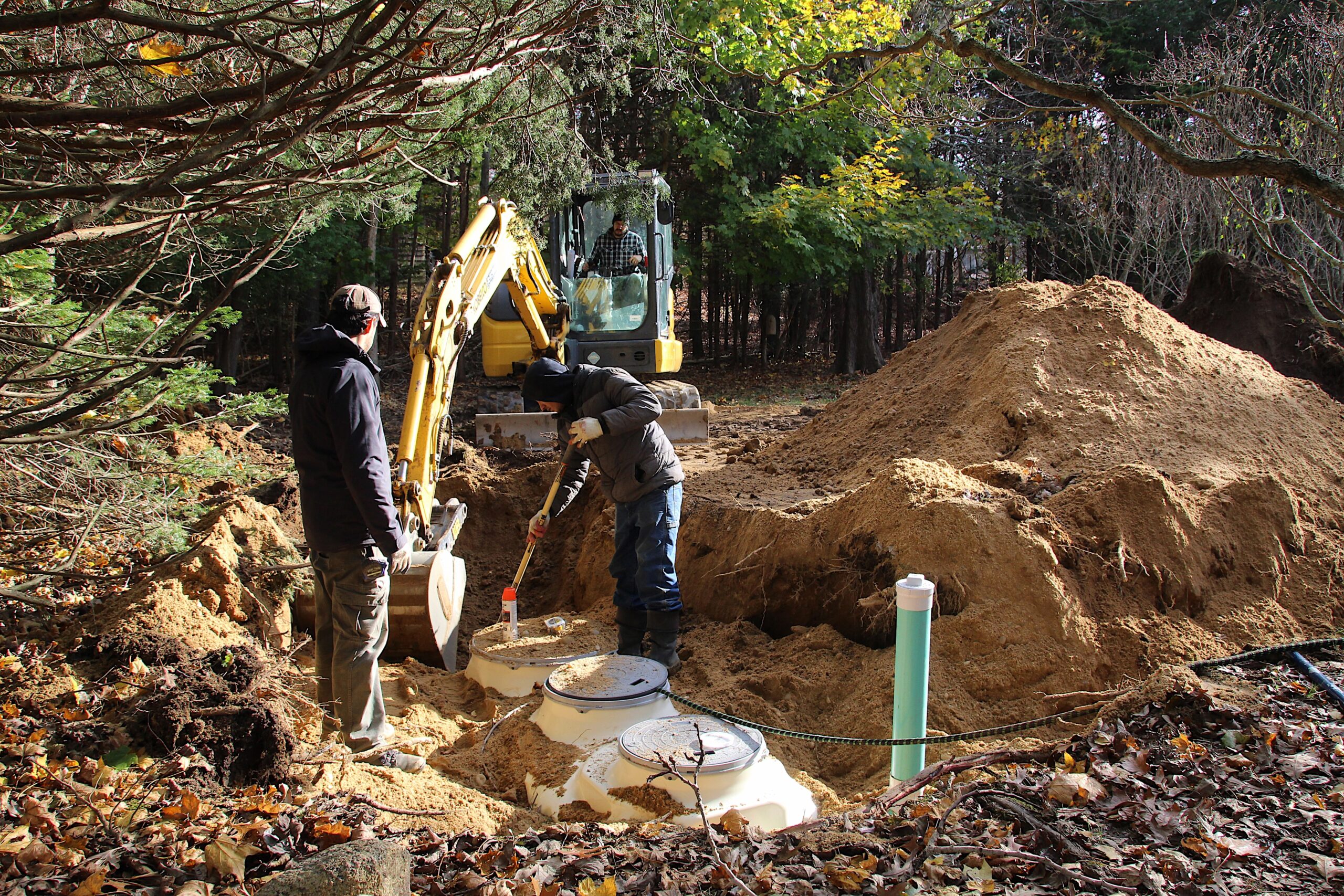
The IRS issued a notice that it would no longer expect the septic replacement rebate grants awarded by Suffolk County and New York State — and by extension, the five East End towns — to be taxed as though they were income.
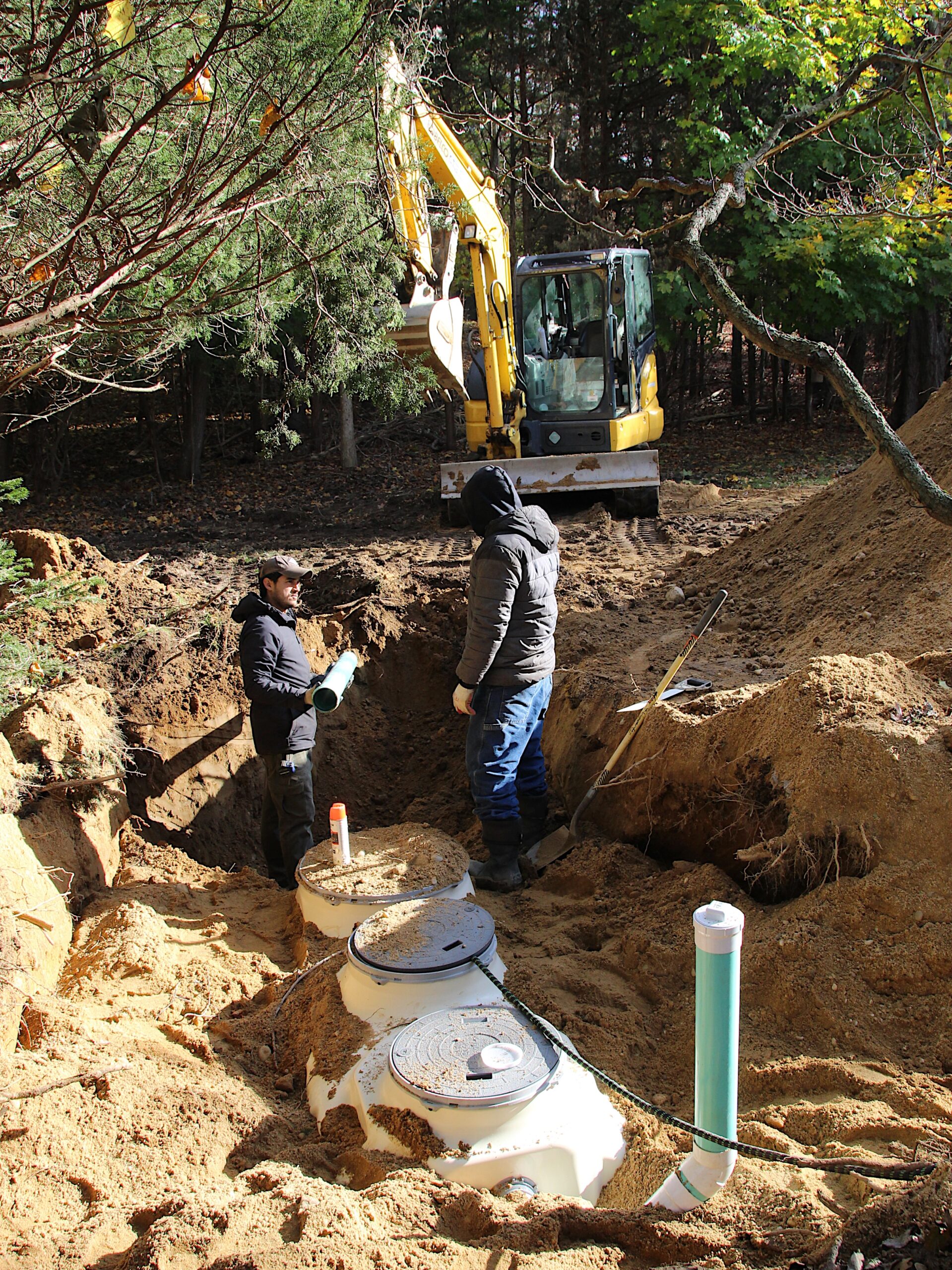
The IRS issued a notice that it would no longer expect the septic replacement rebate grants awarded by Suffolk County and New York State — and by extension, the five East End towns — to be taxed as though they were income.
The Internal Revenue Service this week issued a notice that it would no longer expect the septic replacement rebate grants awarded by Suffolk County and New York State — and, by extension, the five East End towns — to be taxed as though they were income.
The move is one that had been called for by Suffolk County Executive Steve Bellone’s office and local officials since 2018, when the county comptroller’s office began issuing 1099s for the program — in what Bellone’s staff have called a political stunt that cost hundreds of Suffolk County residents thousands of dollars.
The IRS notice comes in the wake of an announcement last week by the U.S. Department of Agriculture that the septic upgrade grants should be considered environmental improvement funding and should not be counted as taxable income. It was a determination that was made after county officials made an end-run of sorts around the IRS, effectively forcing the agency’s hand.
County officials celebrated that ruling as what should have been the final blow in four years of sparring with Suffolk County Comptroller John Kennedy and the IRS over the taxing of the grants.
“The double tax nightmare is over for homeowners who do the right thing by installing nitrogen-reducing I/A systems to improve water quality,” Bellone said in a statement on Monday. “Now that the IRS has agreed that grants should not be double taxed, we are focused on making sure anyone who did pay taxes on their grants gets their money back. Undoubtedly, we can expect that many more Suffolk homeowners will now take advantage of the county’s award-winning Septic Improvement Program.”
The septic replacement grants have been a key component in one of the Bellone administration’s most celebrated initiatives, known as “Reclaim Our Water,” which focuses on improving water quality in fresh and tidal waters that have been affected in recent decades by toxic algae blooms. Scientists have said the blooms are caused by nutrients from residential wastewater pollution groundwater tables that flow into bays and ponds.
The county has more than 360,000 homes that are connected only to individual toilet wastewater systems, many of them antiquated cesspools or the most rudimentary septic tanks that leach high amounts of nutrients into groundwater flowing toward ponds and bays. After decades with one of the nation’s most lax building codes when it came to individual septics, Bellone’s water quality initiative seized on the replacement incentive program to start chipping away at the problem — steered by a countywide study of groundwater flow rates that has identified areas where replacements would have the most immediate benefits to nearby surface waters.
The county has dedicated more than $26 million to the incentive program since it began in 2017 and has received another $40 million from New York State to accelerate the program.
About 900 homes countywide have installed upgraded systems that reduce nitrogen released into groundwater to less than 19 milligrams per liter — known as innovative/alternative, or I/A, systems.
But in 2018, the county comptroller’s office, unsolicited, raised the concern that the grants might be looked at by the IRS as income for the homeowners who received them and must be taxed as such. In 2019 and 2020, the comptroller’s office sent 1099s to any recipients of the grants.
After Bellone administration officials decried the move, Kennedy took the rare step of asking the IRS for a specific opinion on the matter. In 2020, the federal agency issued a notice that the grants should be seen as taxable income.
Deputy County Executive Peter Scully, a former New York State Department of Environmental Conservation chief who has spearheaded the administration’s water quality improvement program, said the county comptroller’s office had chosen to invite thousands of dollars in new taxes on hundreds of county residents in a politically motivated effort to hobble the program. Kennedy was challenging Bellone for county executive at the time.
Kennedy denied the accusation and said that he simply wanted to keep the county out of hot water with the IRS.
After more than a year of negotiations with the IRS, county officials said they thought that the agency was poised to reverse its position, but were then abruptly told otherwise.
County attorneys, however, discovered that a section of the federal tax code dictates that any funds determined by the U.S. Department of Agriculture to be for the purpose of “conserving soil and water resources, [or] protecting or restoring the environment” should be nontaxable.
With assistance from Senator Chuck Schumer’s office, the county appealed to Secretary of Agriculture Tom Vilsack for such a determination, which was handed down last week. Less than 72 hours later — after Kennedy’s office said that he would not reverse his own position until the IRS had spoken — the federal tax agency issued a new notice.
“Because the requirements … of the code are met for Suffolk County’s payments under the [septic improvement program], the payments are not included in the gross income of the payment recipients for federal income tax purposes,” the agency wrote in its notice.
It also said that those who paid the taxes on the grants in years past would file amended returns and seek refunds. But the agency noted that such refiled returns are generally only possible for a maximum of three years after the fact, and only two in some instances. The agency said that anyone who received a 1099 for the grants received in 2019 or later should file amended returns.
Kennedy himself celebrated the IRS finally dispensing with the grant issue as one less thing his office has to deal with.
“My office is overwhelmed with the consequences of the hack — one less compliance task to do is a good thing,” he said, referring to the September malware attack that has left nearly all of the county’s internet services inoperable and mountains of records inaccessible. “Every day is a struggle to put Humpty Dumpty back together again.”
He said that his office would assist homeowners seeking to get refunds for the past taxes paid because of the 1099 his office issued, but that county staff cannot help file the amended returns themselves — something he had suggested he’d help do in 2019 when grilled by county legislators about why he was issuing 1099s for the grants.
Kennedy was reelected to a third four-year term as comptroller this fall and said he has “a strong interest” in seeking the county executive seat again next year, when Bellone will be barred from seeking reelection by term limits.
With that taxation issue finally dispensed with, those who have championed the septic replacement program say they hope they will see the pace of applications and of new systems being put in the ground accelerate quickly.
“We have known from the start that the grant program would not be successful if it is not easy to navigate, and affordable,” Scully said this week. “After the comptroller began sending out 1099s to homeowners, hundreds who had already received grants decided not to move forward to replace their cesspools. There are thousands more who thought about it but did not bother applying because of what the comptroller did. The new IRS ruling is sure to break the logjam and lead thousands of homeowners to participate.”
County officials have noted that some 60 percent of the septic upgrades that have been installed thus far have been in the two South Fork towns, where the additional funding of the towns’ grant programs has lifted cost burdens even further.
East Hampton Town, in particular, has seen a brisk pace of septic upgrades. More than 430 East Hampton homeowners have already upgraded to the modern septic systems with the help of county and town grant support — 136 of them in 2022 alone.
Another 898 homeowners have applied and been approved for grants, town officials say, but have yet to move forward on the installation of the new systems — a lag that town officials say they expect will shrink quickly with the tax concern removed.
“We are excited about the ruling and believe that removing the taxable status of the septic rebate program will further incentivize upgrading to low nitrogen systems, protecting our surface and ground water,” East Hampton Town Supervisor Peter Van Scoyoc said this week. “Common sense prevails thanks to the efforts of many people, from the local, county, state, and federal level.”


 Michael Wright on Dec 2, 2022